The other day I was sitting in what I’d generously call my “office” – really just a corner of my apartment where I’ve managed to cram a reclaimed oak desk, three monitors, and about seventeen different plants – when my client called with a crisis. Their creative team was apparently experiencing what she diplomatically termed “collaboration challenges.” Translation: everyone was stressed, productivity had tanked, and people were avoiding the conference room like it housed a particularly aggressive wasp nest.
I’ve seen this pattern so many times it’s almost predictable. You take talented, creative people and stick them in sterile boxes with fluorescent lighting and zero connection to anything remotely natural, then wonder why innovation flatlines. It’s like expecting a orchid to bloom in a windowless basement.
<blockquote>The space she described sounded typical – white walls, drop ceiling, carpet that probably came in a colour called “corporate beige” or something equally soul-crushing. One tiny window facing a parking lot.
I mean, technically there was nature out there (weeds growing through asphalt cracks count, right?), but you’d need binoculars to appreciate it.</blockquote>
This particular client runs a small branding agency – twelve people who do genuinely brilliant work when they’re firing on all cylinders. But lately? Not so much. Deadlines were slipping. Ideas felt stale. People were calling in sick more often, and she suspected it wasn’t always the flu causing the absences.
I’ve been consulting on creative spaces for about six years now, and honestly, the transformation potential never gets old. There’s something almost magical about watching a team rediscover their rhythm when their environment starts supporting rather than suffocating them.
<img class=”size-full” src=”http://wonkydogltd.co.uk/medium/wp-content/uploads/2026/01/im1979_biophilic_design_studio._ultra-realistichyper-detailed_0ccb45c4-95ef-4eaf-bedf-41fd3d4fde36_0.jpg” alt=”im1979_biophilic_design_studio._ultra-realistichyper-detailed_0ccb45c4-95ef-4eaf-bedf-41fd3d4fde36_0″ />
We started with the obvious stuff – lighting. Those buzzing fluorescents had to go. Now, I know LED conversion isn’t exactly revolutionary, but the specific approach matters. Instead of just swapping in brighter white LEDs (which would’ve been marginally better but still harsh), we installed a system that shifts colour temperature throughout the day. Cool blue-whites in the morning to support alertness, gradually warming to golden tones by afternoon. It mimics natural light patterns, and your circadian rhythms notice even when you don’t consciously register the change.
The plant situation required more strategy. Everyone thinks biophilic design means cramming in as many plants as possible, but that’s amateur hour. Wrong plants in wrong locations just create maintenance headaches and dying greenery – which is worse for morale than no plants at all. Trust me, I’ve killed my share of fiddle leaf figs to learn this lesson.
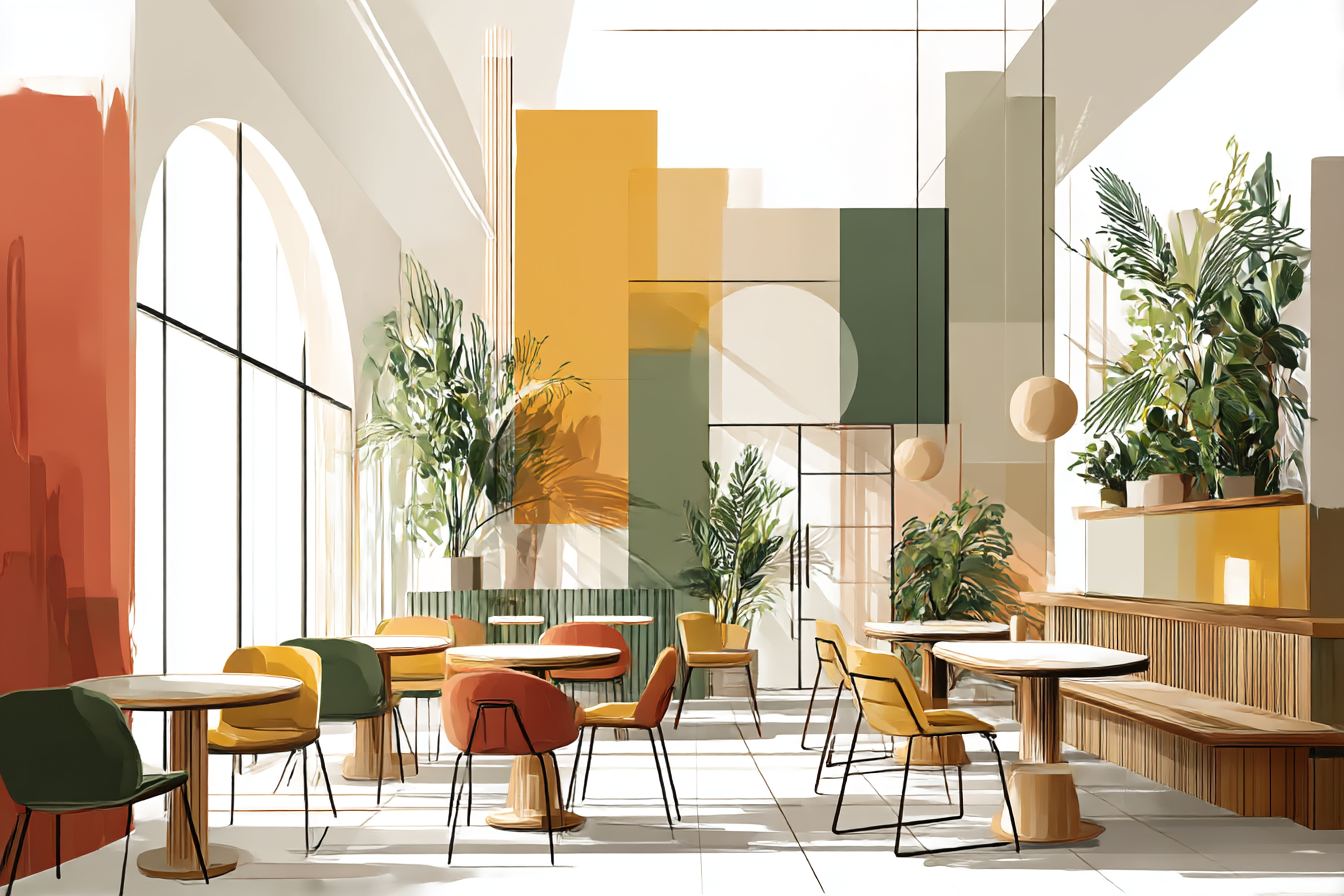
For their space, we went with a living wall system along one interior wall – not the Instagram-pretty type that needs constant professional maintenance, but a modular setup they could actually manage themselves. Pothos, snake plants, ZZ plants – basically the cockroaches of the plant world, but in a good way. Nearly indestructible, excellent air purification, and they actually look lush when properly arranged.
You Might Also Like
The water element was trickier. Their lease prohibited permanent installations, but we found this gorgeous copper fountain (okay, I may have helped design it using my dad’s metalworking connections) that plugs into a standard outlet and creates just enough ambient sound to mask the worst of the HVAC noise. Not overwhelming – you can still have normal conversations – but enough white noise to help people focus.
Here’s where it gets interesting though. The materials made probably the biggest difference, and they were relatively inexpensive changes. We replaced those awful metal-and-plastic office chairs with ones that incorporated actual wood elements – nothing fancy, just bentwood backing and oak armrests. Added some reclaimed wood floating shelves. Brought in a conference table made from a single slab of live-edge walnut (found it at a salvage yard for less than they would’ve spent on a standard laminate table).
The texture thing is real, by the way. There’s actual research on how touching natural materials affects stress hormones, but you don’t need peer-reviewed papers to notice the difference. People just… relax more. Conversations flow differently when you’re running your hands along wood grain instead of gripping cold metal or plastic.
Six weeks after the renovation, my client sent me their productivity metrics. Project completion times were down 18%. Client satisfaction scores were up. But more importantly – and this is the stuff that doesn’t show up in spreadsheets – people were actually choosing to spend time in the office again. Working late didn’t feel punitive. Brainstorming sessions were running longer because people weren’t unconsciously trying to escape the space.
The skeptic in me always wonders about placebo effects. Maybe any change would’ve helped just by showing the team that leadership cared about their work environment. But I’ve seen enough of these transformations to know it’s more than that. When you align built environments with basic human needs – natural light, connections to living systems, textures that evolved alongside us for millennia – people function better. Period.
What really convinced me was watching their creative output evolve. The work they were producing six months later was noticeably different. Bolder colour palettes, more organic shapes, concepts that felt more… alive, I guess. It’s like removing environmental stressors freed up mental bandwidth for actual innovation.
<img class=”size-full” src=”http://wonkydogltd.co.uk/medium/wp-content/uploads/2026/01/im1979_biophilic_design_studio._ultra-realistichyper-detailed_0ccb45c4-95ef-4eaf-bedf-41fd3d4fde36_1.jpg” alt=”im1979_biophilic_design_studio._ultra-realistichyper-detailed_0ccb45c4-95ef-4eaf-bedf-41fd3d4fde36_1″ />
I’m not claiming their office renovation solved world hunger or anything, but it’s a perfect example of what happens when you stop fighting human biology and start working with it. Creative work requires mental flexibility, openness to new ideas, willingness to take risks. Sterile environments actively work against these states.
<blockquote>The funny thing is, most of the changes we made weren’t even that dramatic from a design perspective.
Better lighting, some plants, natural materials, a little water feature. But the cumulative effect created a space that felt fundamentally different – more alive, more supportive, more human.</blockquote>
I keep photos from that project on my phone because they’re useful for showing potential clients what’s possible without massive budgets or complete rebuilds. Sometimes the most powerful interventions are also the most accessible. You just have to understand what you’re really trying to achieve – not decorating with nature themes, but creating genuine connections between people and natural systems.
That team is still thriving, by the way. They’ve actually expanded into the adjacent suite and asked me back to apply the same principles to their new space. Best part? They’ve become advocates themselves, referring other companies who want to create environments where creativity actually has room to breathe.