
Walking through the gleaming corporate headquarters of a tech company in Austin last month, I couldn't help but notice how lifeless everything felt. Sure, the space was impressive – soaring ceilings, polished concrete floors, and those trendy exposed ductwork details that cost a fortune to make look "industrial chic." But something was fundamentally missing. The employees I passed looked like they were trudging through their day rather than energized by their environment.
This isn't uncommon, unfortunately. I've consulted on dozens of workplace projects where companies invest millions in state-of-the-art equipment and sleek furniture, then wonder why their teams seem disengaged or why sick days are climbing. The missing piece? Our basic human need to connect with nature, even when we're stuck inside for eight hours a day.
<blockquote>You know, it's funny how we've created this artificial separation between "work spaces" and "living spaces." I mean, we're the same biological beings in both environments, right?

Our nervous systems don't suddenly switch off their need for natural light and fresh air just because we've clocked in.</blockquote>
During my renovation of that disaster relief project in Louisiana – I think I mentioned this before – I watched how differently people moved and interacted when we rebuilt their community centre with large windows facing the bayou and incorporated reclaimed cypress throughout the interior. Meetings that used to drag on for hours suddenly wrapped up efficiently. People lingered after events, actually wanting to stay in the space. Kids who'd been restless and unfocused during after-school programs became more engaged.
The research backs this up, though honestly, you don't need a PhD to observe it yourself. When I worked at that healthcare architecture firm in Philadelphia, we had two conference rooms that were basically identical – same size, same furniture, same lighting. Well, almost the same lighting. One had a view of the parking lot (riveting, I know), and the other overlooked a small courtyard with a single mature oak tree. Guess which room everyone fought to book? Even our most data-driven project managers unconsciously gravitaed toward the tree-view room for important client presentations.
<img class="size-full" src="http://wonkydogltd.co.uk/medium/wp-content/uploads/2026/01/im1979_biophilic_design_in_the_workplace._ultra-realistichype_0bffba29-b34b-4bc2-a83a-5ba4ebcbb8f5_0.jpg" alt="im1979_biophilic_design_in_the_workplace._ultra-realistichype_0bffba29-b34b-4bc2-a83a-5ba4ebcbb8f5_0" />
But here's where it gets really interesting – and where my apartment experiments have taught me the most. You don't need a million-dollar renovation to tap into these benefits. Some of the most effective changes I've implemented cost less than a fancy coffee machine.
Take my current consulting client in Denver – a marketing firm that was hemorrhaging talent. Classic open-plan office, all glass and chrome, with those soul-crushing fluorescent panels that make everyone look slightly green. Their HR director was convinced they needed a complete overhaul, but their budget was… let's just say modest.
We started with what I call "gateway interventions." First, we swapped out half the overhead fluorescents for full-spectrum LEDs that actually cycle with natural light patterns. Not cheap, but not astronomical either. Within two weeks, people were commenting on how much more alert they felt in the afternoons. One guy told me he'd stopped needing his usual 3 PM coffee crash fix.
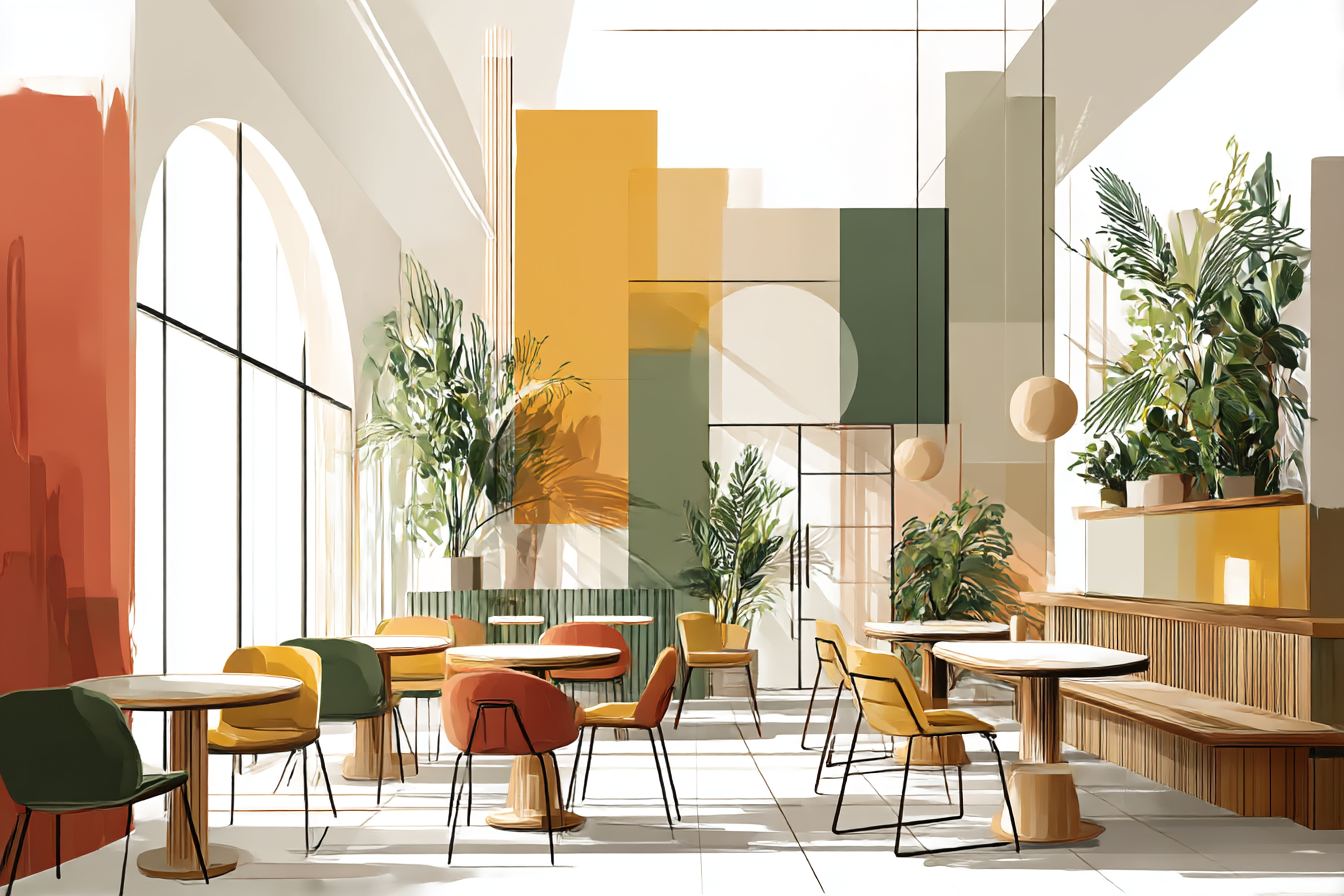
Then we brought in plants – but not the typical sad desk succulent situation. I'm talking about properly selected species that actually improve air quality while thriving in office conditions. Snake plants for the areas with limited natural light, pothos trailing from elevated planters to create natural room dividers, and my personal favorite – a living wall system made from reclaimed barn wood that now houses their coffee station.
The transformation wasn't just aesthetic (though honestly, the space looks incredible now). Their employee satisfaction surveys showed a 28% improvement in self-reported workplace happiness within three months. More tellingly, their voluntary turnover rate dropped by nearly half. People started arriving earlier and staying later – not because they felt pressured to, but because they genuinely enjoyed being in the space.
You Might Also Like
Now, I'll be real with you – implementing nature-based design in corporate environments isn't always smooth sailing. I've had facility managers panic about "bugs and maintenance issues" (spoiler alert: proper plant selection eliminates most concerns). I've dealt with building codes that seem designed to prevent anything remotely natural from existing indoors. And don't get me started on the insurance conversations about water features and slip hazards.
But the pushback is becoming less frequent as more companies recognise the connection between employee wellbeing and bottom-line results. When that pediatric cancer centre project fell apart because they eliminated the healing garden, I was devastated. These days, I'm working with hospital systems that are budgeting for biophilic elements from day one because they understand the impact on patient outcomes and staff retention.
The materials aspect fascinates me most, probably because of all those hours I spent sorting through my father's wood scraps as a kid. There's something our bodies recognise about authentic natural materials that no amount of wood-grain laminate can replicate. I've run informal experiments where I'll have people hold samples of real cedar versus high-quality wood-look plastic. Every single time, they report the real wood feeling "warmer" and "more pleasant" – even when both samples are at identical temperatures.
This isn't just touchy-feely preference stuff. Studies using biometric monitoring show measurable drops in cortisol levels when people interact with natural materials versus synthetic alternatives. Your stress hormones literally decrease when you touch real wood, stone, or even natural fibre textiles.
One of my most successful recent projects involved a law firm (not exactly known for embracing change) that was struggling with associate burnout. We couldn't dramatically alter their traditional aesthetic, but we could be strategic. Replaced synthetic conference table surfaces with live-edge walnut. Introduced stone accent walls using local limestone. Added a water element – just a simple fountain, but positioned where the sound would mask the mechanical HVAC noise that everyone had learned to ignore but was unconsciously stressing them out.
The senior partners were skeptical until their associates started commenting on how much more focused they felt during long document reviews. Billable hour productivity actually increased, which was the language these guys understood. Now they're asking me to consult on their other offices.
<img class="size-full" src="http://wonkydogltd.co.uk/medium/wp-content/uploads/2026/01/im1979_biophilic_design_in_the_workplace._ultra-realistichype_0bffba29-b34b-4bc2-a83a-5ba4ebcbb8f5_1.jpg" alt="im1979_biophilic_design_in_the_workplace._ultra-realistichype_0bffba29-b34b-4bc2-a83a-5ba4ebcbb8f5_1" />
I think what excites me most about workplace biophilic design is how it's becoming less of a luxury add-on and more of a competitive necessity. Companies are realising they can't just throw ping-pong tables and free snacks at retention problems. People – especially younger workers – are actively seeking employers who demonstrate genuine care for employee wellbeing through their physical environments.
<blockquote>The beauty of this approach is that it scales. Whether you're a startup working out of a converted warehouse or a Fortune 500 company planning a new campus, the principles remain consistent.

Connect people to natural light. Incorporate living systems where possible. Use materials that feel authentic rather than synthetic. Create visual connections to outdoor spaces. Simple stuff, really.</blockquote>
But simple doesn't mean easy. The most successful implementations I've seen involve getting buy-in from multiple levels – facilities management needs to understand maintenance requirements, HR needs to see the wellbeing connection, and finance needs to understand the ROI through reduced turnover and improved productivity.
What keeps me going is getting emails from employees months after a project completion, telling me how much better they feel at work. Last week, a woman from that Denver marketing firm wrote that she'd stopped dreading Monday mornings for the first time in years. That connection between our designed environments and our daily experience of being human – that's what this work is really about.