
My neighbour knocked on my door last Tuesday around 7 PM, looking slightly embarrassed but determined. "I need to see your apartment again," she said. "My sister's been bugging me about how different I seem lately, and I keep telling her it's because of your… your plant thing."
See, about six months ago, Maria had mentioned she was having trouble sleeping and felt constantly on edge in her unit – same layout as mine but completely different energy. I'd offered to help her try a few simple changes. Nothing fancy. We're talking maybe $200 total investment.
The transformation she's experienced isn't unique, but it never gets old witnessing it firsthand. That restless energy she used to carry? Gone.
She's sleeping through the night for the first time in years, and her teenage daughter actually hangs out in their living room now instead of hiding in her bedroom. All because we brought some life into their space.
Here's what I learned from working on Maria's place – and dozens of others since then. You don't need a complete renovation or thousands of dollars to create meaningful connections with nature in your home. You just need to think strategically about a few key areas where small changes deliver outsized results.
Let's start with light because honestly, everything else builds from there. Maria's biggest issue was that her west-facing living room felt cave-like despite having the same windows as mine. The problem? Heavy, dark curtains that blocked 80% of available daylight, plus warm white LED bulbs that created this sickly yellow glow once the sun went down.
We replaced those curtains with sheer panels that diffuse light beautifully while maintaining privacy. Cost: $45 at Target. Then I convinced her to try full-spectrum LED bulbs that automatically adjust colour temperature throughout the day – warmer in the evening, cooler and brighter during work hours. Another $60. The difference was immediate and dramatic. Her daughter started doing homework at the kitchen table instead of hunched over her phone in her bedroom.
But here's something most people don't realise about light – it's not just about quantity. Direction matters enormously. I had Maria move her couch away from directly facing the TV and angle it toward the window instead. Sounds minor, right? Wrong. When you're sitting in a space, your nervous system constantly processes environmental cues. Facing toward natural light sources sends completely different signals than staring at artificial screens. She mentioned within a week that she wasn't reaching for her phone as compulsively while sitting there.
Plants come next, but not the way most people think. Maria's first instinct was to grab whatever looked pretty at the grocery store. I've watched so many people kill perfectly good plants this way – buying random species without considering light conditions, maintenance requirements, or even basic compatibility with their lifestyle.
We started with three plants, chosen specifically for her space and schedule. A snake plant for her bedroom because it actually produces oxygen at night (most plants do the opposite). A pothos trailing from her bookshelf because it thrives in moderate light and she travels frequently for work. And – this was the game-changer – a small fiddle leaf fig positioned where she could see it from both the kitchen and living room.
That fiddle leaf might seem like an odd choice since they're notoriously finicky, but I'd learned something interesting from working with other clients. When you have one slightly demanding plant that you cheque on daily, it creates this routine connection with nature that affects how you move through your space. Maria started her mornings by checking the soil and rotating it slightly. Such a small ritual, but it shifted her entire morning energy.
You Might Also Like
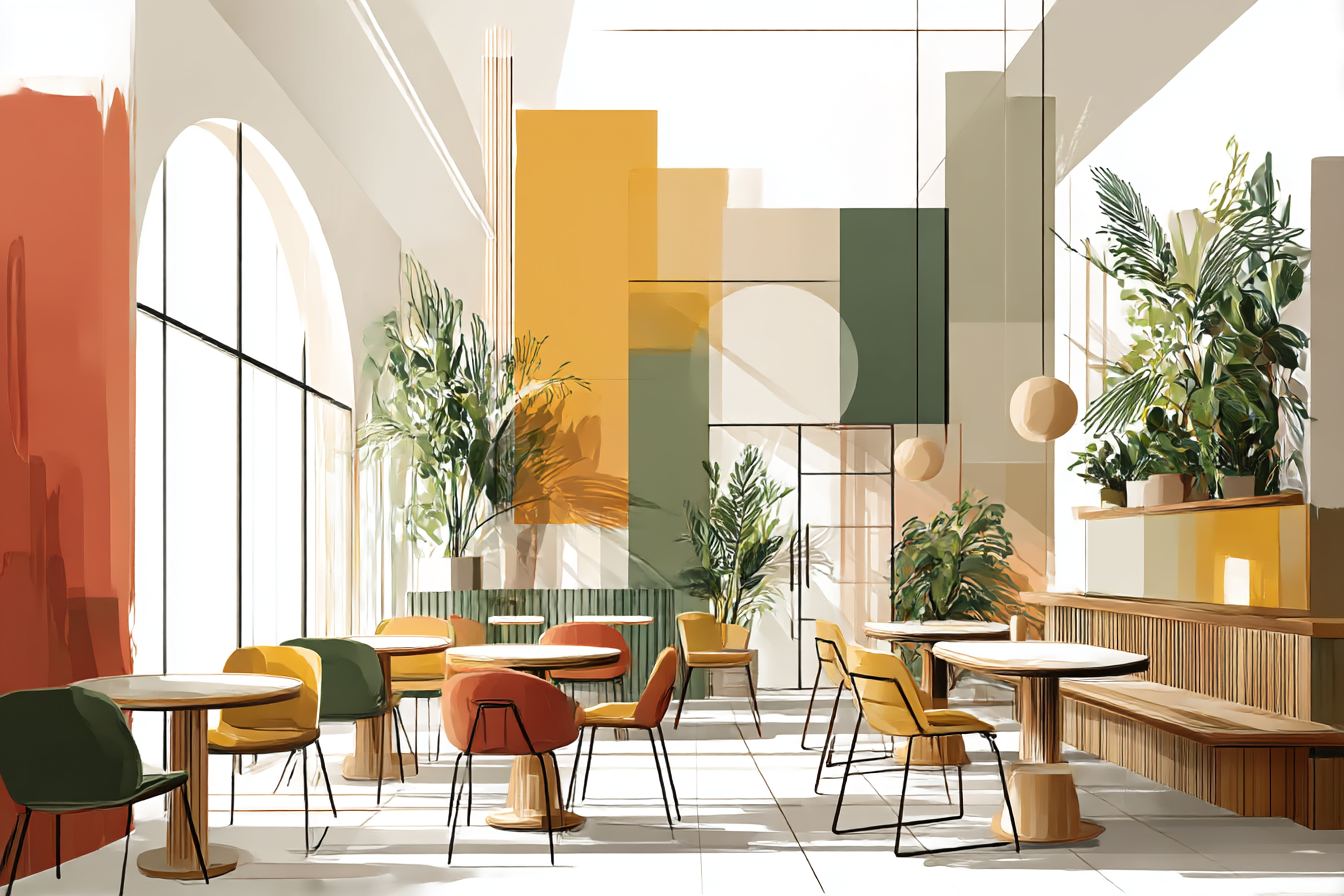
The texture component is where things get really interesting because it engages senses people don't usually think about in design terms. Maria's apartment was all smooth surfaces – laminate floors, painted walls, metal fixtures. Nothing for your hands to explore or your feet to really connect with.
We added a jute rug under her coffee table. Not expensive – maybe $80 – but suddenly there was this organic texture that invited bare feet. I brought over some wood coasters I'd made from maple offcuts (still can't shake that childhood habit of collecting interesting wood pieces). She got a wool throw for the couch that actually encourages touch rather than just looking decorative.
But the real winner was replacing her plastic dish soap dispenser with a ceramic one and switching out her synthetic sponges for natural sea sponges. Sounds ridiculously minor, but consider how many times a day you touch these things. Each interaction became a tiny sensory reminder of natural materials instead of processed plastic.
Water proved trickier in her space – she didn't want anything complicated or requiring constant maintenance. We ended up with a small tabletop fountain that plugs in and recirculates the same water. Cost about $35 online. The gentle trickling sound masks traffic noise from the busy street below, but more importantly, it adds humidity to her dry apartment air and creates negative ions that research suggests can improve mood and mental clarity.
I'll be honest – I was skeptical about whether such a small water feature would make a noticeable difference. But Maria's daughter mentioned unprompted that she liked studying at the kitchen table now because "it sounds peaceful." Kids pick up on environmental changes faster than adults, and they're usually more honest about what they notice.
The scent element came last, and this is where most people go wrong with those artificial "nature" fragrances. We focused on actual plants and materials that naturally release pleasant compounds. A small rosemary plant on her kitchen windowsill that she can brush against while cooking. Cedar sachets in her closet made from those wood shavings my father always brought home. During winter months, simmering citrus peels and cinnamon on the stove occasionally.
What surprised both of us was how quickly these changes started affecting her social life. Friends began lingering longer when they visited. Her daughter's friends actually asked if they could study there sometimes. Maria started inviting people over more frequently because her space felt more welcoming to her – not just visually, but in ways she couldn't quite articulate.
Six months later, she's experimenting with more changes on her own. Started a small herb garden on her fire escape. Replaced her shower curtain with one in natural linen.
Even painted one accent wall in this gorgeous sage green that somehow makes the whole space feel larger and calmer.
The thing is, none of these individual changes are revolutionary. But together, they create something that goes way beyond decoration. They establish multiple daily touchpoints with natural elements, materials, and processes that our bodies recognise and respond to. Maria's transformation – better sleep, reduced anxiety, improved social connections – isn't coincidence. It's biology responding to an environment that finally supports rather than stresses our fundamental needs as living beings.
And here's what I find most encouraging: once people experience this shift, they become ambassadors for the approach without even realising it. Maria's been helping her coworkers identify simple changes for their own spaces. Her sister called me last week asking for advice on their childhood home. The ripple effects keep expanding, one small intervention at a time.