
I was skeptical when my client Maria first called me about transforming her 1970s ranch house. "I want to feel like I'm living in a treehouse," she said, "but without actually climbing into one." Her words made me laugh – and honestly, they perfectly captured what so many homeowners are craving these days. After spending the last decade helping people reconnect their homes with nature, I've learned that everyone has their own way of describing this hunger for something more organic in their living spaces.
Maria's house sat on a half-acre lot in suburban Portland, surrounded by mature Douglas firs that the previous owners had somehow managed to ignore completely. The interior felt like a bunker – small windows, beige everything, and fluorescent lights that hummed like angry bees. Walking through that space for the first time, I could physically feel my shoulders tense up. That's always a bad sign.
<blockquote>The thing about biophilic residential design is that it's not about slapping some plants on windowsills and calling it a day. I mean, don't get me wrong – I love houseplants.

My own place looks like a jungle exploded inside a laboratory. But creating a truly nature-connected home requires thinking about how every element works together to support our biological need for natural connection.</blockquote>
We started with light, because honestly, you can't fake good daylighting. Maria's living room had one sad little window facing north – basically the kiss of death for natural illumination. I convinced her to take out a non-load-bearing wall and install floor-to-ceiling windows along the south-facing wall. Yes, it was expensive. Yes, her contractor grumbled about permits. But the transformation was immediate and dramatic.
Natural light does something to people that artificial lighting just can't replicate. Within two weeks of the installation, Maria told me she was sleeping better and hadn't needed her afternoon coffee since the renovation started. That's not coincidence – it's biology. Our circadian rhythms depend on exposure to natural light patterns, and most homes are designed as if we're nocturnal creatures.
<img class="size-full" src="http://wonkydogltd.co.uk/medium/wp-content/uploads/2026/01/im1979_biophilic_design_for_houses._ultra-realistichyper-deta_06c30440-496e-450f-8ccd-82aa14c7bce9_0.jpg" alt="im1979_biophilic_design_for_houses._ultra-realistichyper-deta_06c30440-496e-450f-8ccd-82aa14c7bce9_0" />
Next came materials, and this is where my dad's influence really shows up in my work. I sourced reclaimed cedar from a local mill for the accent walls – not because it looked pretty (though it did), but because cedar contains natural compounds that actually improve indoor air quality. The scent alone triggers measurable stress reduction in most people. Maria would walk into her living room and literally exhale with relief.
We replaced her carpet with bamboo flooring. I know, I know – bamboo's become trendy, but there's solid science behind why natural materials feel better underfoot than synthetic ones. The thermal properties, the subtle texture variations, even the way bamboo ages and develops character over time… it all contributes to what researchers call "material authenticity," which basically means your brain recognizes it as real and responds accordingly.
You Might Also Like
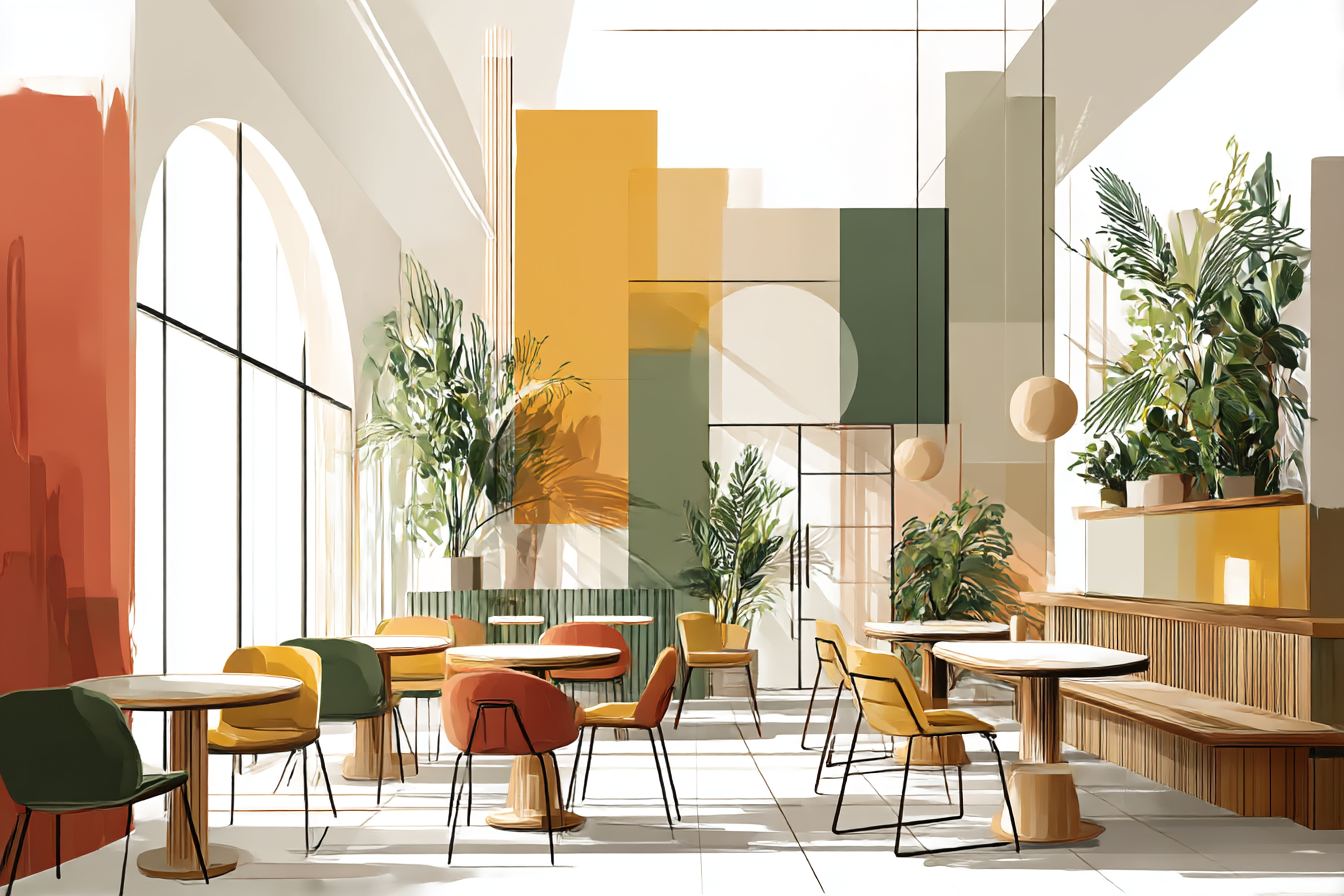
The plant selection process took weeks, and I'll admit I went a bit overboard. We installed a living wall in the dining area using a modular system I'd been testing in my own space. Maria was nervous about maintenance, but I walked her through the self-watering setup and helped her choose species that could handle her travel schedule. Pothos, snake plants, peace lilies – the workhorses of indoor biophilic design.
What surprised me most was how quickly her social patterns changed. Before the renovation, Maria rarely had people over. "My house just felt… dead," she explained. After we finished, she started hosting dinner parties, and guests would literally comment on how relaxed they felt. One friend asked if she was pumping aromatherapy scents through the vents. Nope – just the combined effect of natural materials, better air quality from the plants, and lighting that didn't make everyone look like corpses.
The water feature was Maria's idea, inspired by a hotel she'd visited in Costa Rica. We created a small recirculating fountain in the entryway using local river rocks and copper tubing. The sound of moving water has this incredible ability to mask urban noise pollution while triggering what psychologists call "restoration attention." It's like nature's white noise machine.
I've noticed that people often resist the idea of bringing water indoors – they worry about humidity, leaks, mosquitoes. Valid concerns, but manageable with proper design. Maria's fountain uses maybe two gallons total, recirculates completely, and has a simple overflow system that prevents any mess. The psychological benefits far outweigh the minimal maintenance requirements.
<img class="size-full" src="http://wonkydogltd.co.uk/medium/wp-content/uploads/2026/01/im1979_biophilic_design_for_houses._ultra-realistichyper-deta_06c30440-496e-450f-8ccd-82aa14c7bce9_1.jpg" alt="im1979_biophilic_design_for_houses._ultra-realistichyper-deta_06c30440-496e-450f-8ccd-82aa14c7bce9_1" />
One unexpected challenge was convincing Maria to embrace imperfection. She kept wanting everything to look magazine-perfect, but nature isn't symmetrical or predictable.

I had to talk her out of replacing a gorgeous but slightly warped cedar board, and I literally had to hide her pruning shears to stop her from turning her fiddle leaf fig into a topiary. The beauty of biophilic design lies partly in accepting natural variation and change.
<blockquote>The project took four months from start to finish, and the transformation went way beyond aesthetics. Maria's energy bills dropped about thirty percent thanks to better daylighting reducing her need for artificial light. Her houseplants improved air quality enough that she stopped using plug-in air fresheners. Most importantly, she started spending time at home instead of always seeking out coffee shops and restaurants for socializing.</blockquote>
I still visit Maria's house occasionally – partly for maintenance cheques on the living wall, but mostly because the space has become such a perfect example of residential biophilic design done right. It's not flashy or Instagram-worthy in an obvious way. Instead, it feels like what a home should feel like: a place that nurtures and restores rather than depletes.
The best compliment came from Maria's teenage daughter, who'd been initially mortified by the renovation plans. "Mom's house doesn't feel like a house anymore," she told me six months later. "It feels like… I don't know, like a really good hug?" That's when you know you've succeeded in creating something that works on a biological level, not just a visual one.