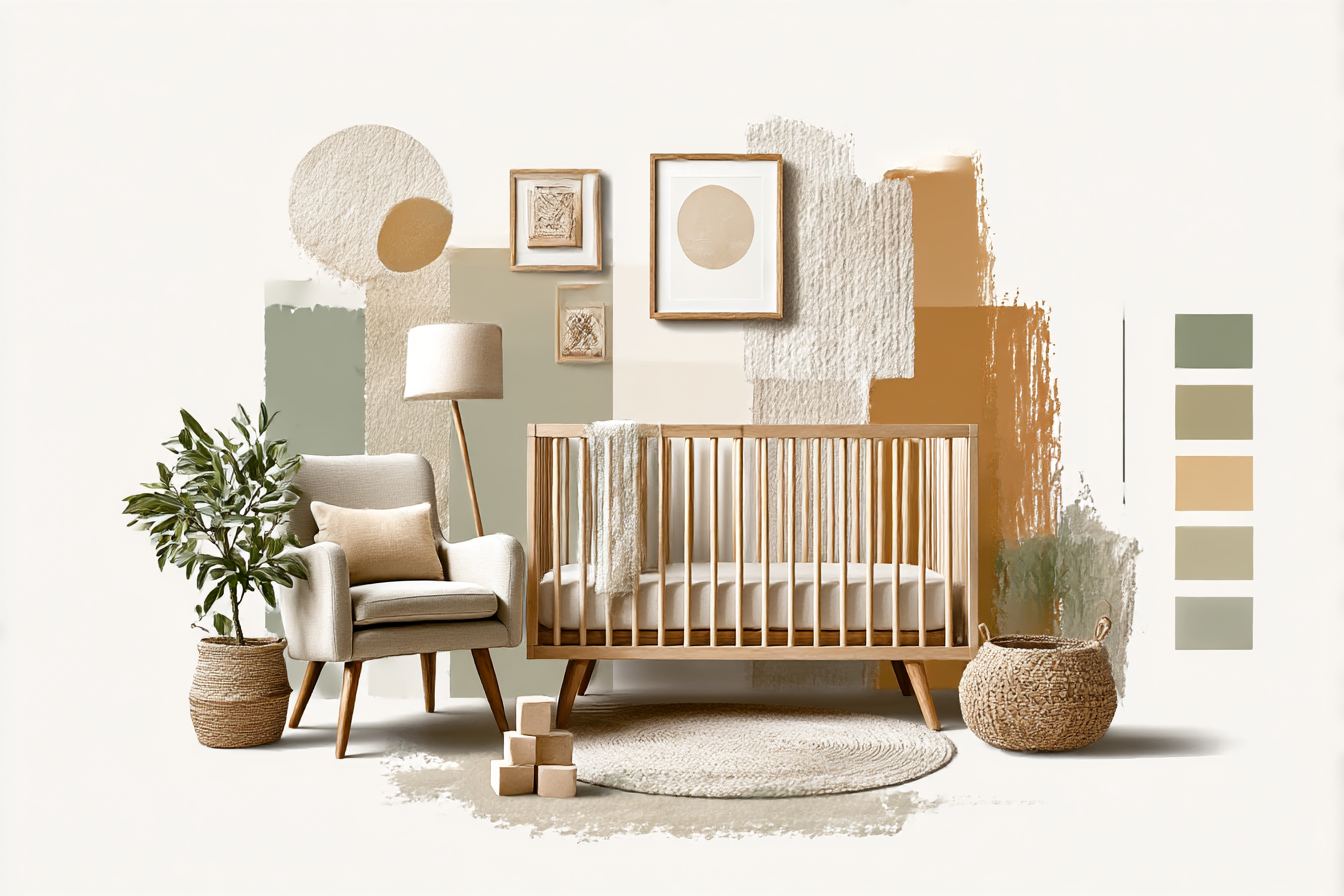
When my neighbour Sarah asked me to help her choose furniture for her baby's nursery, I honestly thought she was overthinking it. I mean, how complicated could picking out a crib be? But then she started rattling off concerns about formaldehyde emissions, toxic finishes, and sustainable wood sourcing, and I realised she'd done her homework. More importantly, she was asking the right questions that most new parents never even consider.
Three hours later, we were deep in manufacturer spec sheets, and I found myself genuinely excited about nursery furniture for the first time in my career. Here's what I learned during that research dive, and what every expectant parent should know before furnishing their baby's first room.
The thing about baby furniture is that it sits right at the intersection of health and environmental concerns. Your little one will spend thousands of hours breathing whatever's off-gassing from those surfaces, touching every corner and rail, and probably gnawing on more than you'd like to admit.
At the same time, the furniture industry has traditionally relied on some pretty questionable materials and processes that don't exactly scream "planet-friendly."
Sarah's first instinct was to hit up one of those big box stores with the glossy nursery displays. You know the ones, right? Everything matches perfectly, prices seem reasonable, and they'll deliver the whole set next week. But when we started reading labels and asking questions, things got murky fast. "Composite wood" turned out to mean particleboard loaded with formaldehyde-based adhesives. Those "natural wood" finishes contained enough volatile organic compounds to make my head spin just reading the safety data sheet.
The formaldehyde issue really got my attention. I've tested air quality in hundreds of buildings, and I can tell you that new furniture is often the biggest culprit when indoor air quality goes south. The stuff they use to bind wood particles together keeps releasing chemicals for months, sometimes years. Now picture your baby sleeping eight feet away from that crib every night for the next two years. Not exactly what you want to think about at 3 AM during those feeding sessions.
So we started looking at solid wood options, which sounds straightforward until you realise that even solid wood furniture often gets treated with chemical finishes that aren't much better than the composite stuff. I watched Sarah's face fall as we discovered that "non-toxic" doesn't actually mean much in furniture labeling. There's no standardized definition, no third-party verification required. Companies can basically slap that label on anything they want.
That's when I remembered visiting a small furniture maker outside Eugene, Oregon, about two years ago. They specialized in kids' furniture using genuinely sustainable practices, and their workshop smelled like sawdust instead of chemicals. Which, trust me, is not normal for furniture manufacturing facilities. We ended up driving down there on a Saturday morning, partly because Sarah wanted to see their process firsthand, and partly because I was curious to revisit what I'd learned.
The difference was immediately obvious. They were using locally sourced maple and cherry from sustainably managed forests, joining pieces with traditional mortise and tenon techniques instead of metal hardware, and finishing everything with plant-based oils and waxes. The owner, this gruff guy named Rick, showed us how they tested every batch of oil finish by having employees rub it on their own skin. "If I wouldn't put it on my arm, I'm sure not putting it on furniture for babies," he said.
Their cribs cost about 60% more than the big box store versions, but when you break down what you're actually getting, the value equation shifts pretty dramatically. Solid wood construction that'll last through multiple children versus particleboard that starts sagging after two years. Non-toxic finishes versus chemical off-gassing that continues for months. Local craftsmanship versus overseas manufacturing with questionable labor practices. Plus, and this surprised Sarah, their furniture actually held its value better for resale.
You Might Also Like
Rick also pointed out something I hadn't considered: babies spend way more time in direct contact with their furniture than adults do. They're grabbing crib rails, pressing faces against dresser edges, and yeah, definitely doing some exploratory chewing. Their smaller body size means they're more susceptible to chemical exposure, and their developing systems are less equipped to process toxins. When you frame it that way, furniture choices become a lot more consequential.
We ended up specifying a complete nursery set from them: crib, changing table, dresser, and bookshelf. All solid hardwood with traditional joinery, finished with organic linseed oil and carnauba wax. The wood came from forests within 200 miles of their workshop. The total environmental impact was probably one-tenth of what a conventional furniture set would generate.
But here's what really sold Sarah: the smell test. Conventional furniture has that distinct new-furniture smell that most people associate with "clean" or "fresh." That smell is actually volatile organic compounds off-gassing from adhesives, finishes, and synthetic materials. Rick's furniture smelled like wood. Period. Even better, that natural smell actually improved over time as the oils cured, instead of gradually fading like chemical finishes do.
The delivery experience was pretty great too. Rick delivered everything personally in his biodiesel truck, spent an hour assembling pieces and explaining maintenance (basically just occasional oiling), and left behind a care sheet with the specific oil blend recipe in case Sarah wanted to touch up finishes herself down the road. Try getting that level of service from a big box store.
Now, I'll be honest – finding truly sustainable nursery furniture takes more effort than clicking "buy now" on a matching bedroom set. You're dealing with smaller manufacturers, longer lead times, and higher upfront costs.
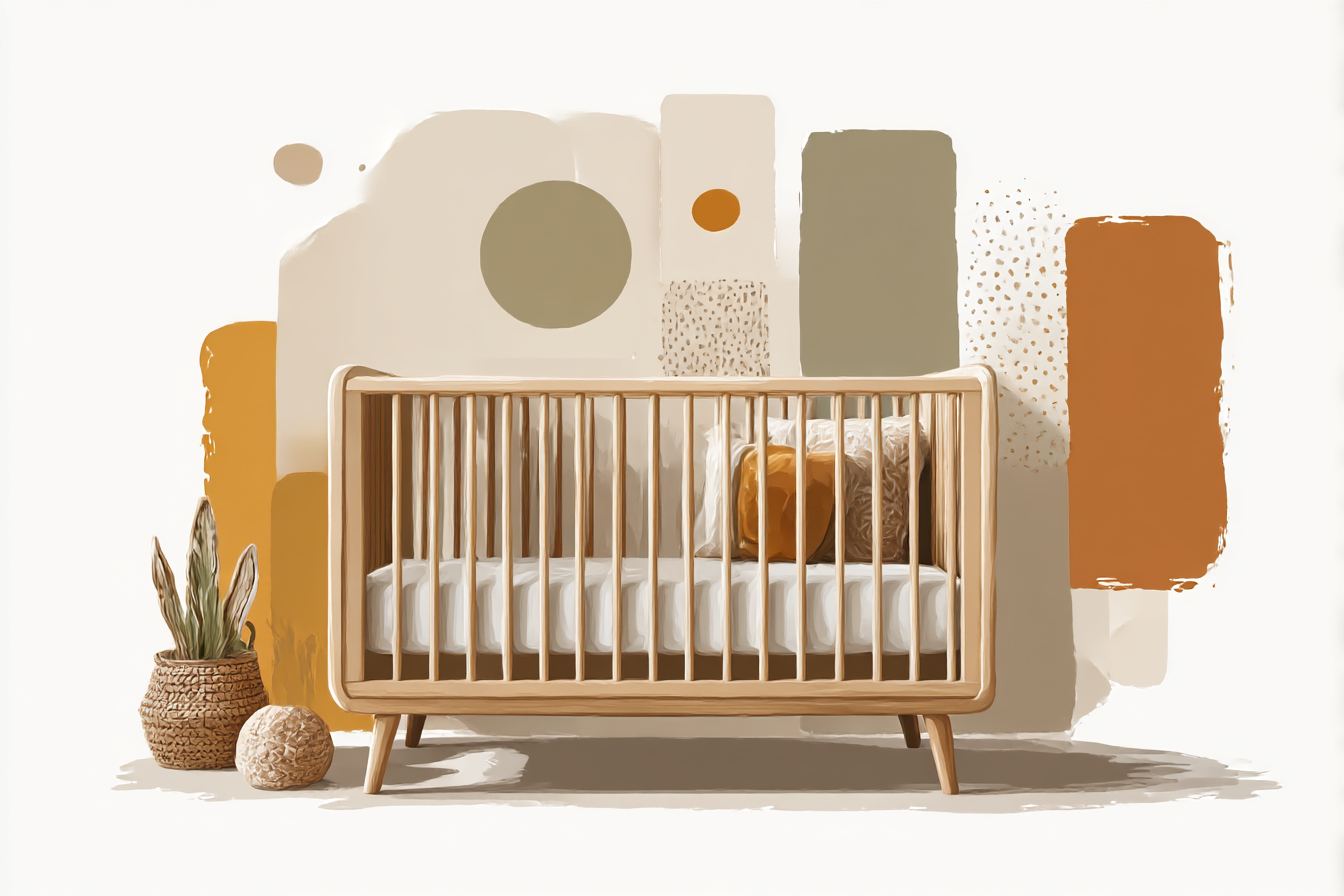
But the peace of mind factor is huge, especially for first-time parents who are already worrying about everything else.
If custom furniture isn't in your budget, there are still good options. Antique or vintage pieces often use solid wood construction and have had decades to off-gas any problematic finishes. Just make sure any paint is lead-free (anything manufactured after 1978 should be fine) and that hardware meets current safety standards. I've helped several families find beautiful vintage nursery furniture for half the cost of new sustainable pieces.
Another route is certified options from larger manufacturers. Look for Forest Stewardship Council certification on wood sourcing, and Greenguard Gold certification for low chemical emissions. These third-party certifications actually mean something, unlike vague "eco-friendly" marketing claims.
The main thing Sarah and I learned is that baby furniture is one of those purchases where the cheapest option often costs more in the long run, whether you're talking about health impacts, environmental consequences, or simple durability. When you're preparing a space where your child will spend their most vulnerable early months, it's worth investing in materials that support their health instead of compromising it.
Three months later, Sarah's nursery still smells like nothing at all, which is exactly what you want. Her baby sleeps soundly in that maple crib, and Sarah sleeps better knowing the air they're both breathing is as clean as she could make it.