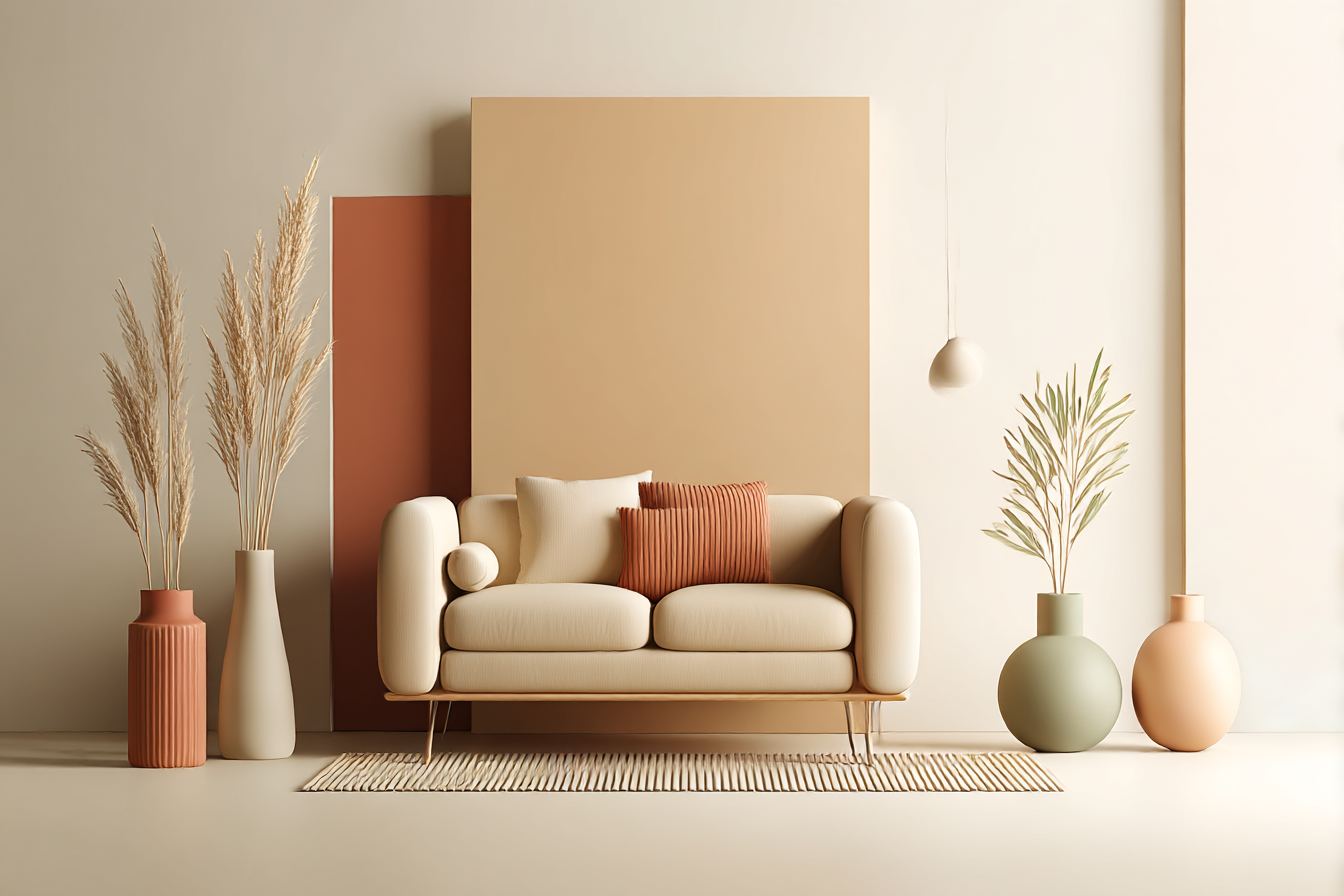
When my friend Sarah called me last Tuesday morning, she was practically in tears. She'd just moved into her dream apartment in Portland's Pearl District, and the smell was making her sick. "I can't even sit in my living room without getting a headache," she said. The culprit? A brand new sectional sofa that her well-meaning mother had gifted her, complete with that "new furniture smell" that most people don't realise is actually a cocktail of formaldehyde, flame retardants, and other volatile organic compounds slowly off-gassing into her air.
This conversation took me right back to something my mother used to say at the salvage yard: "Your home shouldn't poison you." She was talking about building materials then, but the same principle applies to furniture. You know, we spend roughly 90% of our time indoors, and a huge chunk of that is in our living rooms. If your sofa is quietly releasing chemicals every time you sink into it for your evening Netflix session, well, that's a problem worth solving.
The thing is, sustainable living room furniture isn't just about feeling good about your environmental impact, though that's certainly part of it.

I've learned through years of testing materials in my own home that eco-friendly options often perform better, last longer, and create healthier indoor environments. But here's the catch: you've got to know what to look for because the marketing around "green" furniture is absolutely loaded with greenwashing.
Last month I helped my neighbour Jim replace his living room set, and wow, the learning curve was steep. He'd assumed that anything labeled "natural" or "eco-friendly" was automatically better. We spent an entire Saturday afternoon at furniture stores, and I watched his confidence crumble as I explained why that "bamboo" coffee table was actually bamboo veneer over particleboard held together with formaldehyde-based adhesives. Not exactly the sustainable choice he thought he was making.
The sofa hunt proved even trickier. Most conventional sofas are basically chemical warehouses wrapped in fabric. The foam cushions contain petroleum-based polyurethane treated with flame retardants that have been linked to hormone disruption and neurological issues. The frame might be made from engineered wood products that off-gas formaldehyde for years. And don't get me started on the synthetic fabrics treated with stain-resistant chemicals that persist in the environment forever.
But here's what I've discovered works really well: solid wood frames made from sustainably harvested timber or reclaimed wood. I actually found an amazing piece for my own living room last year, a mid-century modern sofa frame made from reclaimed Douglas fir that had been salvaged from a demolished Portland warehouse. The character in that wood… you just can't get that from new lumber. Plus, zero embodied carbon from tree harvesting.
For cushioning, natural latex has become my go-to recommendation. It's derived from rubber trees, biodegradable, and naturally resistant to dust mites and mold without any chemical treatments. I'll be honest, it costs more upfront than conventional foam, but the durability is incredible. My own latex cushions are going on five years now and they're still as supportive as day one. Compare that to cheap polyurethane foam that starts sagging within months.
The fabric choice matters enormously too. Organic cotton, hemp, wool, and linen are fantastic options that don't require the chemical processing that synthetic fabrics do. I recently helped a client select a gorgeous hemp upholstery fabric that actually gets softer with use, and the natural antimicrobial properties mean it stays fresher longer than synthetic alternatives.
Coffee tables and side tables present their own sustainability challenges. That gorgeous live-edge walnut slab table might look natural, but if it's treated with polyurethane finishes, it's going to off-gas for months. I've had great success with pieces finished using plant-based oils like tung oil or carnauba wax. They require a bit more maintenance, sure, but the finish actually improves with age, and you're not breathing in petrochemicals every time you set down your coffee mug.
You Might Also Like
Storage is another area where sustainable choices really shine. I picked up a beautiful reclaimed teak media console at an estate sale last spring, and after stripping off the old finish and treating it with a natural oil blend, it looks better than anything I could buy new. Plus, I know that wood has already proven its durability over decades of use.
The pricing reality is something I always discuss honestly with people. Yes, truly sustainable furniture typically costs more initially. But when you factor in durability, health benefits, and resale value, the economics often work out better long-term. That cheap particleboard entertainment centre might save you $200 today, but you'll replace it twice in the time a solid wood piece would last, and you'll be breathing in formaldehyde the whole time.
I've also become a huge advocate for buying used and vintage pieces when possible. Some of the best furniture was made decades ago when manufacturers still used solid wood construction and simpler, less toxic finishes. I found my living room's accent chair at a thrift store for $45. After reupholstering it myself with organic wool fabric, I've got a piece that's both sustainable and exactly what I wanted aesthetically.
One mistake I see people make repeatedly is focusing only on the main furniture pieces while ignoring accessories. Those synthetic throw pillows, acrylic blankets, and petroleum-based area rugs can contribute just as much indoor air pollution as a toxic sofa. Natural fibre textiles, organic cotton throws, and wool rugs create such a different feel in a space. The air quality improves noticeably.
Maintenance is crucial too. Many people don't realise that conventional furniture cleaners and polishes add more chemicals to your indoor environment. I've switched to simple solutions like diluted vinegar for wood surfaces and castile soap for upholstery spot cleaning. Your furniture lasts longer, and you're not constantly introducing new chemical cocktails to your home.
The transformation in my own living space has been remarkable. The off-gassing smell that used to hit me when I came home is completely gone. I sleep better, my seasonal allergies improved, and honestly, the space just feels more comfortable.

There's something about being surrounded by natural materials that creates a different energy in a room.
What drives me crazy is when people assume sustainable furniture means sacrificing style or comfort. Some of the most beautiful, comfortable pieces I've ever owned happen to be the most environmentally responsible. That reclaimed wood coffee table I mentioned? It's the centerpiece of my living room, and guests always comment on its character and craftsmanship.
The key is doing your homework before shopping. Research manufacturers' practices, read ingredient lists like you would for food, and don't be afraid to ask detailed questions about construction methods and finishes. Sales staff might not always know the answers, but manufacturers who are genuinely committed to sustainability will be transparent about their processes.
Creating a healthy, comfortable living room with sustainable furniture isn't just possible; it's actually pretty straightforward once you know what to look for. Your daily comfort doesn't have to come at the cost of environmental health or your family's wellbeing. In fact, in my experience, it's quite the opposite.