
You know what really gets me fired up? Walking into someone's home and seeing that gorgeous dining table they bought three years ago already showing wear, or worse yet, hearing they had to toss their "sustainable bamboo" bookshelf because it literally fell apart. I mean, what's the point of choosing eco-friendly furniture if it doesn't actually last?
Last month, I helped my neighbour Sarah replace her kitchen table for the second time in five years. The first was this particle board thing wrapped in wood-look veneer that started chipping after six months. "But it was so affordable!" she kept saying. Then she upgraded to what the store called "sustainable bamboo" – which turned out to be bamboo strips glued together with formaldehyde-based adhesives. Not exactly what you'd call healthy for daily meals with the kids.
This whole experience got me thinking about what we actually mean when we talk about sustainable furniture.

Because here's the thing – a chair that breaks after two years isn't sustainable, no matter what materials went into making it. The most eco-friendly piece of furniture is one you never have to replace.
I've been testing furniture in my own home for years now, and I can tell you that real sustainability in furniture comes down to three core principles: materials that don't harm people or planet, construction methods that create lasting strength, and design that ages gracefully instead of looking dated next season.
Let me share what I've learned about materials first. When I renovated my living room two years ago, I spent weeks researching every piece. That coffee table I eventually bought? Solid walnut from a tree that fell during a storm in Oregon, finished with nothing but linseed oil and beeswax. Compare that to the "wood" coffee table my friend bought from a big box store – pressed sawdust held together with urea-formaldehyde resin, wrapped in a photo of wood grain printed on plastic film. Guess which one still looks great and which one is off-gassing chemicals into the air?
Real wood matters, but not all wood is created equal. I've seen beautiful furniture made from fast-growing species like poplar and pine that'll outlast exotic hardwoods if it's properly constructed. The key is understanding what you're getting. When a manufacturer won't tell you exactly what wood species they're using, that's a red flag. Same goes for finishes – if they can't explain what's in their stain or topcoat, walk away.
But materials are just the beginning. Construction technique makes or breaks furniture longevity, literally. I learned this the hard way when I bought what looked like a solid wood dresser online. Beautiful photos, great price, even had decent reviews. When it arrived, I realised why it was so affordable – the drawers were held together with tiny metal brackets and wood glue, no traditional joinery at all. Six months later, the first drawer fell apart. Within a year, the whole piece was wobbly.
Proper furniture construction uses time-tested joinery techniques. Mortise and tenon joints, dovetails, proper bracing – these methods have kept furniture together for centuries because they work. When you're shopping, look inside drawers and underneath pieces. You should see actual joints, not just glue and hardware holding everything together.
I visited a furniture maker in Vermont last spring who showed me why traditional construction costs more upfront but saves money long term. He was building dining chairs using mortise and tenon joints throughout – each chair took him about eight hours to complete. Meanwhile, his neighbour's factory pumps out similar-looking chairs in twenty minutes using pneumatic staplers and wood glue. Guess which chairs his grandfather is still using seventy years later?
You Might Also Like
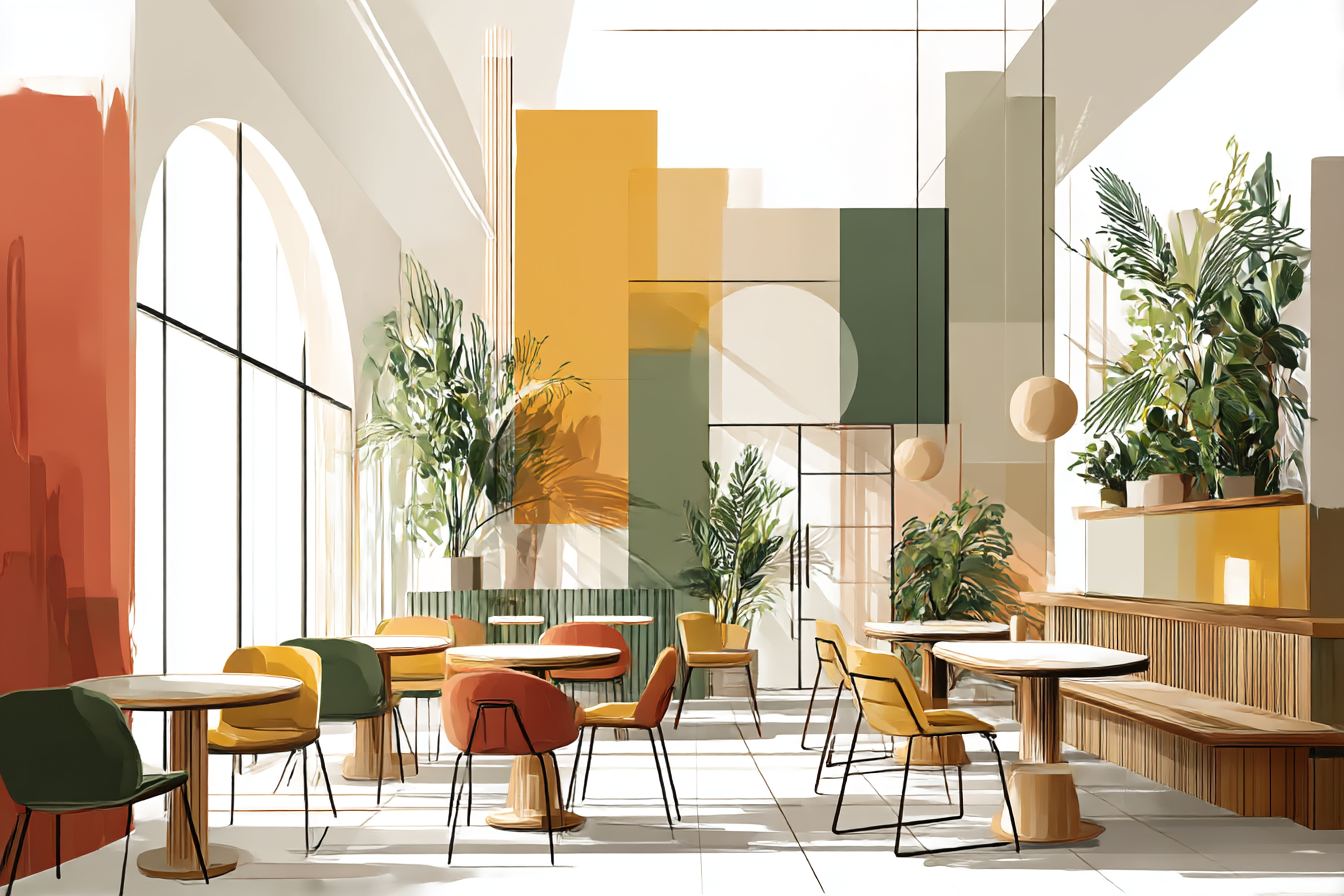
The third piece of the puzzle is what I call graceful aging. Sustainable furniture should get better with time, not worse. This means choosing designs that won't look ridiculous in five years and finishes that improve with use rather than showing every scratch and stain.
I made this mistake early on with a supposedly eco-friendly bamboo desk. The finish was so thin that every coffee ring showed permanently, and the modern design looked dated within three years. I ended up replacing it with a simple oak writing desk from the 1940s that I found at an estate sale. Sixty years of use had given it character, not damage.
Here's something most people don't consider – repairability. My grandmother's dining room set from 1952 has been refinished twice, reupholstered once, and had loose joints re-glued several times. It's still beautiful and functional because it was designed to be maintained. Modern furniture often can't be repaired – try finding replacement parts for that Swedish flat-pack bookshelf, or getting someone to refinish furniture with a plastic coating.
When I help clients choose furniture now, I always ask: "Can this be fixed when something goes wrong?" If the answer is no, it's not truly sustainable.
The circular design approach takes this thinking even further. Instead of the typical make-use-dispose cycle, circular design considers the entire lifecycle from day one. Can components be easily separated for recycling? Are fasteners designed for disassembly rather than permanent attachment? Can worn parts be replaced without scrapping the whole piece?
I recently discovered a company making modular shelving systems where every component can be replaced individually. Scratch a shelf? Replace just that piece. Need different configuration? Reconfigure the existing parts. It's brilliant, and it's the future of truly sustainable furniture.
The economics work out too, though not always immediately. That solid wood dining table might cost three times more than particle board, but if it lasts thirty years instead of three, the cost per year is actually lower.

Plus, quality furniture holds value – I've sold pieces I no longer needed for nearly what I paid, something impossible with disposable furniture.
Shopping secondhand perfectly embodies these principles. That mid-century credenza at the vintage shop has already proven its durability by surviving fifty years. The materials are likely solid wood with quality hardware. And you're keeping existing furniture in use rather than creating demand for new production.
Sarah ended up taking my advice and buying a 1960s oak table from an antique dealer. Cost her about the same as her bamboo disaster, but this one's built to outlast us all. Sometimes the most sustainable choice is the one that's already been sustaining families for decades.
The furniture industry is slowly catching on. I'm seeing more manufacturers embrace traditional joinery, solid wood construction, and repairable design. But as consumers, we have to demand better and be willing to pay upfront for furniture that'll serve our grandchildren, not just survive our next move.