
Last Tuesday, I found myself crouched in a client's backyard, my hands deep in what most people would call "dirt" but I prefer to think of as potential. The homeowner, Sarah, had called me because her landscape designer quit mid-project – apparently, my suggestion to incorporate mycorrhizal networks into the soil preparation was "too experimental" for their comfort. Their loss, honestly.
Sarah's property sits on what used to be farmland outside Portland, and the soil tells that story. Decades of industrial agriculture had stripped it down to basically nothing – compacted, nutrient-depleted, practically lifeless. Standing there, I couldn't help but think about how we've trained ourselves to see this as normal. We accept these ecological deserts, then wonder why our outdoor spaces feel so… dead.
This is where regenerative design gets interesting, though.
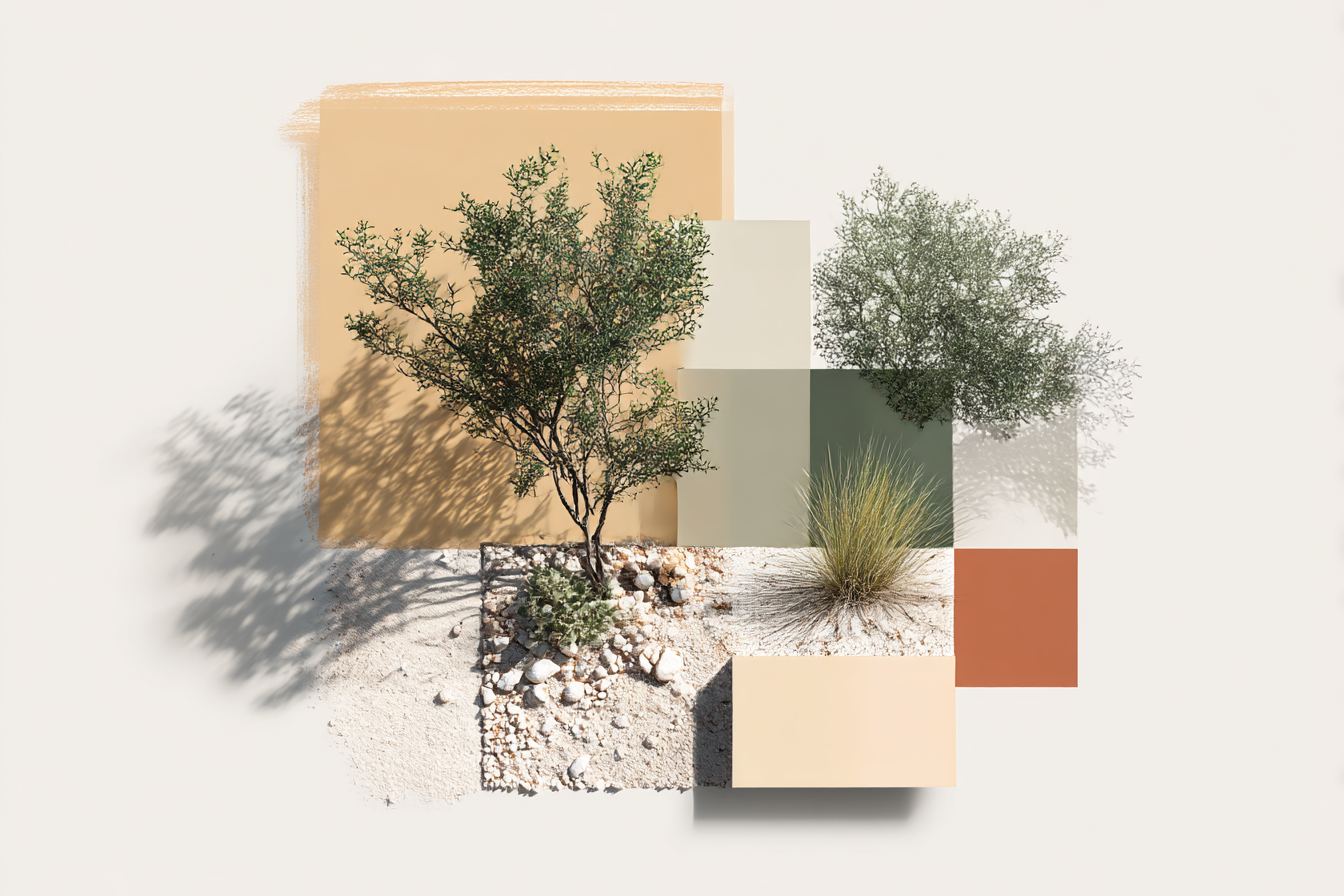
Instead of fighting against what's there (or what isn't there), we work with natural systems to rebuild from the ground up. Literally.
I've been experimenting with these principles in my own space for the past three years. My apartment building has this sad little courtyard that was basically a rectangle of struggling grass surrounded by concrete. The property manager finally got tired of the maintenance costs and gave me permission to "do something" with it. Best decision they ever made, frankly.
The transformation didn't happen overnight – and that's the point. Regenerative design isn't about instant gratification. It's about creating systems that get better over time, that build on themselves, that actually contribute more than they take. My courtyard started with soil amendments, native plant selection, and a simple rainwater collection system. Three years later? We've got a thriving ecosystem that supports everything from beneficial insects to migrating birds. The other residents have started having their morning coffee out there again.
But here's what really gets me excited about this approach – it's not just about plants and soil. Regenerative principles apply to how we think about outdoor spaces as complete living systems that include us humans too.
Take Sarah's project. Sure, we're rebuilding soil biology and introducing native species. But we're also designing spaces that encourage her family to spend more time outside, that create habitat for local wildlife, that manage stormwater naturally, and that will actually require less maintenance as the system matures. It's not landscaping – it's ecosystem design.
The water element was crucial. Sarah's property sits at the bottom of a gentle slope, which means it catches runoff from the entire neighborhood during heavy rains. The previous landscape tried to fight this with drainage systems and impermeable surfaces. We're embracing it instead. Rain gardens, bioswales, permeable pathways – suddenly that "problem" becomes the foundation of the entire design. The water that used to rush off the property now moves slowly through planted areas, soaking in and supporting plant life.
I learned this approach partly by necessity. Growing up in Seattle, you develop a different relationship with rain than people in drier climates. Water isn't something to get rid of – it's something to work with. My mom's garden captured runoff from our roof in these beautiful ceramic vessels she'd collected over the years. Not because she was trying to be environmentally conscious (though she was), but because it just made sense. Free water, happy plants.
The soil building process has been fascinating to watch. We started with compost tea applications, introduced beneficial fungi, and planted deep-rooted native species that naturally break up compaction. Instead of importing tons of topsoil (expensive and often not that great anyway), we're creating it on-site. The plants are doing the work.
You Might Also Like
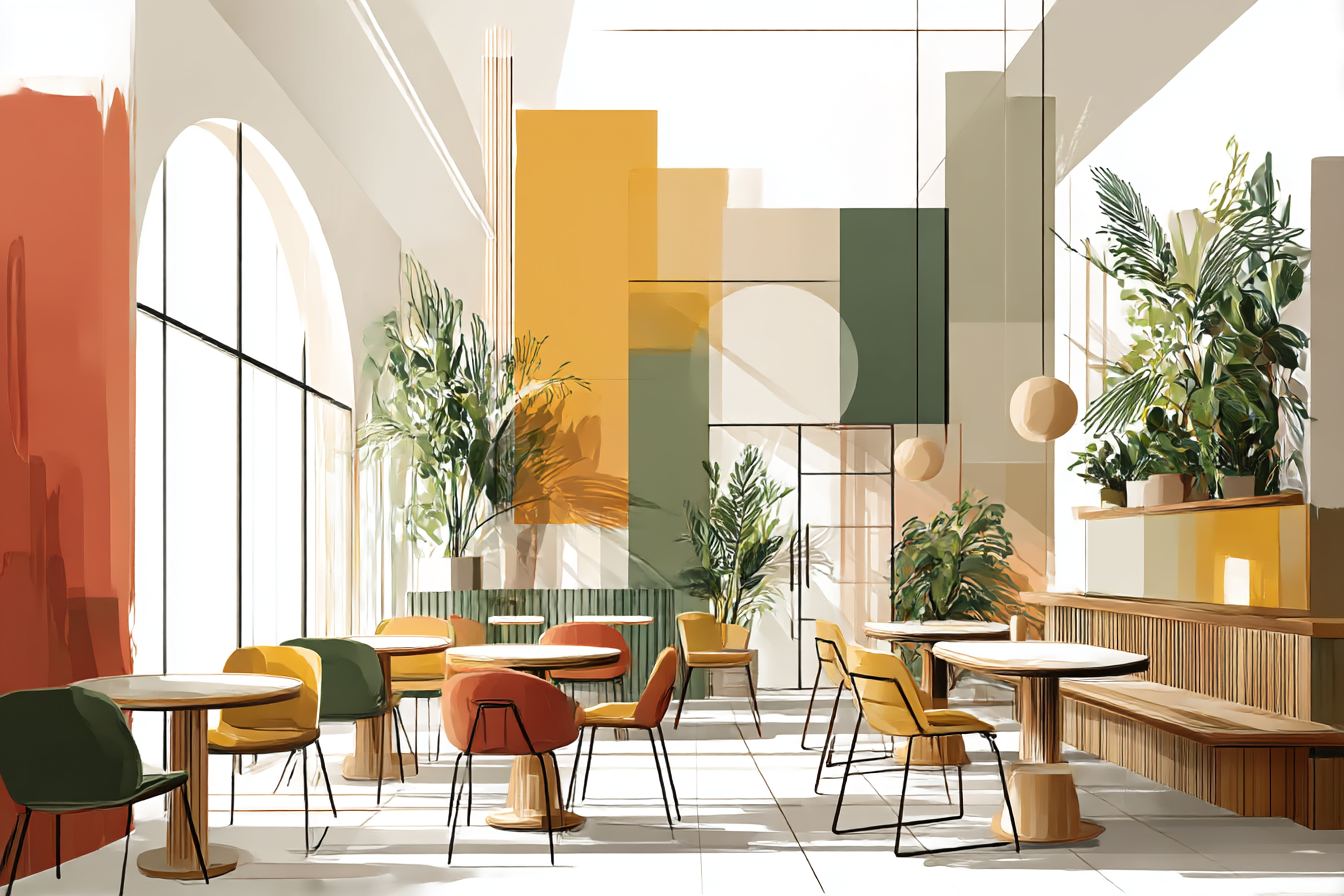
Native species selection was another adventure entirely. Everyone thinks "native" means boring or maintenance-free, but that's not really true. Oregon grape, for instance – gorgeous year-round structure, beautiful yellow flowers, berries that attract birds, natural deer resistance. But it has specific soil pH preferences and doesn't love summer irrigation. You have to understand the plant, not just stick it in the ground and hope for the best.
I made that mistake early on with my courtyard project. Planted a bunch of native sedges in what I thought was perfect habitat, then watched them struggle because I hadn't paid attention to the microclimatic differences within the space. The north side stays cooler and moister; the south side gets hammered by afternoon sun. Same plants, different results. Live and learn, right?
The mycorrhizal network thing isn't as weird as it sounds, by the way. These are naturally occurring fungal connections between plant roots that help them share nutrients and communicate. Forest ecosystems depend on them. But conventional landscaping practices – tilling, fertilizers, pesticides – destroy these networks. Regenerative design works to restore them.
For Sarah's property, we inoculated the soil with specific fungal species appropriate for the plants we were introducing. It's like rebuilding the internet underground. Plants connected to healthy mycorrhizal networks are more drought-resistant, better at resisting diseases, and generally just… happier. I can usually tell when I'm looking at plants growing in soil with active fungal networks versus sterile dirt. There's a vitality difference that's hard to describe but impossible to miss.
The maintenance piece is where regenerative design really shines. Traditional landscapes require constant inputs – water, fertilizer, pest control, replacement plants. They're basically outdoor intensive care units. Regenerative systems get stronger over time. As the soil improves and the plant communities mature, they become more self-sustaining.
My courtyard used to require weekly maintenance from a landscaping crew. Now? I spend maybe an hour a month doing selective pruning and occasionally removing invasive weeds. The system largely takes care of itself. The property manager loves this, obviously, but more importantly, the space has become genuinely useful for the residents instead of just something to look at.
Sarah's kids have become my best collaborators. They're fascinated by the soil testing process, excited about the bird species that are starting to visit, and constantly asking when they can start harvesting from the food plants we incorporated. Children get regenerative design intuitively – they understand that everything's connected, that healthy soil grows healthy plants, that diversity creates resilience.
We're planning to add some food production elements next year.

Not a traditional vegetable garden – more of a food forest approach with fruit trees, berry bushes, herbs, and edible ground covers integrated throughout the design. The plants will fill different ecological roles while also providing food for the family.
This isn't just environmental idealism, though the environmental benefits are significant. Regenerative outdoor spaces store carbon, support biodiversity, manage water naturally, and reduce the need for external inputs. But from a purely selfish human perspective, they create more beautiful, more engaging, more genuinely useful outdoor spaces.
Sarah mentioned the other day that her evening walks around the property have become a daily ritual. She's watching the changes, noticing new growth, observing which plants the bees prefer. That connection – that sense of being part of a living system rather than just maintaining static decoration – might be the most important outcome of the whole project.
The work continues to evolve as the system establishes itself. That's the beauty of regenerative design. You're not creating something finished – you're initiating a process that becomes more complex and more resilient over time.