The morning light was hitting my living room wall in that perfect way again yesterday, casting those familiar leaf patterns I've been watching for months now. You know how sometimes the simplest things can trigger a flood of memories? Well, that's exactly what happened as I sat there with my coffee, watching those shadows dance.
I started thinking about Maria, this corporate wellness director I worked with last year who was absolutely convinced that biophilic design was just expensive landscaping with a fancy name. She'd roll her eyes whenever I mentioned natural materials or daylighting strategies. "My employees need better coffee, not more plants," she'd say. Fast forward eight months after we implemented some strategic changes to their Denver office space, and she's become one of my biggest advocates. Productivity metrics jumped 15%, sick days dropped, and – here's the kicker – their employee satisfaction scores went through the roof.
The thing is, integrating nature into built spaces isn't rocket science, but it's not exactly intuitive either.
I mean, we've spent the better part of a century designing buildings that actively separate us from natural elements. Air conditioning, artificial lighting, sealed windows – all brilliant engineering solutions that accidentally created these sterile boxes we call workplaces and homes.
When I'm working with clients now, I usually start by asking them to think about their favorite room from childhood. Nine times out of ten, they'll describe a space with amazing natural light, views of trees or gardens, maybe some natural textures like wood floors or stone walls. It's never the basement rec room with fluorescent lights and vinyl paneling (though I did have one guy who loved his grandmother's finished basement, but that turned out to be because it had these gorgeous fieldstone walls and a walk-out to her garden).
The trick with biophilic design – and I hate that term sometimes because it sounds so academic – is finding the sweet spot between what research tells us works and what's actually practical to implement. Take lighting, for example. Everyone talks about circadian rhythms and how important natural light is, but if you're dealing with a north-facing office in Minneapolis during winter, you're not exactly swimming in sunshine options.
I learned this the hard way during a project in Chicago three years ago. We had this gorgeous conference room design with floor-to-ceiling windows on the south wall. Perfect for natural light, right? Except come summer, that room turned into a greenhouse. The glare was so bad people couldn't see their laptops, and the temperature swings made meetings miserable. We ended up installing these motorized blinds with sensors that adjust throughout the day, plus some carefully positioned mirrors to bounce softer light into the space. Not exactly the pure nature connection we originally envisioned, but it worked.
Natural materials are another area where I see people get carried away. Yes, touching wood and stone feels good – there's actual research on how different textures affect stress hormones. But you can't just slap reclaimed barn wood on every surface and call it biophilic design. I worked on a restaurant renovation where the owner wanted "rustic natural vibes" and ended up with so much rough-hewn timber that the space felt like a medieval dungeon. We had to strip out about 60% of it and introduce some smoother, lighter materials to balance things out.
You Might Also Like
The water element is probably where I've made the most mistakes over the years. Water sounds amazing in theory – who doesn't love a babbling brook? But indoor water features are maintenance nightmares waiting to happen. I've seen too many lobby fountains turned into expensive planters because nobody wanted to deal with pump failures and algae blooms. Now when clients ask about water features, I usually steer them toward subtler approaches. Maybe it's a rain garden visible through a window, or even just the sound of water through speakers during certain times of day. Sometimes the suggestion of nature works better than the real thing.
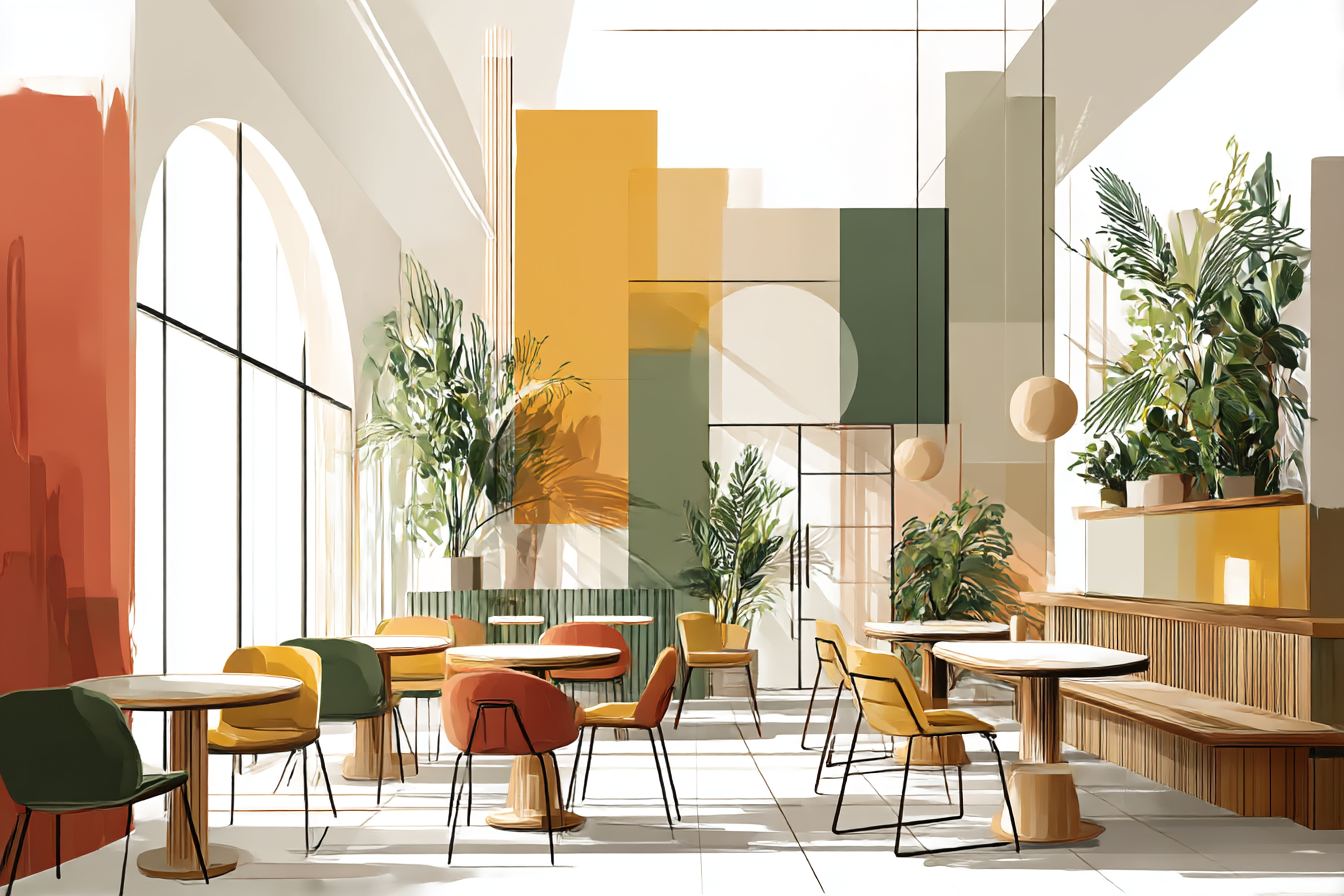
Plants are obviously the most common biophilic element people think of, but honestly? Most people are terrible at keeping plants alive indoors. I can't tell you how many times I've walked into offices where my carefully selected low-light, low-maintenance plant recommendations have become brown, crispy monuments to good intentions gone wrong. These days I spend just as much time talking about plant care and maintenance protocols as I do about species selection.
The real breakthrough happened for me about two years ago when I started focusing on what I call "invisible biophilia." These are interventions that create nature connections without necessarily looking like nature. Fresh air circulation systems that bring in outdoor scents. Acoustic treatments that filter out harsh mechanical sounds. Lighting that shifts colour temperature throughout the day to mirror natural patterns. Materials that age and patina over time instead of looking identical forever.
I'm testing some of these ideas in my own place right now. My kitchen counters are made from this limestone that's slowly developing this beautiful patina from daily use. The bathroom has tiles with subtle organic patterns that remind you of water movement without being literal wave shapes. Nothing screams "look at me, I'm nature-inspired design!" but the space feels more alive somehow.
One of my favorite recent projects involved working with a pediatric therapy clinic in Portland. Limited budget, strict hygiene requirements, but we managed to create these amazing nature connections through strategic window placement, careful material choices, and what I call "borrowed landscapes" – positioning furniture and activity areas to maximize views of the existing trees outside. The therapists report that kids engage longer and transition more easily between activities. Sometimes the simplest interventions have the biggest impact.
The business case for this stuff keeps getting stronger too.
Insurance companies are starting to recognise that biophilic workplaces reduce stress-related claims. Property managers are seeing higher occupancy rates and tenant retention. Even healthcare systems are implementing nature-based design strategies because they're seeing reduced medication needs and shorter recovery times.
What really gets me excited though is seeing people discover their own connections to natural elements. Last month I got an email from this accountant in Phoenix who'd implemented some of my lighting recommendations in his home office. He said he didn't realise how much the harsh fluorescent bulbs had been affecting his mood until he switched to full-spectrum LEDs that dim throughout the evening. Small change, big impact.
The future of this work feels pretty promising. Material science keeps giving us new options – bio-based insulation, furniture made from agricultural waste, paints that actually purify indoor air. But at the end of the day, it all comes back to remembering that humans evolved in natural environments, and our bodies and minds still crave those connections even when we're surrounded by concrete and steel.