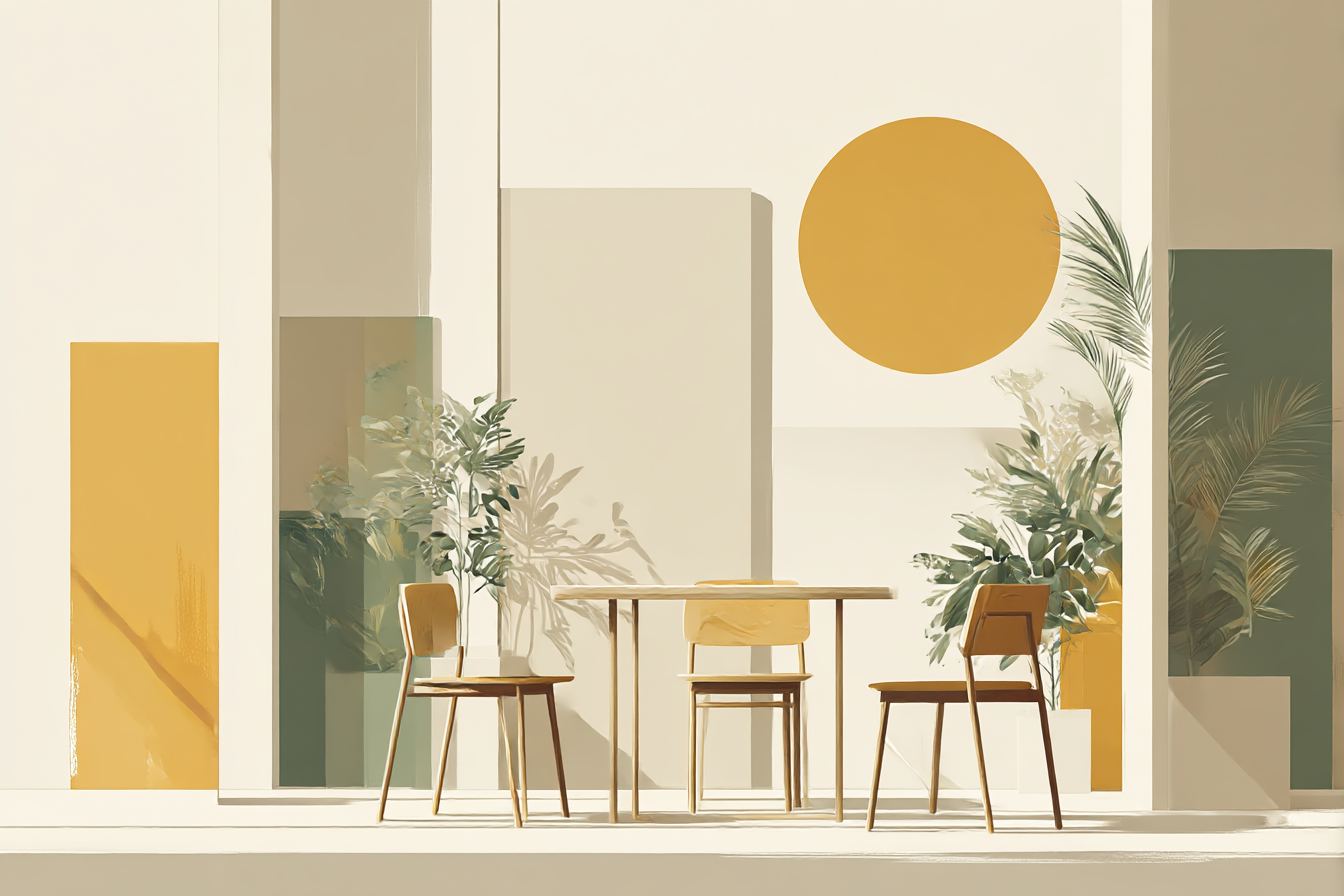
You know that feeling when you walk into a restaurant and something just *clicks*? I had that exact moment three months ago at this little place in Portland called Canopy. I was there for a consultation meeting – honestly dreading another sterile conference room discussion – when the hostess led me through what I initially mistook for an indoor garden centre.
Living walls stretched floor to ceiling, peppered with herbs that the servers actually plucked for garnish. Natural light poured through massive skylights, creating these gorgeous dappled patterns across reclaimed wood tables. But here's what really got me: they'd positioned the seating so every single table had a view of something green, whether it was the central living wall, herb planters, or the courtyard visible through floor-to-ceiling windows.
My blood pressure dropped about ten points just sitting down.
This wasn't some gimmicky "nature theme" restaurant with plastic ivy and forest sounds piped through speakers. This was legitimate biophilic design, and it was working.
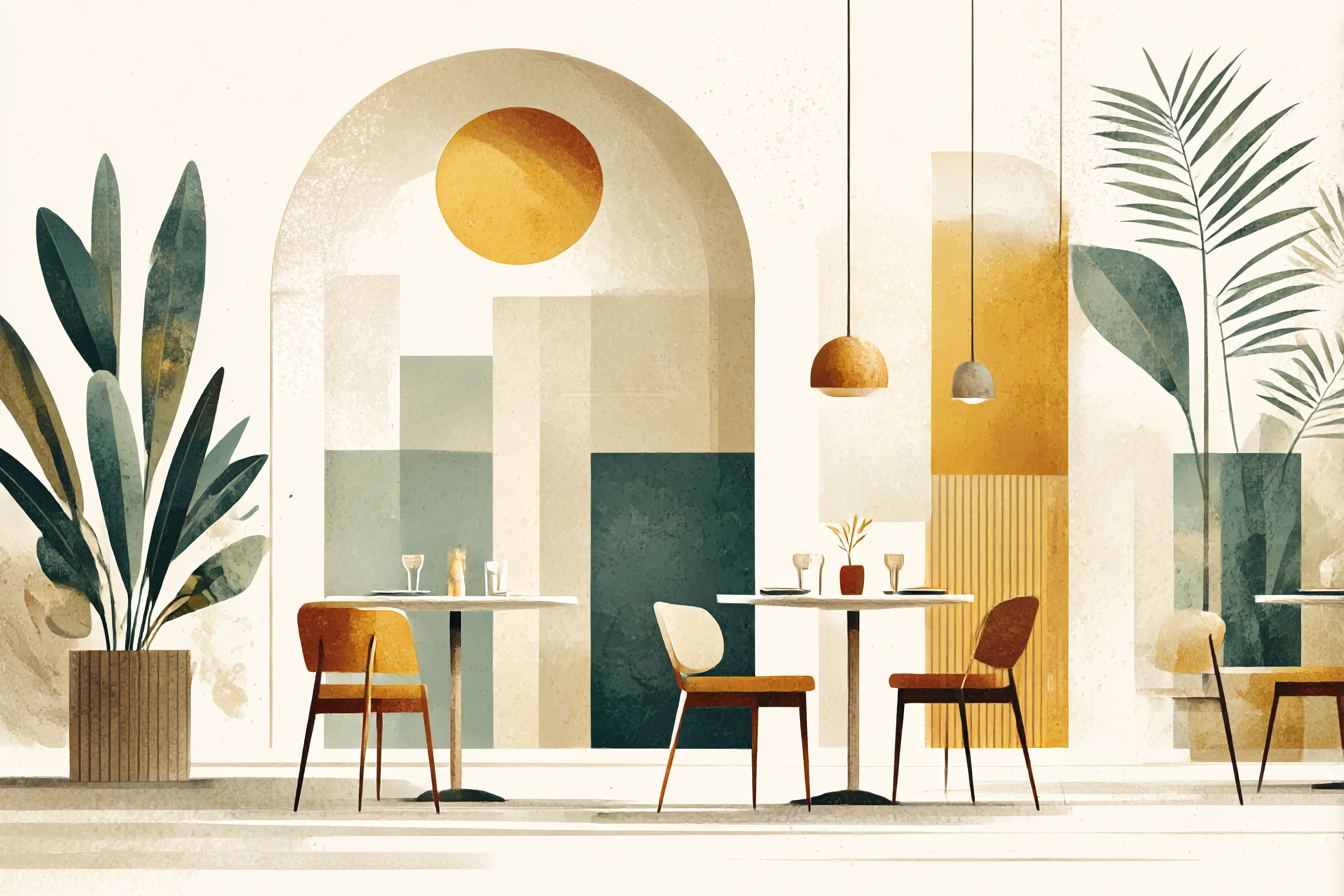
I watched a toddler at the next table become completely mesmerized by a small water feature trickling between river rocks. His parents were actually able to finish their conversation – something any parent will tell you is restaurant gold.
I've been tracking this trend for about five years now, and restaurants are finally catching on to what researchers have been shouting from rooftops: people eat better, stay longer, and return more often when they're surrounded by natural elements. The data is pretty compelling – one study I reference constantly showed a 15% increase in average ticket prices when diners were seated near windows with garden views versus interior tables.
But implementing biophilic design in food service isn't as simple as throwing some plants around and calling it a day. Trust me, I've seen enough failed attempts to fill a Pinterest board of restaurant design disasters.
Last year I consulted on a project where the owners insisted on installing this enormous living wall behind the bar. Looked incredible in renderings. In reality? The humidity wreaked havoc on their liquor labels, soil kept dropping into cocktails, and the irrigation system developed a leak that shut down the entire bar area for three days during their grand opening week. They ended up ripping the whole thing out and replacing it with a printed wallpaper mural of… wait for it… the exact same plants.
The key is understanding that restaurants present unique challenges. You've got temperature fluctuations from kitchens, grease in the air, health department regulations, high traffic areas where delicate plants won't survive, and maintenance staff who already have their hands full without worrying about whether the Boston ferns are getting enough indirect light.
Smart restaurant designers work with these constraints instead of against them. I've seen brilliant solutions using preserved moss walls in high-traffic areas – they provide the visual impact and acoustic benefits of living walls without any maintenance headaches. One place in Denver uses enormous planters on wheels, so they can move their green walls around for private events or seasonal cleaning.
Materials matter enormously in restaurant biophilic design. I always push clients toward wood species that can handle daily sanitizing without losing their character. Teak and white oak work beautifully, developing this gorgeous patina over time. Bamboo can be fantastic too, though you need to seal it properly or it'll absorb every cooking smell in the building.
You Might Also Like
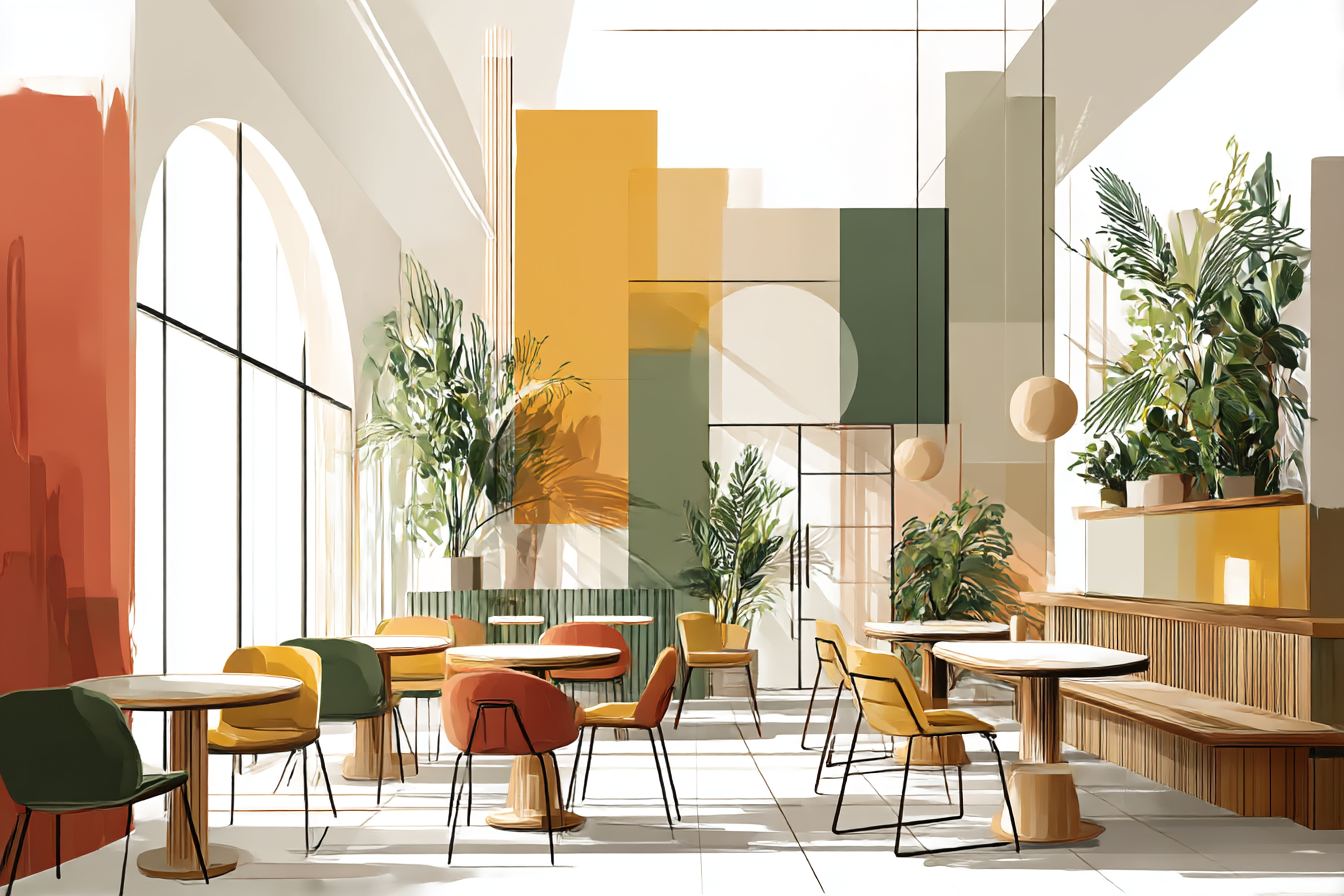
Natural stone creates these wonderful textural contrasts, but here's something most designers miss – the acoustic properties. A well-placed stone feature wall doesn't just look earthy, it actually helps control noise levels in ways that painted drywall never could. I learned this the hard way when a client complained their dining room felt like "eating inside a gymnasium." Added some fieldstone accent walls and suddenly conversations became possible again.
Lighting is where restaurants can really shine with biophilic approaches. I'm obsessed with circadian lighting systems that mimic natural light patterns throughout the day. Warmer light in the evening creates this cozy, intimate atmosphere that keeps people lingering over dessert and after-dinner drinks. But during lunch service, cooler light that mimics midday sun actually helps people make better food choices – there's fascinating research on this.
One of my favorite recent projects involved retrofitting a 1960s coffee shop in Minneapolis. The owners wanted to honour the building's mid-century character while creating a more nature-connected space. We kept the original terrazzo floors (which have these amazing aggregate patterns that almost look like river pebbles) and added floor-to-ceiling windows where solid walls used to be.
The genius move was installing raised planters that doubled as booth dividers. Diners get privacy without feeling boxed in, the plants thrive in the natural light from new windows, and the restaurant gained about twenty percent more seating capacity. Win-win-win.
Water features in restaurants require serious thought. Done right, they're magical – the sound masks kitchen noise and creates this incredibly soothing atmosphere. Done wrong, they're bacterial breeding grounds that'll shut you down faster than you can say "health inspector." I typically recommend sealed systems with UV sterilization and easy access for regular cleaning. Not romantic, but neither is a hepatitis outbreak.
I'm seeing more restaurants embrace edible landscaping, which makes perfect sense when you think about it. Why not grow your garnishes and herbs on-site? There's something deeply satisfying about watching a server snip fresh basil from a windowsill garden for your caprese salad. Plus, it's the ultimate farm-to-table credibility.
The psychological impact runs deeper than most people realise. I've documented dozens of cases where biophilic restaurant design measurably improved customer satisfaction scores, reduced complaint frequency, and increased average dining duration.
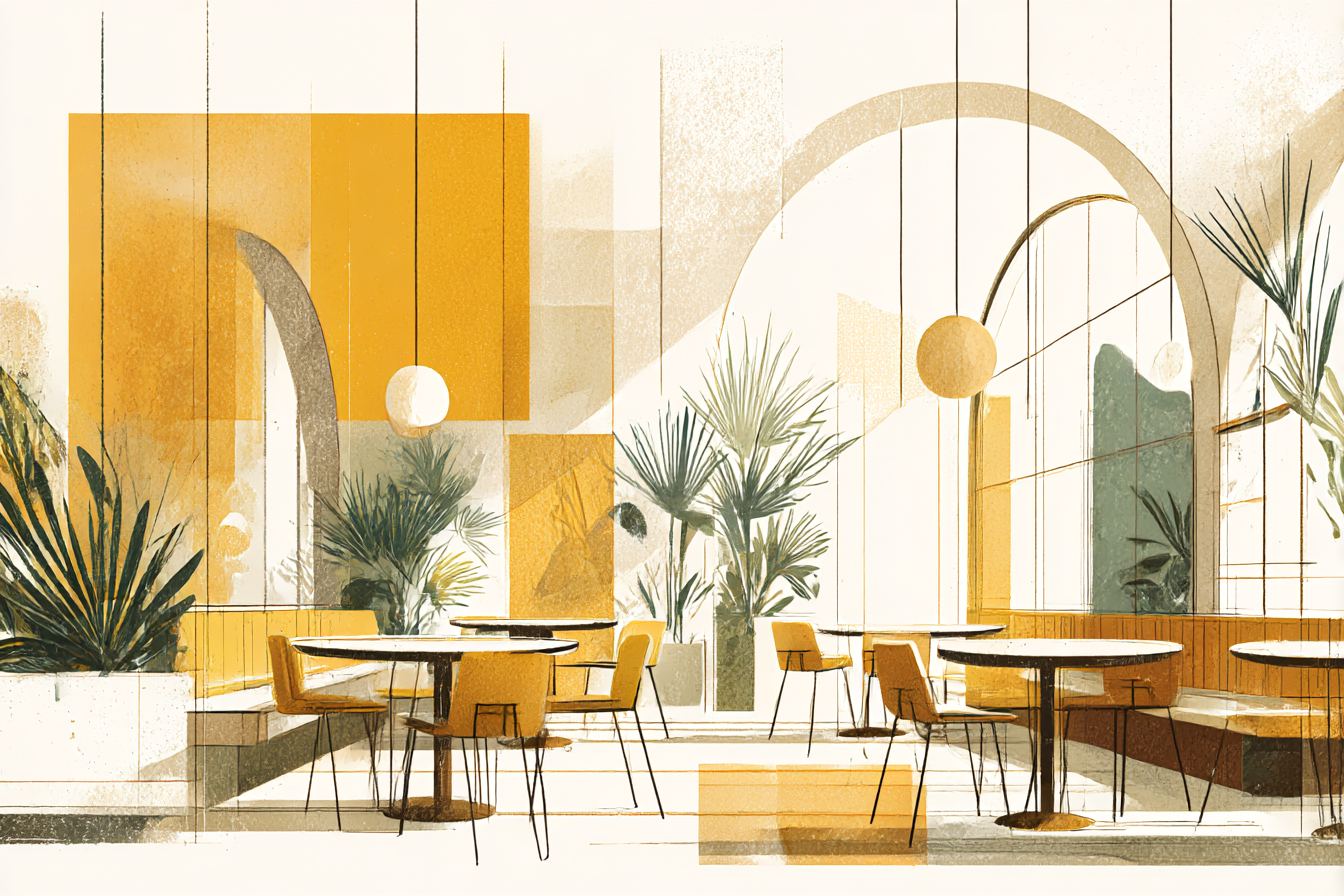
People aren't just eating food in these spaces – they're having experiences that connect them to something larger than themselves.
Children especially respond to nature-integrated dining spaces. I've watched kids who were having meltdowns in traditional restaurants become completely calm when presented with interesting natural textures to explore or small aquatic features to observe. Parents notice this immediately and become incredibly loyal customers.
The maintenance aspect can't be ignored, but it's not the dealbreaker many restaurant owners assume. Success comes down to choosing appropriate plant species for each microenvironment within the restaurant. Low-light tolerant plants near interior seating, humidity-loving species near kitchen areas, and hardy varieties in high-traffic zones.
What excites me most is seeing independent restaurants embrace these principles without massive budgets. You don't need living walls or water features to create biophilic dining experiences. Sometimes it's as simple as maximizing views of existing street trees, choosing tables made from locally sourced wood, or installing full-spectrum lighting that makes food look more appealing while supporting people's natural rhythms.
The restaurant industry is finally recognising that dining isn't just about food – it's about creating spaces where people want to gather, connect, and feel genuinely nourished. Biophilic design delivers that in ways that purely aesthetic approaches simply can't match.