Last week, I was sitting in my dentist's waiting room – you know, that sterile fluorescent-lit purgatory where time moves backward – when I noticed something peculiar. There was this one corner where natural light streamed through a tall window, and literally every patient who walked in gravitated toward those chairs. Even when there were plenty of seats under the harsh overhead lighting, people chose to wait in that sunny spot.
It got me thinking about something I've been obsessing over lately: how we're hardwired to seek natural light, yet most of our built environments seem designed to fight against this basic human need. I mean, we spend roughly 90% of our lives indoors, but somehow we've convinced ourselves that artificial lighting is "good enough."
Here's the thing – it's not just about preference. There's actual science behind why that dentist office window felt so much better than those buzzing fluorescents. Our circadian rhythms, those internal biological clocks that regulate everything from sleep to hormone production, are intimately connected to natural light cycles.
When we disrupt those patterns with constant artificial illumination, we're essentially telling our bodies it's perpetually 3pm on a cloudy Tuesday.
I learned this the hard way during my early days in Philadelphia. My first apartment was in a converted warehouse – super trendy, exposed brick, the works – but it had exactly two small windows facing an alley. I thought I could compensate with good task lighting and some of those full-spectrum bulbs everyone raves about. Six months in, I was a zombie. Couldn't focus, felt tired all the time, and my houseplants looked about as miserable as I felt.
The turnaround came when I started paying attention to how light actually moves through spaces throughout the day. Natural light isn't static – it changes colour temperature, intensity, and direction constantly. Morning light tends to be cooler and bluish, which helps us wake up and stay alert. Evening light becomes warmer and reddish, signaling our bodies to wind down. Those expensive "daylight" bulbs I'd installed? They were blasting me with the same cool-toned light at 10pm that my body expected at 10am.
This is where biophilic lighting gets really interesting. Instead of fighting against our biology, we can design lighting systems that work with it. I've been experimenting with circadian lighting in my current space – LED fixtures that automatically adjust colour temperature and intensity throughout the day, mimicking natural sunlight patterns. The difference is remarkable. I sleep better, think clearer, and honestly, I just feel more… human.
But here's where most people get it wrong – they think biophilic lighting is just about buying the right fixtures. That's like thinking good nutrition is about expensive supplements. The foundation has to be maximizing actual daylight first.
Take my friend Sarah's home office renovation. She called me last spring, completely frustrated because she couldn't concentrate while working from home. Her desk was positioned against a wall with overhead track lighting – technically adequate illumination, but it felt like working in a cave. We moved her workspace perpendicular to the window instead of parallel to it, which eliminated screen glare while giving her peripheral access to changing outdoor light. Added a small mirror opposite the window to bounce more natural light deeper into the room. Total cost? About forty bucks. The improvement in her productivity and mood was immediate.
You Might Also Like

Of course, not everyone has the luxury of abundant natural light. My brother lives in a basement apartment in Brooklyn – great rent, terrible windows. For spaces like his, I focus on what I call "light layering." Instead of relying on one central fixture, we created multiple light sources at different heights and with different qualities. A floor lamp with warm light for evening reading, task lighting with cooler tones for detailed work, and indirect uplighting that bounces off the ceiling to create a sense of spaciousness.
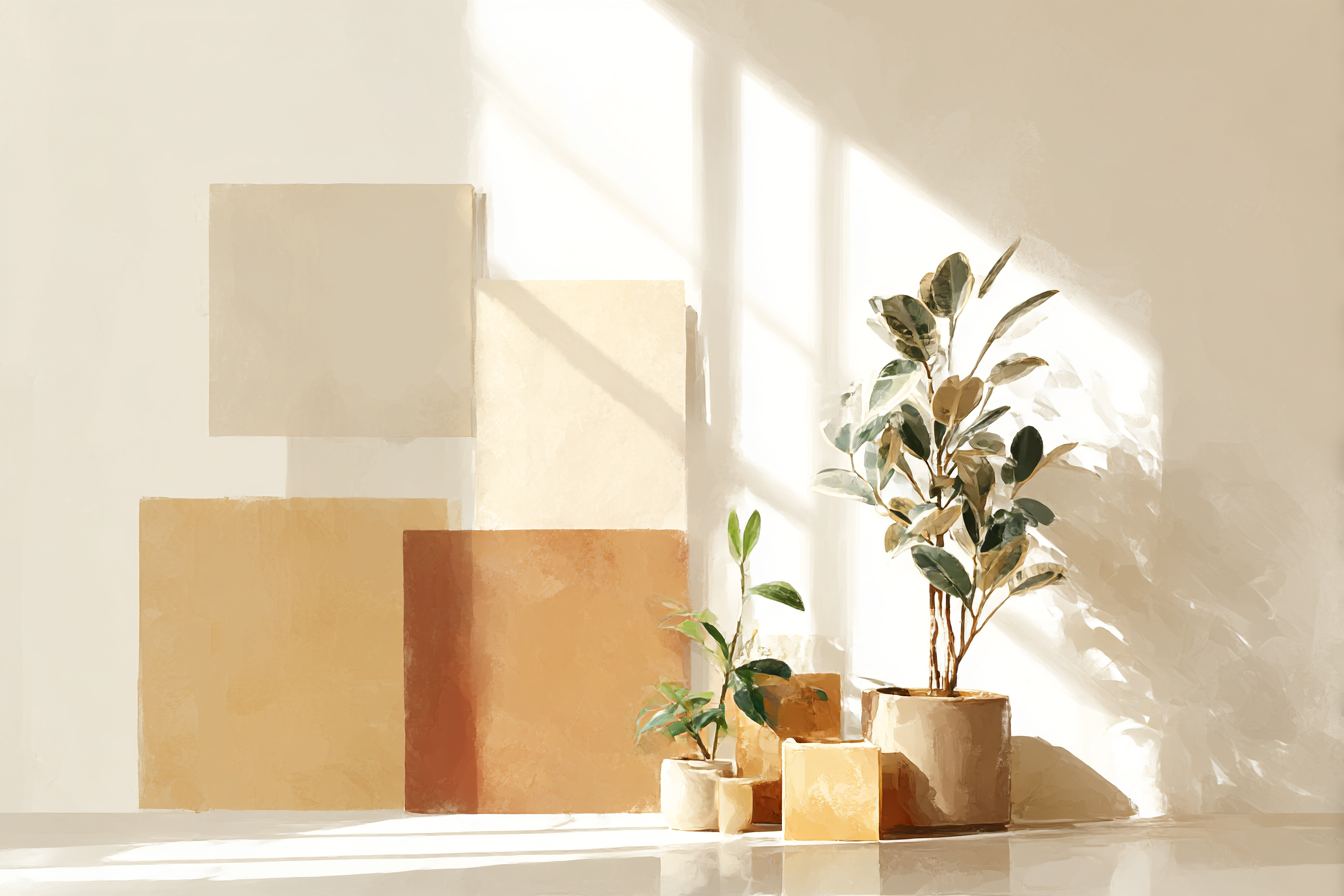
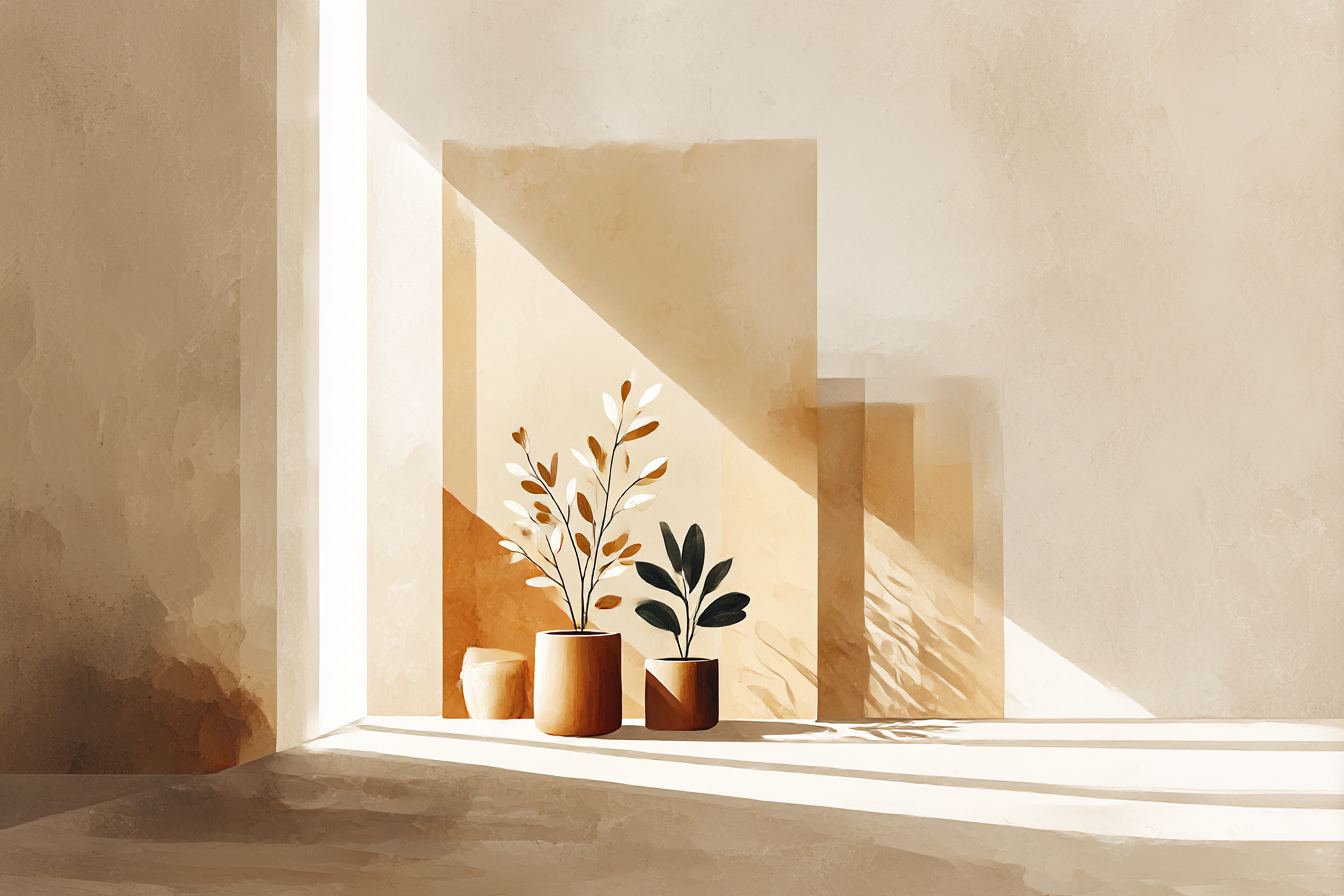
The real game-changer was incorporating plants into the lighting strategy. Sounds weird, but hear me out. Plants don't just look nice – they create visual depth and natural shadows that make artificial light feel more organic. We positioned a few larger plants near his windows to create interesting shadow patterns on the walls, kind of like that Japanese maple from my childhood. The psychological effect was stunning. Even though the space was still artificially lit, it felt connected to natural processes.
This brings up something most lighting designers won't tell you – colour rendering matters enormously. You've probably experienced this in retail stores where everything looks great under their lights but terrible when you get home. Standard LED bulbs, even good ones, often have poor colour rendering indices (CRI). They might produce the right amount of light, but they don't reveal colours the way sunlight does. I always recommend investing in high-CRI fixtures for primary living spaces. Yes, they cost more upfront, but the difference in how your space feels is worth every penny.
I've also become fascinated with how different surfaces interact with light. Matte finishes diffuse light more naturally than glossy ones. Natural materials like wood and stone reflect light differently than synthetic alternatives – there's actually research showing that people find naturally-lit wood surfaces more visually comfortable than plastic or metal under the same lighting conditions. In my own space, I've started incorporating more textured surfaces specifically to create interesting light interactions. A rough-hewn wooden beam casts completely different shadows than a smooth drywall soffit.
Water features add another dimension entirely. The way light plays across moving water creates what researchers call "non-rhythmic sensory variability" – basically, gentle, unpredictable movement that our brains find deeply calming. I installed a small tabletop fountain near my desk, not for the sound (though that's nice) but for the way afternoon light dances across its surface. It's like having a tiny piece of a forest stream indoors.
Here's something most people don't consider: seasonal light changes. Those big south-facing windows that feel perfect in winter can become uncomfortably bright in summer. I've learned to think about window treatments not just as privacy solutions but as light management tools. Adjustable shutters, layered curtains, or even deciduous plants outside windows can help modulate natural light throughout the year.
The health implications go way beyond just feeling good.
Proper light exposure helps regulate melatonin production, which affects everything from immune function to cancer risk. There's emerging research on how circadian lighting might help with everything from seasonal depression to cognitive decline in elderly populations. I recently consulted on a memory care facility where they installed circadian lighting systems, and staff reported noticeable improvements in residents' sleep patterns and general alertness.
What excites me most is how accessible good biophilic lighting can be. You don't need smart home systems or expensive fixtures. Sometimes it's as simple as repositioning furniture, changing lampshades, or adding reflective surfaces in strategic locations. The key is understanding that light isn't just about visibility – it's about creating environments that support our biological and psychological well-being.
Every morning when I wake up to gradually brightening light instead of an abrupt alarm, I'm reminded of why this matters. We've gotten so disconnected from natural rhythms that we've forgotten how much better we feel when we align our spaces with them. Good biophilic lighting doesn't just illuminate our homes – it illuminates our lives.