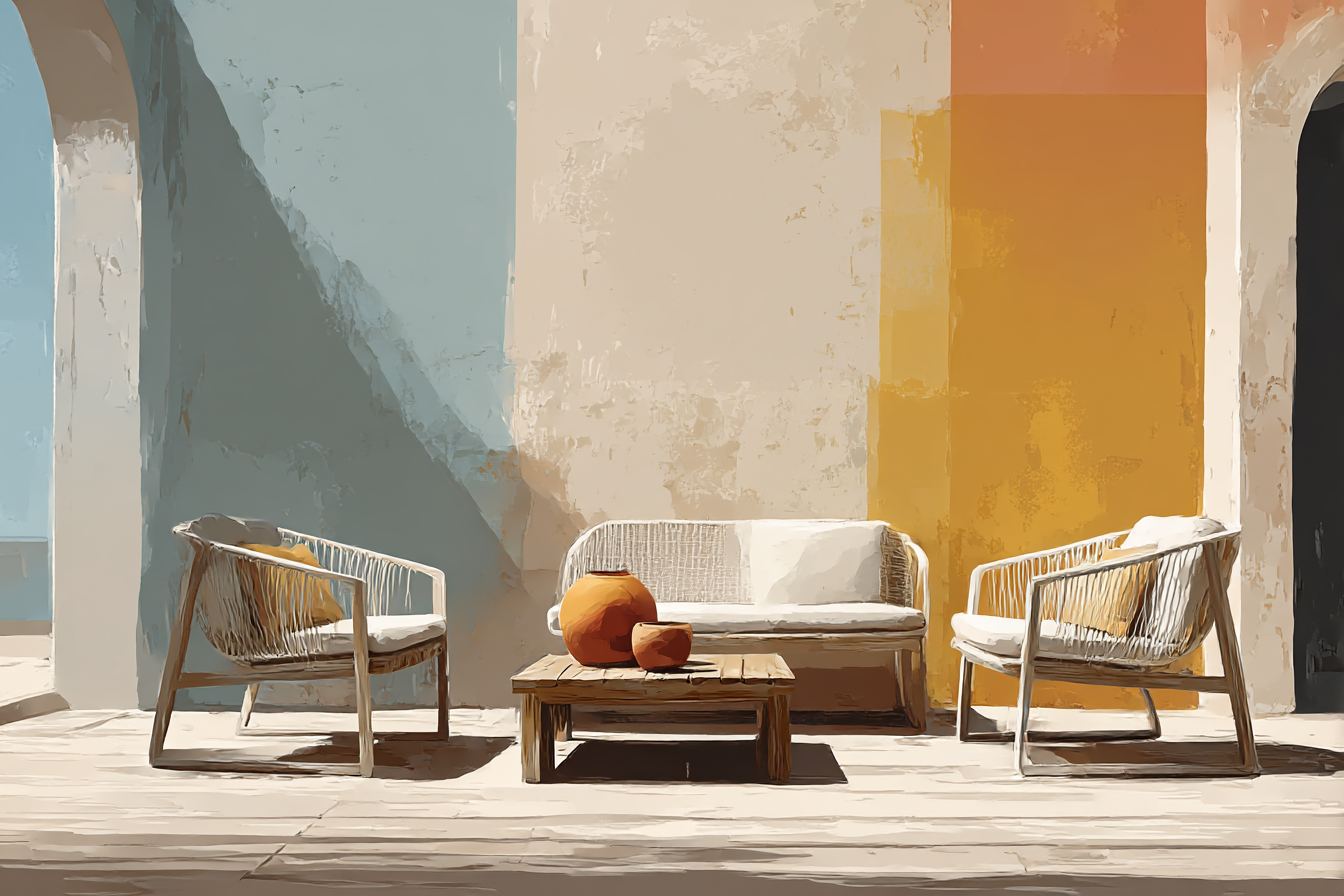
When my neighbour Sarah decided to redo her back patio last spring, she called me over to look at what she was considering. "I want that relaxed California coastal vibe," she said, scrolling through Pinterest images of perfectly styled outdoor spaces. "You know, like those Malibu beach house patios you see in magazines." I had to laugh a little because here we were in Phoenix, about as far from the ocean as you can get, but I understood what she meant. There's something about that effortless, weathered elegance of coastal outdoor furniture that just makes you want to grab a book and settle in for the afternoon.
What caught my attention wasn't just her design goals, though. Sarah had done her homework on sustainability too. She'd been researching eco-friendly outdoor furniture options and wanted pieces that wouldn't contribute to environmental problems while still capturing that laid-back Southern California aesthetic. Smart woman. As someone who spends way too much time thinking about how our material choices affect both our immediate environment and the bigger picture, I was excited to help her navigate the options.
The thing about coastal style furniture is that it's supposed to look like it's been sitting by the ocean for years, gently weathered by salt air and sun.
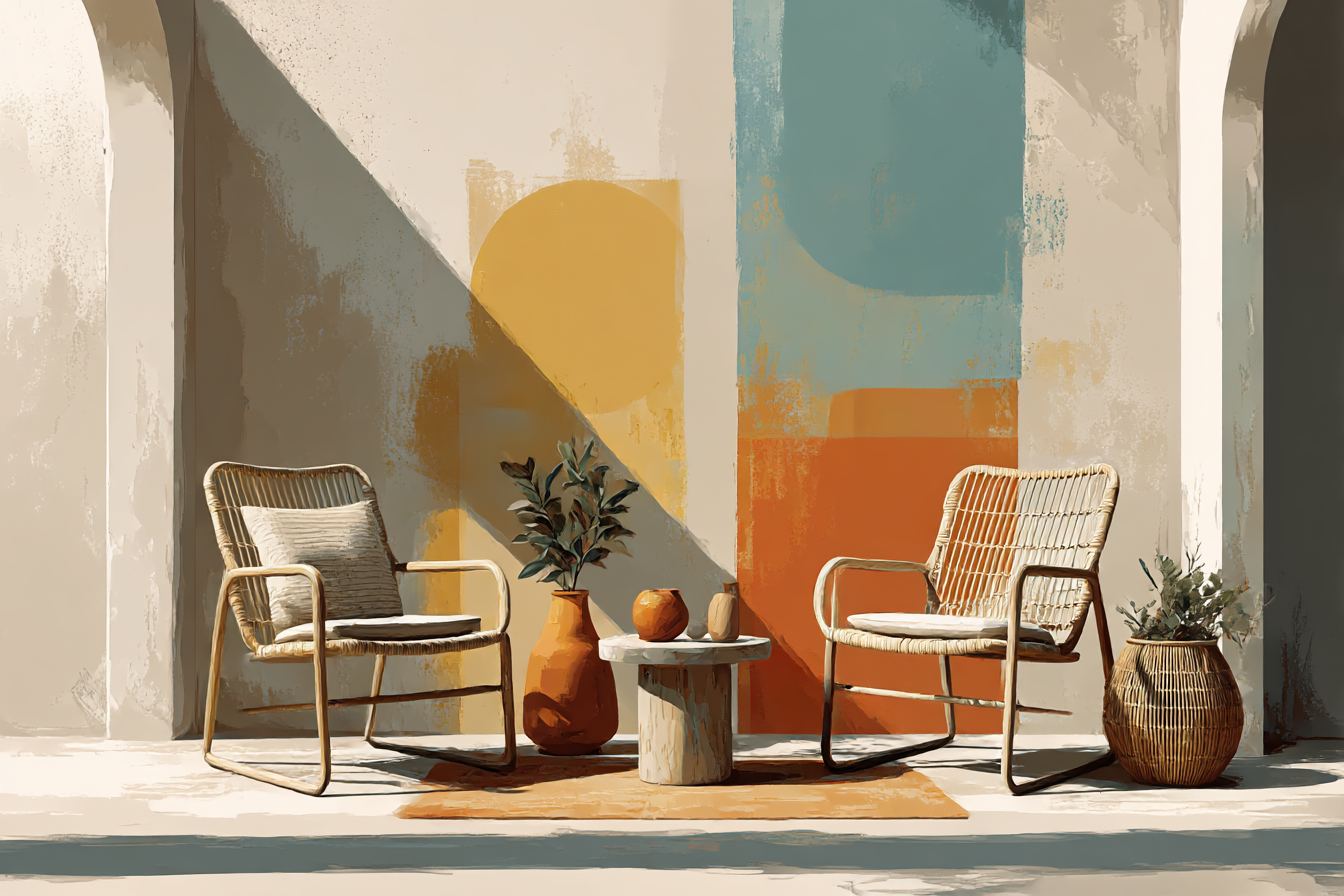
Ironically, achieving this look sustainably often means choosing materials that are actually more durable than the originals they're mimicking. Real coastal weather is brutal on outdoor furniture. I've seen gorgeous teak pieces turn grey and crack after just a couple seasons of intense UV exposure and temperature swings.
Sarah's first instinct was to look for reclaimed wood pieces, which makes sense from a sustainability standpoint. We found some beautiful dining sets made from reclaimed teak and eucalyptus that had been salvaged from old buildings and boats. The patina was gorgeous, that silvered grey that screams "beachside cottage." But here's what I learned helping her research this stuff: not all reclaimed wood is created equal. Some suppliers are legitimate operations carefully salvaging quality materials, while others are basically selling you weathered scraps with fancy marketing.
I ended up spending a weekend with her visiting showrooms and asking pointed questions about sourcing. One place claimed their "reclaimed" teak came from "sustainably managed forests," which is marketing speak that could mean almost anything. Another shop had documentation showing their wood came from deconstructed Indonesian buildings, complete with photos of the original structures. That's the kind of transparency you want when you're trying to make responsible choices.
The real eye-opener was discovering companies making coastal-style furniture from recycled plastic lumber. I'll admit, I was skeptical at first. Plastic outdoor furniture usually screams "cheap patio set from a big box store," not "elegant Malibu retreat." But the high-quality recycled plastic lumber products we looked at were genuinely impressive. They're made from post-consumer waste like milk jugs and detergent bottles, processed into boards that look remarkably like weathered wood.
Sarah ended up choosing a dining set and lounge chairs made from this recycled plastic lumber, and honestly, you can't tell the difference unless you touch it. The texture is slightly different from wood, but the colour variations and weathered appearance are spot-on. Plus, and this is huge for our climate, it won't crack, fade, or require any maintenance. No staining, no sealing, no worrying about UV damage. Just hose it off when it gets dusty.
The cushion situation was trickier. Outdoor cushions take a beating, especially here where we get both intense sun and dramatic temperature swings. Sarah wanted to avoid foam made from petroleum-based chemicals, but natural alternatives like organic cotton batting don't hold up well to moisture and temperature extremes. We found a compromise in cushions filled with recycled plastic fibre fill and covered in solution-dyed acrylic fabrics that resist fading and mildew.
You Might Also Like
Solution-dyed is worth understanding if you're shopping for outdoor textiles. Instead of dyeing the fabric after it's woven, the colour is added to the polymer before the fibres are extruded. The result is colour that goes all the way through the fibre rather than just coating the surface, which means much better fade resistance. The fabrics we chose were made from recycled acrylic fibres, so we got durability and sustainability in the same package.
For accent pieces, Sarah found some fantastic options made from sustainable bamboo. Not furniture exactly, but planters, side tables, and decorative elements that added natural texture without the environmental concerns of tropical hardwood harvesting. Bamboo grows incredibly fast compared to traditional hardwoods, making it a genuinely renewable resource when it's harvested responsibly.
The lighting choices were fun to research. Solar powered string lights and lanterns have gotten so much better in recent years. Sarah installed warm white LED string lights that charge during the day and automatically come on at dusk, creating that magical golden hour ambiance that makes coastal patios so inviting. No electrical work required, no energy costs, and they've been running reliably for months now.
One thing I pushed Sarah to consider was buying fewer, higher-quality pieces rather than filling the space with less expensive items. This goes against the typical consumer mindset, but it's better environmentally and financially in the long run. A well-made piece of sustainable outdoor furniture might cost more upfront, but if it lasts 15 years instead of 3, you're ahead on both money and environmental impact.
We also talked about supporting companies with genuine environmental commitments rather than just green marketing. Some manufacturers plant trees to offset their carbon emissions, use renewable energy in their facilities, or contribute portions of profits to ocean cleanup efforts.

It takes a little research to separate the real commitments from the greenwashing, but it's worth doing if sustainability matters to you.
The finished patio really does capture that relaxed coastal vibe Sarah was after. The weathered grey tones of the furniture, the natural textures, and the casual arrangement create a space that feels like it could be overlooking the Pacific instead of the Sonoran Desert. Friends consistently comment on how peaceful and inviting it feels, which I think is the real test of good outdoor space design.
Sarah's project taught me that creating an eco-friendly coastal style patio isn't about compromising on aesthetics or quality. The sustainable options available now are genuinely competitive with conventional furniture in terms of both looks and performance. In many cases, they're actually superior because they're designed to handle outdoor conditions without the maintenance headaches of traditional materials.
If you're considering your own coastal-inspired outdoor space, start by thinking about durability and maintenance requirements for your specific climate. Choose materials that will age gracefully rather than just falling apart. Look for companies that can document their sustainability claims with specifics rather than vague marketing language. And remember that the most sustainable furniture is the kind you'll still love and use years from now.