My client Sarah called me last Tuesday, absolutely frantic. She'd just moved into a new place and was trying to furnish it without completely destroying her budget or the planet. "I need a king mattress set," she said, "but everything I'm finding is either ridiculously expensive organic stuff that costs more than my car payment, or cheap junk that'll probably off-gas chemicals for months."
I get this question more often than you'd think. People assume that since I focus on building performance and environmental issues, I must know everything about eco-friendly furniture. Truth is, I didn't really dive into the mattress world until my own cheap foam mattress started making my bedroom smell like a chemical factory three years ago. That experience sent me down a rabbit hole of research into what exactly goes into the things we sleep on for eight hours every night.
Ashley Furniture keeps coming up in these conversations because, honestly, they're everywhere. You can't drive through most American suburbs without passing one of their massive showrooms.
What surprised me when I started digging into their offerings was that they've actually made some genuine moves toward more sustainable options, though you have to know what to look for.
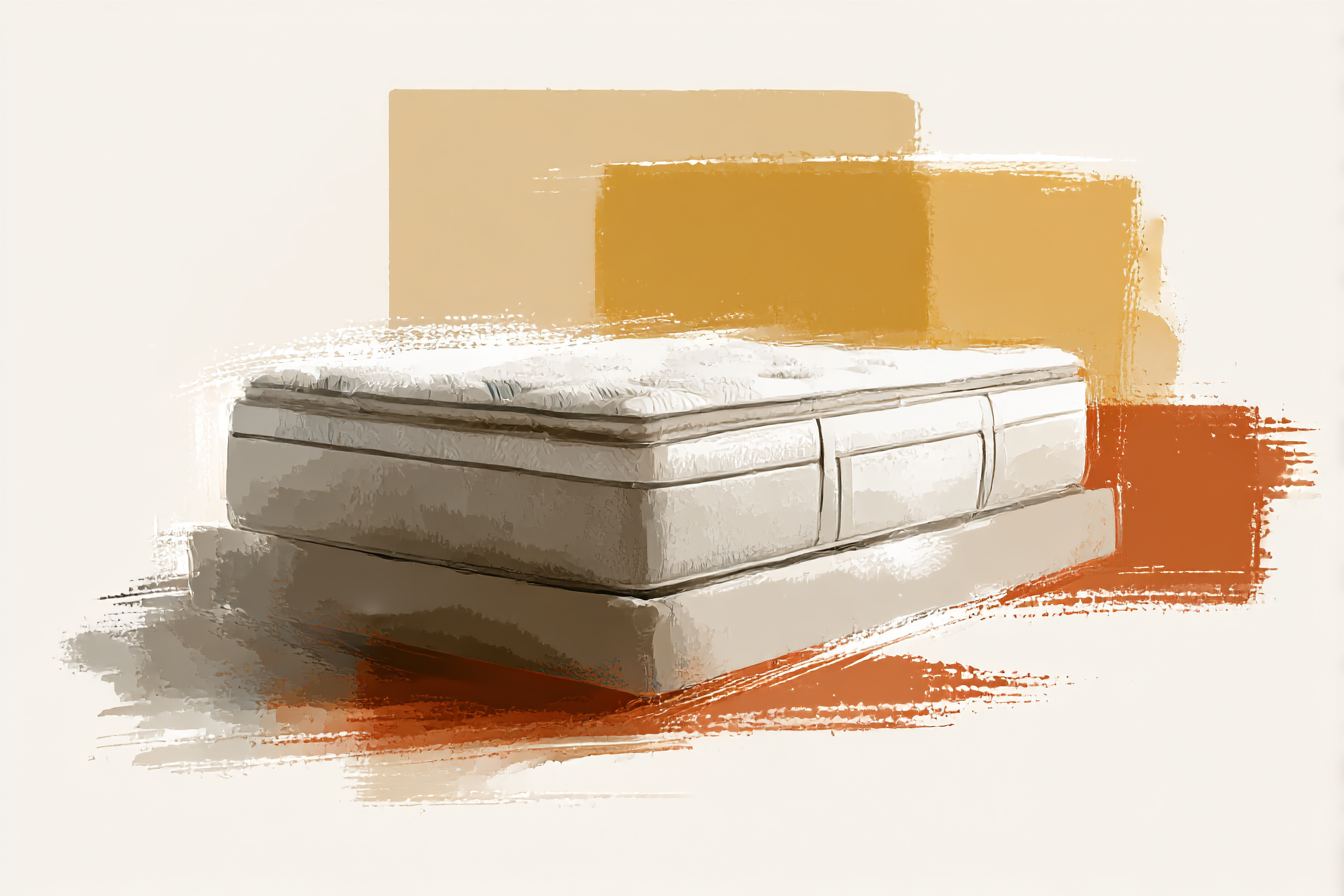
Their hybrid mattresses caught my attention first. Now, I'm not talking about some marketing gimmick here. These combine traditional innerspring coils with layers of memory foam, but the key difference is in the foam formulation. Ashley's started using CertiPUR-US certified foams in several of their lines, which means the foam is made without ozone depleters, PBDE flame retardants, mercury, lead, heavy metals, formaldehyde, or phthalates. Basically, all the nasty stuff that was making my old mattress smell like a chemistry lab.
I tested this theory in my own guest bedroom last year. My parents visit frequently (too frequently, my wife would say), and our old guest mattress was this ancient thing that probably contained materials banned since the Carter administration. I picked up one of Ashley's Chime hybrid mattresses, partly because it was affordable and partly because I wanted to see if their environmental claims held up.
The difference was immediate. No off-gassing smell, which was my biggest concern. The construction felt solid without being overly firm, and after six months of regular use by various guests, it's holding up well. More importantly, my mother stopped complaining about back pain after staying over, which alone made the purchase worthwhile.
But here's what really impressed me about Ashley's approach: they're not charging premium prices for their more sustainable options. This matters because green products that only wealthy people can afford don't actually solve environmental problems at scale. When I was helping Sarah shop, we found king-size sets starting around $400 for their basic eco-friendly options. That's not pocket change, but it's competitive with conventional mattresses of similar quality.
Their memory foam mattresses deserve mention too. Ashley's moved toward plant-based foam in several lines, replacing some of the petroleum-based materials with soy-based alternatives. I'll be honest, I was skeptical at first. Soy foam sounds like something you'd find at a hippie commune, not something that would provide decent support night after night. But the chemistry actually makes sense when you understand how polyurethane foam works.
Traditional memory foam uses petroleum-based polyols. Plant-based foam substitutes soy-derived polyols for some portion of the petroleum ingredients. You're still getting polyurethane foam with similar properties, but with a smaller carbon footprint and potentially fewer volatile organic compounds. It's not revolutionary, but it's a meaningful improvement that doesn't sacrifice performance.
You Might Also Like
I've slept on Ashley's plant-based foam mattresses during store testing (yes, I'm that person who actually lies down on mattresses in showrooms), and the feel is virtually identical to conventional memory foam. Maybe slightly less of that sinking-into-quicksand sensation, which I actually prefer. The recovery time seems a bit faster too, though that could be my imagination.
What I really appreciate about Ashley's environmental efforts is their transparency about what they're doing and what they're not doing. They're not claiming to be the most eco-friendly furniture company on Earth or using vague terms like "natural" without explanation. Their product descriptions clearly state which certifications their foams have, what materials they use, and where their products are manufactured.
Speaking of manufacturing, Ashley produces many of their mattresses domestically, which reduces shipping impacts and supports local manufacturing jobs. Their Chime line is made in the United States, and several other collections are assembled here using both domestic and imported components. This isn't purely an environmental decision, but it does reduce the carbon footprint compared to mattresses shipped from overseas.
The durability factor matters too when we're talking about environmental impact. A mattress that lasts twelve years instead of six obviously has half the environmental impact per year of use. Ashley offers decent warranties on their mattresses, typically eight to ten years, and from what I've observed, they honour these warranties without making customers jump through ridiculous hoops.
I helped a neighbour deal with a warranty claim last year when her Ashley mattress developed a significant impression after eighteen months. The process was straightforward: photos, measurements, and a replacement mattress delivered within two weeks. No fighting, no accusations of abuse, just professional service. This kind of warranty support makes their mattresses a better long-term investment.
For people specifically looking for organic materials, Ashley's options are more limited. They don't manufacture truly organic mattresses with certified organic cotton covers and natural latex cores. If that's what you need, you'll probably have to look elsewhere and pay considerably more.
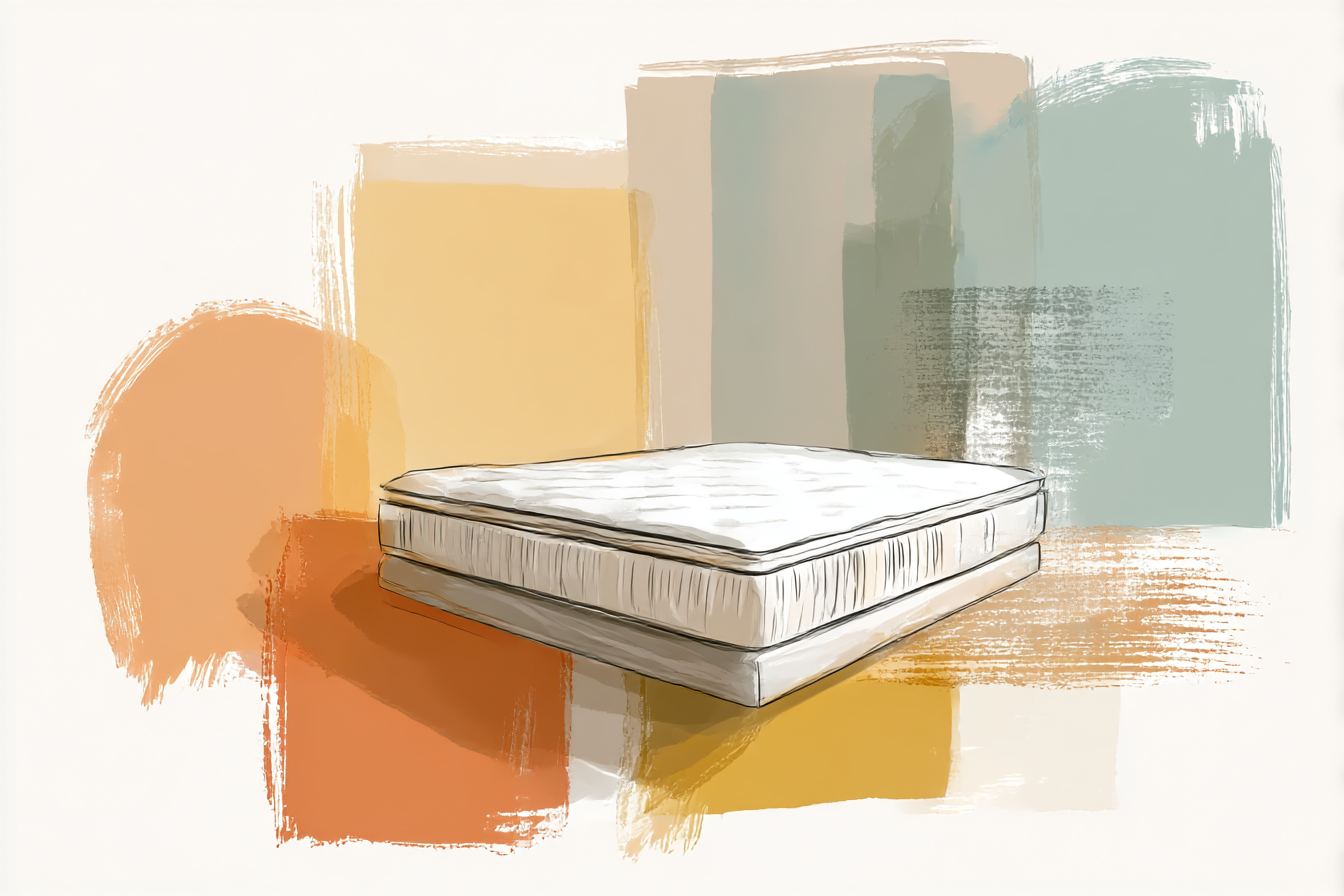
But for most people, the certified foam and responsible manufacturing practices represent a significant improvement over conventional mattresses without the premium price tag.
The foundation and frame options matter too. Ashley offers platform bed frames and adjustable bases that work well with their eco-friendly mattresses. I particularly like their solid wood platform beds, which eliminate the need for box springs and provide excellent support for memory foam and hybrid mattresses. Solid wood furniture generally lasts longer and has lower environmental impact than particle board alternatives.
My advice when shopping Ashley's eco-friendly mattress options: focus on the CertiPUR-US certified foams, consider the hybrid models for better durability and airflow, and don't get too caught up in marketing terms. Look for specific certifications and clear material descriptions rather than vague environmental claims.
The reality is that truly sustainable furniture is still evolving, and perfect options don't exist yet at mainstream price points. Ashley's environmental offerings represent practical progress rather than perfection, which honestly feels more achievable for most families than $3,000 organic mattresses that may or may not perform better.
Sarah ended up with one of their hybrid king sets for under $600, and she's been sleeping well on it for eight months now. No regrets, no chemical smells, and her budget survived intact. Sometimes that's exactly what environmental progress looks like.