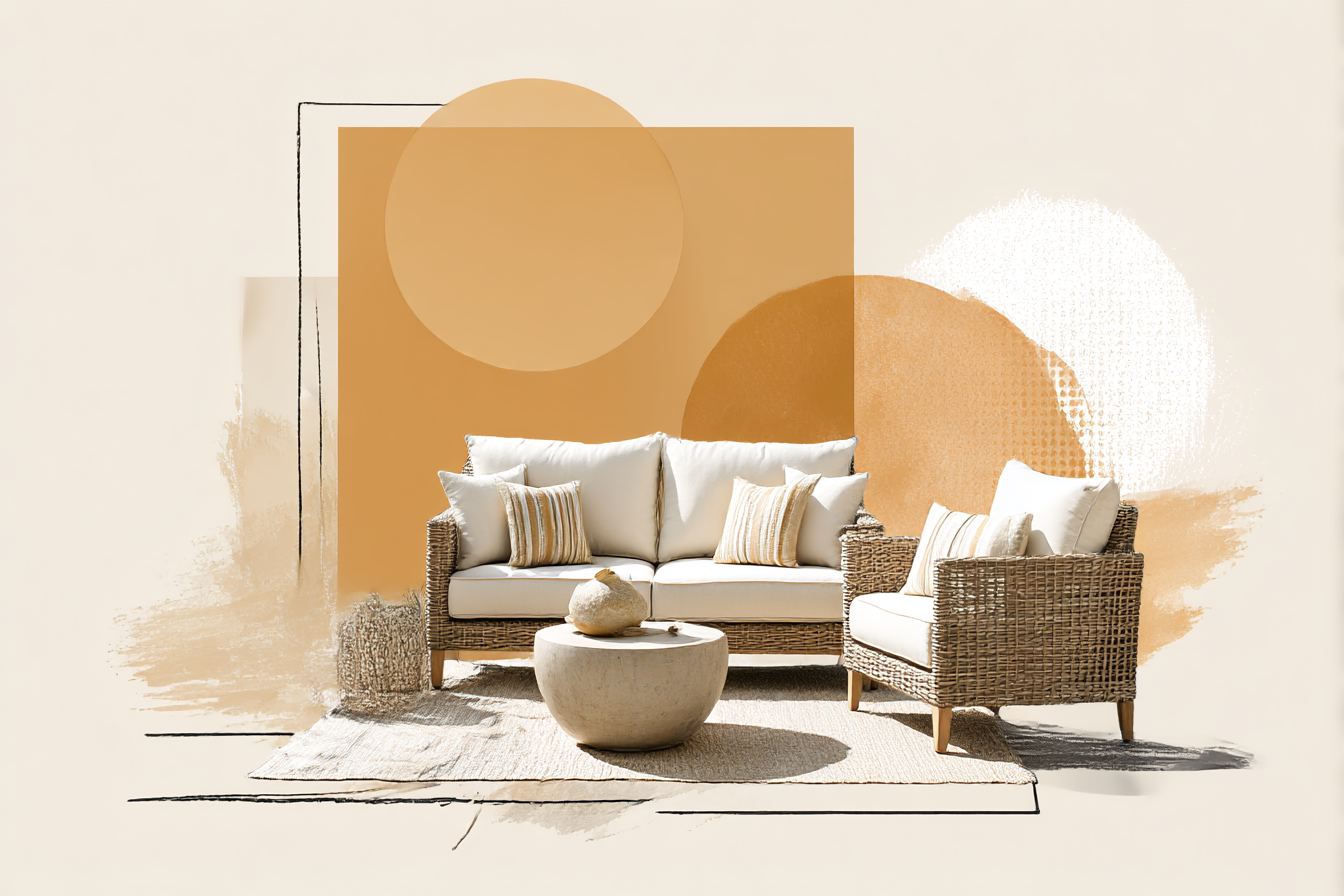
I was helping my neighbour Sarah pick out furniture for her new patio when she asked me something that stopped me cold. "Is wicker actually good for the environment?" she said, running her hand along a beautifully woven chair at the outdoor furniture store. "I mean, it looks natural, but I honestly have no idea if that means anything."
You know what? I didn't have a great answer either. Here I am, constantly preaching about climate-appropriate materials and building performance, and I'd never really dug into the sustainability aspects of wicker furniture. That's embarrassing, considering how often I see it specified for southwestern outdoor spaces.
So I did what I always do when I realise there's a gap in my knowledge… I went down the rabbit hole. What I found was way more complicated than I expected, and honestly, pretty fascinating from a materials perspective.
First thing I learned: not all wicker is created equal.
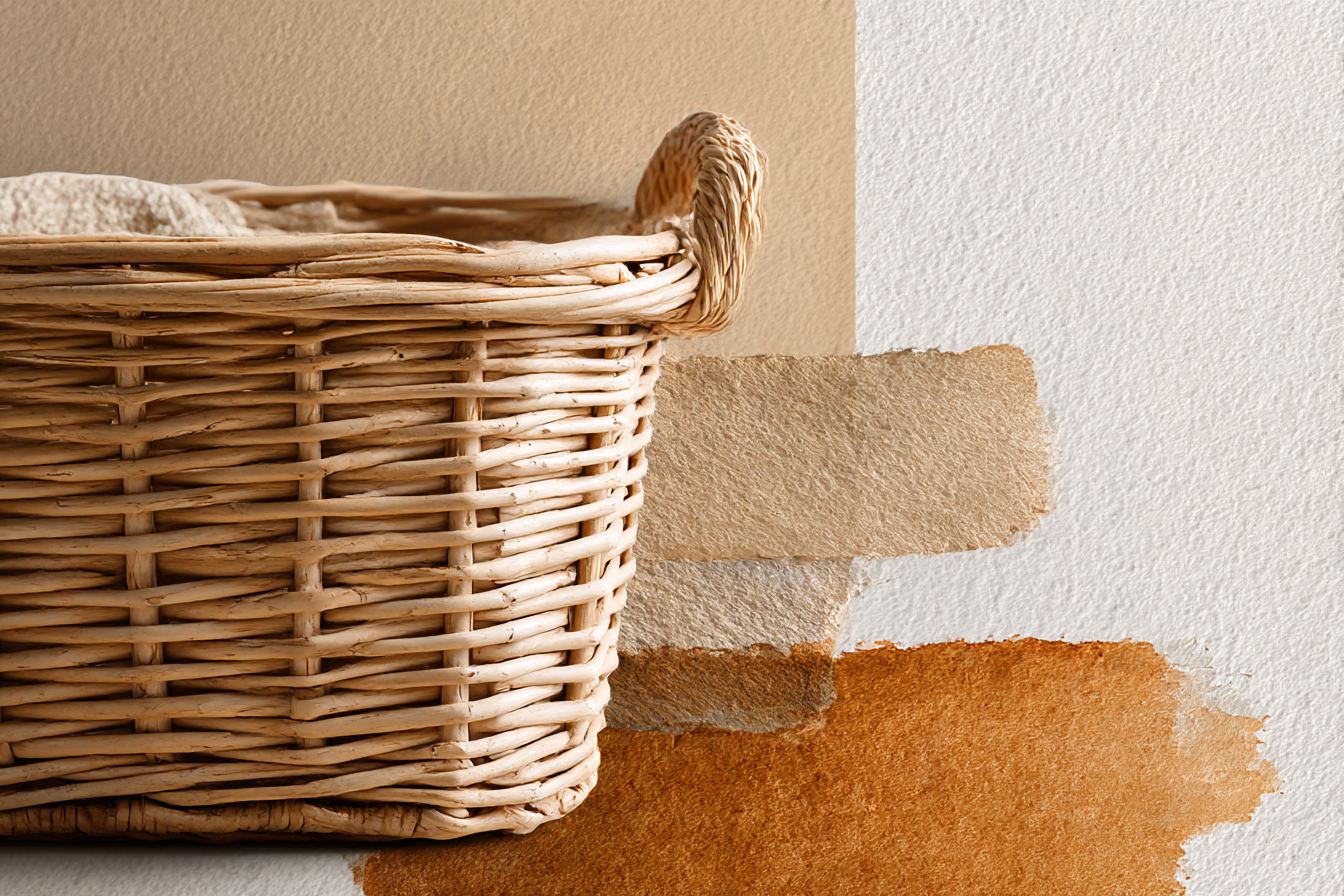
Like, not even close. The term "wicker" actually refers to the weaving technique, not the material itself. Mind blown, right? I'd been using it wrong for years. Natural wicker can be made from rattan, willow, bamboo, reed, or about a dozen other plant materials. Then there's synthetic wicker, which is usually some form of polyethylene resin designed to look like the real thing.
The environmental story gets really interesting when you start looking at each type individually. Take rattan, which is probably what most people picture when they think of traditional wicker. It's actually pretty impressive from a sustainability standpoint. Rattan grows incredibly fast, some species can be harvested in as little as five to seven years, and here's the kicker… harvesting it doesn't kill the plant. It's more like getting a haircut than cutting down a tree.
I called up my friend Miguel, who imports furniture from Southeast Asia, and he gave me the real story on rattan harvesting. "The best suppliers work with local communities who've been managing these forests for generations," he told me. "They know exactly when and how to harvest without damaging the ecosystem." Apparently, well-managed rattan harvesting can actually help preserve rainforests because it gives local communities economic incentive to keep forests intact rather than clearing them for agriculture.
But here's where it gets complicated. Not all rattan is harvested sustainably. Some operations are basically strip-mining forests, taking everything without regard for regeneration. The problem is, as a consumer, it's nearly impossible to know which type you're getting unless you're dealing with suppliers who are really transparent about their sourcing.
Bamboo wicker presents a different set of trade-offs. Bamboo grows even faster than rattan, some species grow several feet in a single day. It's carbon negative during growth, meaning it actually removes more CO2 from the atmosphere than it produces. Plus, bamboo can be harvested without replanting because it regrows from its existing root system.
The processing is where things get murky, though. Turning bamboo into furniture-grade material often involves chemical treatments and adhesives that aren't particularly eco-friendly. I've seen bamboo wicker that's been treated with so many chemicals to make it weather-resistant that it's basically synthetic at that point.
Then there's synthetic wicker, which I'll admit I was pretty biased against initially. Plastic furniture in the desert? Come on. But I had to eat my words a bit after doing the actual research. High-quality synthetic wicker, particularly the stuff made from recycled HDPE (high-density polyethylene), has some compelling environmental benefits.
You Might Also Like
It lasts way longer than most natural wicker in harsh climates. I'm talking decades versus maybe five to ten years for natural materials in places like Phoenix or Las Vegas where UV exposure is brutal and temperature swings are extreme. From a lifecycle perspective, furniture that lasts three times as long might actually have a lower environmental impact even if it's made from petroleum products.
Sarah's patio faces west and gets hammered by afternoon sun. I've watched natural wicker furniture literally fall apart within a couple years in similar exposures. The UV degrades the fibres, temperature cycling causes cracking, and monsoon rains finish the job. Synthetic wicker designed for outdoor use can handle all of that without breaking a sweat.
The recycled content angle is interesting too. Several manufacturers are now making synthetic wicker from post-consumer plastic waste. Ocean plastic, old milk jugs, that kind of thing. It's not greenwashing either; I've seen the supply chain documentation. Taking plastic that would otherwise end up in landfills or waterways and turning it into durable furniture that can be recycled again at end of life? That actually makes environmental sense.
But synthetic wicker isn't perfect either. The manufacturing process is energy-intensive, and despite claims about recyclability, most synthetic furniture ends up in landfills because recycling infrastructure for mixed plastic products is still pretty limited in most areas.
What really matters for environmental impact isn't just the material, though. It's the entire lifecycle: how it's produced, how far it travels, how long it lasts, what happens when you're done with it. I've seen "eco-friendly" rattan furniture shipped from Southeast Asia in individual cardboard boxes with enough foam padding to build a small house. The carbon footprint from shipping alone probably negated any environmental benefits from the sustainable harvesting.
Meanwhile, synthetic wicker manufactured in North America and designed to last twenty-plus years might actually have a smaller overall environmental footprint despite being made from petroleum products.
The durability factor is huge in southwestern climates. I can't tell you how much natural wicker furniture I've seen deteriorate rapidly because people don't realise it needs protection from UV and temperature extremes.

That beautiful rattan chair looks great for two seasons, then starts cracking and fading. By year three, it's garbage.
If you're set on natural wicker for aesthetic reasons, you need to be realistic about maintenance and placement. Covered porches, morning sun only, regular conditioning treatments… it's like caring for a wooden deck. Doable, but it requires commitment.
For most people in hot, sunny climates, high-quality synthetic wicker is probably the more environmentally responsible choice. I know that sounds counterintuitive, but longevity matters more than people realise when calculating environmental impact.
The key is buying quality synthetic wicker, not the cheap stuff that breaks down in three years anyway. Look for UV-stabilized materials, cheque warranty terms, and choose manufacturers with documented recycling programs.
Whatever you choose, buy less but buy better. One set of well-made wicker furniture that lasts fifteen years beats three sets of cheap stuff that each last five years. From both an environmental and economic perspective, that math is pretty clear.