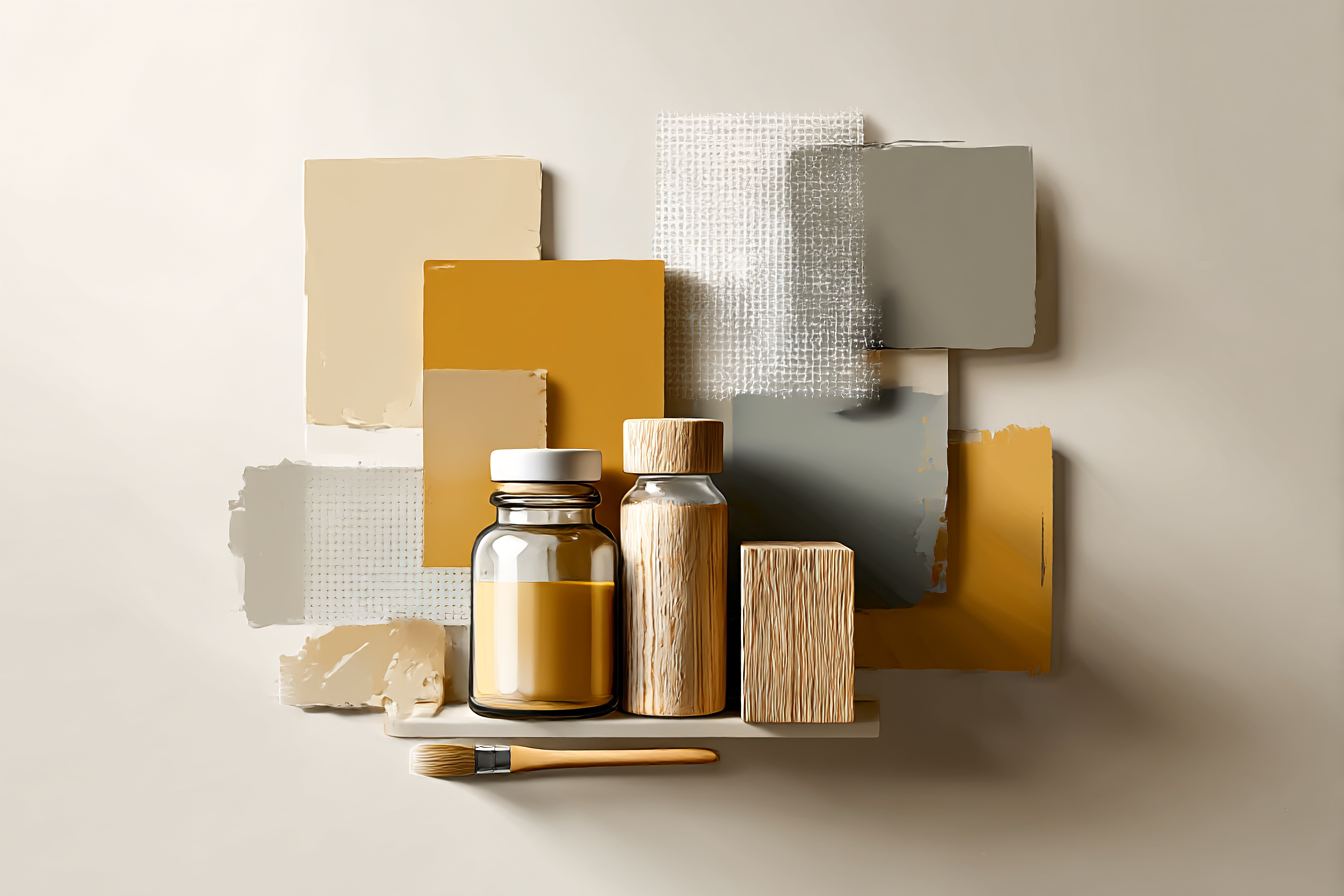
My grandmother used to swear by her homemade furniture polish, though I'll admit I rolled my eyes at her "old fashioned ways" when I was younger. She'd mix up this concoction in mason jars and carefully apply it to her antique dining table every month. The thing is, that table still looks incredible today – better than most furniture I see that's been treated with commercial products for decades.
I started making my own polish about five years ago when I was helping a client in Scottsdale retrofit their mid-century modern home. They had gorgeous walnut built-ins that had been treated with harsh commercial cleaners for years, leaving the wood looking dull and lifeless. You know how some wood just loses its soul? That's what happened here.
I suggested we try a gentler approach, and that's when I remembered my grandmother's methods.
Here's what changed my mind about DIY polish: I was researching indoor air quality for another project and discovered that many commercial furniture polishes contain petroleum distillates, synthetic fragrances, and other chemicals that can off-gas for months. In our desert climate, where homes are sealed tight against heat and dust, these chemicals just circulate endlessly through HVAC systems. Not exactly what you want when you're trying to create healthy indoor environments.
The basic recipe I use now comes from that Scottsdale project, refined through years of testing on different wood types in various conditions. I mean, Arizona presents some unique challenges – extreme dryness, intense UV exposure through windows, temperature swings between air-conditioned interiors and blazing outdoor heat. Wood furniture here needs protection that works with these conditions, not against them.
My go-to formula uses three main ingredients: olive oil, white vinegar, and lemon juice. The ratios matter, though. I use one cup olive oil, quarter cup white vinegar, and two tablespoons fresh lemon juice. Some recipes online suggest equal parts of everything, but I've found that creates a mixture that's too acidic for regular use, especially on softer woods.
The olive oil provides the nourishing base. I always use extra virgin because it's less processed and contains natural antioxidants that help protect the wood. Regular olive oil works fine too, but avoid the light versions – they've been stripped of beneficial compounds. I learned this the hard way when I tried using light olive oil on a client's cherry wood desk. The finish looked decent initially but didn't have the same lasting protection as extra virgin.
White vinegar serves as a gentle cleaner that cuts through grime without damaging wood finishes. It also has mild antimicrobial properties, which matters in humid areas like bathrooms where wooden vanities can develop issues. The acetic acid in vinegar helps restore pH balance to wood that's been exposed to alkaline dust and cleaning products over time.
Lemon juice adds natural citrus oils that provide extra cleaning power and leave a fresh scent. More importantly, citrus oils contain compounds that help repel insects – useful in areas where termites or other wood-boring pests might be concerns. Fresh lemon juice works better than bottled because it contains more active oils, though bottled will work if fresh isn't available.
I mix everything in a glass mason jar and shake vigorously before each use. The mixture separates naturally, so shaking is essential. I've tried using a blender to create a more permanent emulsion, but it breaks down anyway and the extra step isn't worth it. Sometimes simple really is better.
You Might Also Like
Application technique makes a huge difference. I use clean cotton cloths – old t-shirts work perfectly – and apply the polish sparingly. Too much oil leaves surfaces sticky and attracts dust, defeating the whole purpose. I work in small sections, applying the mixture with circular motions, then immediately buffing with a clean, dry cloth. The key word is immediately – letting oil sit on wood surfaces can create cloudy spots that are difficult to remove.
For heavily soiled furniture, I sometimes do a two-step process. First, I clean with just the vinegar and lemon juice mixture (no oil) to remove built-up grime. After that dries completely, I apply the full formula. This prevents trapping dirt under the oil layer, which can happen with very dirty pieces.
I've tested this recipe on everything from expensive hardwood dining sets to IKEA particle board furniture. It works well on most sealed wood surfaces, though I'm careful with antique pieces that might have shellac or other delicate finishes. When in doubt, I test in an inconspicuous area first. You'd be surprised how many "wood" surfaces are actually veneer or laminate that can be damaged by oil-based treatments.
The results speak for themselves. That Scottsdale client's walnut built-ins regained their rich, warm tone after just a few treatments. The wood looked hydrated again, if that makes sense. Commercial polishes had been sitting on top of the finish, creating buildup. The homemade polish actually penetrated and nourished the wood.
Storage is straightforward – I keep the mixture in the refrigerator between uses. It stays fresh for about six months, though I usually make smaller batches more frequently. The vinegar can develop a stronger smell over time, but that doesn't affect performance. If the mixture starts looking cloudy or develops an off odor, I make a fresh batch.
Cost savings are substantial. A bottle of decent commercial furniture polish runs eight to twelve dollars and contains maybe sixteen ounces.

My homemade version costs roughly three dollars for the same quantity and doesn't contain questionable chemicals. Given how much furniture treatment southwestern homes need due to dry air and dust, the savings add up quickly.
Environmental benefits matter too. No aerosol propellants, no petroleum derivatives, no synthetic fragrances that contribute to indoor air pollution. The ingredients are biodegradable and won't harm septic systems or groundwater if disposed of improperly. It's a small change, but these things accumulate.
I'll be honest – making your own furniture polish isn't revolutionary or life-changing. But it's one of those simple switches that makes sense on multiple levels: healthier for your family, better for your furniture, easier on your budget, and more environmentally responsible than commercial alternatives. Plus, there's something satisfying about caring for your home using ingredients you can pronounce and trust.
My grandmother was right about a lot of things, including furniture care. Sometimes the old ways persist because they actually work better than modern "improvements."