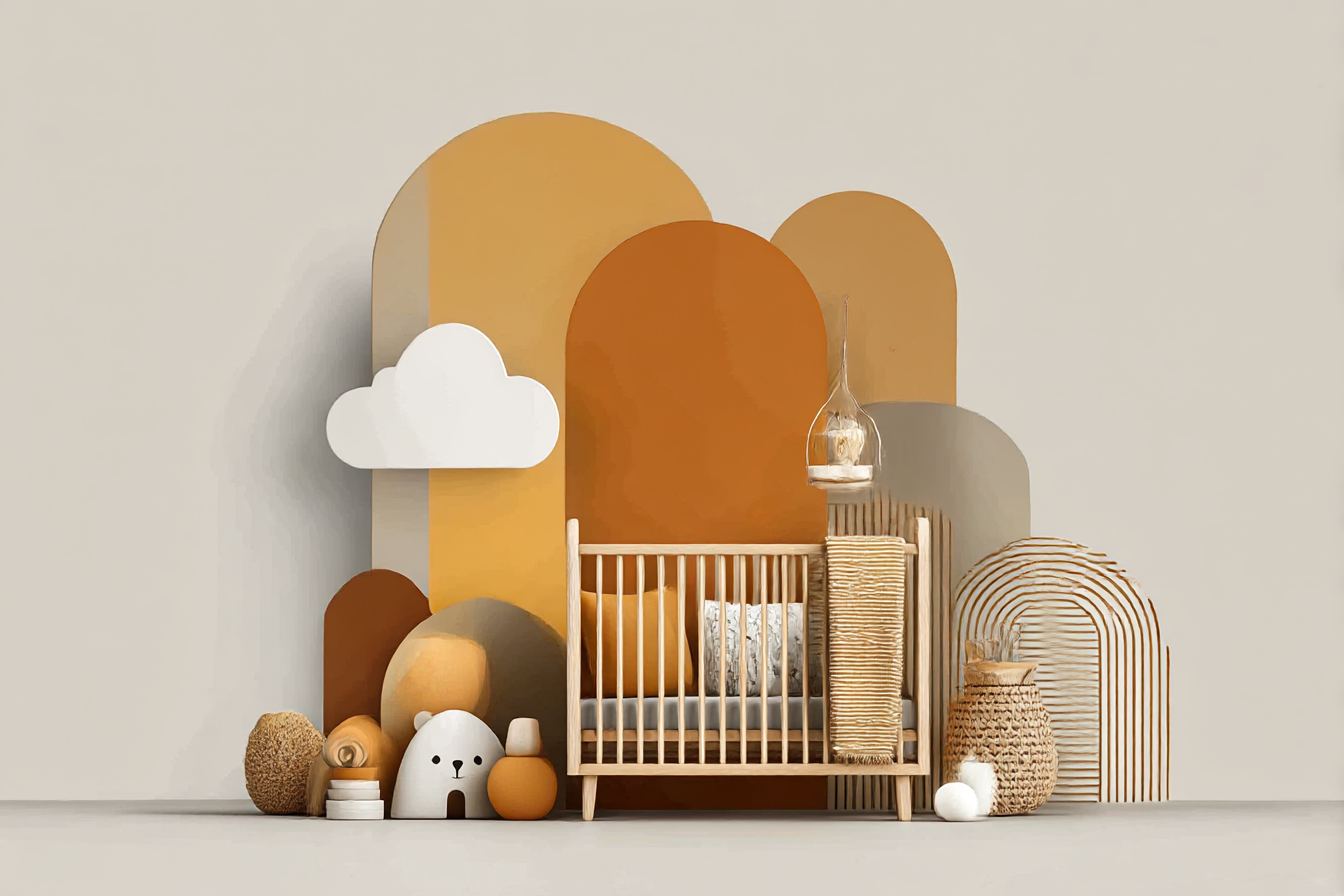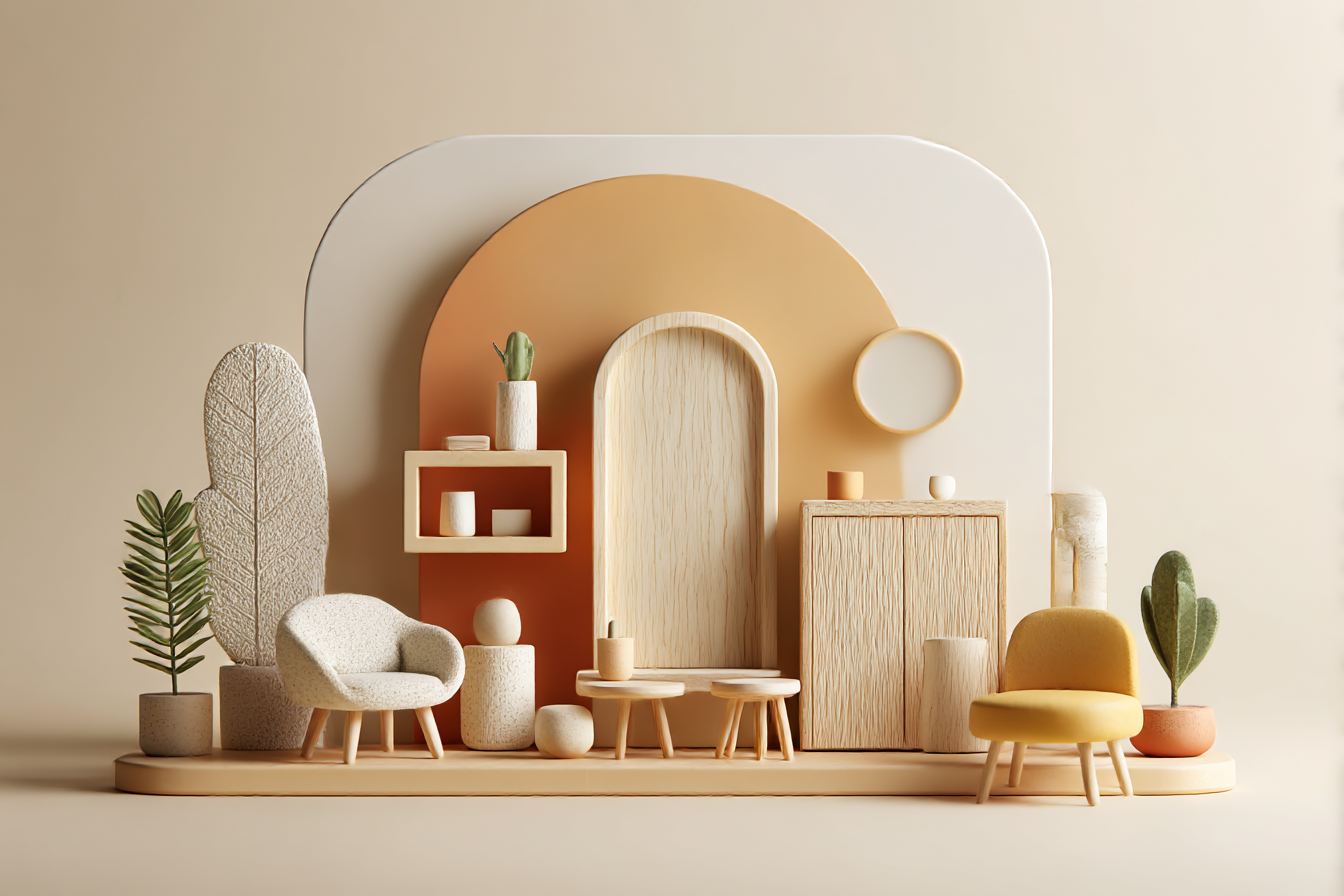
My daughter's fascination with tiny furniture began when she discovered my architectural model-making supplies scattered across my home office desk. She was three then, carefully arranging miniature chairs and tables I'd crafted from basswood for a residential project presentation. Watching her create elaborate scenarios with those scaled-down pieces sparked something I hadn't expected – she was learning about spatial relationships, functionality, and design through play.
That moment got me thinking about the dollhouse her grandmother had given her the previous Christmas. Most of the plastic furniture that came with it felt flimsy and looked garish – bright pinks and purples that bore no resemblance to actual home furnishings. More concerning to me as someone who spends considerable time researching material safety in buildings was wondering what chemicals might be leaching from those synthetic pieces during hours of imaginative play.
I started investigating alternatives, and honestly? The world of sustainable dollhouse furniture is pretty remarkable once you know where to look.
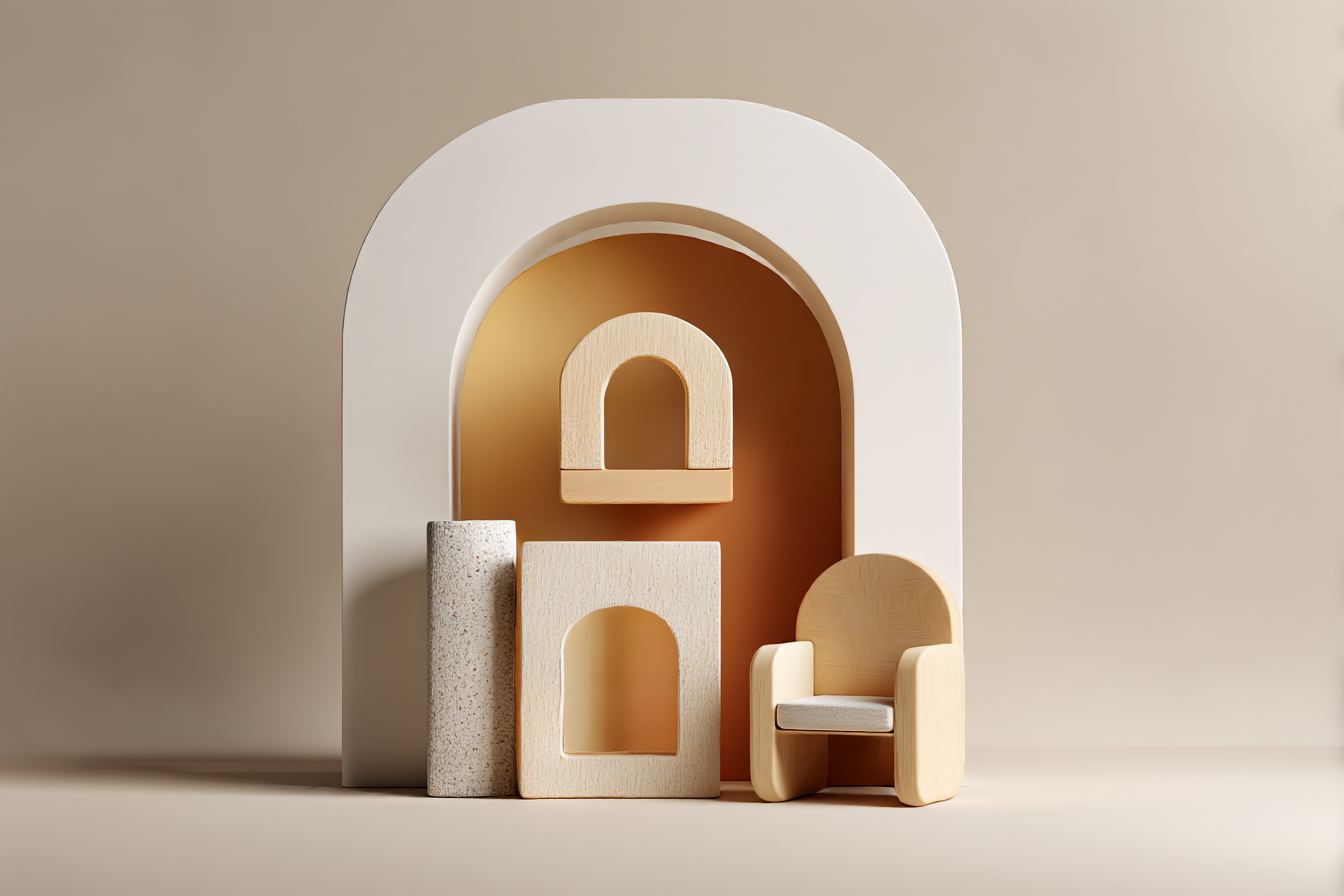
There are craftspeople creating miniature pieces from reclaimed hardwoods, using traditional joinery techniques that mirror full-scale furniture construction. I found a woodworker in Vermont who makes tiny Windsor chairs with the same attention to detail as their human-sized counterparts – actual mortise and tenon joints, hand-carved spindles, everything.
The difference in quality is immediately obvious. Real wood furniture has weight and substance that plastic can't match. When my daughter arranges a dining room scene, the wooden table stays put instead of sliding around like the lightweight alternatives. The chairs actually support the small dolls properly. She's unconsciously learning about material properties and structural stability through play.
I've become something of a collector myself, though I tell people it's "research for the blog." Right. Truth is, I'm fascinated by how these tiny pieces solve the same design challenges as full-size furniture, just at 1:12 scale. A miniature bookshelf needs proper proportions and adequate support for tiny books. A dollhouse bed requires appropriate mattress thickness and headboard height. The engineering principles remain constant regardless of size.
One maker I particularly admire crafts furniture from fallen branches collected during hiking trips. Each piece tells a story – a coffee table made from storm-damaged apple wood, chairs fashioned from driftwood found along Lake Superior. The natural variations in grain and colour create character that mass-produced items simply cannot replicate. My daughter has learned to identify different wood species by examining the furniture in her dollhouse.
The sustainability aspect extends beyond just material choice. Many artisans design their pieces for longevity, using proper joinery and high-quality finishes that will withstand years of play. I've seen antique dollhouse furniture from the early 1900s that remains structurally sound and beautiful. Compare that to plastic toys designed for planned obsolescence, destined for landfills within a few years.
Some manufacturers are exploring innovative eco-friendly materials. I recently discovered a company creating dollhouse furniture from bamboo plywood – rapidly renewable, surprisingly durable, and naturally antimicrobial. The clean lines and blonde colour work beautifully in modern dollhouse settings. Another maker uses recycled cardboard formed into surprisingly sturdy furniture pieces, finished with non-toxic water-based paints.
The educational value keeps surprising me. My daughter naturally gravitates toward arranging furniture in logical ways – beds against walls for privacy, dining tables near kitchen areas, reading chairs positioned near windows for natural light. She's absorbing principles of good interior design without formal instruction. When she complains that a room "doesn't feel right," she's usually identified a genuine spatial or functional problem.
You Might Also Like
We've started a tradition of selecting one new piece each month, discussing the materials and construction methods together. She's learned that solid wood furniture is heavier than hollow pieces, that natural finishes feel different from synthetic ones, that handmade items often have slight variations that make them unique. These concepts transfer to her understanding of full-size furniture and built environments.
The safety considerations matter tremendously. Many conventional toy finishes contain volatile organic compounds that can off-gas in enclosed spaces. Given that dollhouses are essentially miniature indoor environments, using low-VOC or natural finishes becomes even more important. I seek out makers who specify their finishing materials – shellac, beeswax, plant-based oils – and avoid anything listing "non-toxic" without specifics.
Price represents the main barrier for many families. Handcrafted wooden dollhouse furniture costs significantly more than plastic alternatives. A single artisan-made chair might cost what an entire plastic furniture set costs at a big box store. I understand the economics, but I've found that buying fewer, higher-quality pieces actually works better for sustained play. My daughter values and cares for items that feel special and substantial.
The secondary market offers more affordable options for families on tight budgets. Estate sales, antique shops, and online auctions frequently feature vintage dollhouse furniture in excellent condition. Some pieces require minor restoration – loose joints that need regluing, finishes that could use refreshing – but these projects can become learning experiences about furniture care and repair.
I've also discovered that many woodworking enthusiasts enjoy creating dollhouse furniture as side projects. Local maker spaces and woodworking clubs often have members willing to take custom commissions at reasonable prices. The scale makes these projects less material-intensive than full-size furniture, allowing craftspeople to experiment with expensive hardwoods or complex techniques.
Regional craft shows and toy stores increasingly feature sustainable dollhouse furniture, reflecting growing consumer demand for environmentally conscious alternatives. Some retailers now organise sections specifically for eco-friendly miniature furnishings, making these options more visible to families who might not seek them out otherwise.
What continues to amaze me is how seriously children take the arrangement and care of quality miniature furniture.

My daughter treats her wooden pieces with respect, understanding instinctively that they represent craftsmanship and care. She's learned to dust them gently, position them thoughtfully, and handle them carefully. These habits transfer to her interaction with full-size furnishings and built environments.
The dollhouse has become a testing ground for interior design ideas. We discuss colour relationships, furniture placement, and spatial flow using her miniature rooms as examples. She's developing an eye for proportion and scale that I see influencing her other creative projects. When she builds with blocks or arranges her regular-sized toys, she applies principles learned through dollhouse play.
Sustainable dollhouse furniture represents more than just eco-conscious toy selection. It's about introducing children to concepts of quality, craftsmanship, and environmental stewardship through objects they interact with daily. Every time my daughter chooses the wooden rocking chair over the plastic one for her doll's bedtime story, she's making a small statement about valuing substance over convenience, durability over disposability.