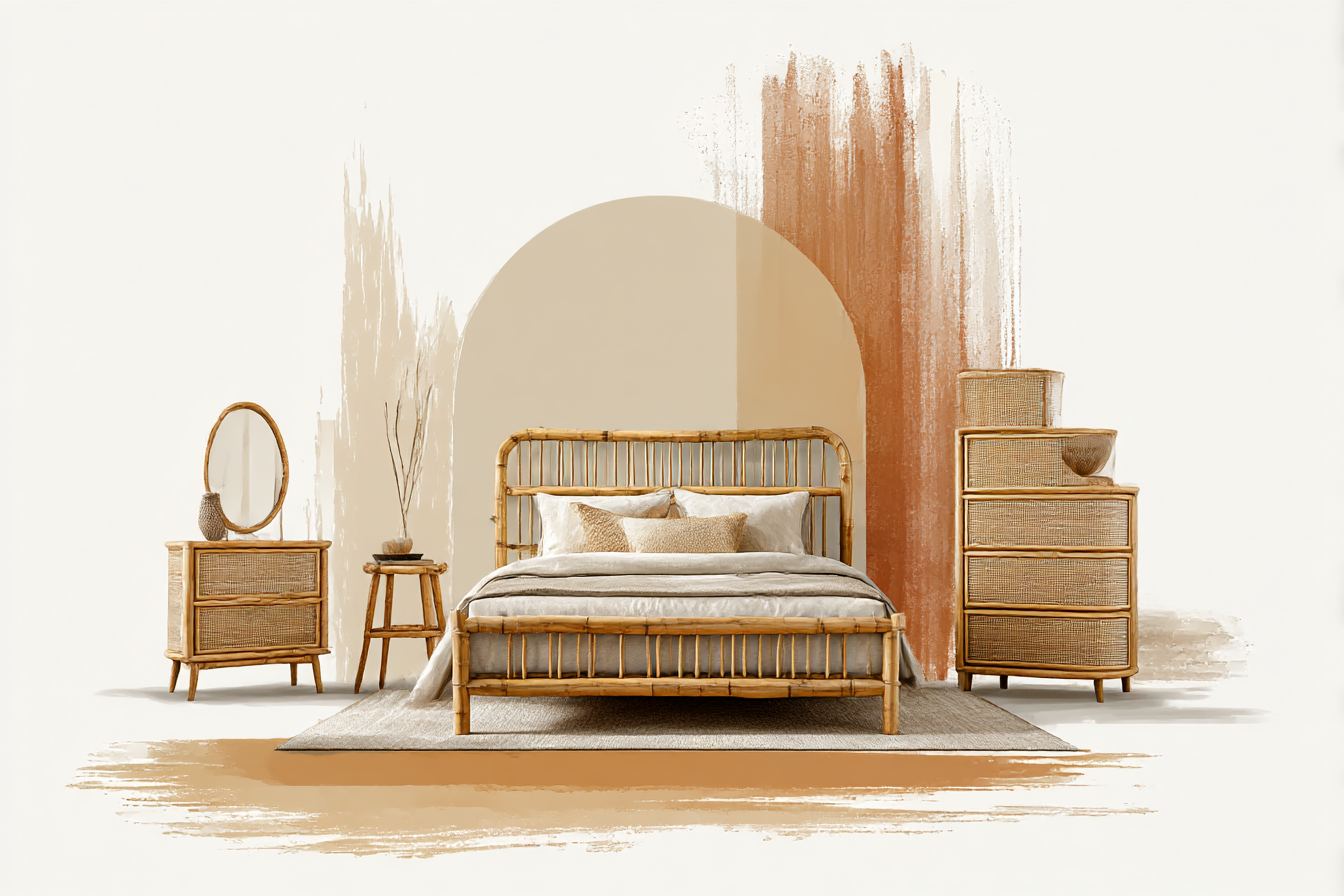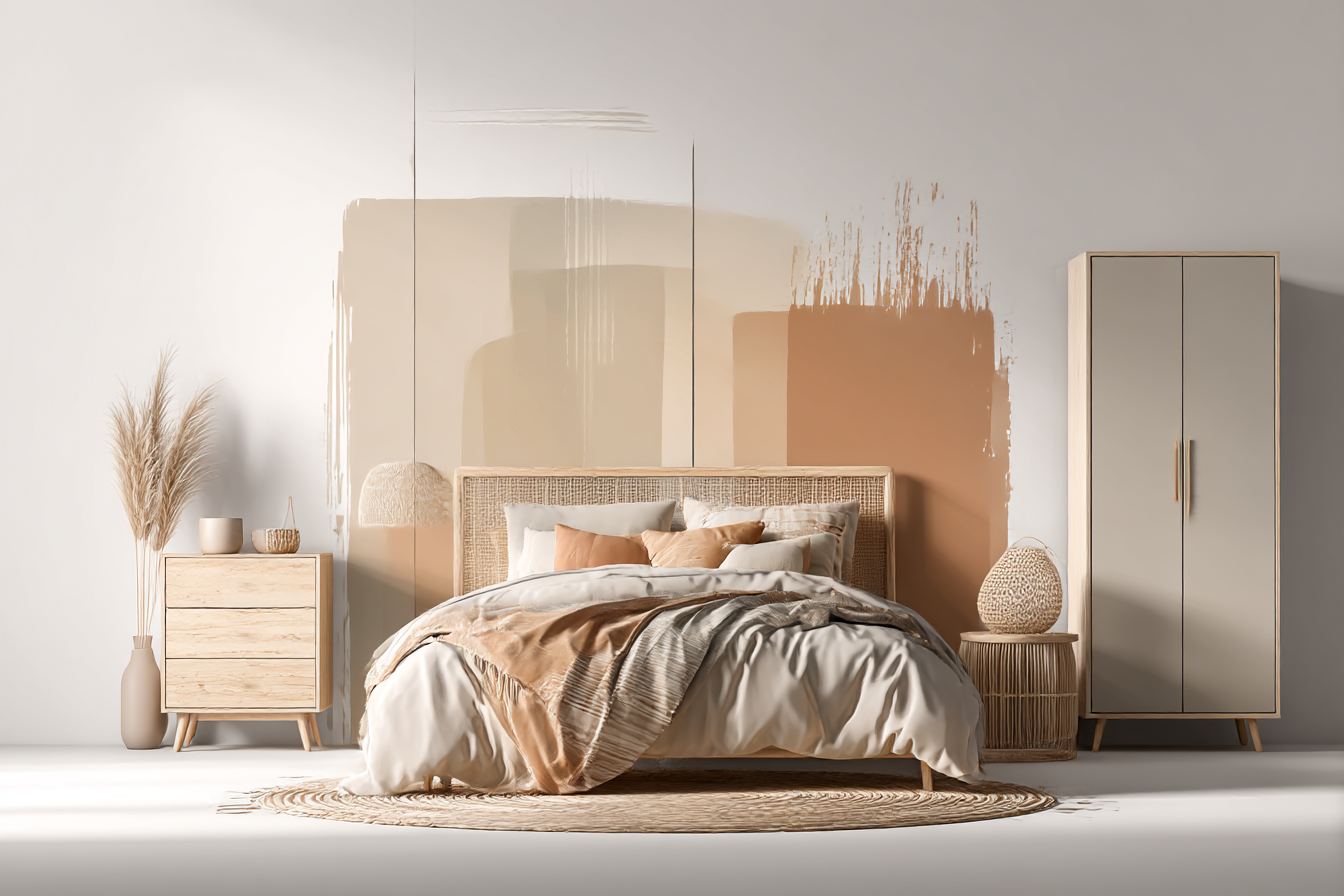
Walking through a client's master bedroom last Tuesday, I couldn't help but cringe at the mismatched chaos. Beautiful reclaimed wood bed frame, gorgeous. Plastic nightstands that looked like they'd melt in Arizona heat, not so much. A dresser made from particle board that was already warping from our dry climate. "We bought everything separately over two years," she explained, "and nothing really works together."
This happens more often than you'd think. People get excited about sustainable furniture but approach it piecemeal, ending up with bedrooms that look like furniture showroom explosions rather than cohesive spaces. I get it, honestly.

When my wife and I furnished our first place, we made similar mistakes. Bought an amazing solid wood platform bed, then paired it with whatever nightstands were cheapest at the big box store. The result? A bedroom that felt more like a furniture storage room than a restful retreat.
That experience taught me something crucial about sustainable bedroom furniture: coordination matters as much as environmental credentials. You can have the most responsibly sourced, perfectly crafted individual pieces, but if they don't work together visually and functionally, you've wasted your money and created a space that doesn't serve you well.
Here's what I've learned from years of helping clients create truly sustainable sleep spaces: complete furniture sets aren't just about aesthetics (though that matters), they're about efficiency, longevity, and creating spaces that actually support good sleep and daily routines.
The efficiency angle surprised me initially. When you buy coordinated pieces from makers committed to sustainable practices, you're often getting furniture designed to complement each other not just visually but functionally. The nightstand height works perfectly with the bed height. The dresser proportions balance the bed's scale. Storage solutions integrate rather than compete. I've seen too many bedrooms where nothing quite fits together, creating awkward gaps, wasted space, and that unsettled feeling that something's just… off.
My neighbour Steve learned this the hard way. He spent months hunting for individual sustainable pieces, proud of his research into wood sources and manufacturing processes. Each piece was impeccable on its own. Together? Disaster. The bed sat so high that the nightstands looked like dollhouse furniture. The massive dresser overwhelmed everything else. He lived with it for six months before admitting defeat and starting over with a coordinated collection. "Should've just bought the set from the beginning," he told me while we were hauling his mistakes to the resale shop.
But here's the thing about sustainable bedroom sets: not all of them are actually sustainable, and the truly good ones require some detective work to identify. I've spent embarrassing amounts of time in furniture showrooms with a flashlight and a moisture metre (yes, I'm that guy) testing materials and asking pointed questions about sourcing and manufacturing.
Real sustainable bedroom sets start with solid wood construction. Not veneer over particle board, not engineered wood with formaldehyde-laden adhesives, but actual solid wood from responsibly managed forests. The difference isn't just environmental, it's practical. Solid wood furniture lasts decades with proper care. The fake stuff falls apart in our climate within a few years, creating waste and requiring replacement.
I learned this lesson viscerally when helping a friend move out of her apartment. Her "sustainable bamboo" bedroom set had lasted exactly eighteen months before the dresser drawers started sticking, the nightstand tops began peeling, and the bed frame developed an alarming squeak. Meanwhile, her grandmother's 1940s walnut dresser, inherited and refinished, looked better than ever after seventy years of use. That's the kind of longevity we should expect from furniture we're calling sustainable.
You Might Also Like

Wood species matter more than most people realise, especially in our climate. I always recommend looking for hardwoods that handle temperature and humidity fluctuations well. Oak, maple, walnut, cherry… these handle our dramatic day-to-night temperature swings without excessive expansion and contraction. Softer woods or those from different climate zones often don't adapt well to southwestern conditions.
The joinery tells the story of quality and durability. Dovetail joints in dresser drawers, mortise and tenon construction in bed frames, solid wood drawer boxes rather than flimsy metal slides. This isn't furniture snobbery, it's practical engineering. Well-joined furniture stays tight and functional for decades. Poorly constructed pieces start wobbling and binding within months.
Finishes deserve serious attention too. Many furniture makers use finishes that off-gas volatile organic compounds for months or years after manufacture. In a bedroom where you spend eight hours daily breathing that air, this matters. Look for water-based finishes, natural oils, or traditional shellac. They might not have the plastic-perfect look of polyurethane, but they're healthier and often more beautiful as they age.
I always tell clients to ask furniture makers about their wood sources. Legitimate sustainable operations can tell you exactly where their materials come from, what forest management practices were used, and often provide certification documentation. If they can't or won't answer these questions, that tells you something important about their commitment to sustainability.
Local and regional makers often offer the best combination of sustainability and quality. Transportation impacts matter, but beyond that, local craftspeople understand our climate and can recommend appropriate wood species and construction techniques. I've worked with several Phoenix-area furniture makers whose bedroom sets are specifically designed for our environment. They use appropriate finishes, select woods that perform well here, and build with expansion joints that accommodate our temperature swings.
The investment angle gets interesting when you run the numbers properly. Quality sustainable bedroom sets cost more upfront, sometimes significantly more. But when you factor in replacement costs for cheaper furniture, the math often works out favorably. I helped one client compare options: a $3,000 coordinated solid wood set versus separate pieces totaling $1,200. Over fifteen years, considering likely replacement needs, the solid wood option actually cost less while providing better function and appearance.
Storage integration in sustainable bedroom sets often exceeds what you can achieve with individual pieces. Matching nightstands designed to work with specific bed heights. Dressers proportioned to complement bed scale. Sometimes even coordinated storage benches or armoires that extend the visual and functional theme. This coordination creates more usable storage while maintaining visual harmony.
I've seen beautifully sustainable individual pieces that created dysfunctional bedrooms because storage didn't integrate well. Nightstands too small for bedside necessities.

Dressers positioned awkwardly because they didn't relate properly to other furniture. Coordinated sets eliminate these problems by designing all pieces to work together functionally.
Colour and grain coordination matter more than I initially appreciated. Even within single wood species, grain patterns and colour can vary significantly. Furniture makers creating coordinated sets can select and match boards to create visual harmony that's nearly impossible to achieve buying pieces separately over time. This isn't just aesthetic perfectionism, it's about creating restful spaces that support good sleep.
The bedroom is where we start and end each day. Having furniture that works well together, both functionally and visually, contributes to the sense of calm and order that supports quality rest. Sustainable bedroom sets, chosen carefully and built well, create these harmonious spaces while supporting responsible forest management and manufacturing practices. They're investments in both environmental responsibility and daily quality of life.