Walking through my client Sarah's master bedroom last month, I couldn't help but notice how her traditional oak furniture dominated the space. Heavy, dark pieces that seemed to absorb light rather than reflect it, creating this cave-like atmosphere that felt oppressive even during the day. She'd been complaining about how the room never felt fresh or airy, despite having decent windows. That's when I started thinking about bamboo furniture and why more people aren't considering it for bedrooms.
See, most folks think of bamboo as flimsy patio furniture or those cheap cutting boards you find at discount stores. I get it. The association isn't exactly luxurious.
But here's what changed my perspective entirely: visiting a furniture maker in Flagstaff who'd switched from traditional hardwoods to bamboo about five years ago. Walking into his workshop was like stepping into a completely different world of craftsmanship.
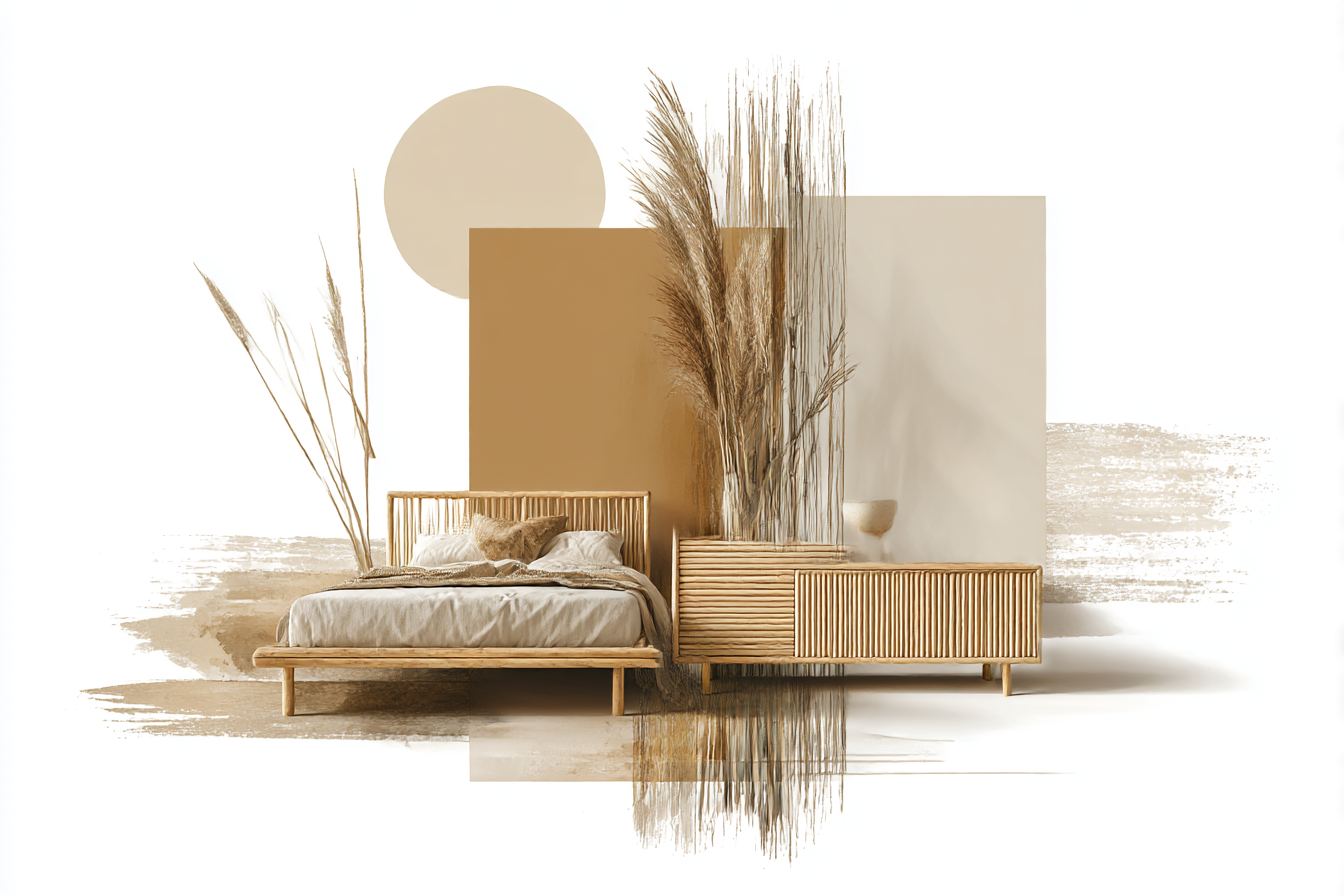
The pieces he was creating? Absolutely stunning. Bed frames with clean lines that felt both modern and timeless. Nightstands with this gorgeous natural grain pattern that's actually more interesting than most oak or maple I've seen. And the environmental story behind it all made me realise I'd been completely wrong about this material.
Bamboo isn't actually wood at all. It's a grass. A ridiculously fast-growing grass that can be harvested every three to five years without killing the plant. Compare that to hardwood trees that take decades to mature, and you're looking at a completely different sustainability equation. My furniture maker friend showed me photos of bamboo groves that had been harvested just two years earlier and were already approaching harvestable size again. It's honestly incredible.
But here's what really sold me on bamboo for bedroom furniture: the performance characteristics. This stuff is harder than most traditional hardwoods. I'm talking about tensile strength that exceeds steel in some applications. That flimsy stereotype? Complete nonsense when you're dealing with properly processed bamboo lumber.
I started researching the manufacturing process because, you know, I can't help myself. Turns out there are several different ways to create bamboo furniture, and the quality varies dramatically depending on the method. The cheap stuff that gives bamboo a bad reputation is usually made from bamboo strips that are just glued together without much processing. But high-quality bamboo lumber goes through this fascinating process where the bamboo is broken down, compressed under extreme pressure, and reformed into boards that are actually more stable than traditional hardwood.
The environmental benefits go way beyond just the fast growth cycle. Bamboo produces about 35% more oxygen than equivalent stands of trees. The root system prevents soil erosion better than most plants. And here's the kicker for us desert dwellers: bamboo requires significantly less water than hardwood trees to reach maturity. In a region where water conservation should be everyone's priority, choosing furniture made from a water-efficient crop just makes sense.
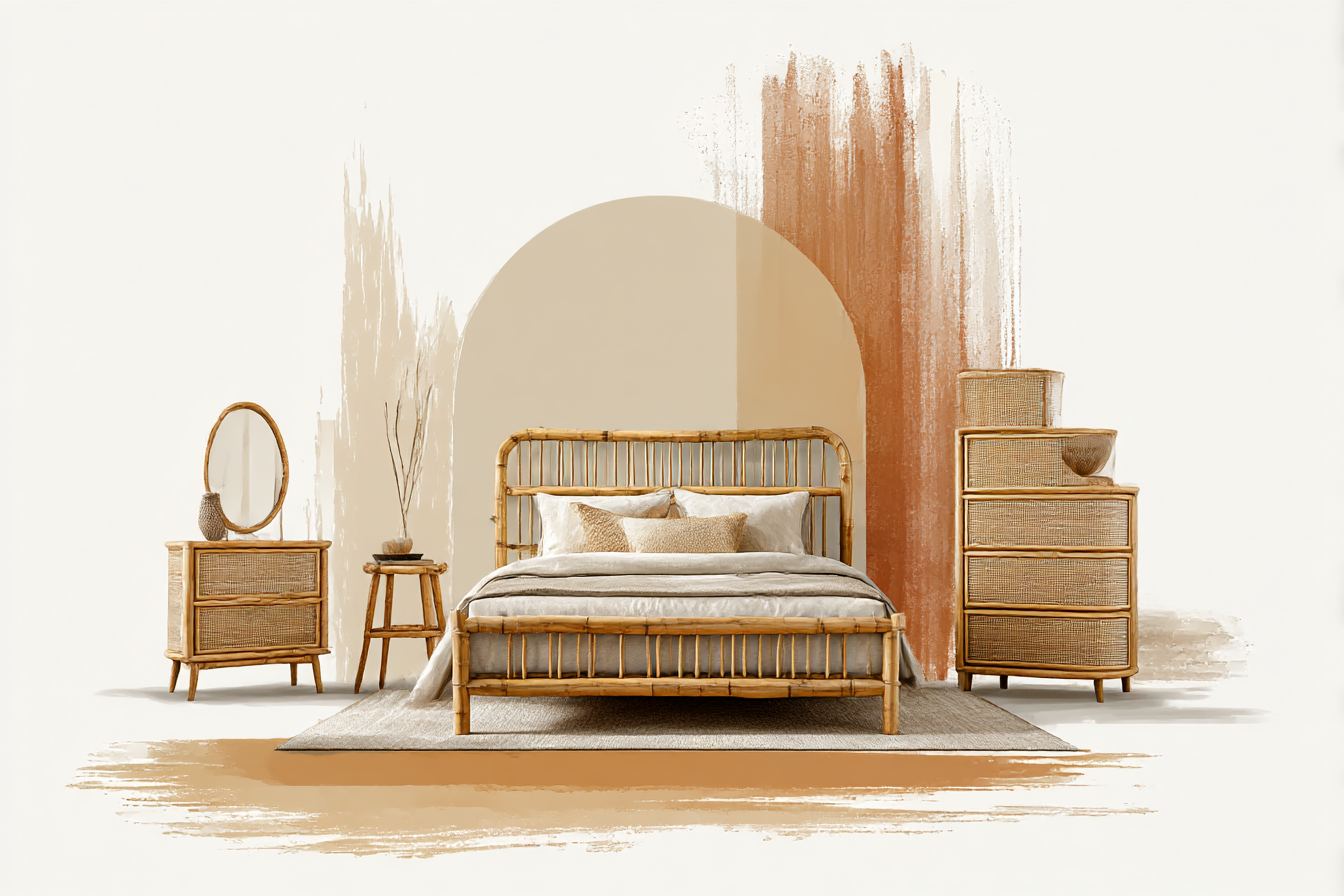
Sarah decided to try a bamboo bedroom set after seeing some pieces at a showroom in Scottsdale. We picked out this beautiful platform bed with integrated nightstands, plus a matching dresser and wardrobe. The colour was this warm, honey tone that immediately brightened her room. Installation day was eye-opening because the pieces were noticeably lighter than her old oak furniture, making the whole process easier and less likely to damage floors or walls.
You Might Also Like
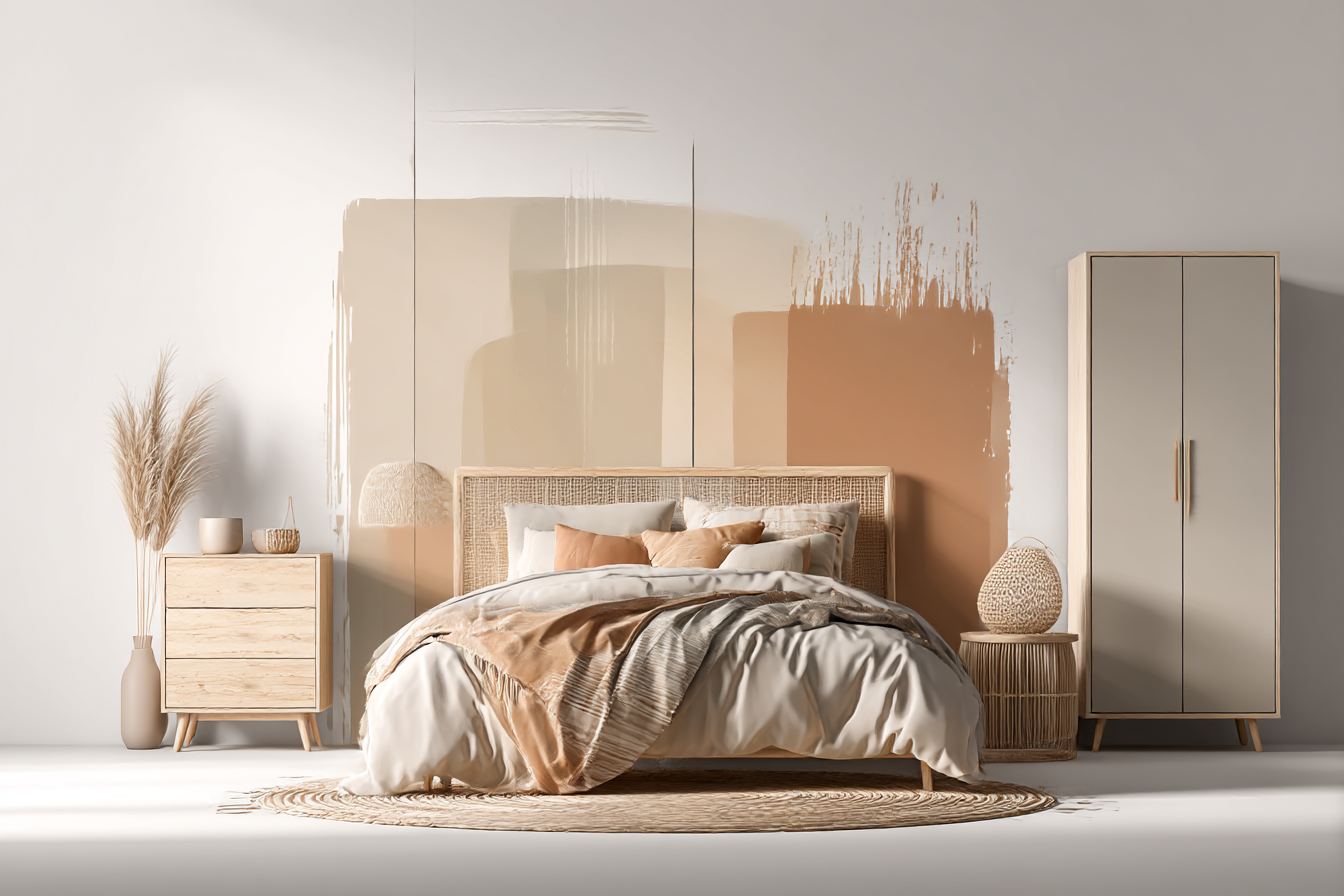
The transformation was immediate. Her bedroom went from feeling dark and heavy to bright and airy. The bamboo's natural grain patterns created visual interest without overwhelming the space. And because bamboo has this slight natural sheen, it reflected light around the room in ways that traditional matte hardwood finishes never do.
What really impressed me was the durability. After six months, Sarah's furniture looks exactly like it did on installation day. No scratches, no dents, no signs of wear despite daily use. Her kids occasionally use the bedroom for homework, and you know how hard kids can be on furniture. The bamboo has held up perfectly.
I've since recommended bamboo bedroom furniture to several other clients, and the feedback has been consistently positive. One couple in Tempe replaced their entire bedroom set with bamboo pieces and reported that the room feels more spacious despite the furniture having the same footprint as their previous set. The visual lightness of bamboo apparently creates an optical illusion of more space.
The cost surprised me too. I'd expected bamboo furniture to carry a premium because of the sustainability marketing angle, but it's actually quite competitive with mid-range hardwood pieces. Sometimes even less expensive. The manufacturing process has become efficient enough that the pricing advantage of fast-growing raw materials translates to consumer savings.
Maintenance is another win. Bamboo furniture requires basically the same care as any hardwood piece. Regular dusting, occasional polishing with appropriate wood care products, avoiding excessive moisture. Nothing complicated or requiring special products. Sarah uses the same furniture polish on her bamboo pieces that she used on her oak furniture.
I will say that not all bamboo furniture is created equal. I've seen some pieces that were clearly made from lower-grade bamboo or processed poorly, and they don't have the durability or appearance of quality pieces. Like any furniture shopping, you need to evaluate the actual construction and finish quality, not just assume that bamboo automatically means good or bad.
The design options have expanded dramatically over the past few years.
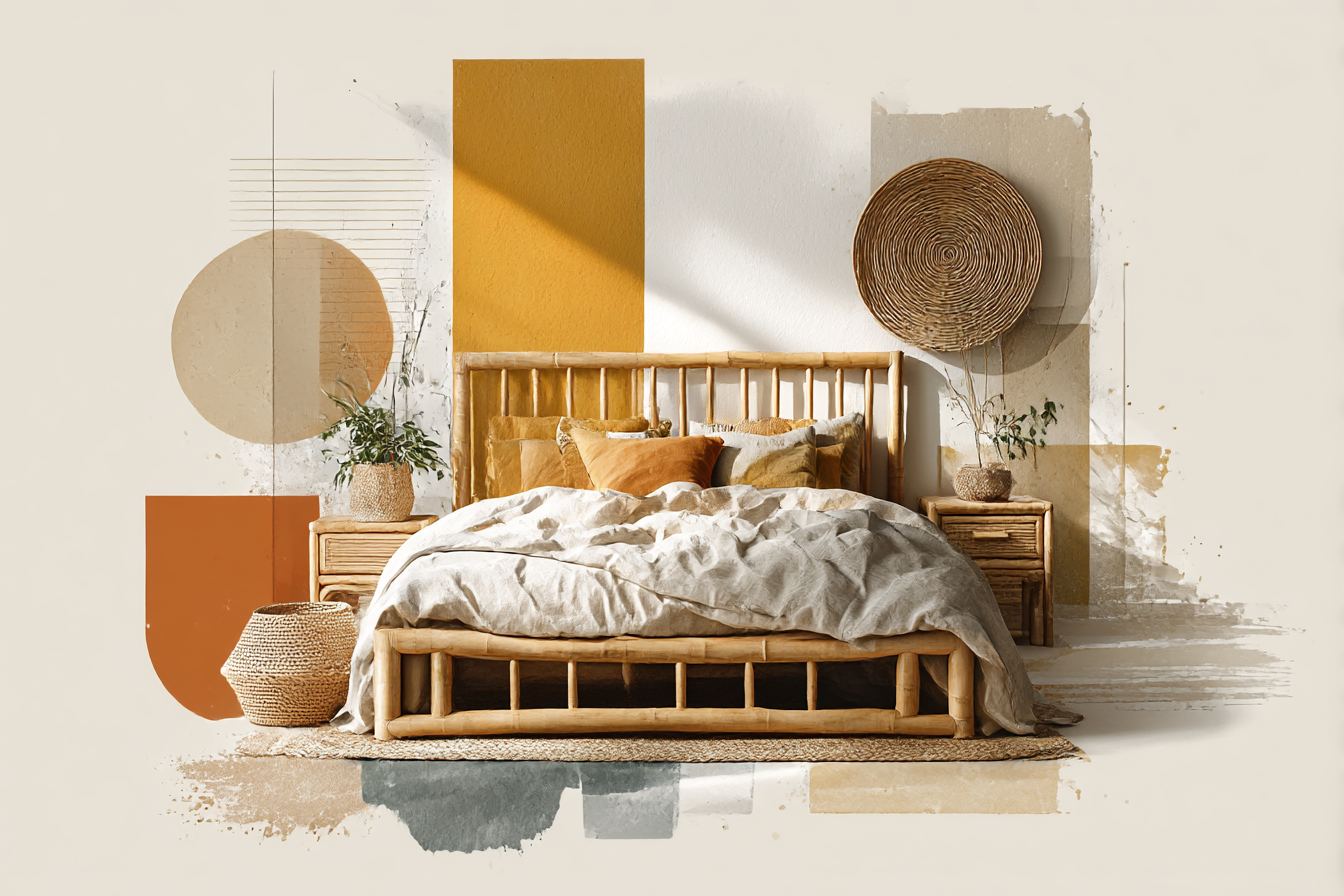
Early bamboo furniture tended toward very modern, minimalist styles that didn't work for everyone. Now you can find bamboo pieces in traditional styles, rustic designs, contemporary looks, whatever matches your existing décor. The material adapts well to different finishing techniques and staining options.
For anyone considering bedroom furniture replacement, bamboo deserves serious consideration. It's environmentally responsible without sacrificing quality or durability. It's competitively priced. It's available in styles that work with most decorating approaches. And in spaces where you spend a third of your life, choosing materials that represent responsible resource use feels good in ways that go beyond just the practical benefits.
Sarah recently told me that friends consistently comment on how fresh and bright her bedroom feels now. That's the bamboo effect: bringing natural beauty and environmental consciousness together in furniture that actually improves your living space while supporting more sustainable manufacturing practices.