
I volunteered at a local elementary school last week to help with their after-school program, and honestly? Walking into that building felt like entering a low-security prison. Buzzing fluorescent lights that made everyone look slightly sick, beige cinderblock walls everywhere, and windows positioned so high up you’d need a ladder to actually see outside. I watched this kid Marcus spend the entire time bouncing in his plastic chair, constantly craning his neck toward those tiny slivers of sky visible from the windows.
It got me thinking about how messed up it is that we expect kids to learn in what are basically sensory deprivation chambers. Like, we wouldn’t choose to spend eight hours a day in these environments, but we’re asking children to do exactly that.
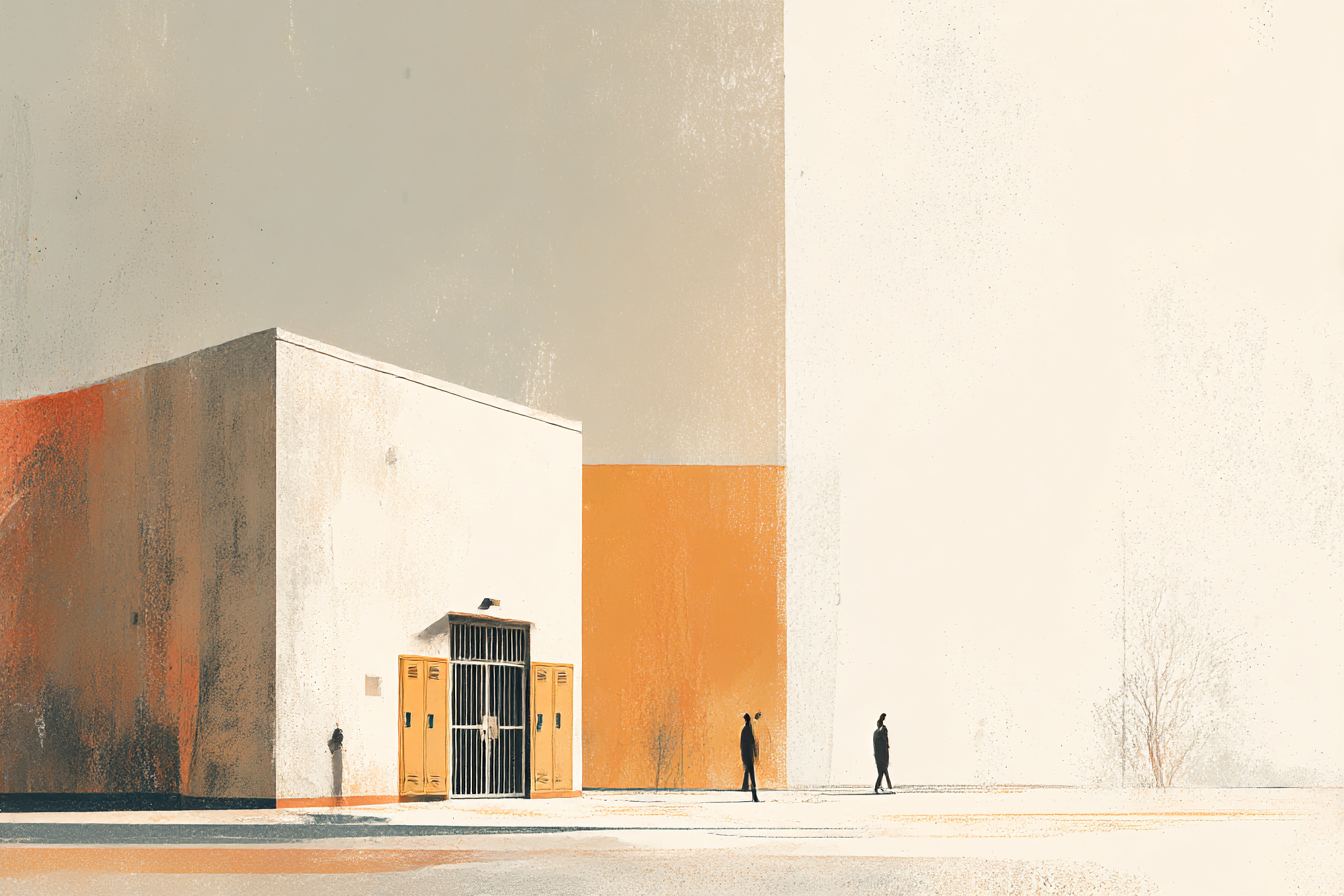
The thing is, I’ve been reading about schools that are actually doing something about this problem, and it doesn’t require tearing down buildings and starting over. Sometimes it’s as simple as moving desks closer to existing windows or adding plants that can actually survive in classroom conditions.
There’s this middle school in Portland that started by just replacing those awful overhead fluorescent lights with LED systems that change throughout the day to mimic natural light patterns. Teachers immediately noticed kids weren’t falling asleep at their desks every afternoon anymore. Makes sense when you think about it – if you’re flooding a room with the same harsh light all day, you’re basically telling everyone’s bodies it’s noon forever. No wonder kids are simultaneously wired and exhausted.
I found this research by Dr. Lisa Heschong showing that students in classrooms with good natural light performed 20% better on math tests and 26% better on reading compared to kids stuck under artificial lighting. That’s not a small difference – that’s huge.
One story that really stuck with me was about a kindergarten teacher dealing with what she called “challenging behaviors” in her classroom. The room faced north, so basically no direct sunlight ever. Super cold and institutional feeling despite all her efforts with colorful decorations. Since they couldn’t add windows or move walls, they worked with what they had.
First, they maximized whatever natural light existed – took down heavy curtains, used mirrors to bounce light around the room. Then they brought in plants specifically chosen for low-light conditions and air purification. Not just the typical classroom snake plant, but ZZ plants, pothos, some ferns that could actually thrive there.
Within three weeks, kids were naturally gravitating toward the plant areas during free time. The behavioral issues decreased significantly. Even better, the teacher noticed kids using more descriptive language about growth and change and seasonal cycles. Their vocabulary expanded just from observing living things.
I’m not saying plants are magic solutions to educational problems. But there’s something important about giving kids regular contact with living, growing things that respond to care. It mirrors learning itself – gradual, sometimes invisible progress that suddenly becomes visible.
A high school in Tacoma that was struggling with engagement and attendance tried creating what they called “nature nodes” throughout the building on a tight budget. Strategic plant groupings near seating areas, water features made from repurposed materials, natural wood accents replacing plastic wherever possible. They arranged furniture to create sight lines to existing outdoor trees. Simple changes that created moments of visual relief.
You Might Also Like

Tardiness dropped 15% school-wide. More importantly, disciplinary incidents decreased in areas where they’d added nature connections. Teachers started choosing these redesigned spaces for meetings instead of traditional conference rooms.
What I found fascinating was how students unconsciously changed their behavior around these natural elements. Kids got quieter near water features. They lingered in plant areas to do homework or have conversations. The spaces seemed to naturally encourage more thoughtful, less reactive responses.
This connects to research on attention restoration theory – the idea that exposure to natural elements helps restore our capacity for focused attention, which is exactly what students need for academic work. But seeing it actually happen in schools makes it real in ways research papers don’t.
From what I’ve read about working with schools, successful changes require understanding the unique constraints of educational environments. Safety regulations, maintenance concerns, budget limitations – all legitimate factors that limit what’s possible. The key is finding solutions that provide maximum benefit while working within these realities.
Living walls sound amazing but require irrigation systems, plant expertise, and maintenance protocols most schools can’t handle. But carefully chosen potted plants arranged in natural groupings can provide similar visual benefits with manageable upkeep. It’s about finding what’s actually sustainable, not just what looks good in design magazines.
Outdoor learning spaces are another area where small changes create big impact. Many schools have underutilized outdoor areas that could support educational activities with minimal modification – weather-resistant seating, shade structures, strategic plantings that naturally define learning spaces.
The most successful school transformations I’ve read about share something important – they treat nature connection as integral to learning, not just decoration. Plants become teaching tools for science lessons. Natural light variations become opportunities to discuss biology and circadian rhythms. Outdoor spaces extend classroom capacity while providing sensory experiences that support different learning styles.
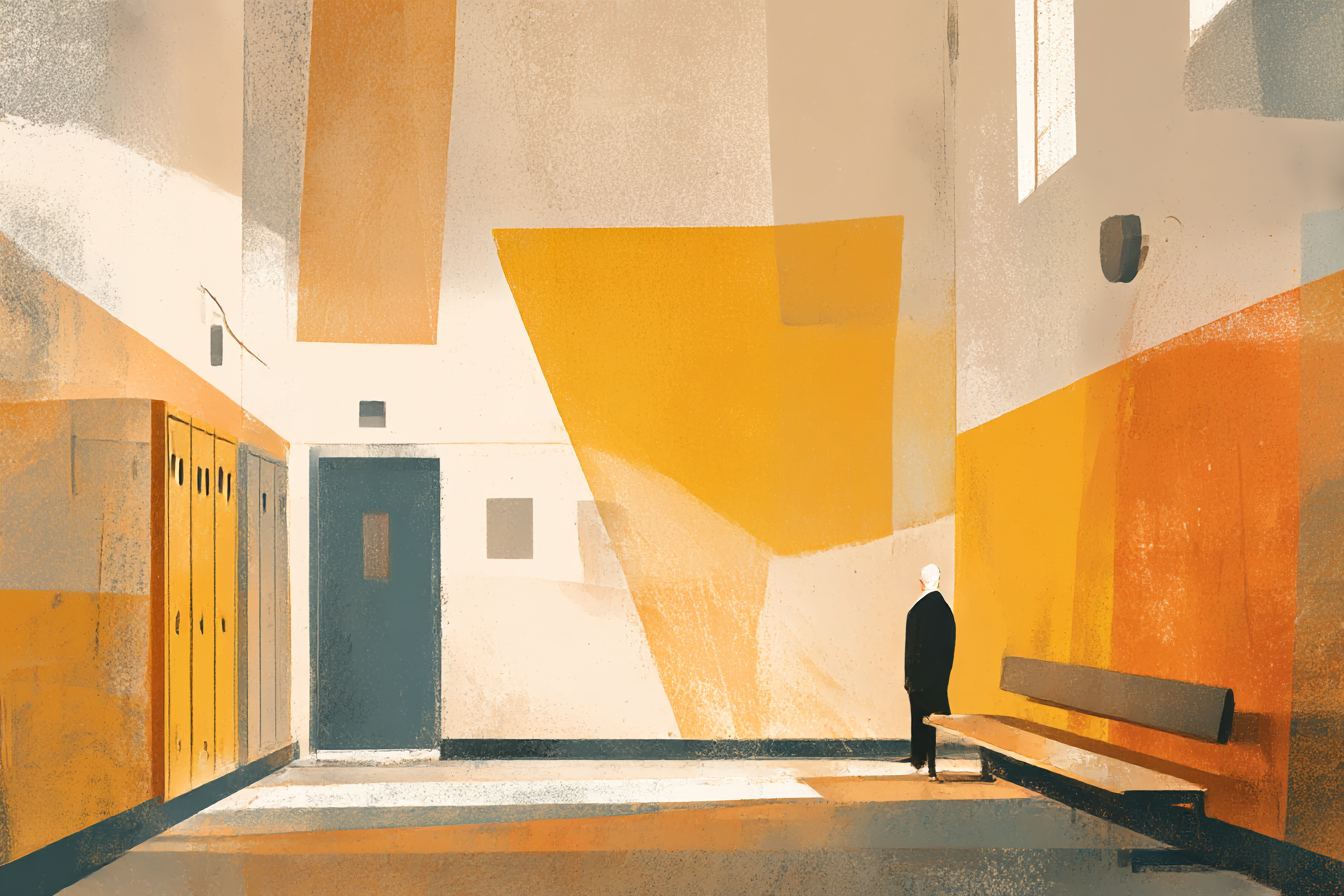
These environments don’t just improve test scores, though they often do. They create conditions where learning feels more natural and less forced. Where kids develop relationships with their physical surroundings that support focus, creativity, and social connection.
Here’s what really gets me: if we’re asking young people to spend six to eight hours daily in these spaces, shouldn’t those spaces nourish their natural capacity for wonder and growth instead of draining it? The fact that so many school buildings feel more like detention centres than places designed for learning says something pretty depressing about our priorities.
But the examples of schools making these changes, even with limited resources, give me hope. It’s possible to create learning environments that work with kids’ natural inclinations instead of against them. We just have to decide it’s worth doing.



