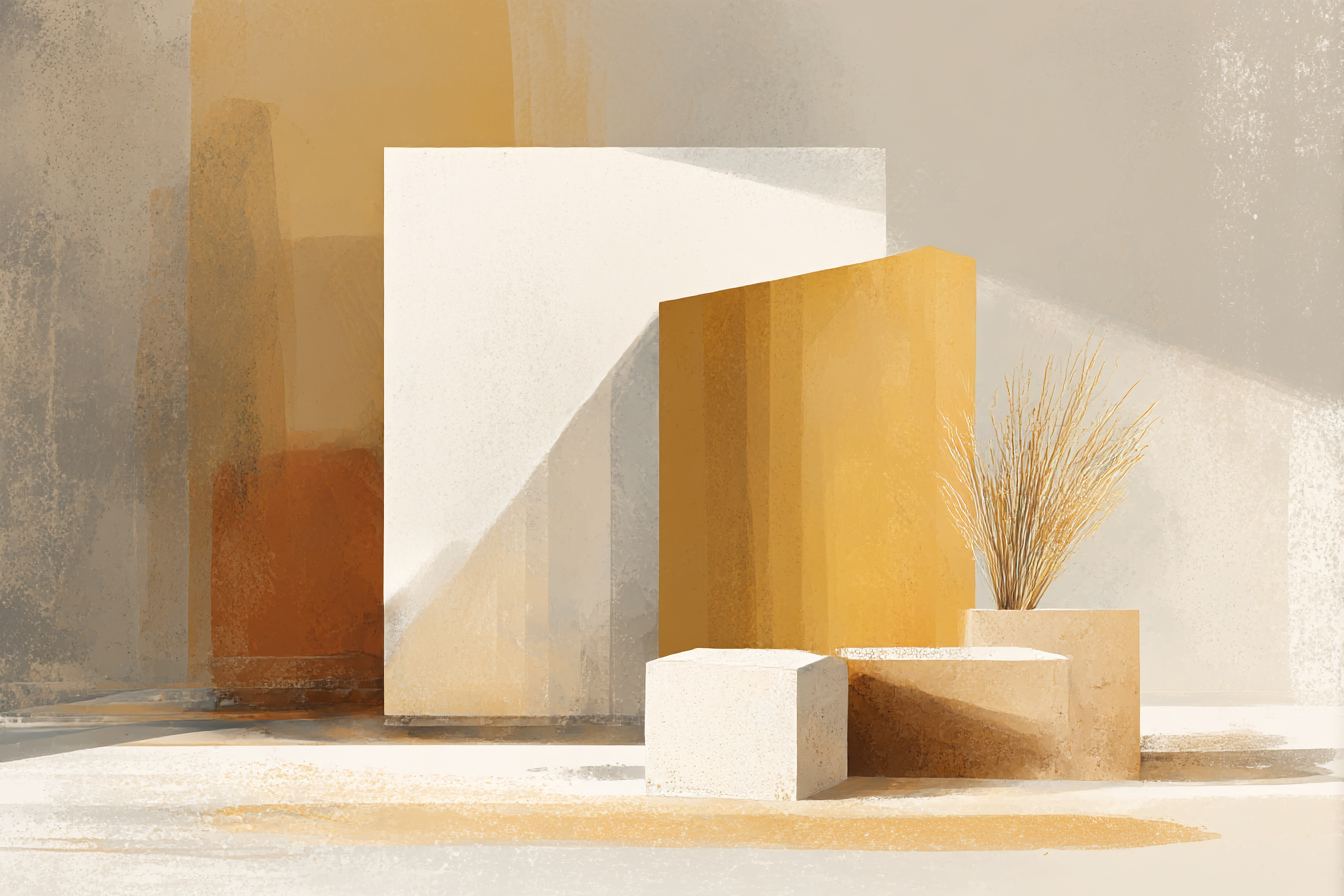
Walking into the Chapel of St. Ignatius at Seattle University last month, I felt something I hadn't experienced in years – that deep exhale you only get when entering a space that truly understands human needs. The architect, Steven Holl, had done something magical with light and materials that spoke to everything I'd been researching about biophilic design in sacred spaces.
You know how some buildings just feel wrong? Like they're actively fighting against your nervous system? I've spent way too much time in sterile churches where fluorescent lights buzz overhead and synthetic carpeting releases that chemical smell every time someone walks across it. These spaces might cheque all the functional boxes – seating for 200, accessible bathrooms, adequate parking – but they completely miss what worship actually requires: restoration.
The thing about sacred spaces is they're supposed to heal us, right?

But somewhere along the way, we started designing them like corporate conference rooms with crosses. I mean, I get it – budgets are tight, maintenance is a concern, and nobody wants to deal with living systems when you're already juggling Sunday school schedules and potluck coordination. But we're doing ourselves a disservice.
<blockquote>I've been documenting worship spaces across the Pacific Northwest for about two years now, and the patterns are striking. The churches that people describe as "life-giving" almost universally incorporate natural elements in intentional ways. Not just token gestures – I'm talking about genuine integration of biophilic principles that create measurable improvements in how people feel and function.</blockquote>
Take that chapel I mentioned. Instead of standard acoustic tiles, they used wood panels with natural grain patterns. Research from Roger Ulrich's team shows that viewing wood grain actually reduces cortisol levels – your stress hormones literally drop when you look at natural patterns. The lighting mimics seasonal changes through programmable LEDs that shift colour temperature throughout the day and year. During my visit, afternoon light filtered through carefully positioned windows created these moving patterns on the walls that reminded me of sunlight through forest canopy.
<img class="size-full" src="http://wonkydogltd.co.uk/medium/wp-content/uploads/2026/01/im1979_restorative_worship_design._ultra-realistichyper-detai_70e96d52-fe31-42e2-a1ec-d0a6ef594dbe_0.jpg" alt="im1979_restorative_worship_design._ultra-realistichyper-detai_70e96d52-fe31-42e2-a1ec-d0a6ef594dbe_0" />
But here's what really got me: they incorporated a small water feature – nothing fancy, just a thin channel of water running along one wall that you could hear but not see unless you knew where to look. The sound was barely perceptible, more felt than heard, but it transformed the acoustic environment completely. Our brains are hardwired to find flowing water calming. It's evolutionary – water meant safety, life, nourishment for thousands of years before we started living in concrete boxes.
Last spring, I consulted on a renovation project for a Methodist church in Bellingham that was struggling with attendance and community engagement. Their building was classic 1960s institutional – dropped ceiling tiles, vinyl flooring, no natural light in the main sanctuary. The congregation described feeling "tired" during services and mentioned that people seemed to leave immediately after worship rather than lingering to connect with each other.
We couldn't gut the place – budget was maybe $30,000 total – but we could work with what was there. First priority was reconnecting the interior to the beautiful established garden that surrounded the building but was completely invisible from inside. We created new sight lines by repositioning some interior walls and replaced solid doors with ones incorporating glass panels. Simple change, huge impact.
You Might Also Like
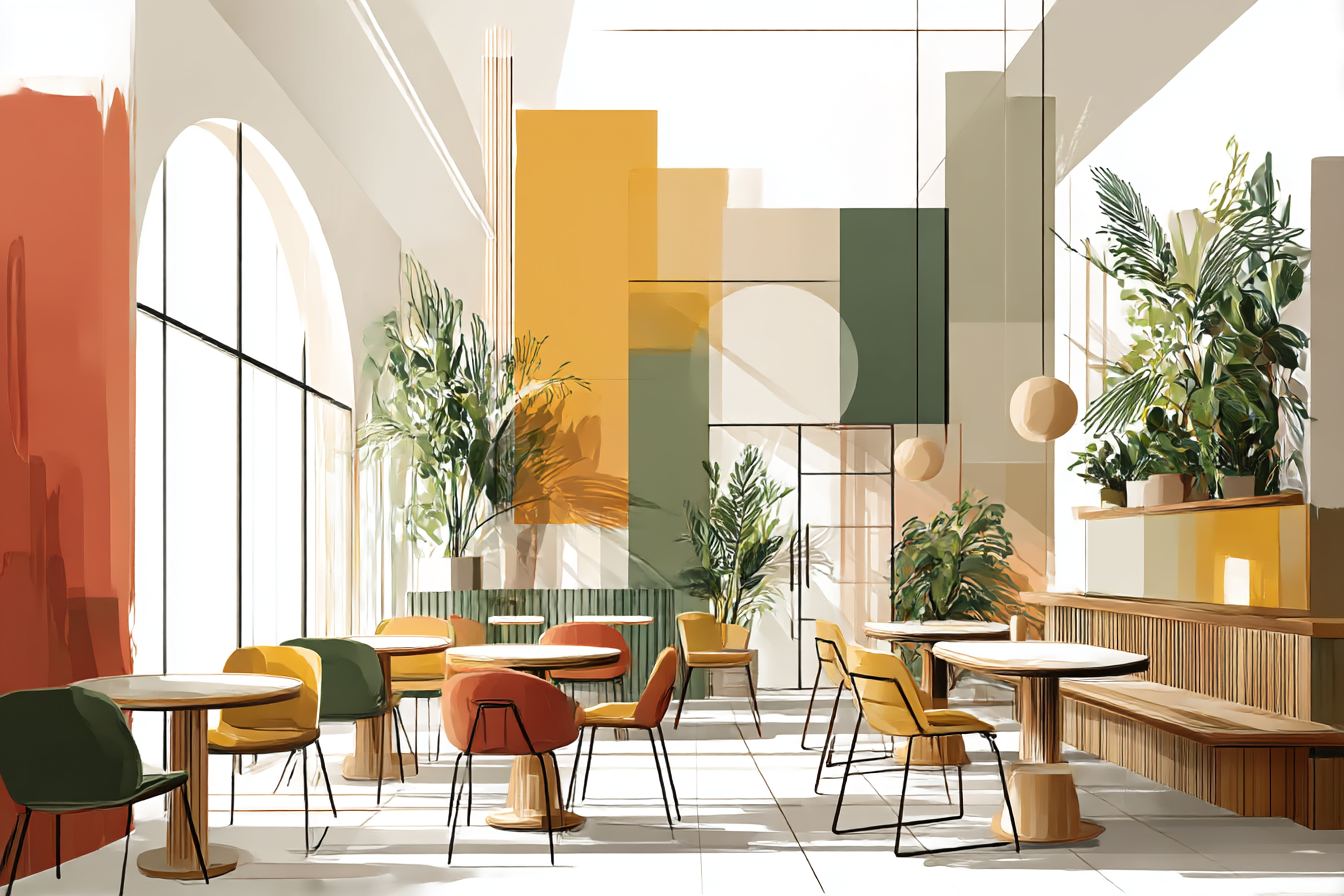
The flooring was our biggest splurge. We found a local mill that specialized in reclaimed Douglas fir from old growth forests – not cheap, but the psychological effect of walking on real wood versus vinyl was immediately noticeable. People started taking off their shoes during certain services, something that had never happened before.
For the lighting, we removed half the fluorescent fixtures and brought in adjustable LED panels that could shift from warm morning light to cooler midday tones to golden evening hues. The pastor started timing different parts of the service to coordinate with the lighting changes – prayers during warm light, readings during cooler light, closing hymns as the space gradually warmed again. Attendance increased by about 40% over six months, but more importantly, people started staying after services to talk and connect.
The plant integration required some creativity. Churches often resist living elements because of maintenance concerns (fair point – nobody wants to water plants on top of everything else). We focused on hardy, low-maintenance species that could thrive in lower light conditions. Snake plants, ZZ plants, some carefully selected ferns in corners where they'd get indirect light from our new windows. The trick was creating built-in irrigation systems that made care virtually automatic.
I've learned that successful biophilic design in worship spaces isn't about creating indoor forests – it's about strategic interventions that connect people to natural cycles and materials in subtle but meaningful ways. Sometimes that's as simple as using stone instead of concrete for water features, or positioning seating to face views of sky and trees rather than blank walls.
The research backing this approach keeps growing. Studies from environmental psychology show that exposure to natural elements during contemplative activities – prayer, meditation, reflection – increases the depth and duration of those experiences. People report feeling more spiritually connected, more emotionally regulated, and more physically comfortable in worship spaces that incorporate biophilic design principles.
<img class="size-full" src="http://wonkydogltd.co.uk/medium/wp-content/uploads/2026/01/im1979_restorative_worship_design._ultra-realistichyper-detai_70e96d52-fe31-42e2-a1ec-d0a6ef594dbe_1.jpg" alt="im1979_restorative_worship_design._ultra-realistichyper-detai_70e96d52-fe31-42e2-a1ec-d0a6ef594dbe_1" />
But honestly? You don't need research to understand this. Think about where you naturally go when you need restoration.
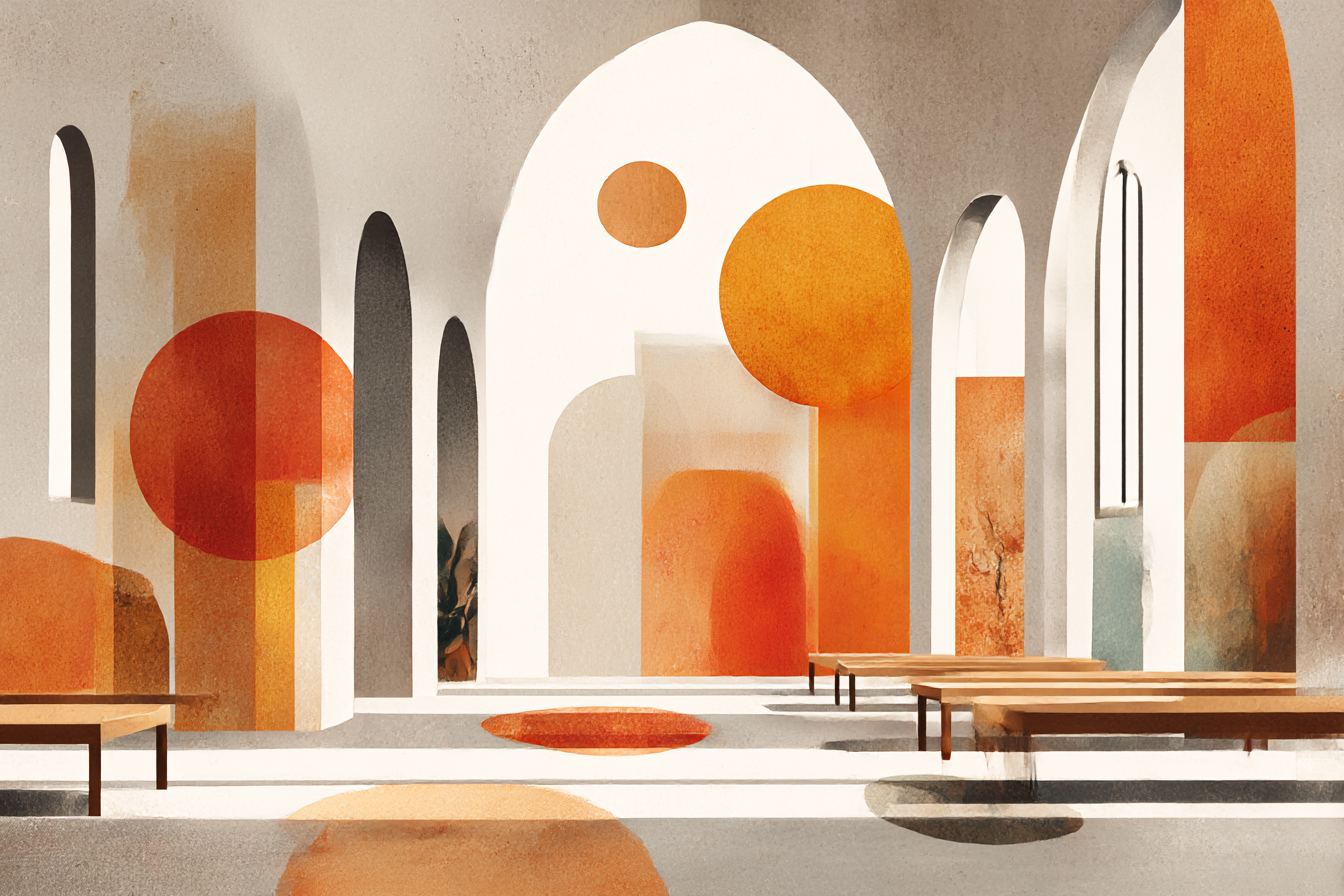
Probably not the DMV or a strip mall. Most likely somewhere with natural light, living elements, organic materials, views of sky or vegetation. Sacred spaces should feel like those places – environments that support the kind of deep rest and renewal that worship is supposed to provide.
<blockquote>I'm working with three different congregations right now on various renovation projects, and each one is discovering that connecting their interior spaces to natural elements isn't just aesthetically pleasing – it's functionally transformative. People linger longer, engage more deeply, and report feeling genuinely restored rather than just entertained or informed.</blockquote>
The most successful projects involve the congregation in the process. When people help select plants, participate in construction work, or contribute materials from their own properties, they develop deeper relationships with the space itself. One church I worked with created their meditation garden using stones brought by congregation members from meaningful places – hiking trails, family properties, vacation destinations. Every element carried personal significance while contributing to the collective healing environment.
That's what restorative worship design really means: creating spaces that don't just accommodate spiritual practice but actively support it through intentional integration with the natural systems that sustain all life. It's architecture that remembers we're biological beings with evolutionary connections to earth, water, wood, stone, and living plants – and designs accordingly.