
The moment I stepped into the Bardessono Hotel in Yountville three years ago, I knew something was different. Not in an obvious way – there wasn't a single orchid or feng shui fountain in sight. But my shoulders dropped about two inches, and I caught myself taking deeper breaths without even realising it. The lobby felt like an elegant tree house, with reclaimed wood surfaces that still carried the faint scent of the forest and floor-to-ceiling windows that made the vineyard outside feel like an extension of the interior space.
I was there consulting on a similar project – a boutique hotel in Sonoma that wanted to achieve what they called "that Bardessono feeling" without really understanding what created it. The general manager walked me through their property, pointing out all the standard hospitality amenities. Nice enough, sure.

But sterile. Disconnected. The kind of place where you'd book a room to sleep, not to restore.
It got me thinking about what we actually mean when we talk about "restorative" spaces in hospitality. Most hotels focus on thread counts and marble bathrooms – impressive, but they don't address what our nervous systems actually crave. We're wired to respond to certain environmental cues that signal safety and renewal. Water sounds. Natural light patterns. The subtle irregularities of organic materials. These aren't just aesthetic choices; they're biological necessities we've mostly forgotten about.
<blockquote>I've been tracking this shift in hospitality design for the past few years, and it's fascinating how properties that embrace genuine biophilic principles consistently outperform their competitors in guest satisfaction scores. Not because they're fancier – often they're not. But because they create environments that actually help people decompress.</blockquote>
Take the Proximity Hotel in Greensboro, North Carolina. I stayed there last fall while consulting on a nearby project. The building itself is aggressively sustainable – green roof, recycled materials, the works. But what made it memorable wasn't the environmental credentials; it was how those sustainable elements created this incredibly calming atmosphere. The green roof wasn't visible from most rooms, but somehow the building felt different. Quieter. More stable. Later I learned that the extensive plant coverage actually moderates temperature fluctuations and filters air quality in ways that guests can sense even if they can't articulate.
<img class="size-full" src="http://wonkydogltd.co.uk/medium/wp-content/uploads/2026/01/im1979_restorative_hospitality_design._ultra-realistichyper-d_168325de-d21f-4444-9420-5e952bd173fa_0.jpg" alt="im1979_restorative_hospitality_design._ultra-realistichyper-d_168325de-d21f-4444-9420-5e952bd173fa_0" />
The lobby featured this amazing living wall – not one of those high-maintenance installation pieces that look impressive but die within six months. This was integrated into the building's actual air circulation system. The plants weren't just decorative; they were functional components of the indoor environment. You could literally feel the difference in air quality. My usual travel sinuses didn't act up once.
But here's what really struck me: the front desk staff mentioned that guests consistently lingered longer in common areas compared to their sister properties. People were having actual conversations with strangers, which just doesn't happen in typical hotel lobbies. There's something about spaces that incorporate natural elements authentically – not just as decoration – that makes humans more social, more relaxed.
I started paying closer attention to this phenomenon during my travels. The Whitepod Hotel in Switzerland takes an entirely different approach – these canvas structures perched on wooden platforms that feel like sophisticated camping. Minimal intervention in the landscape, but maximum connection to the natural environment. The pods stay warm through efficient wood burning systems, and the interiors use locally sourced materials that smell faintly of alpine forests.
What impressed me most was how guests interacted with the space. Instead of staying glued to devices, people were constantly opening the front flaps to cheque the weather, arranging their gear on the wooden surfaces, adjusting the wood stove. They became active participants in their environment rather than passive consumers. That engagement seemed to create this deeper sense of satisfaction and rest.
You Might Also Like
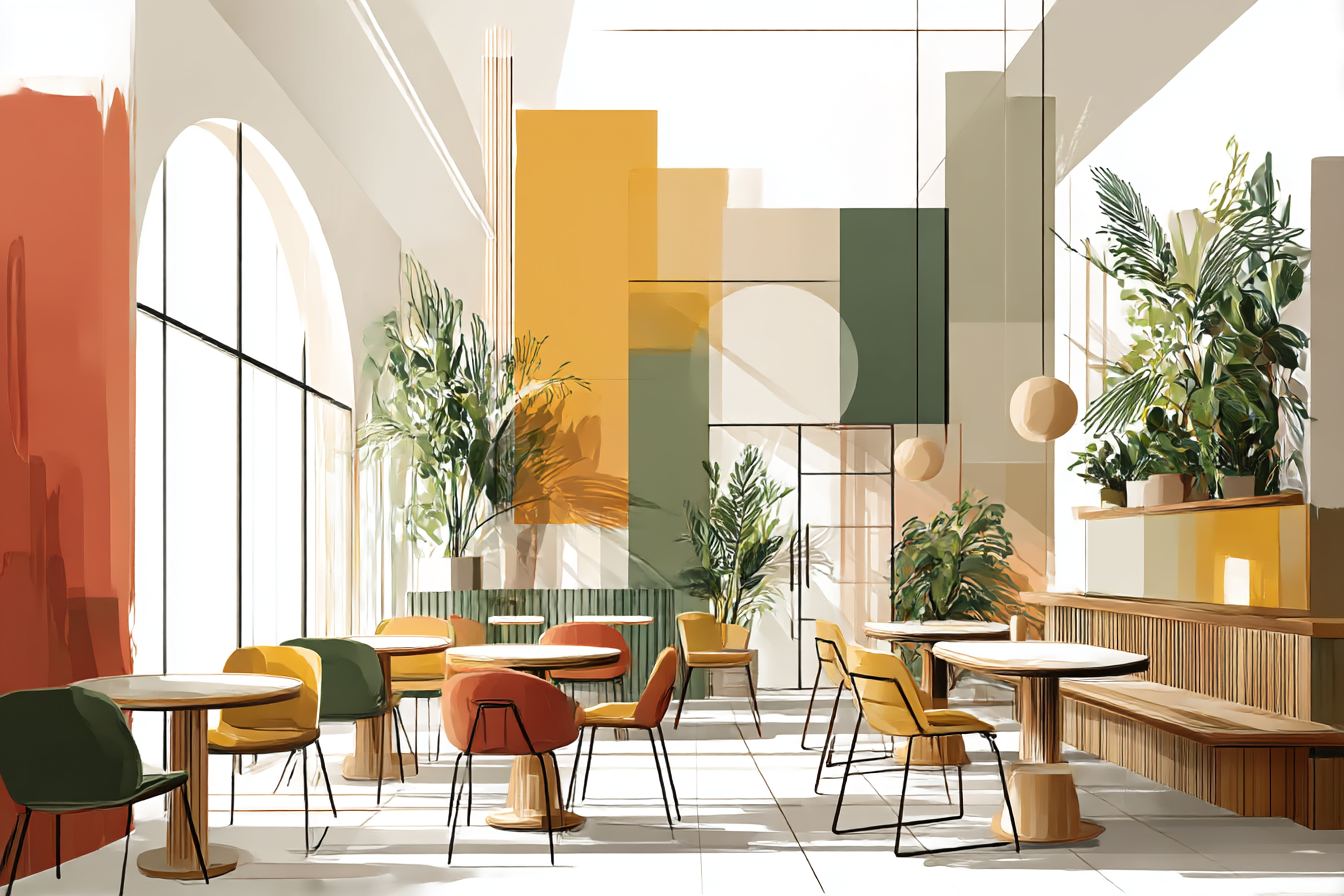
The hospitality industry is finally catching on, though implementation varies wildly. I've seen too many properties that think biophilic design means adding some potted plants and calling it a day. Real restorative hospitality design requires understanding how natural elements affect human physiology and psychology, then integrating those insights thoughtfully throughout the guest experience.
Lighting is probably the most underestimated element. Most hotels blast guests with uniform artificial light that completely disrupts circadian rhythms. But properties like 1 Hotels have started incorporating lighting systems that shift colour temperature throughout the day, mimicking natural light patterns. Guests report better sleep quality and fewer adjustment issues when traveling across time zones. It's not magic – it's just working with human biology instead of against it.
Materials matter enormously too. I recently consulted on a mountain resort renovation where the owners were torn between cost-effective vinyl flooring and reclaimed hardwood throughout the common areas. The price difference was significant, but I encouraged them to think beyond initial costs. Wood surfaces regulate humidity naturally, they age beautifully rather than showing wear, and they create acoustic properties that make conversations more comfortable.
Six months after completion, their online reviews consistently mentioned how "warm" and "welcoming" the space felt. Revenue per available room increased 18% year-over-year, largely because guests were extending stays and booking return visits. The wood floors required more maintenance than vinyl would have, but they created an experience worth paying for.
Water features present interesting opportunities and challenges in hospitality design. Done well, they can significantly reduce stress indicators – there's solid research showing that water sounds mask unpleasant ambient noise while triggering parasympathetic nervous system responses. Done poorly, they become maintenance nightmares and sources of contamination.
<img class="size-full" src="http://wonkydogltd.co.uk/medium/wp-content/uploads/2026/01/im1979_restorative_hospitality_design._ultra-realistichyper-d_168325de-d21f-4444-9420-5e952bd173fa_1.jpg" alt="im1979_restorative_hospitality_design._ultra-realistichyper-d_168325de-d21f-4444-9420-5e952bd173fa_1" />
I worked with a boutique hotel in Sedona that installed this incredibly simple water feature – essentially a carved stone channel that directed rainwater from the roof through a series of pools before draining into the landscape. During dry periods, a small recirculating pump kept water moving. The sound was subtle but constant, and guests consistently commented on how peaceful their rooms felt.
The system cost less than a typical fountain installation but integrated seamlessly with the building's function.
<blockquote>The most successful restorative hospitality projects I've observed share certain characteristics. They prioritize connection to local ecosystems rather than imposing generic "natural" themes. They use materials and systems that improve with age rather than deteriorate. Most importantly, they create opportunities for guests to engage with natural processes rather than simply observe them.</blockquote>
This isn't about creating artificial wilderness experiences. It's about recognising that humans function better when their built environments acknowledge our evolutionary history and biological needs. Hotels that understand this distinction are creating spaces where guests don't just stay – they actually restore.
I keep returning to that Bardessono experience because it demonstrated how subtle these interventions can be while still being profoundly effective. No grand gestures or obvious "nature themes." Just thoughtful integration of natural materials, light, air, and space that created an environment where restoration happened naturally. That's what genuine biophilic hospitality design accomplishes – spaces where healing occurs without guests even realising why they feel so much better.