Standing in my neighbour's driveway last Tuesday, watching her systematically demolish what had been a thriving front yard garden to make room for more concrete parking, I couldn't help but think about how backwards we've gotten this whole neighborhood thing.
She apologized as she worked, explaining how the HOA had been pressuring residents to "clean up" their properties. Apparently, her mix of native wildflowers, vegetable beds, and meandering stone pathways didn't fit their vision of suburban perfection. "It's just easier this way," she sighed, loading another wheelbarrow with uprooted lavender.
<blockquote>This scene keeps replaying in my head because it represents everything I've come to understand about why so many of our communities feel exhausting rather than energizing. We've designed neighborhoods that drain us instead of restore us – and we've somehow convinced ourselves this is normal.</blockquote>
The whole concept of restorative community design hit me like a revelation about three years ago when I was consulting on a mixed-use development in Portland. The developer initially wanted the standard formula: maximum density, minimum green space, parking-dominated streetscapes. You know the drill. But the site had this incredible mature oak grove that would've been bulldozed in the typical approach.
I pushed hard for a different strategy – what if we designed around those trees instead of despite them?
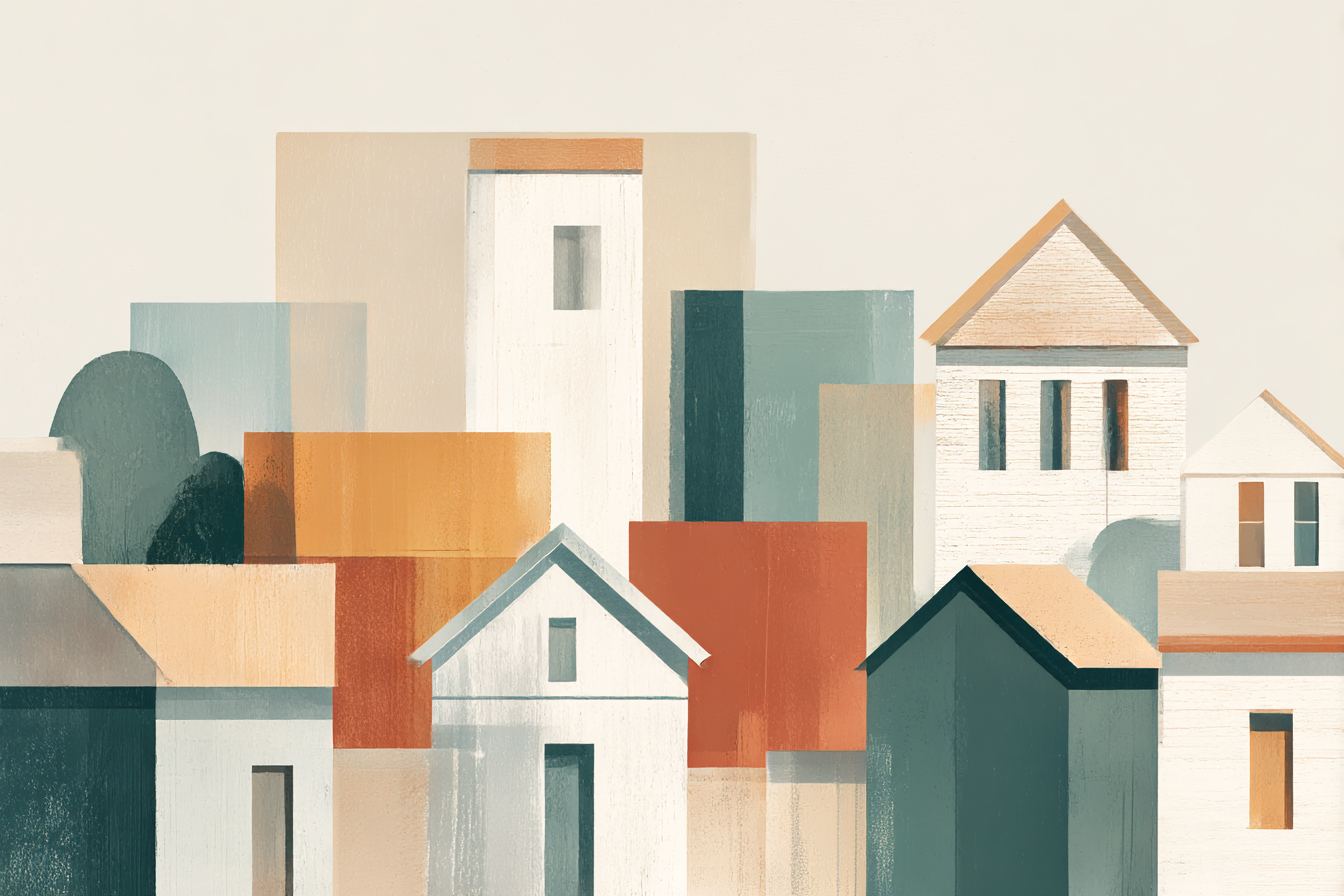
What if the entire community layout supported both ecological health and human wellbeing? The developer was skeptical until I showed him research on property values in tree-rich neighborhoods. Suddenly, restoration became financially attractive.
<img class="size-full" src="http://wonkydogltd.co.uk/medium/wp-content/uploads/2026/01/im1979_restorative_community_design._ultra-realistichyper-det_51b183a7-41ee-46d6-8478-183df5334467_0.jpg" alt="im1979_restorative_community_design._ultra-realistichyper-det_51b183a7-41ee-46d6-8478-183df5334467_0" />
That project taught me something crucial about how communities can actually heal both people and ecosystems when we stop treating them as separate concerns. The finished development includes walking paths that follow natural drainage patterns, community gardens integrated with stormwater management, and housing clusters oriented to maximize both privacy and connection to shared green spaces. Residents tell me they feel more energetic, sleep better, and know their neighbours' names – not exactly typical suburban outcomes.
Here's what I've learned about neighborhoods that actually restore balance rather than depleting it: they work with natural systems instead of against them. I mean, this sounds obvious when you say it out loud, but visit any recent subdivision and you'll see the opposite everywhere. We grade sites flat, install grass that needs constant irrigation, and channel rainwater into pipes as fast as possible. Then we wonder why these places feel sterile and require so much maintenance.
Real restorative design starts with understanding what was there before we arrived. Last year I worked with a community in Colorado that was built on what had been prairie grassland. Instead of fighting the natural conditions with exotic landscaping, we restored native grass corridors between housing clusters. These areas need virtually no irrigation, provide habitat for local wildlife, and create this incredible sense of seasonal rhythm that residents say helps them feel more grounded.
The social restoration aspect is equally important, though it's trickier to measure. I've noticed that neighborhoods with more natural elements – mature trees, accessible green spaces, community gardens – foster more casual interactions between residents. There's something about shared care for living systems that builds community bonds differently than purely social programming.
My own neighborhood in Philadelphia has become an accidental case study in this. When I moved here five years ago, most front yards were either concrete or struggling grass. A few of us started replacing our lawns with native plant gardens, and something interesting happened. Neighbours began stopping to ask about the plants, which led to conversations about rainwater management, which evolved into informal plant swaps, which somehow resulted in a loose network of people who look out for each other's properties and pets.
We didn't set out to create community – we just wanted better functioning landscapes. But apparently there's something about working with natural systems that naturally builds social systems too.
You Might Also Like
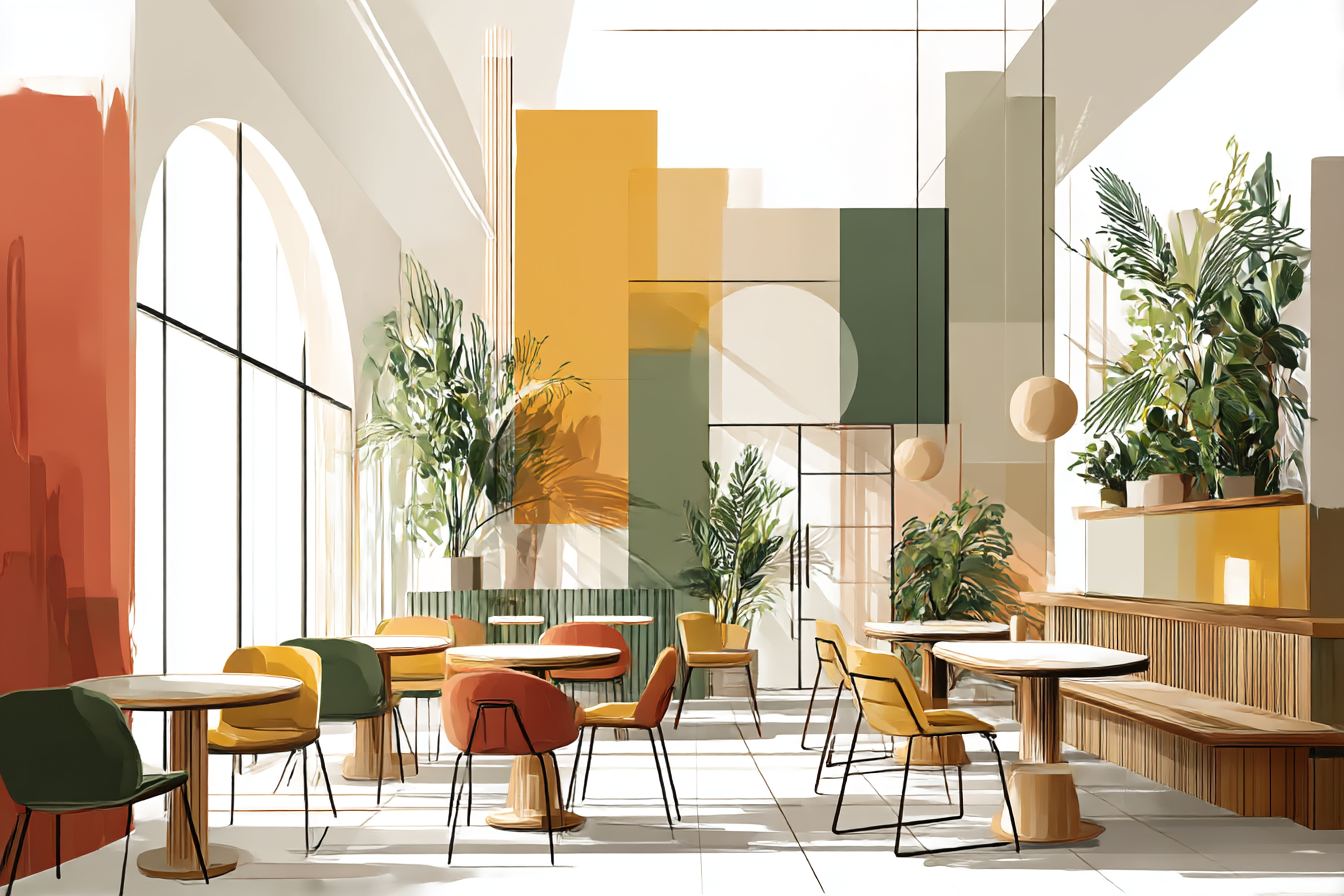
This connection between ecological and social health shows up repeatedly in the research. Communities with more tree cover have lower crime rates, better mental health outcomes, and stronger social cohesion. Kids in these areas spend more time playing outside and demonstrate better attention regulation. Property values remain more stable during economic downturns.
But here's where it gets complicated – implementing restorative design requires thinking long-term in a culture obsessed with immediate results. The oak grove in that Portland project took decades to develop. Native plant communities need several growing seasons to establish. The social benefits of community gardens emerge gradually as people learn to work together.
This timeline challenge is why I've become passionate about retrofit approaches rather than just new development. Most of us live in existing neighborhoods that weren't designed with restoration in mind. But there's incredible potential for incremental changes that add up to significant transformation.
Take stormwater management, for example. Instead of expensive infrastructure upgrades, neighborhoods can install rain gardens, permeable paving, and bioswales that handle runoff while creating beautiful, habitat-rich spaces. I helped coordinate this approach in a Philadelphia neighborhood where residents were frustrated with flooding issues. The solution involved dozens of small interventions across many properties rather than one large engineering project.
The process took three years and required extensive community coordination, but the results go far beyond flood control. The neighborhood now has these meandering green corridors that connect previously isolated properties, provide bird habitat, and create natural gathering spots where people pause to chat while walking their dogs.
Food systems offer another powerful entry point for restorative community design. I'm currently working with a suburban development where the homeowners' association is converting decorative landscape areas into productive community orchards and vegetable gardens.
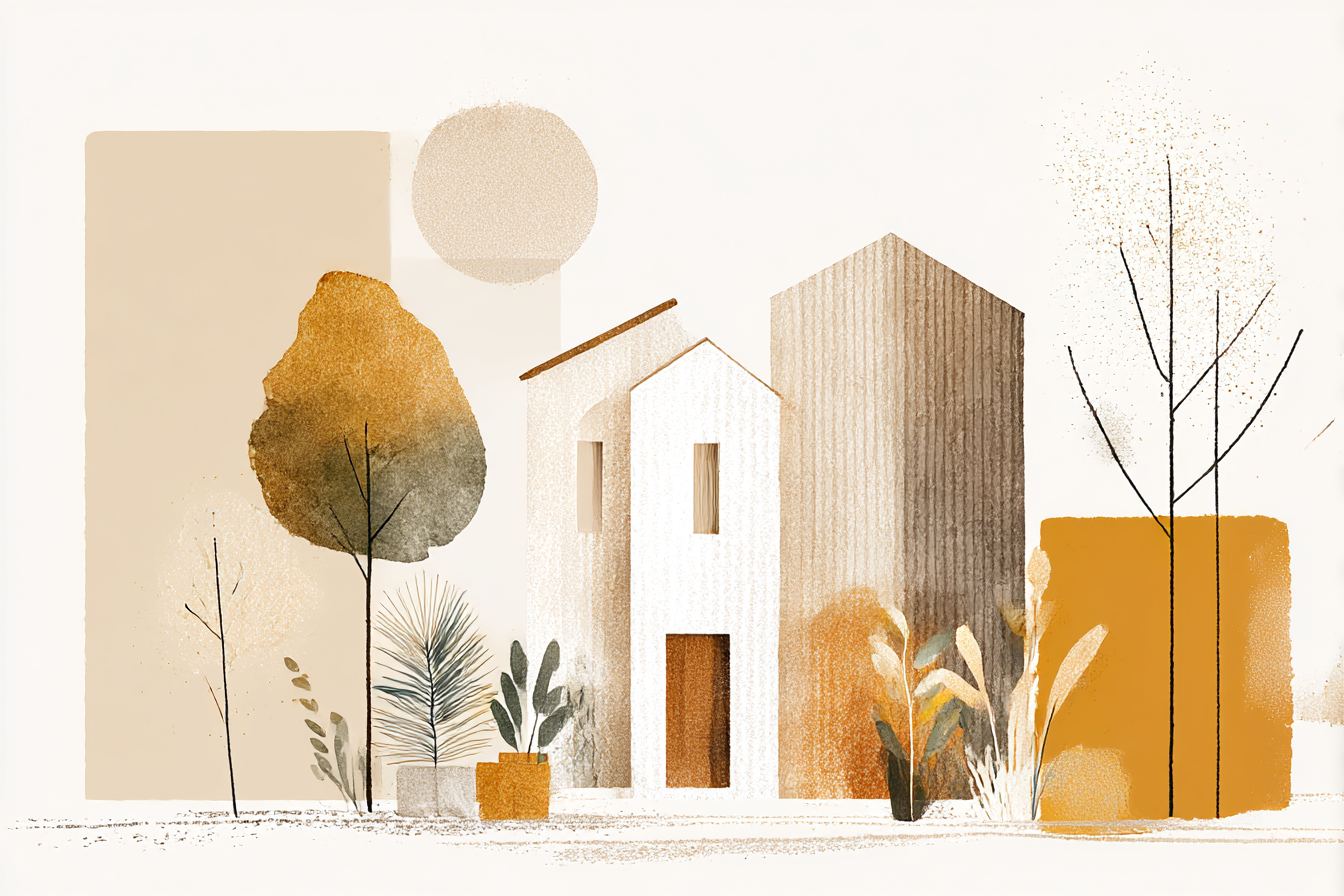
The maintenance costs are actually lower than the previous lawn-heavy approach, and residents report feeling more connected both to their food sources and to each other.
These projects work because they address multiple needs simultaneously – ecological restoration, community building, practical problem-solving, and beauty. When you can demonstrate that natural approaches are also more economical and socially beneficial, resistance tends to melt away pretty quickly.
<img class="size-full" src="http://wonkydogltd.co.uk/medium/wp-content/uploads/2026/01/im1979_restorative_community_design._ultra-realistichyper-det_51b183a7-41ee-46d6-8478-183df5334467_1.jpg" alt="im1979_restorative_community_design._ultra-realistichyper-det_51b183a7-41ee-46d6-8478-183df5334467_1" />
The key is starting small and proving concepts before scaling up. In my experience, one successfully restored block can influence an entire neighborhood's approach to development and maintenance. People see their neighbours' thriving native gardens or productive food forests and start questioning why they're spending so much time and money maintaining sterile landscapes.
<blockquote>What really excites me about restorative community design is how it challenges the fundamental assumption that human settlements must degrade natural systems. When done thoughtfully, our neighborhoods can actually improve local ecological conditions while providing better living environments for residents.</blockquote>
This isn't about returning to some imagined pre-industrial past – it's about applying current knowledge about ecology, psychology, and social dynamics to create communities that support both human and ecological wellbeing. We know enough now to design neighborhoods that clean air and water, provide habitat for wildlife, produce food, and foster social connection.
The question isn't whether we can create restorative communities – it's whether we'll choose to do so. And honestly, watching my neighbour pave over her beautiful garden suggests we still have significant cultural work to do alongside the design work. But every restored block, every community garden, every rain garden that prevents flooding while supporting local birds represents progress toward neighborhoods that heal rather than harm.