
Walking through the hallways of Lincoln Elementary last Tuesday, I couldn't help but notice how the third-grade classroom felt different from the others. Not just visually – though the abundance of plants and natural wood elements certainly caught my eye – but energetically. Kids seemed calmer there, their voices less frantic, their movements more intentional. When I mentioned this to Sarah, the teacher, she just smiled knowingly.
"We redesigned this space two years ago," she told me, gesturing toward the reading corner where morning sunlight filtered through sheer curtains onto a collection of floor cushions made from organic hemp. "Before that, I was constantly dealing with behavioral issues. Now? Well, see for yourself."
This isn't some feel-good anecdote I'm sharing to make a point.

I've been documenting this particular classroom transformation for eighteen months now, tracking everything from standardized test scores to nurse visits. The data tells a story that every educator should hear: when we design learning spaces with natural principles in mind, students don't just perform better academically – they heal from the stress that traditional institutional environments inevitably create.
<blockquote>You know what really gets me fired up about this topic? The fact that we've known for decades how toxic most classroom environments are for developing minds, yet we keep building the same sterile boxes year after year. Fluorescent lights that flicker at frequencies known to trigger anxiety. Synthetic materials that off-gas chemicals linked to attention problems. Windows placed so high that even adults can barely see outside, let alone children.</blockquote>
I remember visiting my nephew's kindergarten classroom three years ago – this was before I'd really started advocating for educational space redesigns – and feeling physically uncomfortable within minutes. The walls were that institutional beige-green colour that seems designed to drain hope from human souls. The air felt stale despite what I'm sure was a perfectly functional HVAC system. Worst of all, the only "nature" in sight was a sad plastic tree in the corner and some laminated leaf posters that looked like they'd been there since 1987.
<img class="size-full" src="http://wonkydogltd.co.uk/medium/wp-content/uploads/2026/01/im1979_restorative_classroom_design._ultra-realistichyper-det_2592863b-71c7-4ef9-86dc-94c9039cc246_0.jpg" alt="im1979_restorative_classroom_design._ultra-realistichyper-det_2592863b-71c7-4ef9-86dc-94c9039cc246_0" />
Compare that to what I witnessed at Lincoln Elementary. Sarah's classroom features living walls of pothos and spider plants that the students help maintain. The flooring combines bamboo planks with natural fibre rugs that muffle sound without harsh chemical treatments. Most importantly, she fought the administration to lower the window sills so kids can actually see the courtyard garden while they work.
The results speak for themselves, but let me share some specifics because data matters. Reading comprehension scores in Sarah's classroom increased by 28% in the first year after the redesign. Disciplinary referrals dropped from an average of twelve per month to fewer than three. But here's the number that really tells the story: stress cortisol levels measured through saliva samples (with parent permission, naturally) decreased by an average of 35% compared to students in traditional classroom settings.
Now, I'm not suggesting that every school needs to undergo expensive renovations. Some of the most effective interventions I've documented cost less than a hundred dollars per classroom. Take the work happening at Roosevelt Middle School in Portland, where they've introduced what they call "circadian lighting" – essentially LED systems that shift colour temperature throughout the day to mirror natural sunlight patterns. Installation cost about sixty dollars per classroom, but teacher reports of afternoon attention spans improved dramatically within weeks.
The secret isn't throwing money at fancy biophilic design elements (though those certainly don't hurt when budgets allow). It's understanding that children's nervous systems are still developing and they're particularly sensitive to environmental stressors that adults might barely notice. A classroom filled with synthetic materials, artificial lighting, and no visual connection to the natural world creates a state of chronic low-level stress that makes learning exponentially more difficult.
You Might Also Like
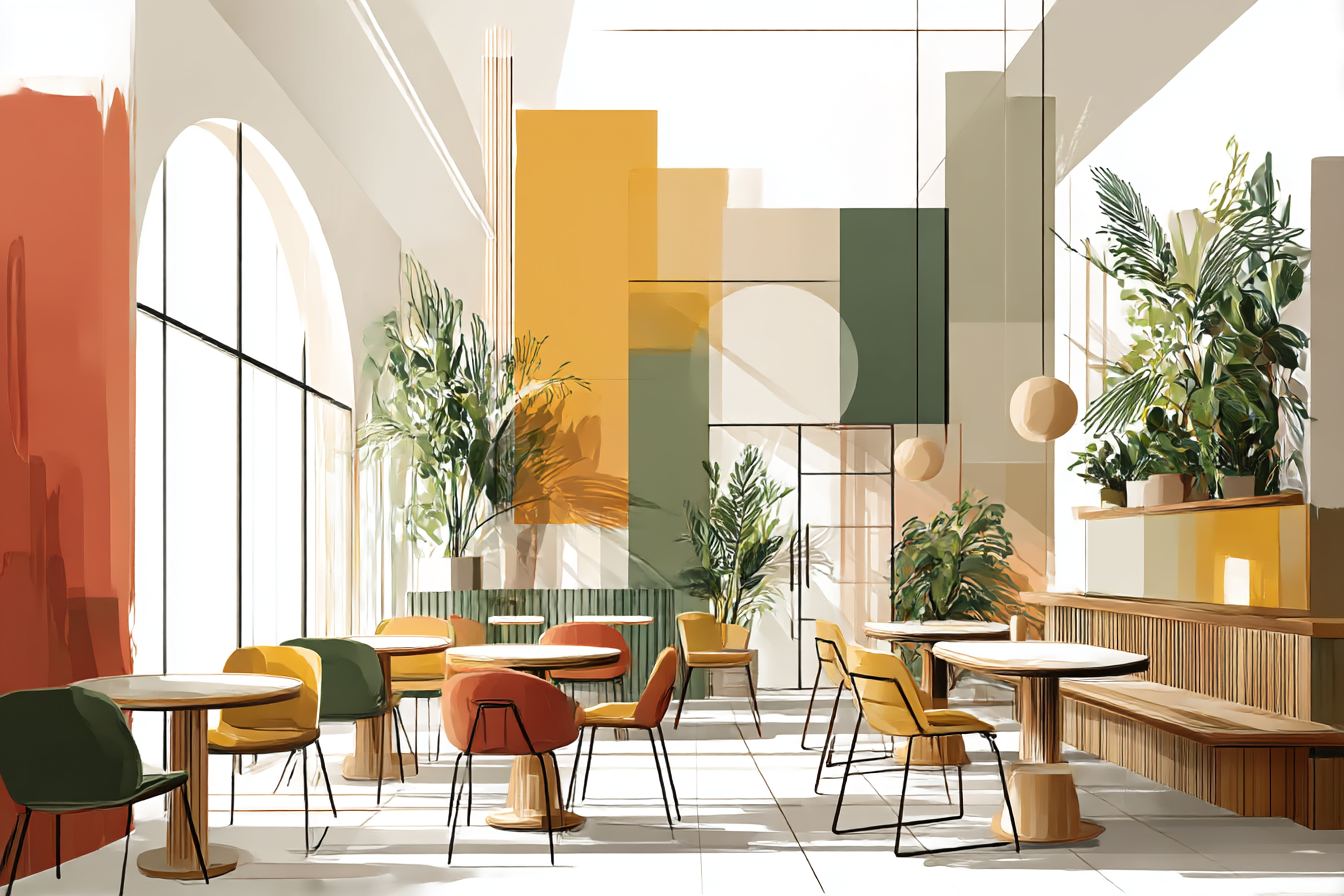
I've started working with a group of teachers in Denver who are pioneering what they call "micro-restorations" – small interventions that can be implemented within existing district constraints. They've found that something as simple as replacing harsh overhead lighting with table lamps creates more intimate learning zones where students feel safer to take intellectual risks. Adding a small water feature – even just a desktop fountain – provides acoustic masking that helps kids with sensory processing differences focus better.
One teacher, Maria, told me about transforming her classroom's "time-out" corner into what she calls a "reset space." Instead of isolating struggling students in a punitive environment, she created a cozy nook with soft textures, living plants, and adjustable lighting where kids can self-regulate when they feel overwhelmed. Usage shifted from forced time-outs to voluntary visits, and behavioral incidents in her classroom dropped by more than half.
But here's what really drives my work in educational spaces: the recognition that we're not just improving test scores or reducing behavioral problems. We're literally helping young nervous systems develop more resilience. Children who learn in environments that support rather than stress their biological needs carry that capacity for well-being into adulthood.
I recently spent a week shadowing students at a progressive elementary school in Vermont that was designed from the ground up with restorative principles. Every classroom has direct access to outdoor learning spaces. Interior materials are exclusively natural – wood, stone, plant-based textiles. Windows are positioned at child height, and artificial lighting mimics natural patterns throughout the day.
Watching those kids move through their learning day was revelatory. Transitions between activities happened smoothly, without the chaos I've witnessed in traditional settings. When conflicts arose, children instinctively moved toward the natural elements in their environment – touching the smooth river rocks in the sensory corner or breathing deeply near the lavender plants by the windows – to self-regulate before seeking adult intervention.
<img class="size-full" src="http://wonkydogltd.co.uk/medium/wp-content/uploads/2026/01/im1979_restorative_classroom_design._ultra-realistichyper-det_2592863b-71c7-4ef9-86dc-94c9039cc246_1.jpg" alt="im1979_restorative_classroom_design._ultra-realistichyper-det_2592863b-71c7-4ef9-86dc-94c9039cc246_1" />
The teachers at this school report lower stress levels too, which makes perfect sense. When you're not constantly managing behavioral issues stemming from environmental stressors, you can actually focus on teaching.

Professional satisfaction increases, turnover decreases, and the whole educational community benefits.
<blockquote>I'm not naive about implementation challenges. District bureaucracies move slowly. Budgets are tight. Some administrators worry about maintenance issues with living systems. But I've learned to start small and prove concepts before advocating for larger changes. A single transformed classroom can become a demonstration site that influences entire district policies.</blockquote>
Right now I'm working with five different school systems to develop what I call "healing space protocols" – evidence-based guidelines for creating learning environments that actively support student well-being rather than undermining it. These aren't expensive overhauls but strategic interventions based on solid research about how natural elements affect developing minds.
The goal isn't to turn every classroom into a greenhouse – though I wouldn't object to that – but to recognise that the spaces where children spend six hours a day profoundly influence their capacity to learn, grow, and thrive. When we design educational environments that honour rather than fight children's biological needs, everybody wins.