Walking into a construction site last Tuesday, I watched a crew installing what the spec sheet called "eco-friendly" drywall. The project manager proudly explained how they were using recycled content materials throughout the build. I nodded politely, then noticed the adhesive they were applying contained formaldehyde levels that would off-gas for months. This happens constantly in our industry – we get so focused on one green attribute that we miss the bigger picture of how materials actually work together as a system.
After twenty years of testing materials and watching buildings perform, I've learned that sustainable construction isn't about swapping out individual products. It's about understanding how every component interacts with every other component, and how those interactions affect human health, environmental impact, and long-term building performance. You can't just slap bamboo flooring over conventional subfloor adhesives and call it sustainable.

The whole assembly needs to work together.
Last month, I was consulting on a school renovation where the architect had specified cork flooring, reclaimed wood ceiling panels, and low-VOC paint. Sounds great, right? Except nobody considered that the original concrete slab had a moisture problem. Within six months, that beautiful cork flooring was cupping and buckling because moisture was wicking up from below. We ended up having to remove everything and start over with proper moisture mitigation. The materials weren't the problem – the system design was.
This is why I always start material selection by understanding the building envelope. How does water move through the structure? How does air move? What are the thermal dynamics? You've got to get these fundamentals right before you even think about finish materials. I've seen too many "green" buildings fail because someone prioritized sexy materials over basic building science.
The envelope starts with your foundation system. Concrete might not seem exciting, but choosing the right concrete mix can dramatically impact your building's carbon footprint. Standard Portland cement production accounts for about 8% of global CO2 emissions, which is massive. But there are alternatives that most builders don't even know about. Fly ash and slag cement can replace 30-50% of Portland cement in most applications, cutting embodied carbon by half while often improving long-term durability.
I tested this on my own foundation repair project a few years back. My 1950s basement had developed some settling cracks that needed patching. Instead of standard concrete, I used a mix with 40% fly ash replacement. The contractor was skeptical at first – he'd never worked with it before. But the stuff performed beautifully, actually achieved higher compressive strength than the original concrete, and cost about the same. Two years later, those repairs still look perfect while some patches done with standard concrete on the neighbour's foundation are already showing hairline cracks.
Moving up to the wall systems, this is where material interactions get really complex. Your wall isn't just structural framing plus sheathing plus siding. It's a complete assembly that needs to manage structural loads, thermal performance, moisture control, air sealing, and potentially fire resistance. Every layer affects every other layer.
Take insulation choices. Everyone gets excited about exotic options like sheep's wool or recycled denim, and honestly, I love those materials. But if you're building in a humid climate and your wall design doesn't account for moisture management, even the best natural insulation can become a mold problem. I learned this the hard way when I specified wool batts for a client in North Carolina without adequately addressing vapor control. Beautiful insulation, terrible outcome.
The key is matching your insulation strategy to your climate zone and wall assembly. Continuous exterior insulation works great in cold climates but can create moisture problems in hot, humid regions unless you really know what you're doing. Spray foam performs well but comes with durability questions and chemical concerns. Cellulose is fantastic in many applications but needs protection from moisture. There's no universal best answer – it all depends on context.
Roofing systems present their own material coordination challenges. I was recently involved in a project where the owner wanted metal roofing for durability and recyclability. Good choice. But the original design called for traditional asphalt felt underlayment, which would degrade long before the metal roofing needed replacement. We switched to a synthetic underlayment with a 50-year warranty, so the whole system would age together. That coordination saved the owner from having to tear off perfectly good metal roofing just to replace failed underlayment.
You Might Also Like
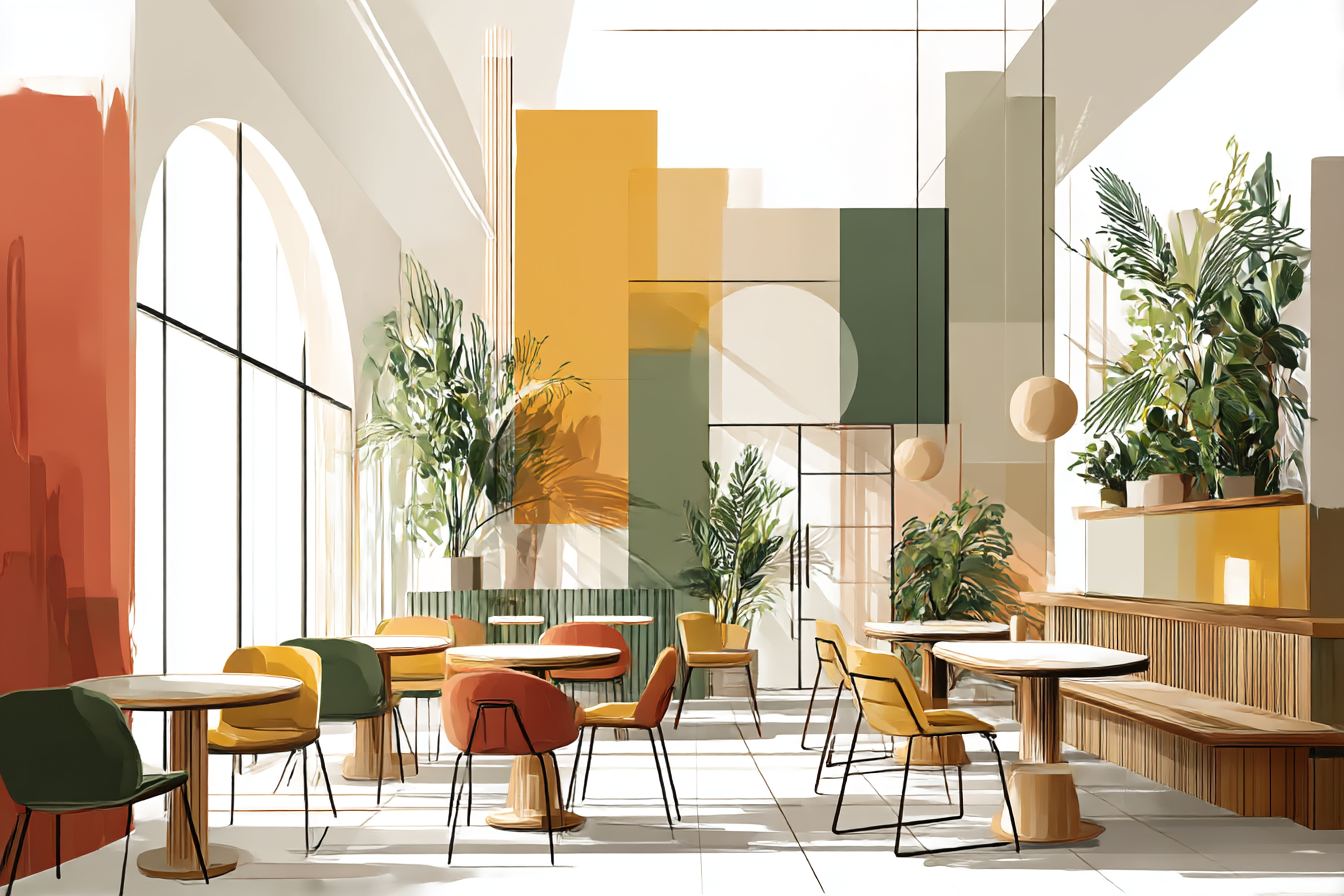
Interior systems need the same systematic thinking. Flooring, wall finishes, and ceiling materials all contribute to indoor air quality, thermal comfort, and acoustic performance. I always tell clients to think about their interior as an ecosystem. What you put on the walls affects air quality. What you put on the floors affects comfort and maintenance. Everything connects.
Hardwood flooring is a perfect example. Everyone loves the look of natural wood, and it can be an excellent sustainable choice if you source it responsibly. But the finish system matters enormously. Traditional polyurethane finishes are durable but continue off-gassing for months. Oil-based finishes penetrate the wood and require regular maintenance but have minimal chemical emissions. Water-based options fall somewhere in between.
I've been testing different hardwood finish systems in different rooms of various buildings over the past five years. My current favorite is actually an old-school approach – tung oil with carnauba wax topcoats. Takes longer to apply and cure, requires more maintenance, but creates a beautiful, completely non-toxic finish that actually improves with age. Not right for every application, but perfect where appropriate.
The bathroom presents unique challenges because you're dealing with high moisture loads and need materials that can handle repeated wet-dry cycles. Tile is obvious, but what about the substrate? Standard cement backer board works but has high embodied carbon. Fibre cement boards perform similarly with lower environmental impact. For shower areas, I've been experimenting with mineral-based panels that provide excellent moisture protection while being completely recyclable.
Kitchen material selection involves similar moisture considerations plus thermal cycling from cooking equipment and the need for surfaces that can handle food preparation safely. Natural stone countertops are beautiful but porous stones can harbor bacteria without proper sealing. Engineered quartz surfaces are non-porous but often contain high recycled content, though the manufacturing process is energy-intensive.
I recently helped a client choose materials for a complete kitchen renovation. They wanted sustainable options but also needed surfaces that could handle serious cooking – this wasn't a decorative kitchen. We ended up with locally quarried soapstone countertops (naturally non-porous, improves with age), reclaimed chestnut cabinets (100+ years old, gorgeous patina), and cork flooring (renewable, comfortable underfoot, naturally antimicrobial). Three years later, that kitchen still looks fantastic and performs beautifully.
The heating and cooling systems create their own material requirements. Radiant floor heating works wonderfully with concrete floors or tile but can damage some hardwood species. Heat pumps are incredibly efficient but need proper ductwork design to function optimally. Even vent placement affects how well sustainable materials perform – put a supply vent directly on hardwood flooring, and you'll create moisture problems.
What I've learned through all this testing and project work is that sustainable building material selection requires thinking like a systems engineer, not like someone picking items from a catalogue. Every choice affects every other choice. The most environmentally responsible approach isn't necessarily choosing the greenest individual materials – it's creating assemblies that work together effectively, last as long as possible, and can be maintained with minimal environmental impact.
This systems thinking changes how you approach material research too. Instead of just reading manufacturer spec sheets, you need to understand how materials behave in real buildings over time. How do they age? How do they interact with other materials?

What happens when things go wrong? Some of my most valuable knowledge comes from buildings that failed, where I could see exactly how material choices contributed to problems.
Building sustainably isn't about finding perfect materials – it's about making informed choices that work well together in your specific situation. Climate matters. Budget matters. Maintenance capacity matters. Local availability matters. The most sustainable solution is usually the one that balances all these factors rather than optimizing for any single criterion. That requires understanding not just individual materials but how they function as integrated systems serving human needs while minimizing environmental harm.