You know, I never expected to become obsessed with yoga studios, but here we are. It started when my chiropractor – Dr. Martinez, who's been putting my spine back together for years – suggested I try yoga for my perpetually tight shoulders. "Find a place that doesn't feel like a gym," she said, which honestly didn't narrow it down much in Philadelphia.
The first studio I visited was this sterile, mirror-lined space in a converted office building. Fluorescent lights, beige carpeting, and that unmistakable smell of industrial cleaning products mixed with sweat. I lasted exactly one session. The instructor kept talking about "connecting with nature" while I stared at my reflection bouncing off three different mirrors under buzzing artificial light.
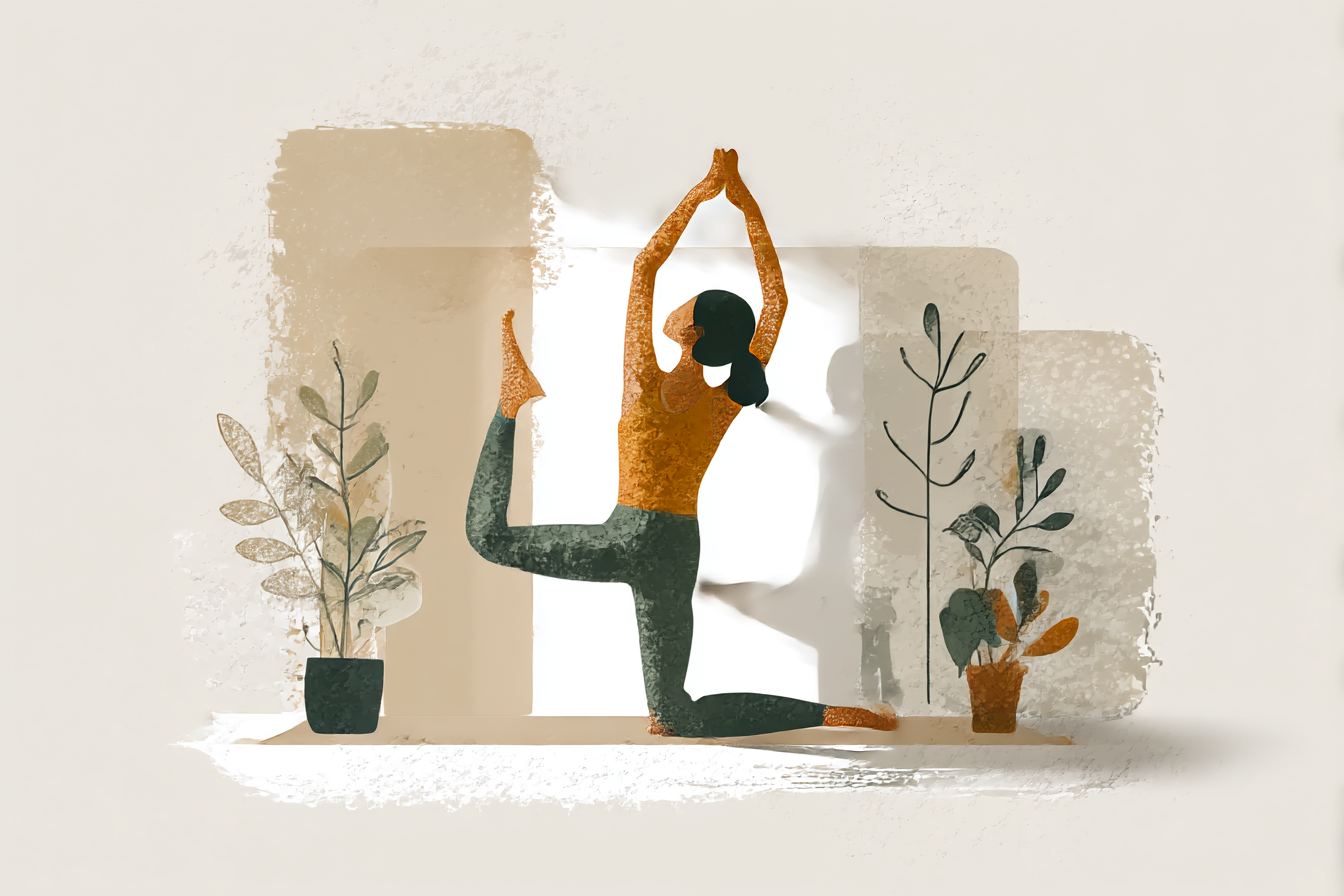
The disconnect was almost comical.
That experience got me thinking – how could spaces designed for mindfulness and body awareness be so utterly disconnected from the natural elements that humans inherently need? It's like trying to meditate in a sensory deprivation chamber while someone plays nature sounds through tinny speakers.
Three weeks later, I stumbled into what became my regular practice space. Tucked into the ground floor of a converted brownstone, this studio immediately felt different. Large windows faced east, letting morning light flood across reclaimed oak floors. Living walls of pothos and snake plants created natural room dividers, and they'd installed these incredible skylights that tracked the sun's movement throughout the day.
The difference wasn't just aesthetic – though I'll admit, it was gorgeous. During my first class there, I noticed something remarkable happening. My breathing naturally deepened. My mind stopped racing through my project deadlines. Even the other practitioners seemed more… settled, I guess? Less fidgety, more present.
This sparked what became a two-year investigation into biophilic yoga spaces. I started visiting studios across different cities, documenting design elements and their effects on both my practice and the general atmosphere. What I discovered reinforced everything I'd learned about human-nature connections in other building types, but with some unique considerations specific to yoga environments.
Natural light, it turns out, is absolutely crucial for yoga practice – but not just any light. The harsh, direct sunlight streaming through south-facing windows can create uncomfortable hot spots and glare that disrupts concentration. The most successful studios I visited used clerestory windows, skylights, or strategically placed east and north-facing openings to provide consistent, gentle illumination that shifted gradually throughout the day.
One studio in Portland had installed these gorgeous wooden louvers that could be adjusted to control light intensity while maintaining natural illumination. The instructor could fine-tune the lighting based on the class type – brighter for energizing morning sessions, softer for restorative evening practices. It's that kind of thoughtful integration that separates good biophilic design from token gestures.
The material choices in these spaces matter more than I initially realised. During a particularly intense heated class (which I now avoid because, honestly, I'm not built for that level of suffering), I became acutely aware of how different flooring materials affected my practice. The synthetic rubber mats over concrete felt dead and lifeless. But in studios with natural wood or bamboo flooring, there's this subtle give and warmth that makes balancing poses feel more grounded.
I spent an entire afternoon at a studio in Seattle that had incorporated reclaimed cedar planks from an old-growth forest. The wood had developed this beautiful patina over decades, and you could actually smell it faintly during practice – not overpowering, just this gentle, earthy backdrop that seemed to slow everyone's breathing automatically.
Plants in yoga spaces serve multiple functions beyond visual appeal. The obvious benefit is air purification – particularly important in rooms where 20-30 people are breathing deeply for an hour. But I've noticed that strategically placed greenery also provides natural focal points for drishti (that steady gaze technique). Rather than staring at blank walls or mirrors, having living plants creates these organic anchor points that feel much more natural.
You Might Also Like
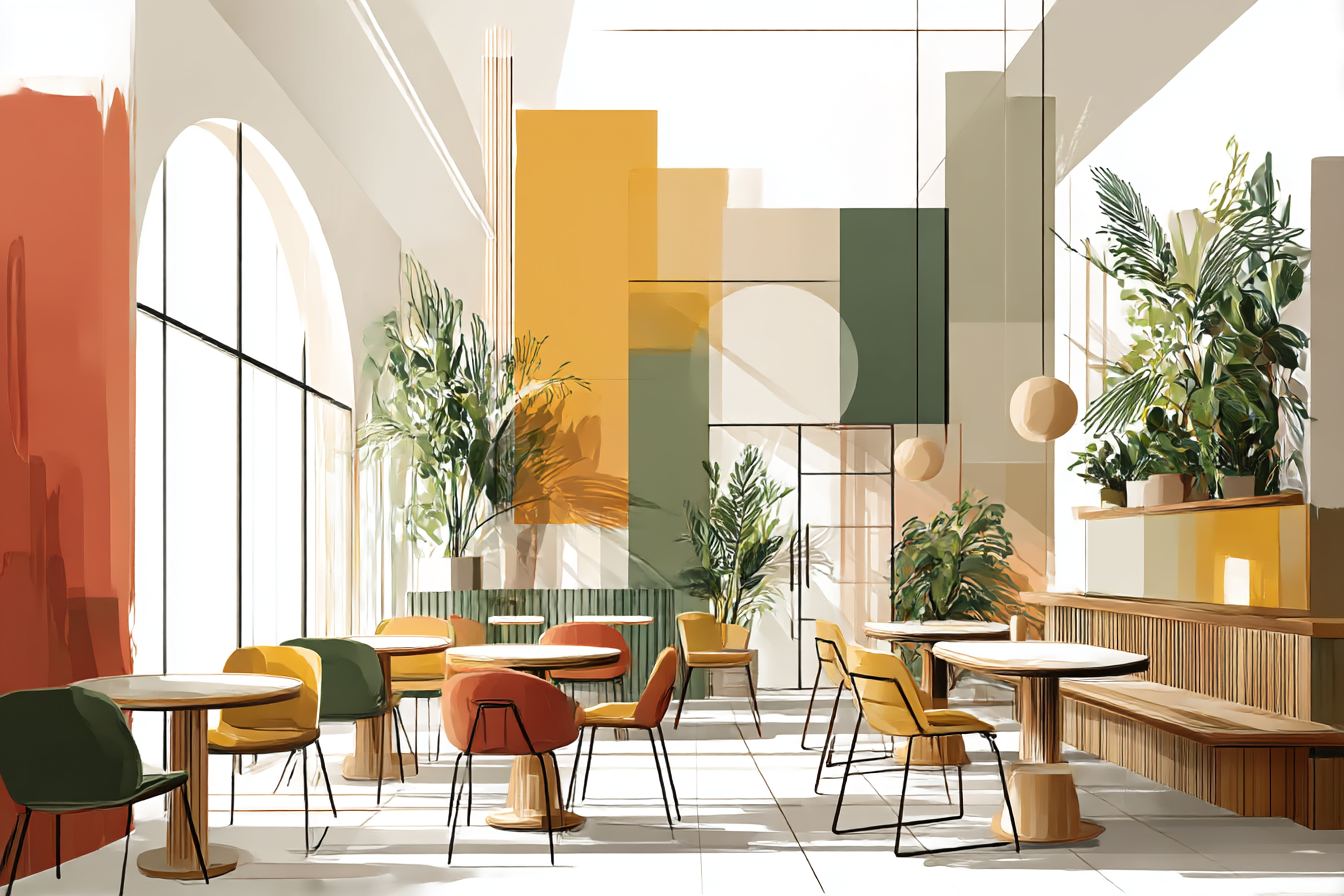
The best implementation I've seen was at a studio in Boulder that created different "zones" using plant groupings. Taller plants like fiddle leaf figs and bird of paradise created natural room divisions, while trailing plants from elevated planters softened the ceiling lines. During savasana (final relaxation), lying there surrounded by gentle green movement from the HVAC system was incredibly soothing.
Water features, when done well, can completely transform the acoustic environment of a yoga space. Cities are loud, and even well-insulated studios can't completely block traffic noise, construction sounds, or the general urban hum. I've practiced in several studios that incorporated subtle water elements – not the overly dramatic indoor waterfalls you see in some spas, but simple fountains or even just the gentle bubbling of aquarium filters.
There's this studio in Denver that installed a narrow water channel along one wall, maybe three inches wide, with water flowing over river rocks. The sound creates this natural white noise that masks external distractions without being distracting itself. Plus, the slight humidity it adds to the air feels amazing, especially during Colorado's dry winters.
Temperature and humidity control becomes more complex when you're incorporating living elements, but it's not insurmountable. The trick is choosing plant species that thrive in the same conditions humans find comfortable. Snake plants, ZZ plants, and many ferns actually prefer the 68-72 degree range that's ideal for yoga practice.
One studio owner in Minneapolis told me about their initial struggles with plant selection during harsh winters. They'd installed beautiful tropical plants that couldn't handle the dry, heated air. After losing several expensive specimens, they worked with a local botanist to select cold-hardy species that could tolerate the dramatic seasonal changes. Now their space stays green and lively year-round.
The psychological effects of these design choices extend beyond individual practice to community building. I've observed that people tend to arrive earlier and linger longer in nature-connected spaces. There's more casual conversation before and after classes, more genuine connections forming between practitioners. It's as if the natural elements create a more relaxed social atmosphere.
This was particularly evident during a weekend workshop I attended at a studio that had created an outdoor practice deck surrounded by native plantings.
Between sessions, people naturally gathered on the deck, continuing discussions about poses and breathing while surrounded by rustling grasses and visiting birds. The conversations felt more authentic than typical studio small talk.
Creating these spaces isn't without challenges. Maintenance requirements increase significantly when you introduce living systems. Plants need appropriate watering schedules, seasonal adjustments, and occasional replacement. Natural materials require different cleaning protocols than synthetic alternatives. Initial costs are often higher, and some insurance companies have concerns about slip hazards from wood flooring or potential water damage from irrigation systems.
But the benefits – both for individual practice and business sustainability – seem to far outweigh these challenges. Every studio owner I've spoken with who's committed to biophilic principles reports higher client retention, more positive reviews, and interestingly, fewer complaints about minor issues like temperature or scheduling changes.
As I've deepened my own practice in these carefully designed spaces, I've become convinced that the integration of natural elements isn't just aesthetically pleasing – it's functionally necessary for the kind of mind-body connection that yoga aims to cultivate. When our surroundings support rather than fight against our biological needs for natural light, fresh air, and living systems, the practice becomes more accessible and more effective.
The future of yoga studios, I believe, lies in this thoughtful integration of built and natural environments – spaces that honour both ancient wisdom and modern understanding of human-nature relationships.