
Standing on the 47th floor of the Bosco Verticale in Milan last spring, I couldn't stop staring at how the building's planted terraces seemed to breathe with the wind. The cherry trees were just starting to bloom, and these tiny white petals kept drifting past the floor-to-ceiling windows where I was having coffee with Elena, a local landscape architect who'd worked on the project's maintenance protocols.
"You know what's funny?" she said, watching me track another petal's journey downward. "People always focus on how it looks, but the real magic happens inside these apartments. The air quality readings are consistently 15-20% better than comparable units in traditional towers."
That conversation stuck with me because it perfectly captures what I've been seeing more of lately – tall buildings that don't just coexist with nature but actually partner with it. These aren't your grandmother's office buildings with a sad ficus in the lobby corner. We're talking about structures where living systems are integral to how the building functions.
Take the One Central Park tower in Sydney, which I visited during a research trip two years ago. The thing looks like it's been invaded by a friendly plant army – and honestly, that's not far from the truth.
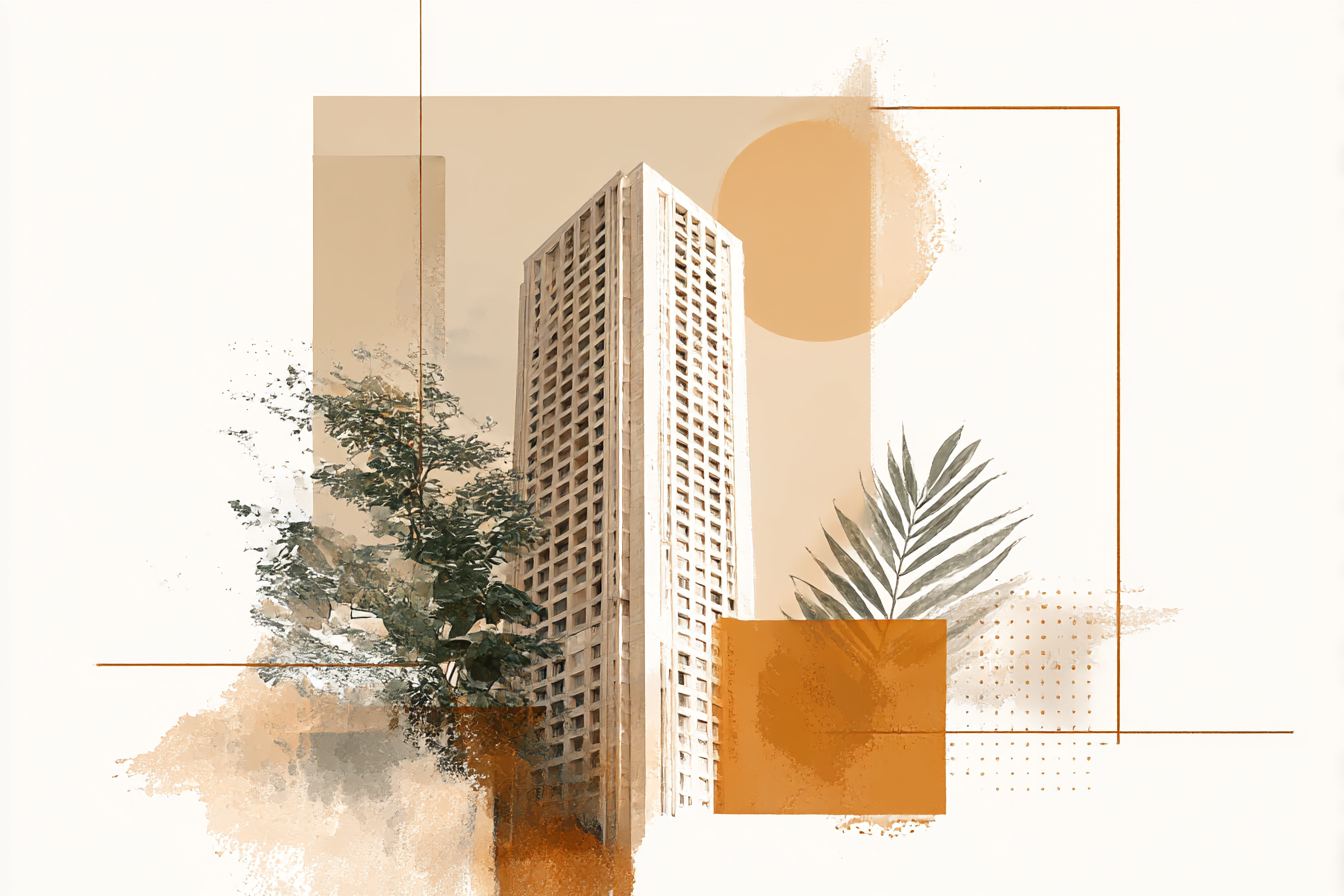
The heliostat mirrors track the sun throughout the day, redirecting light to parts of the building that would otherwise be shadowed. It's like the building is actively helping its own plants thrive while simultaneously reducing energy costs for residents.
I spent three days interviewing residents there, and the stories were remarkable. Sarah, a marketing executive on the 23rd floor, told me her seasonal allergies had practically disappeared since moving in. "I used to pop antihistamines like candy from September through November," she laughed. "Now? Maybe once or twice during the worst pollen days." The building's extensive plant buffer was essentially pre-filtering the air before it reached her apartment.
But here's where things get really interesting – and where I think we're heading with these biophilic towers. It's not just about slapping some greenery onto balconies and calling it sustainable. The most successful examples integrate natural ventilation systems that work with, rather than against, local climate patterns.
The Pearl River Tower in Guangzhou fascinates me for this reason. I couldn't visit during my Asia trip (visa complications, don't ask), but I've pored over the technical specifications and spoken with several engineers who worked on it. The building's shape actually channels wind through integrated turbines, generating power while providing natural cooling. The curved facade isn't just aesthetically pleasing – it's functional aerodynamics.
During my Minneapolis days, I became obsessed with how seasonal changes affected people's relationships with their built environments. Northern climates present unique challenges for biophilic high-rises. You can't rely on year-round growing seasons, and heating costs become a major consideration. The Via 57 West building in Manhattan handles this beautifully with its courtyard design that captures and amplifies available sunlight during shorter winter days.
I actually know someone who lives there – Marcus, a photographer I met through mutual friends. His apartment on the 35th floor overlooks the internal courtyard, and he swears the reflected light from the courtyard's surfaces makes his space feel about 40% larger than it actually is. "It's like having a private slice of sky," he told me during a dinner party last month. The psychological effect is real, but so are the practical benefits – his heating bills are noticeably lower than friends in similar-sized units in more traditional towers.
You Might Also Like
What really excites me about these developments is how they're changing our understanding of urban density. For decades, the assumption was that you had to choose between vertical living and connection to nature. These projects are proving that false. In fact, some biophilic towers provide residents with more direct interaction with growing systems than they'd have in suburban single-family homes.
The Acros building in Fukuoka, Japan, takes this even further. It's essentially a terraced mountain that happens to contain offices and cultural spaces. Residents and workers can actually walk through different elevations of gardens during their commute or lunch breaks. I've seen photos of businesspeople in full suits taking phone calls while surrounded by rice plants and small fruit trees. It's wonderfully surreal.
The maintenance aspect used to be my biggest skepticism about these projects. How do you keep hundreds of plants alive on a 60-story building? What happens during storms, droughts, or equipment failures? But the solutions are becoming increasingly sophisticated. Many newer biophilic towers incorporate sensors that monitor soil moisture, light levels, and plant health in real-time. Some even use AI systems to adjust irrigation and lighting automatically.
I spoke with James, a facilities manager at a biophilic office tower in Vancouver, who described their monitoring system as "basically having a plant ICU on every floor." When something goes wrong – a clogged irrigation line, unusual leaf discoloration, pest issues – the system alerts maintenance crews before problems become visible to occupants. It's preventive healthcare for urban ecosystems.
The economic arguments are becoming harder to ignore too. Yes, initial construction costs run 15-30% higher than conventional towers. But operational savings from reduced HVAC loads, improved air quality, and decreased employee sick days often offset these premiums within 7-10 years. Plus, rental premiums for biophilic units consistently run 12-18% above comparable conventional spaces.
What I find most encouraging is how these towers are influencing their surrounding neighborhoods. The Singapore Park Royal hotel didn't just improve conditions for its guests – it created microclimatic conditions that encouraged bird populations to return to that part of the city.
Small parks and green spaces near biophilic towers report increased biodiversity and improved soil quality.
There are still challenges, obviously. Building codes in many cities haven't caught up with integrated living systems. Insurance companies sometimes balk at structures with significant green infrastructure. And honestly, not every architect or developer has the expertise to execute these projects well – I've seen some spectacular failures where good intentions met poor implementation.
But the momentum feels unstoppable. Every major architectural firm now has specialists in biophilic design, and cities are increasingly incentivizing these approaches through tax breaks and expedited permitting. When profit motives align with environmental benefits and human wellbeing, change happens fast.
The future I'm seeing isn't just buildings with plants attached – it's structures that function more like vertical ecosystems, where human habitation and natural systems create mutually beneficial relationships. These towers breathe, adapt, and evolve with their occupants and environments.
And you know what? Standing in that Milan apartment last spring, watching cherry blossoms drift past while breathing the cleanest urban air I'd experienced in years, that future felt pretty wonderful.