My friend Marcus called me last Tuesday, sounding completely frazzled. His mom had just been moved to a memory care unit after a fall, and he was struggling to help her adjust to the sterile institutional environment. "It's like they designed this place to drain the life out of everything," he said, and honestly? He wasn't wrong. I've visited dozens of these facilities over the years, and most of them feel about as welcoming as a fluorescent-lit waiting room.
But here's what's fascinating – and what I've been documenting extensively through my work – spaces don't have to feel soul-crushing, even when they're serving the most vulnerable populations. There's this growing body of research showing how intentional design choices rooted in our biological connection to nature can literally rewire how our bodies respond to stress and trauma.
I remember working with a rehabilitation centre outside Portland about three years ago. The director brought me in because their patient satisfaction scores were tanking, and more concerning, their recovery times were consistently longer than national averages.
Walking through the building, I could feel why. Everything was beige or institutional blue, harsh overhead lighting created that awful shadow-free environment that makes everyone look sick, and the only "nature" was a sad silk fern gathering dust in the lobby.
The transformation didn't require a massive budget – maybe $30,000 spread across the entire facility. We started by replacing those horrible fluorescent strips with LED systems that actually mimicked natural light cycles throughout the day. Warmer tones in the morning, bright white around midday, softer amber light as evening approached. Within two weeks, staff reported that patients seemed less agitated during evening hours.
Then we tackled the walls. Instead of expensive living walls (which, let's be honest, most facilities can't maintain properly), we used large-format photography of local natural scenes – the Columbia River Gorge, Mount Hood, Oregon coastline. But here's the trick: we positioned them at eye level for seated patients and chose images with what researchers call "prospect and refuge" elements – views that make you feel both expansive and protected simultaneously.
The real game-changer was introducing what I call "micro-ecosystems" throughout the building. Small water features made from reclaimed materials, carefully selected plants that could handle the indoor environment (snake plants and ZZ plants became our workhorses), and natural materials wherever possible. I sourced reclaimed cedar for accent walls and found this amazing company that makes acoustic panels from agricultural waste that look like woven grass.
Three months later, patient satisfaction scores jumped 40%. More importantly, average length of stay decreased by nearly a week. The facility director was thrilled, but I wasn't surprised – we'd simply created an environment that worked with human biology instead of against it.
This isn't just feel-good design theory, by the way. The research is solid. Studies consistently show that exposure to natural elements – even representations of nature – triggers measurable physiological changes. Stress hormones like cortisol drop. Heart rate variability improves, which is a key indicator of autonomic nervous system health. Blood pressure decreases. Pain perception reduces. These aren't subtle effects we're talking about.
I've been testing some of this stuff in my own space for years. Last month I installed this new circadian lighting system in my bedroom (okay, fine, I built it myself from programmable LEDs because I'm a nerd like that), and my sleep tracking data shows I'm getting 23% more deep sleep than before. My neighbour thinks I'm crazy, but she stopped laughing when she saw the sleep improvement data.
You Might Also Like
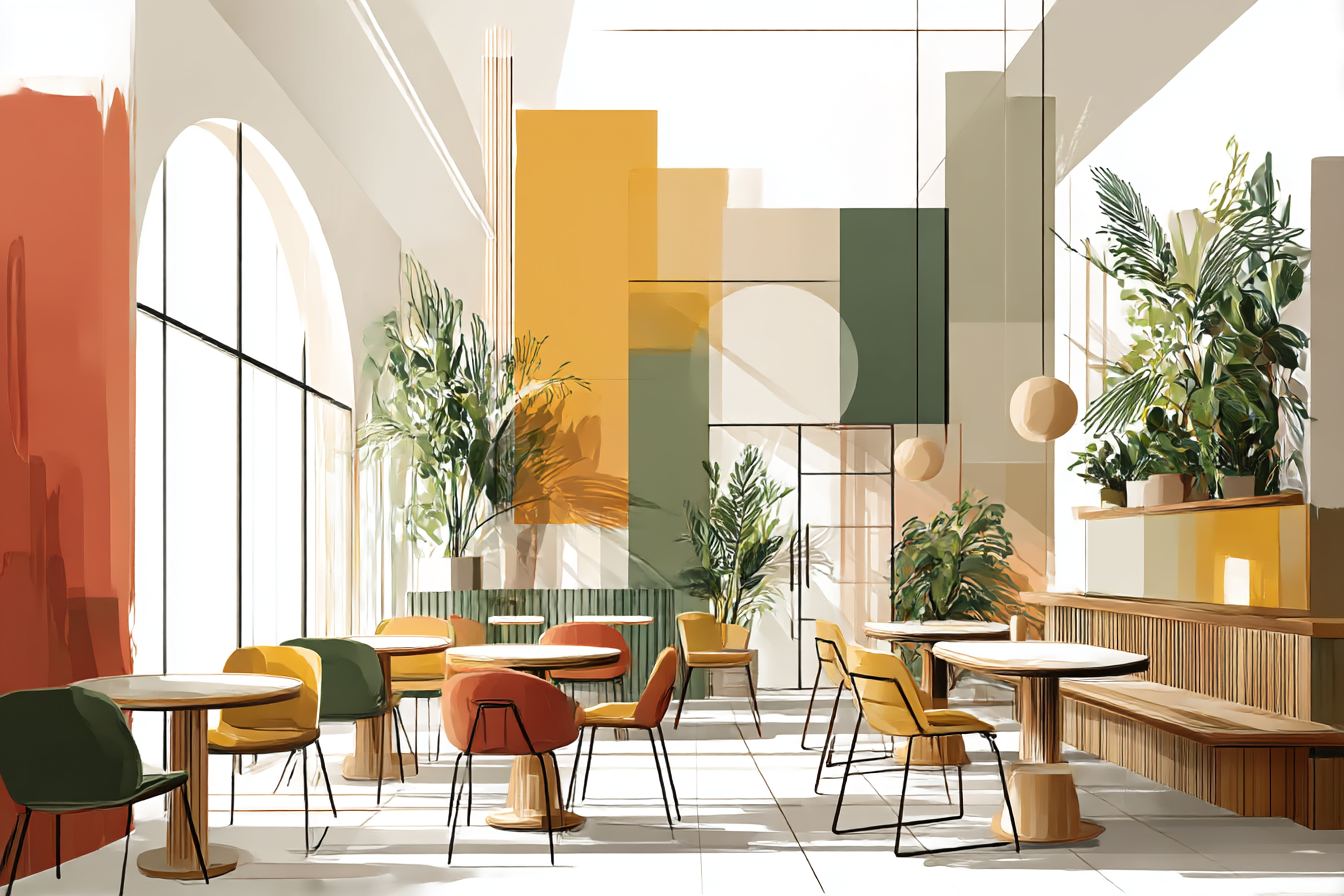
The challenge isn't proving that nature-based design works – that ship has sailed. The challenge is implementation, especially in institutional settings where everything has to be fireproof, cleanable, and basically indestructible. I spend a lot of time sourcing materials that look natural but can survive commercial cleaning protocols. Did you know you can get vinyl flooring that perfectly mimics weathered wood grain? Or that there are artificial plants so realistic that even I have to touch them to tell the difference?
But here's where it gets really interesting. The most effective interventions aren't always the most obvious ones. Sure, plants and water features are great, but sometimes it's subtler elements that create the biggest impact. I worked with a pediatric oncology unit where we couldn't change much structurally, but we replaced their standard ceiling tiles with printed images of sky and clouds. Sounds simple, right? But kids undergoing treatment spent significantly less time staring at blank ceilings and reported feeling less claustrophobic during procedures.
Colour psychology plays a huge role too, though it's more complex than most people realise. Everyone assumes green is automatically calming because "nature is green," but that's not how it works. The specific hue, saturation, and context matter enormously. I've seen green paint schemes that made spaces feel more anxious, not less, because they didn't reflect colours people actually encounter in natural settings.
Temperature and humidity control might sound boring, but they're absolutely critical for biophilic spaces to work properly. Humans evolved in environments with natural temperature fluctuations and humidity levels that most modern HVAC systems completely ignore. I've started spec'ing systems that allow for subtle variations throughout the day – slightly cooler mornings, gentle temperature increases toward afternoon, and gradual cooling in the evening.
The smell component gets overlooked constantly, which drives me nuts because our olfactory system connects directly to the limbic brain where emotional processing happens. Hospitals and care facilities often smell like cleaning products and… well, institutional sadness. I work with facilities to introduce subtle natural scents through their ventilation systems – not artificial "forest breeze" fragrance, but actual plant-derived essential oils in concentrations so low people don't consciously notice them.
Marcus's mom ended up thriving in that memory care unit, by the way. The staff worked with me to make some simple changes to her room – repositioned her bed so she could see out the window, brought in a small tabletop fountain, and added some tactile elements like smooth river rocks she could hold.
Her agitation episodes decreased dramatically, and she started engaging more with activities and other residents.
That's what keeps me passionate about this work, you know? It's not theoretical. When someone's grandmother sleeps better, or a cancer patient needs less pain medication, or a child with autism finds it easier to focus – those are real improvements in real lives. And they're happening because we're finally acknowledging something indigenous cultures knew all along: humans are part of nature, not separate from it, and our built environments should reflect that truth.
The field is evolving rapidly now. I'm seeing architects incorporate biophilic principles from initial design phases rather than trying to retrofit them later. Healthcare systems are writing biophilic requirements into their facility standards. Even office developers are realising that nature-connected workspaces attract better tenants and command higher rents.
But we're just scratching the surface. The potential for healing through nature-integrated design extends far beyond what most people imagine, and honestly, that possibility keeps me up at night – in the best way possible.