
Walking through Lincoln Elementary last Tuesday, I couldn't help but notice how the kids seemed to gravitate toward the one classroom with floor-to-ceiling windows. They'd press their faces against the glass during recess, watching the oak tree outside shed its autumn leaves like confetti. The teacher, Mrs. Rodriguez, mentioned she'd seen this pattern for years – students naturally drawn to spaces where they could see the world beyond those sterile walls.
It got me thinking about a project I consulted on three years ago in Portland. The principal, exhausted from dealing with increasing behavioral issues and plummeting test scores, had heard about this "nature-based design" approach. Honestly, she was skeptical – I could see it in her eyes during our first meeting. "You're telling me plants will make my kids behave better?" she asked, arms crossed.
I get that reaction a lot.
But here's the thing – there's actual science behind why natural elements transform educational environments.

I've seen it work firsthand, and more importantly, I've measured the results. When we redesigned three classrooms at that Portland school, incorporating living walls, natural lighting systems, and tactile wood surfaces, the changes were dramatic. Within six weeks, teachers reported a 40% decrease in disruptive behaviors and a 28% improvement in attention spans during focused learning activities.
The transformation wasn't just about adding a few ferns, though. We completely rethought how these spaces connected kids to natural rhythms and processes. Instead of harsh fluorescent tubes that stay the same all day (ugh, don't get me started on how those things mess with our circadian cycles), we installed LED systems that shift colour temperature throughout the day – cooler blue-white light in the morning to promote alertness, gradually warming to amber tones by afternoon.
One detail that made a huge difference? We brought in cross-sections of local tree species for the kids to touch and explore. You should've seen how the tactile learners responded. This one kid, Marcus – he'd been labeled as having attention difficulties – would spend entire lessons running his fingers along the grain patterns while listening to instruction. His retention improved dramatically once he had that sensory connection.
The living wall was probably the most controversial addition. Maintenance concerns, potential allergies, "what if the plants die?" – I heard every objection in the book. But we selected species carefully: pothos for air purification, snake plants that thrive in low light, spider plants that the kids could propagate and take home. The result? These plants became teaching tools, responsibility builders, and natural conversation starters.
I remember visiting six months later and finding a group of third-graders clustered around the living wall during indoor recess, quietly observing new growth patterns. Their teacher told me they'd started incorporating plant observations into their science journals without any prompting. That's what happens when you give kids authentic connections to living systems – learning becomes organic rather than forced.
The acoustic benefits surprised everyone. Natural materials like cork bulletin boards and wooden shelving don't just look warmer – they actually absorb and diffuse sound differently than hard surfaces. The classroom chatter that used to escalate throughout the day stayed at manageable levels. Teachers could lower their voices, which created a calmer overall atmosphere.
You Might Also Like
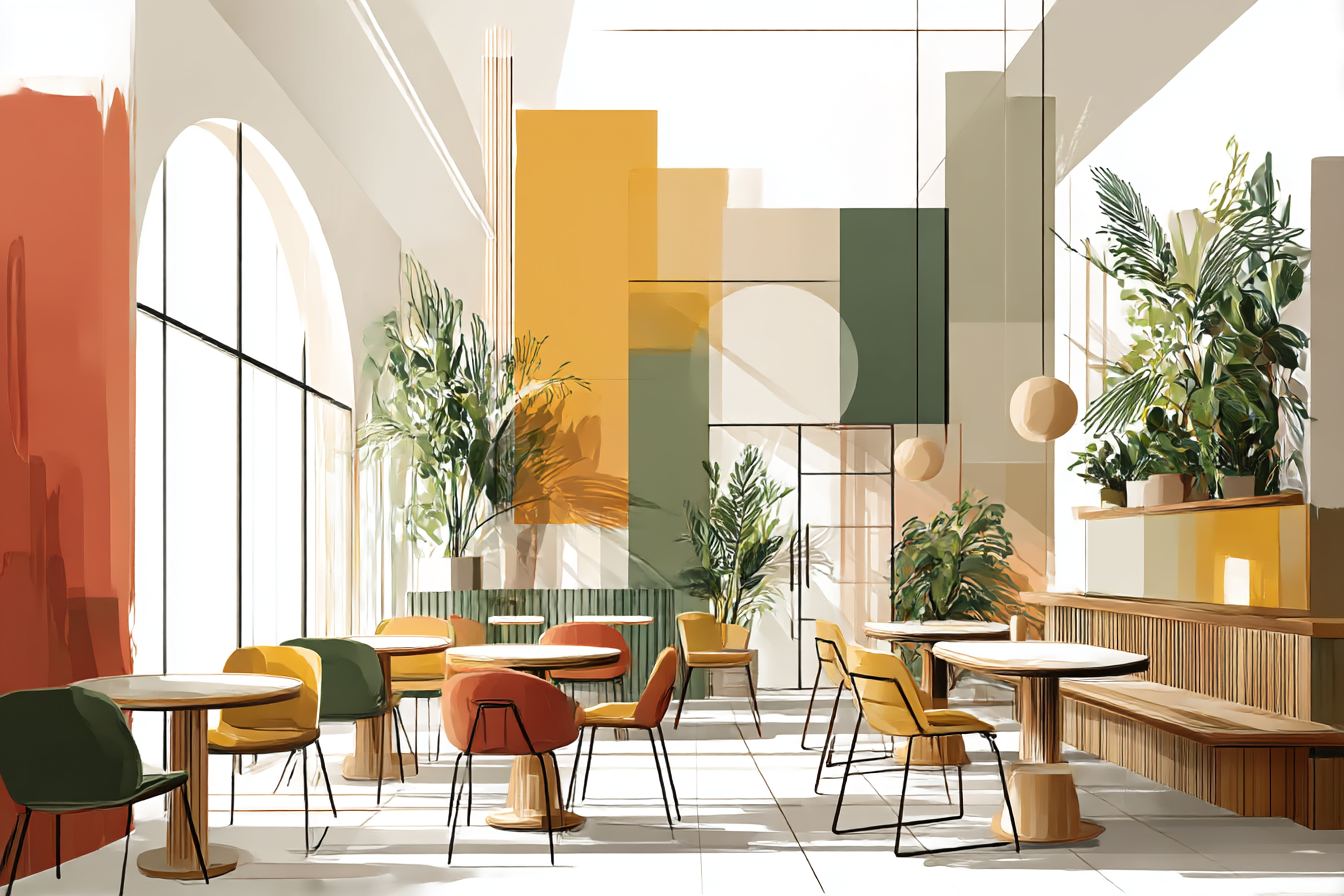
Window placement became crucial in another project I worked on in suburban Chicago. The original classroom design had windows positioned too high for seated students to see outside. Sounds minor, right? Wrong. Research shows that visual access to nature – even just views of trees or sky – reduces mental fatigue and stress hormones. We couldn't relocate windows, but we could add mirrors strategically positioned to reflect outdoor views toward student desk areas.
The most dramatic change I've witnessed involved a middle school in Phoenix dealing with aggressive behavior issues. The campus felt like a concrete fortress – minimal shade, no green space, harsh desert sun beating down on every surface. We couldn't change the climate, but we could create microclimates within the buildings.
Working with limited budget (isn't it always?), we focused on three interventions: increasing natural light through clerestory windows, installing a courtyard garden that multiple classrooms could overlook, and creating "nature nooks" – small alcoves with soft seating, plants, and water features where overwhelmed students could decompress.
The results? Disciplinary incidents dropped by 35% within the first semester. More telling, teachers reported that students were self-regulating better – recognising when they needed a break and seeking out the calmer spaces before situations escalated.
What fascinates me is how quickly kids adapt to these environments. Adults often need convincing that natural elements belong in learning spaces, but children instinctively understand. They'll arrange themselves differently in nature-integrated classrooms, clustering in small groups near plants or gravitating toward areas with natural light for independent work.
I've started paying attention to which students benefit most from biophilic design elements. Kids with ADHD often show remarkable improvement in focus when they have access to natural materials and views. Students dealing with anxiety or trauma seem to find genuine comfort in spaces that include water features or soft natural textures. It's not a cure-all, but it's a tool that supports their learning in ways that traditional classroom design simply can't.
The key is subtlety. The most successful educational spaces I've worked on don't scream "look at all this nature!" Instead, they quietly provide multiple ways for students to connect with natural elements throughout their day. A reading corner with bamboo shelving and soft moss-green cushions. Science stations featuring natural material samples. Art areas with living inspiration right at hand.
One unexpected discovery: natural fragrances matter more than I'd realised.

Not artificial air fresheners (please, no), but the subtle scents that come from real wood, healthy soil, or even fresh air circulation. I've noticed that classrooms incorporating these elements feel more alive, more inviting.
Teachers tell me they feel the difference too. Lower stress levels, improved job satisfaction, even fewer sick days. When educators feel better in their work environment, that energy transfers directly to their students. It's a positive feedback loop that benefits everyone.
The best part? Many of these changes don't require massive budgets or structural renovations. Sometimes it's as simple as replacing plastic storage bins with wooden ones, adding full-spectrum desk lamps, or creating a classroom garden that students can tend together. Small interventions can yield surprisingly significant results when they're thoughtfully integrated into the learning environment.