Last Tuesday, I found myself standing in my neighbour's living room, staring at a corner that was somehow sucking all the life out of an otherwise beautiful space. You know that feeling when something's just… off? The room had great bones – high ceilings, decent natural light, hardwood floors that had seen better days but still held character. But that one corner felt dead. Completely lifeless.
"I can't figure it out," Maria said, gesturing helplessly at the space. "I've tried furniture arrangements, different lamps, even painted an accent wall. Nothing works."
I walked over and ran my hand along the wall.
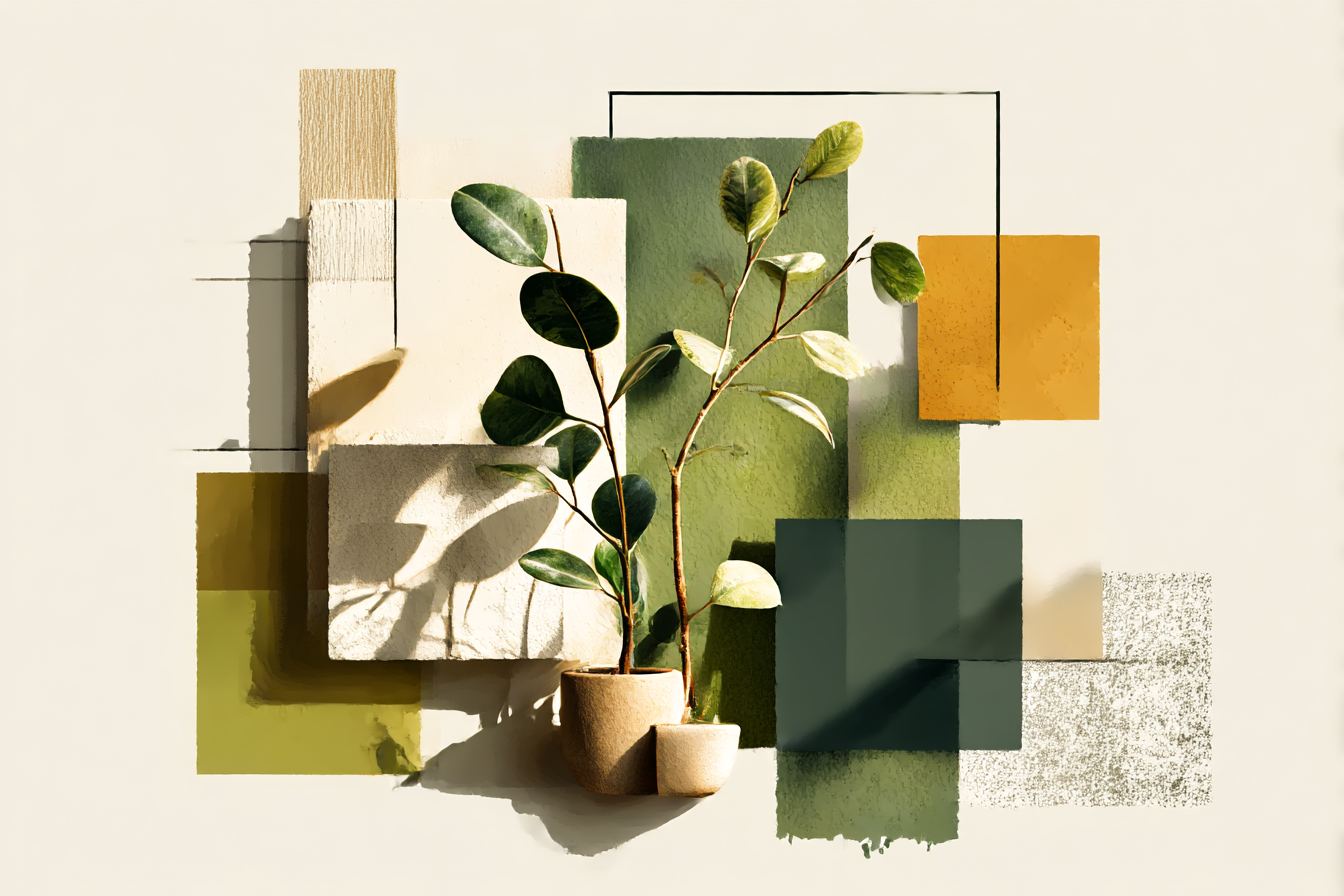
Cool to the touch, flat white paint, no texture. The corner sat between two windows but somehow managed to exist in a shadow zone where natural light never quite reached. Classic dead space – the kind that makes you want to hurry past rather than linger.
"What if we brought some life into it?" I suggested. "Literally."
That's how I ended up spending my weekend helping Maria transform her problem corner into what she now calls her "breathing room." It got me thinking about how many of us live with these dead zones in our homes without really understanding why they bother us so much.
Here's the thing about biophilic design – it's not about cramming your house full of plants (though I won't complain if you do). It's about creating connections to natural elements that make spaces feel alive. Our brains are wired to respond to certain patterns, textures, and rhythms that we've evolved alongside for thousands of years. When those elements are missing, we feel it, even if we can't articulate why.
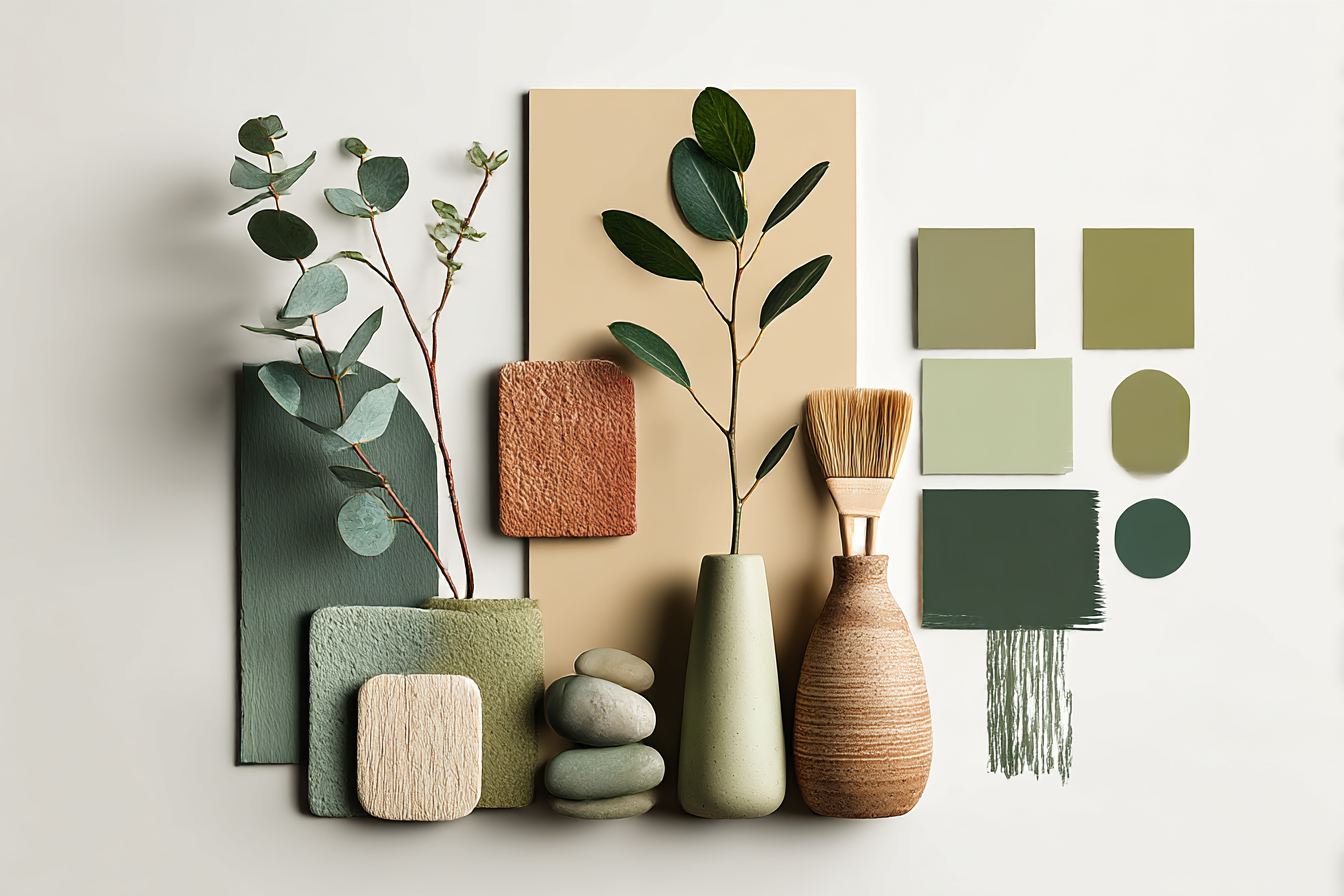
In Maria's corner, we started simple. I had her help me install floating shelves at varying heights – not in a perfect grid, but following what I call "forest logic." Trees don't grow in neat rows, and neither should our design elements. We used reclaimed barn wood I'd been hoarding in my garage (my partner jokes that I collect wood scraps like some people collect stamps).
The shelves gave us platforms for plants, sure, but also for other natural elements. A piece of driftwood I'd found on a beach in Oregon last summer. Some smooth river stones collected during a hiking trip. A small dish filled with pinecones that my nephew had insisted I needed during our last walk together. Each item carried a story, a connection to a natural place and moment.
But here's where it gets interesting – the plants we chose weren't your typical houseplant suspects. Instead of the usual pothos and snake plants (not that there's anything wrong with those), we selected species that would engage multiple senses. Rosemary for its piney scent when you brush against it. Lamb's ear for its impossibly soft, silvery leaves that beg to be touched. A small orange tree because the waxy leaves catch light beautifully and who doesn't want the possibility of fresh citrus?
The real game-changer was water. Not a massive fountain or anything complicated – just a small ceramic bowl with a tiny recirculating pump I'd rigged up using aquarium parts. The sound is barely noticeable consciously, but your nervous system definitely registers it. There's something about the gentle trickle that signals "life happening here" to our ancient brain patterns.
You Might Also Like
I've been experimenting with this kind of subtle water integration in my own space for months now. Currently have three different water features running – the kitchen herb garden has a self-watering system that creates a soft bubbling sound, there's a small fountain near my desk made from stacked slate pieces, and my bedroom has what I call a "morning mist" setup that adds humidity while mimicking early morning dew patterns.
The humidity aspect is huge, by the way. Most indoor environments sit around 30-40% humidity, but our bodies function best closer to 50-60%. Those plants aren't just pretty – they're actively improving your air quality and comfort level. I've got a digital hygrometer that I move around the apartment obsessively, and the difference between my plant-heavy areas and the sparse zones is dramatic.
Back to Maria's corner – we also addressed the light situation. I'm a big believer in mimicking natural light cycles, so we added a programmable LED strip behind one of the upper shelves that shifts colour temperature throughout the day. Cooler blue-white in the morning, warm amber in the evening. Your circadian rhythms thank you for this kind of consideration, trust me.
Texture played a huge role too. That flat white wall got a treatment using a technique I learned from a master plasterer in Morocco (long story involving a research trip that went sideways). We created subtle undulations in the surface – nothing dramatic, just enough variation to catch and play with light the way tree bark or stone might. Then painted it with lime wash instead of regular paint, which gives this incredible depth and slight irregularity that feels organic.
The transformation was immediate and obvious. The corner went from being a space you wanted to avoid to a spot that drew people in. Maria's started doing her morning coffee routine there, and her teenage daughter – who previously existed only in her bedroom – now sprawls in that corner to do homework. The space became magnetic.
What's fascinating is how these changes affected the entire room. Once we'd created this anchor of natural elements, everything else seemed to settle into place. The furniture arrangement that hadn't worked before suddenly made perfect sense. The art on the walls looked more intentional. Even the traffic flow through the room improved.
I'm always amazed by these ripple effects. Last month I added a vertical garden wall to my bathroom – just a few small planters mounted at different heights with trailing pothos and some air plants. But somehow that simple change made me more conscious about keeping the space tidy, led to upgrading the mirror, and eventually to replacing the harsh overhead light with something more flattering. One natural element can kickstart a whole cascade of improvements.
The key is starting small and authentic. Don't try to recreate the Amazon rainforest in your living room – that's not sustainable or necessary.
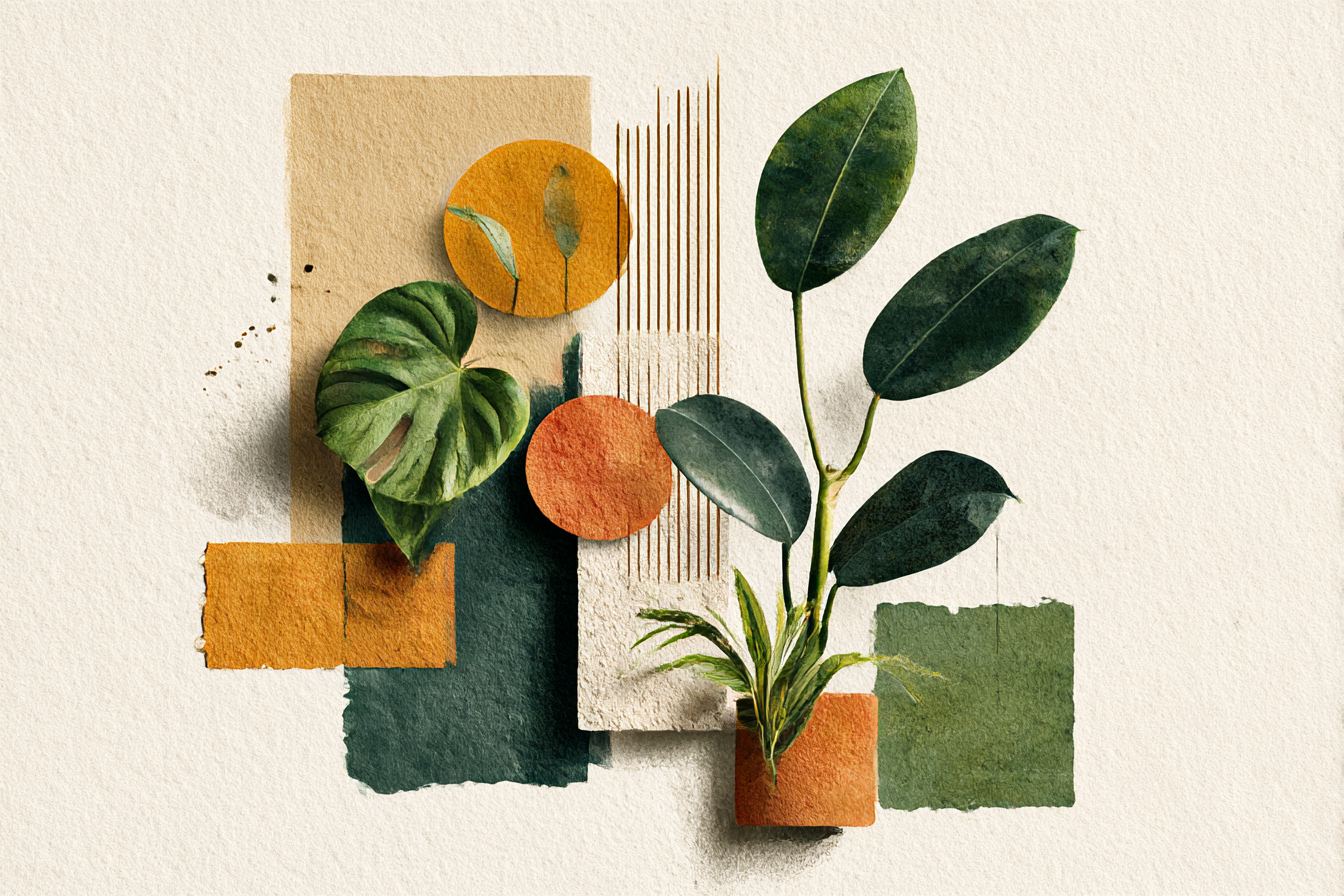
Instead, think about what natural elements genuinely appeal to you. Maybe it's the sound of rustling leaves (try a bamboo screen near a heating vent). Or the way morning light filters through branches (consider some strategic hanging plants). Or the satisfying texture of smooth stones (a bowl of river rocks works wonders).
Maria's corner cost us maybe $200 in materials, not counting the plants which she's already started propagating to expand the collection. But the impact on how her family uses and feels about their home? That's priceless. And honestly, that's what keeps me doing this work – seeing how these simple connections to natural elements can fundamentally shift how people experience their daily lives.
Sometimes the smallest changes create the biggest transformations. You just have to know where to look.