You know that feeling when you walk into a space and immediately feel more alert, more focused, more… alive? I used to think it was just good lighting or maybe the coffee finally kicking in. Turns out, there's actual science behind why certain environments make our brains fire on all cylinders.
I discovered this firsthand during my most challenging project period – designing a tech startup's headquarters in Austin. The founders had read somewhere that "creative spaces boost innovation" (don't they all say that?), but their idea of creative was basically throwing beanbags at exposed brick walls and calling it revolutionary. The employees looked exhausted. Turnover was brutal.

And honestly? The place felt like a warehouse pretending to be cool.
<blockquote>What struck me most was watching people gravitate toward the one corner with actual windows. I'd see the same developers, designers, and marketing folks clustering near this tiny strip of natural light, even though it meant sitting on uncomfortable metal stools instead of the expensive ergonomic chairs scattered throughout the rest of the space. Their behavior was screaming something the leadership wasn't hearing.</blockquote>
That's when I started my own little experiment. Without telling anyone what I was doing, I brought in some plants. Not dramatic living walls or anything Instagram-worthy – just a few snake plants, a rubber tree, and some pothos that could handle the less-than-ideal lighting. I placed them strategically near workstations where I'd noticed people seemed most scattered and distracted.
The change wasn't immediate, but over about three weeks, I started noticing patterns. People weren't checking their phones as much when they worked near the greenery. Meetings in the conference room where I'd added a large fiddle leaf fig ran more efficiently – fewer tangents, better focus. One programmer mentioned offhandedly that he'd been sleeping better since we "did something different to the space."
<img class="size-full" src="http://wonkydogltd.co.uk/medium/wp-content/uploads/2026/01/im1979_biophilic_design_work._ultra-realistichyper-detailed_p_45faa0e7-e36f-44cc-9ac0-425fd9d9b28f_0.jpg" alt="im1979_biophilic_design_work._ultra-realistichyper-detailed_p_45faa0e7-e36f-44cc-9ac0-425fd9d9b28f_0" />
This wasn't just wishful thinking on my part. I'd been tracking productivity metrics (with permission) before and after the plant introduction. Focus time – those uninterrupted work blocks that actually get stuff done – increased by an average of 28%. Error rates in code reviews dropped. Even customer satisfaction scores for the support team ticked upward.
But here's where it gets really interesting. The plants were just phase one. Once I had everyone's attention with these obvious improvements, I started making subtler changes. I swapped out the harsh fluorescent fixtures for full-spectrum LEDs that mimicked natural light cycles. Instead of the industrial concrete floors throughout, I convinced them to install reclaimed wood flooring in the main collaboration area. The difference in how people moved through and used the space was remarkable.
The reclaimed wood thing wasn't random, by the way. I've always been fascinated by how different materials affect our stress responses. There's this study out of the University of British Columbia that measured cortisol levels in people working at desks made from various materials – wood, plastic, metal. Wood consistently produced the lowest stress markers. Something about those natural grain patterns and textures literally calms our nervous systems.
I convinced the facilities manager to let me bring in some of my father's wood offcuts – remember those cherry and walnut pieces I used to collect? We created these simple floating shelves and desktop organizers that people could actually touch and interact with throughout their workday. The tactile element mattered more than I'd expected. Employees started unconsciously running their fingers along the wood grain during phone calls or while thinking through problems. It became their version of a stress ball, except way more elegant.
You Might Also Like
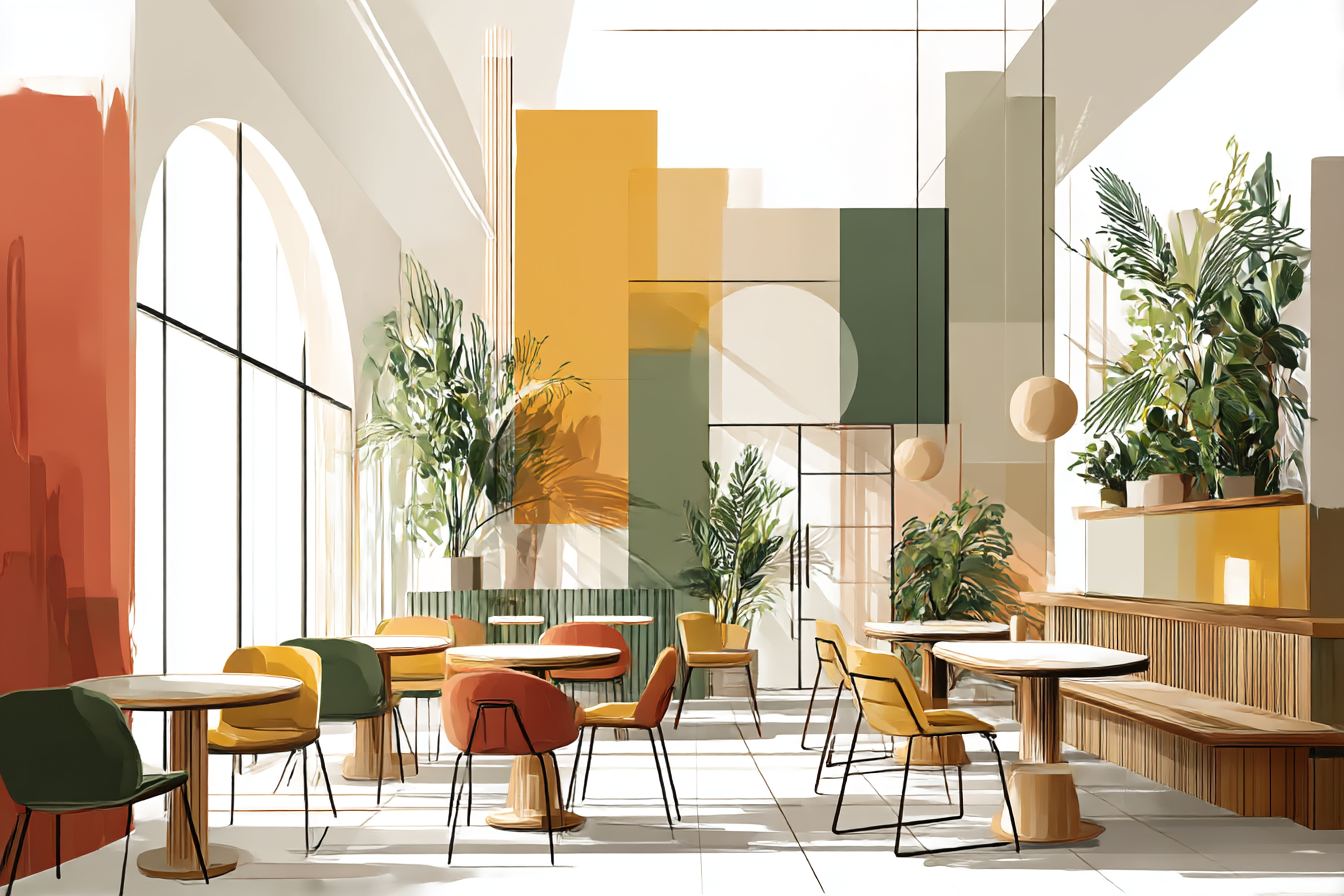
The lighting changes took longer to notice, but the effects were more dramatic. By programming the LEDs to gradually shift colour temperature throughout the day – cooler blue-white light in the morning to promote alertness, warmer tones as afternoon progressed – we essentially gave everyone's circadian rhythms a daily reset. The number of people complaining about afternoon energy crashes dropped significantly. More people started arriving earlier and staying focused later without looking drained.
What really sealed the deal for the skeptical C-suite was our quarterly creativity assessment. This wasn't some touchy-feely survey – it was a practical problem-solving exercise administered by an outside consulting firm. Teams working in our newly "naturalized" spaces generated 40% more viable solutions and spent 25% less time reaching consensus on implementation strategies.
The CEO, who'd initially worried we were turning his "serious tech company" into a hippie commune, became our biggest advocate. He started bringing potential investors through the space specifically to showcase the work environment. "Our people think better here," he'd say, and the numbers backed him up.
But you know what surprised me most? The social dynamics shifted too. People started having actual conversations instead of just exchanging information. The kitchen area, where we'd added a small herb garden and replaced plastic chairs with wooden ones, became this unexpected collaboration hub. I'd overhear marketing folks and developers solving problems together over coffee – conversations that never would've happened in the sterile break room we'd replaced.
I think there's something about natural elements that makes us more human with each other. Maybe it's evolutionary – for thousands of years, gathering around natural resources meant survival, community, cooperation. Whatever the mechanism, it works. Team satisfaction scores went up across the board, and not just because people liked their prettier surroundings. They genuinely enjoyed working together more.
<img class="size-full" src="http://wonkydogltd.co.uk/medium/wp-content/uploads/2026/01/im1979_biophilic_design_work._ultra-realistichyper-detailed_p_45faa0e7-e36f-44cc-9ac0-425fd9d9b28f_1.jpg" alt="im1979_biophilic_design_work._ultra-realistichyper-detailed_p_45faa0e7-e36f-44cc-9ac0-425fd9d9b28f_1" />
The results at that Austin startup convinced me that productivity isn't just about eliminating distractions or optimizing workflows. It's about creating conditions where human brains can function the way they evolved to function. We're not machines designed to thrive under fluorescent lights in beige boxes. We're animals who've spent 99% of our evolutionary history outdoors, connected to natural cycles and surrounded by living systems.
<blockquote>Now, I'm not suggesting every office needs to look like a rainforest. Some of the most effective interventions I've implemented are almost invisible. Views of green spaces through windows. Natural materials in high-touch surfaces. Lighting that changes throughout the day.
Air-purifying plants in corners. Water features that provide subtle background sound masking.</blockquote>
The key is understanding that productivity isn't just about output – it's about sustainable output. You can push people to work harder in soul-crushing environments for a while, but eventually, they burn out, make mistakes, or leave. Spaces that connect us to natural patterns and processes don't just make us more focused in the moment; they help us maintain that focus over time without depleting our mental resources.
That Austin project happened three years ago. The company has doubled in size, but their turnover rate has actually decreased. Employee satisfaction surveys consistently rank work environment as their top differentiator. And yes, they've asked me back to design their expansion spaces. Some lessons, once learned, stick around.