You know what's funny? I used to think biophilic design was just a fancy term for "put some plants in your house and call it a day." Boy, was I wrong. It wasn't until I started really digging into the science behind it – and more importantly, living it – that I understood this approach goes way deeper than Instagram-worthy fiddle leaf figs.
The whole thing clicked for me during a particularly brutal February in Philadelphia. I'd been working from my converted warehouse apartment for weeks, and honestly? I felt like garbage. My sleep was terrible, my creativity had flatlined, and I caught myself staring longingly at the single dying succulent on my windowsill like it held the secrets to the universe.
That's when I decided to stop talking about biophilic design and actually start implementing it.
First thing I learned: natural light is everything. And I mean *everything*. Most of us think we need more light, but it's not just about quantity – it's about quality and timing. I installed these adjustable LED panels that actually mimic the sun's daily rhythm, shifting from cool blue tones in the morning to warm amber by evening. The difference in my circadian rhythm was noticeable within three days. I started waking up naturally around 6:30 AM instead of fighting my alarm at 8.
But here's where it gets interesting – and this is something most design blogs won't tell you. The materials you choose matter just as much as the plants. I spent months experimenting with different wood species for my desk setup. Oak felt too aggressive for daily use, pine was too soft and showed every ding, but walnut? Perfect. There's actual research showing that touching wood lowers cortisol levels and blood pressure. My dad would've gotten a kick out of knowing his old cabinet scraps were backed by science.
Water features are another game-changer, though they're trickier than people realise. I went through four different fountain setups before finding something that worked. The first one sounded like a broken dishwasher, the second leaked everywhere (sorry, downstairs neighbours), and the third grew some questionable algae situation that I'm still trying to forget. The fourth one – a simple copper bowl with a small recirculating pump – finally nailed it. The sound masks traffic noise from the street, and there's something almost meditative about watching the water patterns change throughout the day.
Plants are obviously crucial, but not all plants are created equal for indoor spaces. I learned this the hard way after killing approximately seventeen different species my first year. Turns out, most people choose plants based on how they look rather than how they function. Snake plants and pothos are popular for good reason – they're nearly impossible to kill and they actually improve air quality. But if you want something more dramatic, bird of paradise plants create these incredible sculptural shadows when backlit. Just know they're drama queens about watering schedules.
One thing I wish I'd understood earlier: biophilic design isn't about recreating a forest indoors. It's about creating connections to natural patterns and processes. Sometimes that means incorporating fractal patterns in your artwork or textiles. Sometimes it's about views – even if you're stuck with a view of a concrete wall, positioning a mirror to catch reflected sky can trick your brain into feeling more connected to the outdoors.
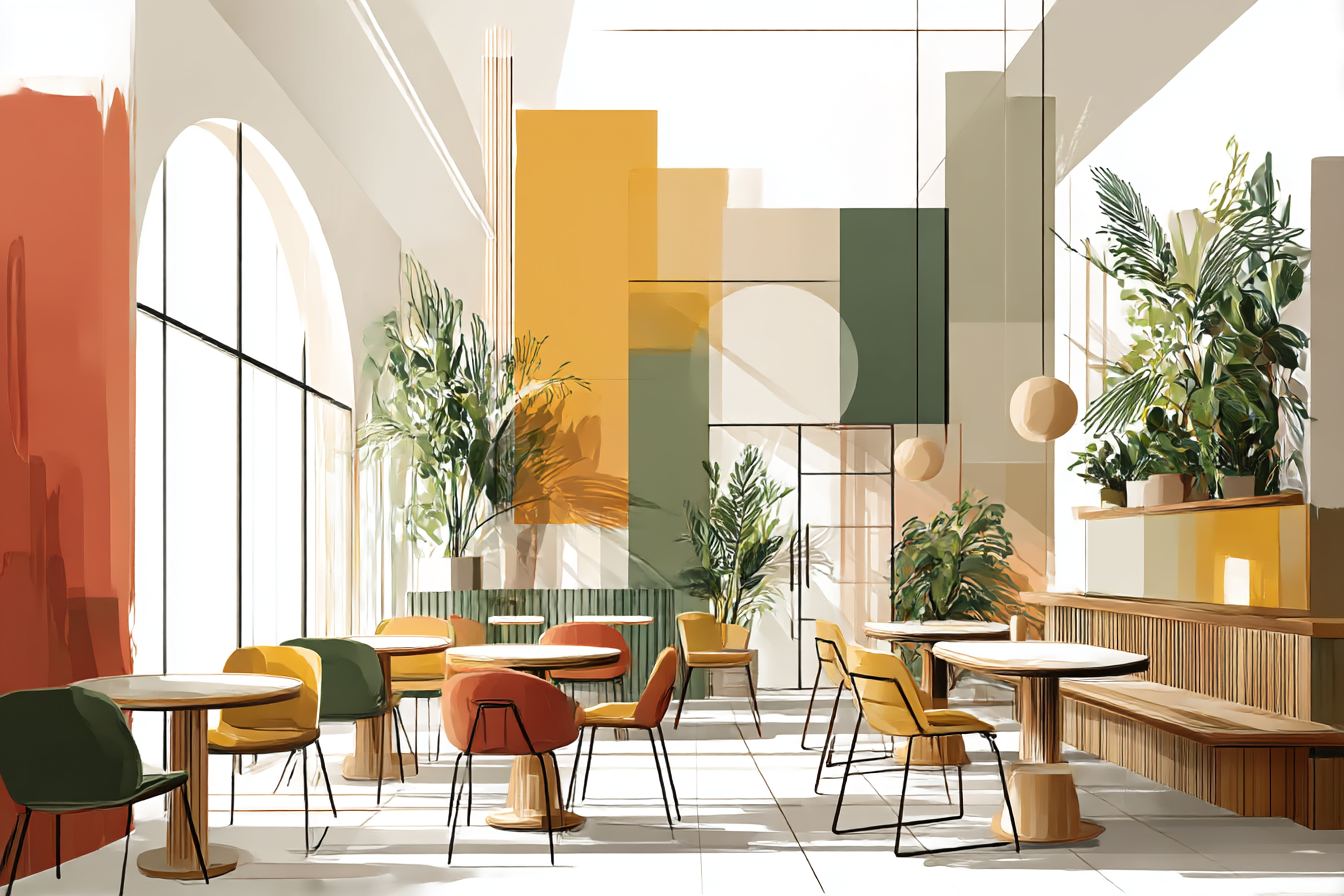
Colour psychology plays a bigger role than most people realise too. I used to default to stark whites and greys because they felt "clean," but those cool tones can actually increase stress hormones over time. Introducing earth tones – warm browns, sage greens, terracotta – creates this subconscious sense of safety and comfort. I painted one accent wall in my living room this deep forest green, and visitors consistently choose to sit facing that wall rather than the white ones. They don't even realise they're doing it.
You Might Also Like
Texture is huge. Smooth, synthetic surfaces feel alienating after a while, but natural textures engage our tactile senses in ways that actually calm the nervous system. I added a jute rug, some rough-hewn ceramic planters, and this amazing driftwood coffee table that begs to be touched. The combination creates these micro-moments of sensory grounding throughout the day.
Air quality is often overlooked, but it's fundamental to how we feel in a space. Beyond the obvious plant benefits, I installed a small HEPA filter system and started using natural materials that don't off-gas chemicals. The difference is subtle but real – I stopped getting those afternoon headaches I'd attributed to screen time.
Here's something most designers won't tell you: biophilic design works best when it feels effortless. If you're constantly maintaining elaborate systems or worrying about keeping things alive, you're missing the point. The goal is to create an environment that supports your well-being without adding stress to your life.
I've tested this approach in different spaces now – my apartment, a friend's suburban home, even a corporate office project. The principles scale surprisingly well. In larger spaces, you can be more dramatic with living walls or water features. In smaller spaces, it's about strategic placement and multi-functional elements.
The office project was particularly revealing. We introduced natural materials, improved natural light access, and created small biophilic zones throughout the space. Employee satisfaction scores increased, sick days decreased, and – this was the kicker for management – productivity metrics improved across the board. Turns out, people work better when they don't feel trapped in sterile boxes all day.
What really convinced me this approach works was watching how people behave differently in biophilic spaces.
Conversations last longer, stress levels drop, and there's this subtle but noticeable increase in creativity and problem-solving. It's not magic – it's biology. We evolved in natural environments, and our nervous systems still respond to those cues even in indoor settings.
The key is starting small and building gradually. Pick one element – maybe a quality plant, a natural wood element, or better lighting – and see how it affects your daily experience. Then add another. Over time, you'll develop an intuitive sense of what works for your particular space and lifestyle.
Most importantly, this isn't about following trends or creating Instagram-worthy rooms. It's about designing spaces that make you feel genuinely better – more rested, more focused, more human. That's worth way more than any design award.