Standing in my friend Maria's backyard last Tuesday, watching her five-year-old daughter chase butterflies through what used to be a sterile lawn, I couldn't help but smile at the transformation. Six months ago, this space was basically a green carpet – pretty enough, but about as engaging as watching paint dry. Now? It's this incredible living ecosystem that seems to pulse with activity from dawn to dusk.
Maria had called me in desperation back in January. "The kids are driving me crazy," she'd said. "They're bouncing off the walls all winter, and come spring they still just want to stay inside with their screens." Sound familiar? I hear this from parents constantly. We've somehow created these outdoor spaces that look nice from the kitchen window but don't actually invite people to spend time in them.
<blockquote>The thing is, most of us approach our yards like we're decorating a room – we think in terms of colours and shapes and neat arrangements.
But that's missing the whole point. Your outdoor space isn't a painting to be admired from a distance; it's a habitat that should support life, including human life. When I started helping Maria reimagine her backyard, we didn't begin with plant catalogues or Pinterest boards. We started by observing how her family actually wanted to use the space.</blockquote>
Her eight-year-old son, Jake, kept gravitating toward this one corner where an old apple tree cast dappled shade. He'd bring his books out there, build elaborate stick forts, collect interesting rocks. Classic biophilic behavior – kids naturally seek out spaces with natural shelter, varied textures, and changing light patterns. So that corner became our starting point.
Instead of the typical swing set plunked down in the middle of the lawn, we created what I call a "nature playground" around that tree. Jake and I spent a Saturday morning arranging fallen logs in a loose circle – not perfectly straight lines, because nature doesn't do geometry. We added a small water feature (okay, it's basically a large ceramic bowl with a solar fountain pump, but it sounds fancy when you call it a water feature) and planted native wildflowers that would attract butterflies and bees.
<img class="size-full" src="http://wonkydogltd.co.uk/medium/wp-content/uploads/2026/01/IM_Biophilic_Fashion_Nature-Inspired_Design_Redefining_Clothi_7b2d18e6-c386-486d-93a5-0fbcece592da_0.jpg" alt="IM_Biophilic_Fashion_Nature-Inspired_Design_Redefining_Clothi_7b2d18e6-c386-486d-93a5-0fbcece592da_0" />
The transformation in the kids' behavior was almost immediate. Suddenly they were spending hours outside, not because Maria nagged them to "go play," but because the space actually offered things worth exploring. Jake started keeping a nature journal, documenting which insects visited which flowers. His sister began collecting seeds and watching them sprout in small pots she arranged around the tree.
But here's what really got me excited – the adults started changing too. Maria found herself lingering longer when she watered the plants, often ending up sitting on one of the logs with her morning coffee. Her husband, who'd previously viewed yard work as a necessary evil, became genuinely interested in learning about native plants and their ecological relationships.
This is what I mean when I talk about outdoor extensions of nature-inspired design. It's not about creating magazine-worthy spaces that look perfect but feel sterile. It's about designing environments that support the full range of human experiences – places for solitude and gathering, for active play and quiet reflection, for learning and wonder.
You Might Also Like
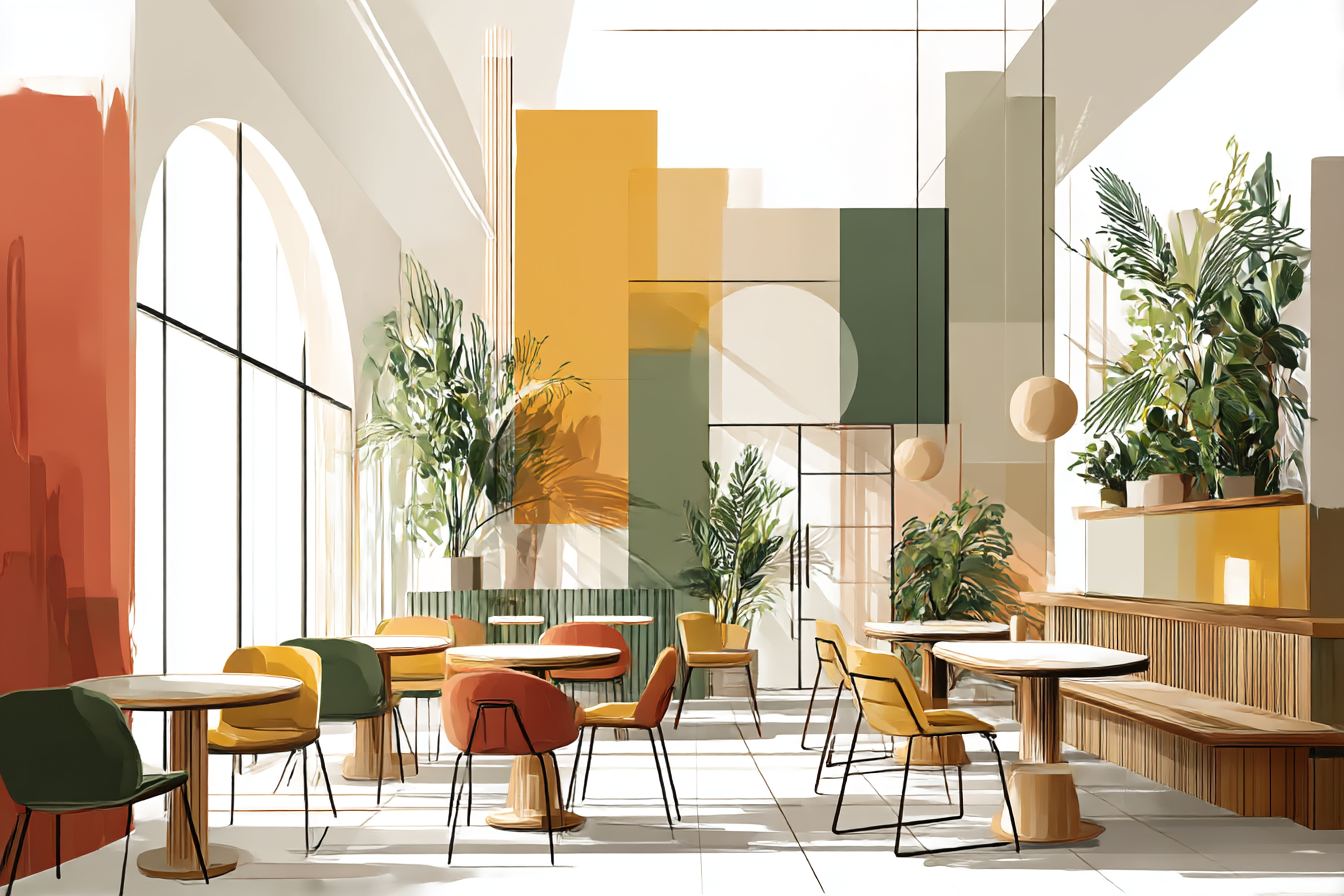
Last month, I consulted on a community garden project in North Philadelphia that really drove this point home. The neighborhood had secured a vacant lot and wanted to create something that would serve families with limited outdoor access. Instead of the typical rectangular plots-in-rows approach, we designed what I called "outdoor rooms" – different areas that naturally invited different types of activity.
There's a storytelling circle surrounded by aromatic herbs where kids gather for weekly nature programs. A quiet meditation space tucked behind tall grasses and flowering shrubs where older residents can escape urban noise. A pizza oven area (built from reclaimed brick, naturally) that's become the heart of monthly community dinners. And yes, plenty of growing space, but arranged in flowing beds that follow the natural contours of the site.
The key was understanding that people need variety in their outdoor experiences, just like they do indoors. You wouldn't design a house with just one big empty room, right? So why do we keep creating yards that are essentially outdoor versions of that – vast expanses of grass with maybe a deck attached to the house like an afterthought?
I've started encouraging clients to think about their outdoor spaces as extensions of their interior rooms. The kitchen flows into an outdoor cooking and dining area surrounded by edible plants. The living room connects to a comfortable seating area with natural wind protection and interesting views. The home office overlooks a quiet garden space designed for visual calm and stress reduction.
This approach works even in tiny urban spaces. My neighbour Carlos has transformed his narrow row house backyard into this incredible multi-level experience using vertical plantings, mirrors to reflect light and create the illusion of depth, and carefully placed seating that takes advantage of morning and evening sun patterns. It's maybe 200 square feet total, but it feels spacious and offers at least four distinct "rooms" for different activities and moods.
<img class="size-full" src="https://biophilicflair.com/wp-content/uploads/2025/08/IM_Biophilic_Fashion_Nature-Inspired_Design_Redefining_Clothi_7b2d18e6-c386-486d-93a5-0fbcece592da_0-1.jpg" alt="IM_Biophilic_Fashion_Nature-Inspired_Design_Redefining_Clothi_7b2d18e6-c386-486d-93a5-0fbcece592da_0" />
The research on all this is pretty compelling, though I try not to get too academic about it. Studies consistently show that people who have regular access to well-designed natural spaces report better sleep, lower stress levels, improved creativity, and stronger social connections. Kids who play in nature-rich environments develop better problem-solving skills and emotional regulation. Even just fifteen minutes daily in a thoughtfully designed outdoor space can measurably improve mental health markers.
<blockquote>But you know what?
You don't need a research study to tell you that sitting under a tree listening to birds feels better than staring at a blank wall. We're wired for these connections – they're not luxuries but necessities for human wellbeing.</blockquote>
The trick is creating outdoor spaces that make those connections effortless and irresistible. Maria's daughter doesn't chase butterflies because someone told her it was educational or therapeutic. She does it because the space naturally invites that kind of joyful interaction. That's the goal – designing environments where beneficial behaviors happen organically, where the connection to nature feels inevitable rather than forced.
Working on these projects has convinced me that the future of healthy communities depends partly on how well we integrate natural systems into every aspect of our built environments. Not just parks and preserves, but everyday spaces where people live, work, and gather. Outdoor areas that support both human flourishing and ecological health. Spaces that remind us, daily and gently, that we're part of the natural world rather than separate from it.