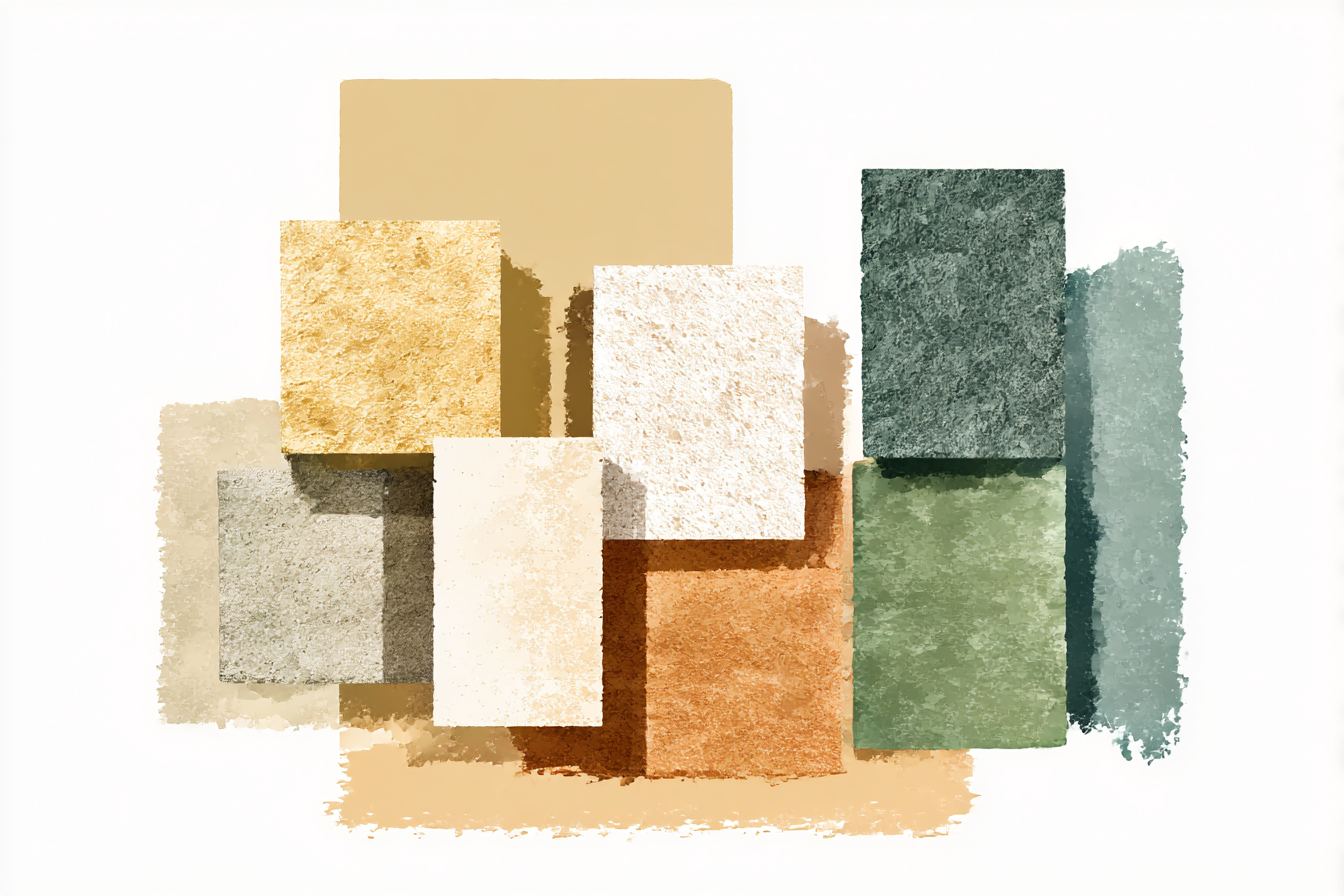
Walking through a major home improvement store last weekend, I counted seventeen different labels claiming some variation of "green," "eco-friendly," or "sustainable" on building materials. The bamboo flooring boasted three separate certifications. The paint promised zero VOCs with a colorful label I'd never seen before. Even the drywall compound had jumped on the bandwagon with claims about recycled content.
It's enough to make your head spin, honestly. I've been in this industry long enough to remember when finding genuinely sustainable building materials required detective work and personal relationships with specialty suppliers. Now every manufacturer seems to have discovered environmental marketing.

The problem? Most of these labels mean absolutely nothing.
Don't get me wrong – I'm thrilled that sustainability has entered mainstream consciousness. But I've also seen too many projects go sideways because someone trusted a flashy certification without understanding what it actually verified. Or didn't verify, as the case often is.
The LEED system gets most of the attention, and for good reason. It's comprehensive, third-party verified, and covers the entire building rather than just individual materials. When I see a material with LEED points, I know someone has done their homework on lifecycle impacts, indoor air quality, and regional sourcing. That said, LEED isn't perfect. I've specified LEED-compliant materials that performed poorly in practice or cost significantly more than equally sustainable alternatives without the fancy paperwork.
What bugs me about LEED material credits is how they can incentivize gaming the system. I watched a contractor ship structural steel from 800 miles away because it had higher recycled content than local steel with lower recycled content but produced just 50 miles from the job site. The transportation emissions probably negated any benefit from that extra recycled content, but the LEED scorecard didn't capture that nuance.
Cradle to Cradle certification takes a different approach, and I respect their thinking. Instead of just measuring "less bad," they're trying to create materials that are genuinely beneficial throughout their entire lifecycle. A Cradle to Cradle Certified material should theoretically be safe for human health, renewable, and designed for continuous cycles of use.
I tested some Cradle to Cradle carpet tiles in my office renovation two years ago. Beautiful product, performed well, and when I eventually replaced them, the manufacturer actually took them back for reprocessing. That's the kind of circular thinking we need more of. The downside? Limited selection and premium pricing that puts these materials out of reach for many projects.
GREENGUARD certification focuses specifically on indoor air quality, which is where I see the most immediate impact on building occupants. I've walked into too many "green" buildings that reeked of adhesives and off-gassing finishes to dismiss the importance of this testing. GREENGUARD verifies that products meet strict chemical emissions limits based on established health standards.
Here's what I learned the hard way about GREENGUARD: there are different levels. GREENGUARD Certified is the basic standard. GREENGUARD Gold adds stricter limits and considers sensitive populations like children and elderly folks. For schools, healthcare facilities, or homes with anyone dealing with chemical sensitivities, that Gold certification matters significantly.
You Might Also Like

I once specified what I thought was low-emission flooring for a daycare renovation. Turned out it was GREENGUARD Certified but not Gold, and the installation adhesive wasn't certified at all. Three weeks after installation, kids were still complaining about headaches and strange smells. We ended up replacing the entire floor at massive expense. Now I read the fine print and verify every component, not just the primary material.
Forest Stewardship Council certification for wood products is probably the most mature environmental labeling system I work with. FSC has been around since the 1990s, and their chain-of-custody tracking is genuinely rigorous. When I see FSC certification, I'm confident the wood came from responsibly managed forests rather than old-growth clear-cuts or illegal logging operations.
But even FSC has quirks. I've seen FSC-certified tropical hardwood shipped from Southeast Asia when perfectly good FSC hardwood was available regionally. The certification verified responsible forestry but said nothing about the carbon footprint of shipping lumber halfway around the world. Again, it's about understanding what a label does and doesn't cover.
Energy Star certification applies to some building materials now, particularly windows, doors, and HVAC equipment. This one I trust pretty thoroughly because it's backed by EPA testing protocols and has measurable performance thresholds. When I specify Energy Star windows, I know they'll meet minimum thermal performance standards for the climate zone. That's concrete, verifiable data.
What frustrates me are the made-up certifications. I see products with official-looking labels from organizations that don't actually exist or industry groups that certify their own members' products. Last month I encountered beautiful-looking bamboo plywood with certification from something called the "Sustainable Materials Institute." Twenty minutes of internet searching revealed this was essentially a marketing company, not an independent testing organization.
The key is learning to distinguish legitimate third-party certification from marketing nonsense. Real certification involves independent testing, published standards, and ongoing verification. The certifying organization should be transparent about their testing methods, criteria, and funding sources. If you can't find detailed information about what a certification actually verifies, be suspicious.
I keep a mental hierarchy of certifications based on rigor and relevance. At the top: Cradle to Cradle, FSC, GREENGUARD Gold, and Energy Star. These involve independent testing, clear standards, and meaningful environmental or health impacts. In the middle: LEED credits, GREENGUARD basic, and various specialty certifications like FloorScore or SCS Indoor Advantage. These are legitimate but more limited in scope. At the bottom: industry self-certifications, vague "eco-friendly" claims, and anything that looks impressive but lacks substance.
The reality is that some of the most sustainable materials I work with carry no certifications at all. That reclaimed barn wood from 40 miles away?

Probably more sustainable than certified lumber shipped from across the continent, but there's no label to verify it. Local clay brick fired at a regional kiln? Better environmental profile than many certified alternatives, but who's going to pay for third-party testing on a small regional product?
This is where professional judgment matters. Certifications are useful tools, but they're not substitutes for understanding materials, supply chains, and actual environmental impacts. I've learned to use certifications as starting points, not endpoints. They help identify products worth investigating further, but real material selection requires looking at the complete picture.
The good news is that legitimate certification programs are becoming more sophisticated and comprehensive. The bad news is that greenwashing is also becoming more sophisticated. The only defense is staying informed, asking tough questions, and remembering that truly sustainable materials don't always need fancy labels to prove their worth.



