Yesterday afternoon, I was standing in my kitchen watching water from my latest irrigation experiment drip onto the floor (again), when my neighbour knocked on the door. She'd been hearing about regenerative design from her daughter who works in urban planning, and wanted to know what the heck it actually meant. "Is it just another fancy term for green building?" she asked, stepping carefully around the puddle.
I get this question a lot, actually. And honestly? I used to think the same thing.
See, when I first heard about regenerative design maybe five years ago, I rolled my eyes. Hard. I mean, we already had sustainable design, green building standards, LEED certification… weren't we just making up new buzzwords at that point? But then I started digging deeper, and wow – I was missing something huge.
<blockquote>The thing is, sustainable design aims to "do no harm." Which is great, don't get me wrong. But regenerative design? It goes way beyond that. Instead of just trying not to mess things up, it's about creating buildings and spaces that actually heal and restore the environments they're built in. Not just maintaining the status quo, but making things better than they were before.</blockquote>
Think about it this way – if your body gets a cut, sustainable healing would be putting a bandage on it so it doesn't get infected. Regenerative healing is your skin actually growing back stronger and more resilient than before. That's the difference we're talking about.
<img class="size-full" src="http://wonkydogltd.co.uk/medium/wp-content/uploads/2026/01/im1979_regenerative_design_definition._ultra-realistichyper-d_26b5a91b-eb89-413c-acbc-1d7f033199e1_0.jpg" alt="im1979_regenerative_design_definition._ultra-realistichyper-d_26b5a91b-eb89-413c-acbc-1d7f033199e1_0" />
I had my "aha moment" about this during a project I was consulting on in Portland two years ago. The client wanted to renovate an old warehouse into artist studios, and initially, they were focused on typical green building stuff – energy-efficient windows, LED lighting, recycled materials. All good things, obviously. But when we started looking at the site itself, everything changed.
The warehouse sat on what used to be a wetland. Over the decades, the surrounding neighborhood had dealt with flooding issues because the natural water absorption capacity was gone. Instead of just renovating the building, we started asking: what if this project could help restore some of that original ecological function?
We ended up designing a system where rainwater from the roof feeds into bioswales that naturally filter runoff before it hits the storm drains. The parking area uses permeable materials that let water soak back into the ground. We even incorporated native plants that provide habitat for pollinators – species that used to thrive in that area before development.
The result? The building doesn't just avoid harming the local ecosystem – it actively supports it. Property owners in the surrounding blocks have noticed less flooding during heavy rains. The local bee population has visibly increased. And the artists working there report feeling more connected to their environment, which has actually influenced their creative work.
That's regenerative design in action.
But here's where it gets really interesting – and this is something I've been experimenting with in my own apartment for the past year. Regenerative design isn't just about big commercial projects. You can apply these principles at any scale, even in a tiny urban space.
My latest obsession has been mycorrhizal networks. Stay with me on this – it's cooler than it sounds. These are fungal networks that connect plant roots underground, helping them share nutrients and communicate. In nature, these networks create incredibly resilient ecosystems. So I started wondering: could I create something similar indoors?
You Might Also Like
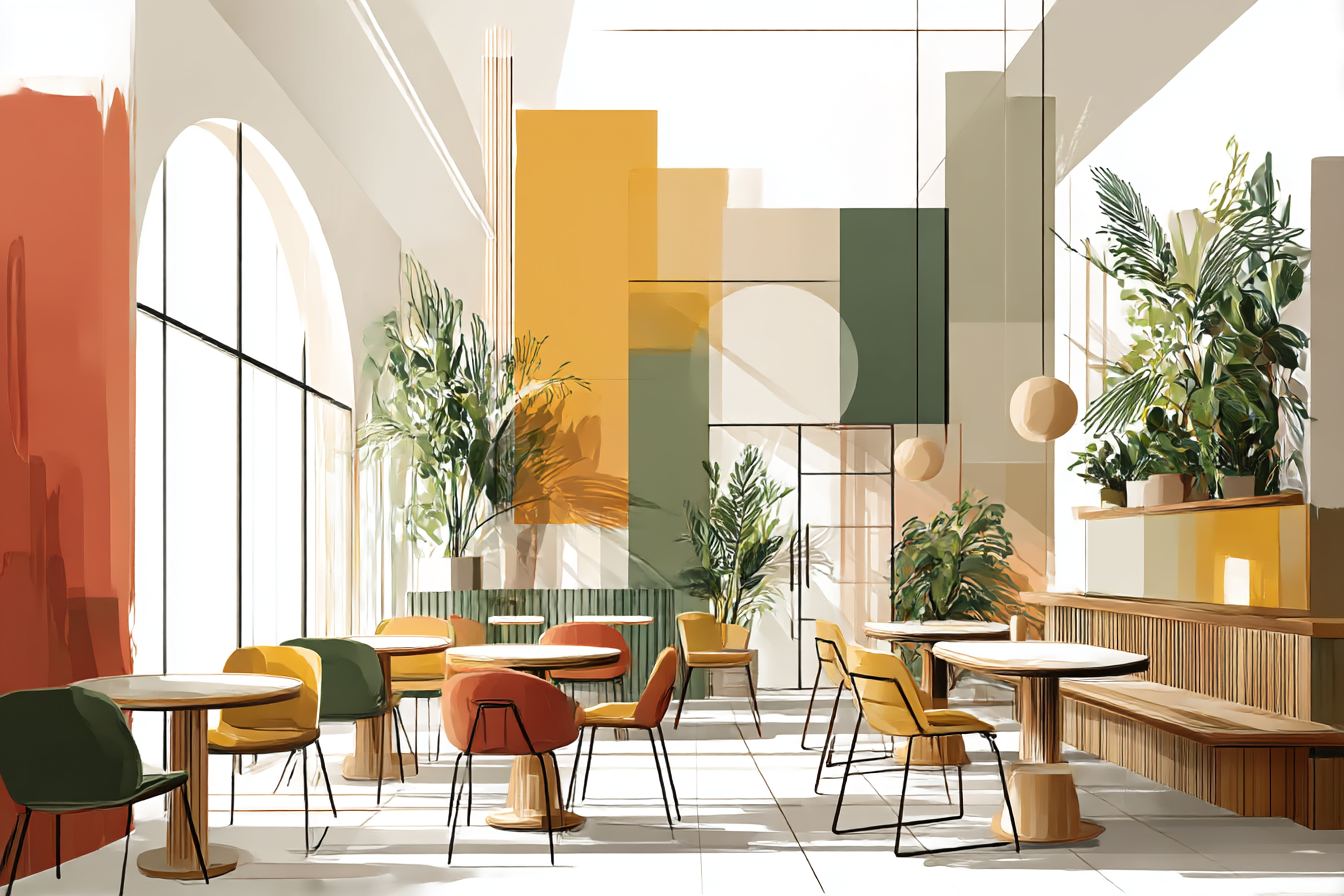
I've been growing what I call a "living wall system" that incorporates beneficial fungi along with the plants. The fungi help break down organic waste from my kitchen (coffee grounds, vegetable scraps) and convert it into nutrients that feed the plants. The plants, in turn, clean my indoor air and help regulate humidity. It's a closed-loop system that actually improves the conditions in my apartment while reducing my waste output.
My electric bills have dropped because the plants provide natural cooling. My air quality has measurably improved – I've got a little monitoring device that tracks particulates and VOCs. And honestly, my stress levels have gone down too. There's something about having these living systems actively working to improve your environment that just feels… different.
But let's talk about why this matters beyond just feeling good about ourselves.
Traditional building practices have created what I like to call "metabolically dead" structures. They consume resources – energy, water, materials – but they don't give anything back to the systems that support them. They're essentially parasitic. And when you multiply that across millions of buildings… well, you can see the problem.
Regenerative design flips this relationship. Instead of buildings that drain resources from their environment, we create buildings that contribute to environmental health. They might generate more energy than they use, capture and clean more water than they consume, or support biodiversity rather than destroying it.
I worked on a school project last year where we applied these principles. The building incorporates living walls that clean indoor air while teaching students about plant biology. Rainwater collection systems provide water for the school garden and serve as outdoor learning laboratories. Solar panels generate more electricity than the school uses, with excess power fed back to the grid.
But here's the part that really excites me – the students' test scores in environmental science improved significantly after the building opened. When kids can see and interact with regenerative systems every day, they develop an intuitive understanding of how human activities can support rather than degrade natural systems.
The maintenance staff told me something interesting too. They said the building actually gets easier to maintain over time, not harder. The living systems become more established and self-regulating. The rainwater collection reduces strain on municipal infrastructure. The solar panels pay for themselves and then start generating revenue.
That's the economic reality of regenerative design that a lot of people don't realise. Yes, it often requires higher upfront investment. But these systems typically become cost-positive over time because they're designed to give back more than they take.
<img class="size-full" src="http://wonkydogltd.co.uk/medium/wp-content/uploads/2026/01/im1979_regenerative_design_definition._ultra-realistichyper-d_26b5a91b-eb89-413c-acbc-1d7f033199e1_1.jpg" alt="im1979_regenerative_design_definition._ultra-realistichyper-d_26b5a91b-eb89-413c-acbc-1d7f033199e1_1" />
Now, I'll be honest – implementing regenerative design isn't always straightforward. It requires thinking differently about how buildings relate to their environments. You need to understand local ecosystems, climate patterns, and resource flows. And you have to be willing to work with living systems that change and evolve over time.
<blockquote>But that's also what makes it so fascinating. Instead of static structures that slowly degrade, regenerative buildings become more valuable and more functional as they mature. The living systems adapt to changing conditions, becoming more resilient over time.</blockquote>
My neighbour left that afternoon with a completely different understanding of what regenerative design means. A few weeks later, she started her own small experiment – replacing her concrete patio with permeable materials and native plants that support local wildlife.
That's how change happens, I think. One conversation, one small project at a time. And honestly, that gives me a lot of hope for the future of how we build and inhabit our spaces.