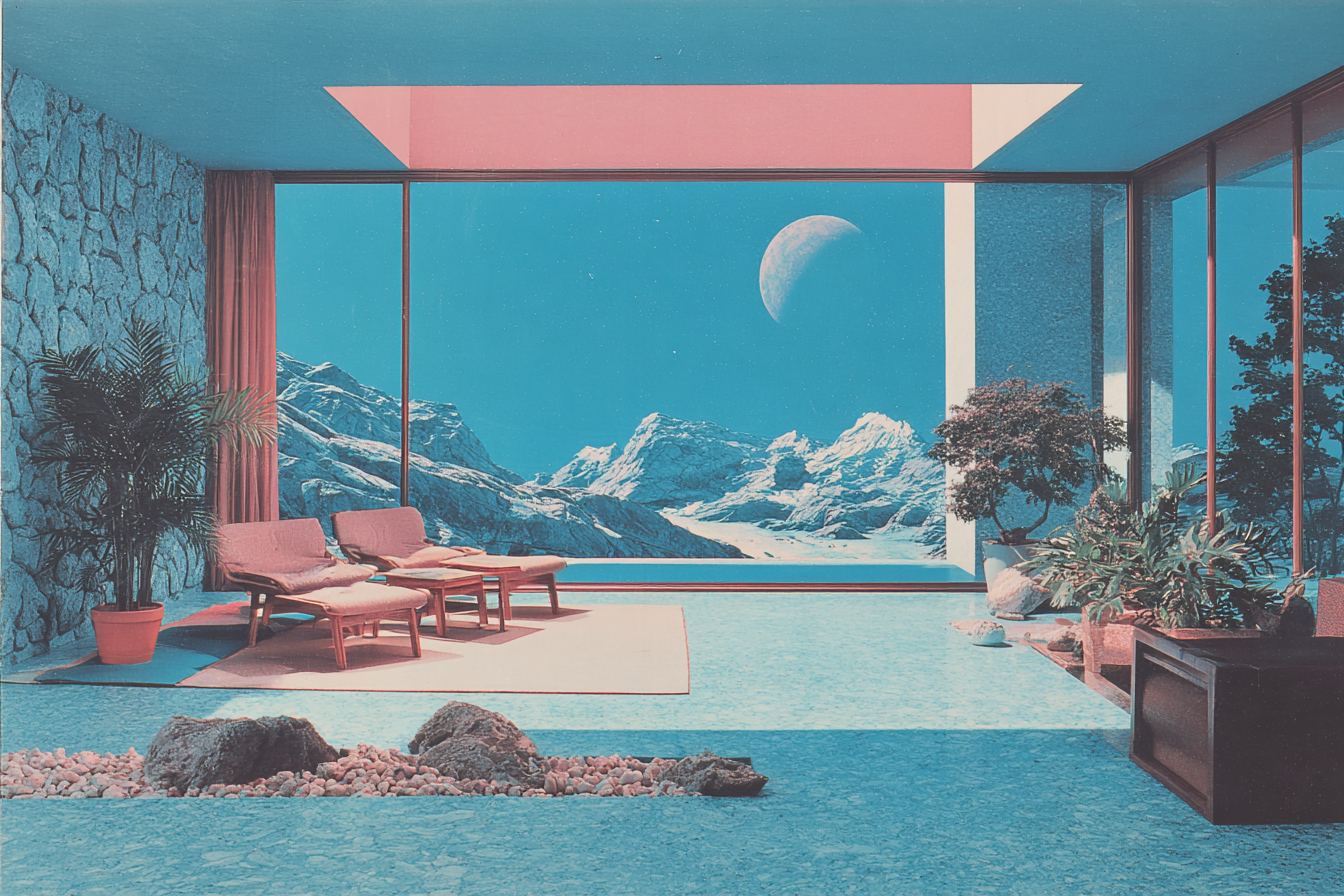
If you’re considering a biophilic design in your home or office, I recommend starting with a simple and easy-to-use option: indoor plants. Indoor plants are among the easiest ways to implement biophilic design in your home or office because you don’t need to install any fancy equipment or hire a professional. You simply purchase a plant that will grow well in your home/office and place it somewhere you will frequently see it.
However, as much as many people would like to believe, placing a single plant anywhere in a room is not enough. While a plant can help purify the air, make your space more visually pleasing, and even contribute to lowering your blood pressure and improving your mood, the effectiveness of the plant(s) you select greatly depends on several factors, including where you place the plant(s), how often you tend to them, and the types of plants you select.

In order to obtain any meaningful biophilic design benefits using plants, I recommend that you follow the steps below:
- Select plants that are suitable for your lighting conditions.
- Choose plants that match your available time and willingness to care for them (e.g., some plants require daily watering, while others can go for weeks without watering).
- Purchase plants that are large enough to create an impact in your space.
- Position plants in locations throughout your home or office that will maximize the amount of time you spend viewing them.
- Maintain the health and longevity of your plants by providing them with proper care (i.e., watering, pruning, fertilizing).
Following these guidelines will allow you to realise the true potential of indoor plants as a means to enhance your biophilic design experience.
What Plants Really Do (The Science)
While people purchase plants primarily for aesthetic purposes, the primary function of plants in your home/office is to remove pollutants and toxins from the air and improve your mental and physical well-being. Plants work on your air quality, your mood, and your productivity, and the scientific evidence supporting this is robust.
Air Purification: Indoor plants filter up to 87% of certain air pollutants like formaldehyde and benzene from indoor environments through absorption and biological processes occurring in the soil. Although removing toxins from your air does not occur overnight, it is a continuous process that occurs every day your plants are present and healthy. The more plants you have, the greater the cumulative effect of toxin removal.
Oxygen Production: As part of the photosynthetic process, plants produce oxygen through the breakdown of carbon dioxide. Since plants continue to grow and produce oxygen regardless of whether you are at home or at the office, the benefits of increased oxygen levels from indoor plants are consistent, both at home and in the office.
Relative Humidity Increase: In addition to removing pollutants from the air, plants raise relative humidity to 40-60%, which reduces virus transmission by accelerating particle settling. Studies conducted during 2020-2021 demonstrated that spaces with sufficient humidity experienced significantly lower rates of COVID-19 transmission than areas with very low humidity.
Cooling Energy Reduction: Potted plants can help cool indoor spaces by over 8% through natural evaporative cooling, making them a useful tool for businesses and homeowners who wish to save money on their utility bills.
Mental Health Benefits: Offices with 2 plants per person report up to 60% fewer sick days due to cleaner air and humidity control. By providing employees with access to fresh air and greenery, employers can help to mitigate absenteeism caused by illness.
Employee Wellbeing and Satisfaction: Biophilic design elements report 15% improvement in wellbeing and creative output, with employees in biophilically designed workplaces reporting 25% higher job satisfaction with respect to the environmental aspects of their workspace.
Focus and Productivity: Research across 40 office participants showed that plants boost perceived concentration, efficiency, motivation, and creativity with statistically significant gains across all measures. Global workplace studies link plants to 6% higher productivity, with positive effects on attention restoration and reduced tiredness.
These aren’t huge numbers individually, but they compound. If you’re in an office and you’re 6% more productive, that’s real over a year.

Plant Selection: What Actually Works
While selecting the right plant for your space may seem simple, the reality is that selecting a plant that will thrive in your space can be far more complex than you might initially imagine. Not all plants are created equal. Some plants require high levels of sunlight, while others prefer low light conditions. Some plants require frequent watering, while others can survive with infrequent watering.
| Plant | Light Requirements | Watering Requirements | Air Purification Capability | Pet Safety | Why It Works | Common Mistakes |
|---|---|---|---|---|---|---|
| Snake Plant | Low to Bright | Every 2-3 Weeks | High (Filters VOCs) | Yes | Will Grow Almost Anywhere. Extremely Forgiving. No Real Care Required. | Overwatering. Let It Dry Out Between Waterings. |
| Pothos | Low to Bright | Weekly | High (Filters Formaldehyde, Benzene) | Toxic to Pets | Grows Fast. Covers Walls & Ceilings. Propagates Easily. | No Serious Mistakes. It Wants To Live. |
| ZZ Plant | Low to Bright | Every 2-3 Weeks | Moderate | Mildly Toxic | Glossy. Attractive. Can Handle Neglect. Extremely Low Maintenance. | Overwatering Again. Brown Leaves Mean Underwater, Not Overwatered. |
| Spider Plant | Medium | Bi-Weekly | Moderate | Yes | Generates Babies (Plantlets) That Are Easy to Replicate. Fun to Watch. Hardy. | Fluoride in Tap Water Causes Brown Tips. Use Filtered Water. |
| Peace Lily | Low to Medium | Bi-Weekly | Moderate | Mildly Toxic | Sends Messages About Its Thirstiness (Wilts). Gives You Feedback. Flowers Indoors. | Look at Wilting Leaves. Don’t Panic. Just Water and it Will Recover. |
| Boston Fern | Medium | Bi-Weekly | Moderate | Yes | Classic Look. Great Air Purifying Ability. | Easy to Kill. Must Have High Humidity. Better Served in Bathrooms Than Living Rooms. |
| Rubber Plant | Medium to Bright | Bi-Weekly | Moderate | Mildly Toxic | Vibrant Colour. Large Leaves. Dramatic Appearance. Can Grow Tall. | Can Burn Leaves in Direct Afternoon Sun. East/West Windows Better Than South Windows. |
In general, if you are prone to forgetting to water your plants, I recommend that you start with Snake Plant, ZZ Plant, or Pothos. If you are attentive and willing to water your plants on a regular basis, I suggest you choose any of the above plants, regardless of whether you have high or low light in your space. And if you have limited natural light in your space (e.g., a north-facing room), Snake Plant and Pothos are your best bets.
How Many Plants Does it Take to Make a Difference? (Quantity Matters)
While adding a single plant to your home or office is a great step towards enhancing the biophilic design of your space, I must caution you that adding a single plant is unlikely to have a meaningful impact on the quality of the air in your home or office. In fact, studies indicate that a bare minimum of 1 plant per 9 square metres of space is necessary to achieve a noticeable improvement in indoor air quality. Thus, if your home or office is 30 square metres (approximately 300 square feet), I recommend that you have at least 3-4 plants in your space. And, if your home is larger (over 100 square metres), I recommend that you have at least 10-12 plants in your space to achieve a noticeable reduction in VOCs.
For this reason, I recommend that you:
- Place 3-5 plants in your living room to take advantage of the highest foot traffic in your home.
- Place 2-3 plants in your bedroom to enjoy the air-purifying benefits of plants while you sleep and to enhance the ambiance of your bedroom.
- Place 2-3 plants in your home office to take advantage of the cognitive benefits of plants while you work.
- Place 2 plants in your kitchen to help remove VOCs produced by cooking.
Finally, I recommend that you distribute multiple plants throughout your space rather than relying on a single large plant. Distributing multiple plants provides more surface area for the air to pass through, thereby increasing the amount of air that is purified.
Where to Place Your Plants (Optimizing Their Impact)
Next to a window: Plants placed next to windows receive more light and grow more vigorously, which leads to increased oxygen production and air purification capabilities. Placing a plant next to a window is ideal if possible.
Near your work station: Having a plant near your work station has psychological benefits that extend beyond air purification. You will engage with the plant more frequently, watch it grow and develop, and feel a sense of connection to the natural world.
In a bedroom: Plants in bedrooms have been shown to improve sleep quality slightly through oxygen production, but the major benefits of placing plants in bedrooms is the psychological aspect of visual connection to nature which enhances relaxation prior to sleep.
In dead corners: Plants in dead corners (which typically receive low amounts of light) are ideal candidates for low-light plants such as Snake Plant or Pothos. These plants transform otherwise neglected space without taking valuable floor or wall space.

Maintaining Your Plants (Reality Cheque)
In my opinion, maintaining your plants is probably the most challenging part of implementing a biophilic design strategy using plants. The majority of plant owners either forget to water their plants or drown them in water. The problem is that most plants are susceptible to overwatering and will eventually die if too much water accumulates in the soil. Therefore, I recommend that you establish a routine of checking the moisture levels of your soil before watering. If the soil is already moist, skip watering. If the soil is dry, then it is time to water.
Some additional factors that influence the watering needs of your plants include:
- Amount of Light Received: The more light your plants receive, the more water they require to stay hydrated.
- Seasonality: Your plants require less water during the winter months and more water during the summer months.
- Size of Pot: Smaller pots tend to dry out faster than larger pots.
- Type of Plant: Succulents, cacti, and other plants that store water in their stems and leaves tend to require less water than plants that do not have these adaptations.
Therefore, I recommend that you do not overcomplicate the process of watering your plants. Simply cheque the moisture level of the soil and avoid watering your plants until the soil is dry.
Avoid These Common Mistakes
Using artificial plants: Artificial plants are decorative items and will never purify the air, produce oxygen, or provide the psychological benefits associated with observing living growth.
Overwatering: Overwatering is the leading cause of death for houseplants. Before watering your plants, always cheque the moisture level of the soil to ensure that it is dry.
Choosing plants that are incompatible with your light levels: If you have low light levels in your space, do not attempt to grow a plant that requires high light levels. Instead, choose a plant that will thrive under low light conditions.
Organising plants by pot colour instead of care needs: Organise your plants by their watering, lighting, and humidity needs. This will simplify the task of caring for your plants and minimize the potential for neglect.
Not addressing humidity issues: In the UK, homes are typically poorly ventilated, particularly during the winter months when heat is used to warm the home. The dry air can damage your plants and lead to pest infestation. Therefore, I recommend that you address humidity issues either by purchasing plants that require low humidity or by creating a microclimate in your home by grouping plants together.
Cost Considerations (How Much Money Should I Spend?)
Implementing a biophilic design strategy using plants is one of the lowest-cost methods of achieving meaningful biophilic design benefits. Here are some approximate price ranges for various types of plants and related materials:
-
- Small plants (4-6 inches): £5-£15
- Medium plants (8-10 inches): £15-£30
- Large plants (12 inches and larger): £30-£60
- Planters/Pots: £5-£20 (depending on quality)
- Soil/Fertilizers/Tools: £20-£40 (one-time purchase)
Based on these estimates, a starter kit consisting of five plants, planters/pots, and soil/fertilizers/tools should cost approximately £60-£100. Ongoing annual expenses for maintaining your plants should be approximately £10-£20.
In comparison to installing living walls (£2,000-£15,000) or hiring a professional to redesign your space with biophilic elements, implementing a biophilic design strategy using plants is relatively inexpensive.
Learn From These Common Misconceptions
Artificial Plants: Artificial plants do not filter the air, produce oxygen, nor elicit the same psychological responses as living plants.
Overwatering: Overwatering is one of the most common reasons plants fail. Always cheque soil moisture before watering.

Jeff has spent the last 20 years trying to figure out how interior environments can positively impact wellbeing and productivity. A personal mission to make his home (and eventually office) feel less dreary turned into a serious study and practice of biophilic design.
Over two decades, Jeff has tried literally dozens of ways to incorporate elements of nature into living and working areas—many were successful, but most were not. He has killed high-maintenance plants, created mold issues by planting too many plants, and installed water features that were much more stressful than they were supposed to be relaxing. Through both hands-on testing and research, he has determined what is truly effective, what is worth your time and money, and what you should skip altogether.
Jeff is no designer or scientist, just a regular person with sincere, down-to-earth knowledge of biophilic principles that can create healthy indoor environments. His focus is on providing actionable, viable solutions that fit within the realities of budgets, space limitations, and what people will honestly maintain.
Jeff’s resources are intended for individuals seeking to enhance their indoor environments using biophilic principles without over complicating things or claiming expertise. Someone who simply figured out through trial and error what actually creates a better feeling in a space.