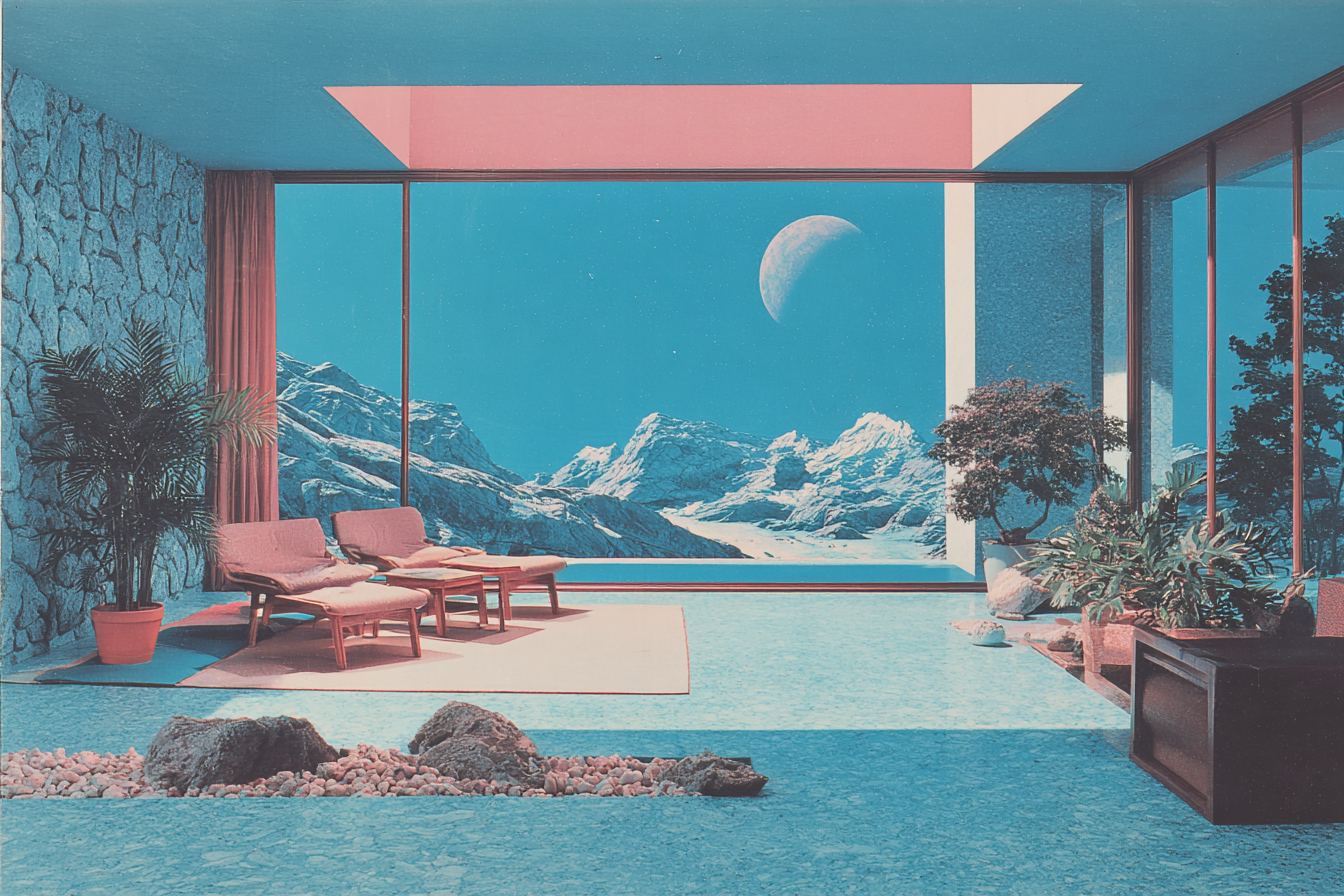
As we explore how to create biophilic interiors, it’s worth noting that the space will either feel “alive” or “dead”. One of the primary reasons for this is the type of materials used in the space. Polished concrete floors, natural stone walls, and wood cladding, for example, are not just cosmetic choices, they are physiological stimuli processed by our nervous systems continuously, regardless of our awareness of them.
Over 15 years of interior design work with various types of commercial and residential projects, I can confidently state that my projects utilising natural stone and wood were superior to those that did not. In addition to aesthetic differences, these projects also had measurable differences in terms of user behaviour. Users stayed longer in spaces utilising natural stone and wood, felt safer, and were willing to pay more for them.
Studies have shown that biophilic interiors utilising natural stone and wood can improve consumer willingness to shop by as much as 12 percent in commercial environments such as malls due to perceptions of safety and positive experiences. This is not simply coincidence; this is a result of the human nervous system responding to natural materials.
Whilst there are certainly limitations associated with utilising natural materials, including increased cost, maintenance requirements, and installation complexities, there are also opportunities to create biophilic interiors that function better, feel better and produce measurable health and commercial benefits within those limitations.

Why Natural Materials Produce Better Outcomes Than Synthetic Materials
Humans interact with various surfaces throughout the day, such as the flooring under their feet, the surface of the counter where they eat and or prepare food, the surface of the table or desk where they work, the side of the chair they sit in, etc. These interactions send signals to the nervous system regarding whether the individual is in a safe, natural environment versus a man-made, unnatural environment.
Synthetic materials, such as plastic, laminate, and vinyl produce a different tactile sensation than natural stone or wood. Whilst humans may not consciously identify this sensation as being from “a fake”, their nervous system identifies it as being “different.” Their nervous system remains slightly more active whilst interacting with synthetic materials and their ability to recover from stress is slowed compared to interaction with natural materials.
Conversely, natural stone and wood produce a tactile sensation that signals to the nervous system that the individual is in a safe, reliable, and natural environment. As a result, cortisol levels decrease and individuals become more relaxed whilst interacting with natural materials.
These are not subjective preferences; the built environment produces approximately 39% of global energy-related carbon emissions, which drives the biophilic design movement toward stone and wood for sustainability purposes.
There are no other reasons for the shift toward natural materials than wellness and sustainability. The use of natural materials in design creates fundamentally different experiences than the use of synthetic materials.
The Commercial Case for Natural Materials
The commercial case for natural materials is quite strong. Hotel guests are willing to pay a 23% premium for hotel rooms that include a view of nature that includes stone elements. This is not a small margin, this is a 23-point increase in what customers are willing to pay based on the inclusion of stone materials.
Healthcare environments benefit even more dramatically. Health care facilities report 8.5% faster recovery rates and 22% lower pain medication usage with biophilic stone and water features. These statistics represent a direct financial savings to hospitals through shorter hospital stays, lower pharmaceutical costs and measurable improvement in patient outcomes.
Workplace environments are beginning to understand this as well. Surveys conducted of workplaces rank biophilic elements highly: natural light (44%) and plants (20%), with stone and wood implied in top natural material demands. Organisations that invest in stone and wood materials in their workplace environments report improved productivity and fewer absences.
Mental health is an important consideration as well. Mental health costs in the United Kingdom are estimated to be £117.9 billion annually, which is driving the creation of stone-clad biophilic offices for productivity gain. Organisations recognise that the environment affects mental health outcomes. Stone and natural materials are not luxury additions to workplace environments; they are essential infrastructure for wellness.

Industry Adoption Trends and Market Growth
The industry is moving rapidly toward the use of natural materials. The global biophilic design market is expected to reach £2.4 billion by 2028, with a compound annual growth rate of 10.2% from 2023, primarily fuelled by the use of stone and wood in 84% of wellness-focused projects. This is not a niche trend, this represents the accelerated adoption of biophilic design.
According to Pinterest data, natural materials (which include stone and wood) are ranked in the top three biophilic elements and have experienced significant increases in search volume since 2023. Consumers are actively searching for spaces that utilise natural materials.
Bathrooms present the most dramatic shift away from traditional materials. According to 2026 bath vanity sales, 62% of consumers purchase bath vanities with wood and stone faces, whereas only 53% of consumers choose painted options, indicating a desire for biophilic continuity in the interior design of their homes. This is not exclusive to high-end designs; natural materials are now standard expectations in home designs.
Use of Stone in Design
Stone has unique characteristics that make it particularly effective in biophilic interior design. Stone is tactilely grounding. Stone is durable. Stone develops beautiful patina as it ages, providing a sense of history and authenticity. Depending upon the type of stone selected, different sensory experiences can be created.
Marble provides elegance and coolness. Slate provides texture and visual interest. Limestone is warm and inviting. Granite is durable and provides subtle visual complexity. Stone flooring and countertops are favoured for durability and tactility and are commonly paired with wood cladding in 90% of sustainable retrofit projects.
Authenticity is the key. A marble pattern printed on laminate will create a different nervous system response than actual stone. Touching real stone with the skin creates a fundamentally different experience than touching a print. This is where natural materials create disproportionate impact relative to cost in many projects.
Engineered stone provides a viable alternative to natural stone in residential and commercial applications where budget is limited. Engineered stone provides a stone aesthetic at lower cost and with easier installation than natural stone. The tactile experience provided by high-quality engineered stone is significantly closer to the experience provided by natural stone than laminate alternatives.

Use of Wood in Design
Wood functions differently than stone in biophilic design. Stone is static and permanent. Wood is alive. Wood moves with humidity. Wood develops character over time. Wood ages visibly. The nervous system registers this aliveness.
Wood cladding on walls provides visual warmth and tactile invitation. Wood flooring creates a different tactile sensation underfoot than stone or tile. Wood furniture becomes a component of the biophilic story line because the material itself communicates connection to nature.
The sustainability angle matters as well. Wood is renewable in a way that stone is not. Sustainable retrofits commonly combine stone flooring with wood cladding in 90% of projects, thereby creating a material combination that signals both the permanence of stone and the living growth of wood.
A challenge with wood in high-moisture environments, such as bathrooms and commercial kitchens, is the potential need for frequent maintenance and concerns related to durability. This is where alternatives emerge. SPC (Stone Plastic Composite) flooring is gaining popularity for its biophilic wood and stone effects without the maintenance concerns of wood. SPC simulates the look of wood or stone and offers waterproofing and durability benefits. It is not authentic material; however, for specific applications, it is a practical compromise.
Material Choices Impact Stress Reduction
The wellness benefits of natural materials are not limited to subjective perception. Wellness studies indicate that nature-inspired decor with stone textures reduce stress by 30%. This is a 30-point stress reduction due solely to material selection.
This principle applies to art and decoration as well. Stone sculptures, natural wood art pieces, and textured wall installations that utilise authentic materials produce stronger wellness effects than their printed or synthetic equivalents. The material authenticity is what matters.
For residential applications, this means that investing in real stone or wood, even in small quantities (such as a feature wall, fireplace surround, kitchen countertops), delivers disproportionate stress-reduction benefits relative to cost. For example, a stone accent wall in a bedroom improves measurable sleep quality. A wood feature wall in a living room changes how people feel in that space.
Strategic Deployment of Materials
Complete natural material retrofits are not feasible for every client. However, strategic deployment of natural materials is possible. A single stone feature (such as a fireplace surround, a stone accent wall, a natural wood shelf) can alter how a space feels without requiring a complete renovation.
Commercial projects can benefit similarly. Installing stone flooring in high-traffic areas (lobby and reception areas) creates disproportionately large impacts. Individuals spend more time in these areas, and the organisation is viewed differently. The 12% increase in shopping willingness in retail environments is directly correlated to revenue impact.
Residential bathrooms can be altered with the use of stone or wood vanities to signal a biophilic intent. Residential kitchens can be designed with natural stone countertops and wood cabinetry to serve as the base for all other elements. These are not luxury elements in 2026; these are expected minimums in residential projects focusing on wellness outcomes.
Budget-Conscious Approaches to Using Natural Materials
Budget-conscious approaches to utilising natural materials can be achieved through material layering. SPC flooring can provide wood or stone visual effects at lower cost than authentic materials, allowing for wider application across spaces. Engineered stone countertops can provide marble or granite aesthetics at 40-60% of the cost of authentic stone. These compromises are not ideal; however, they are practical in cost-constrained projects.
Prioritising High-Touch Surfaces
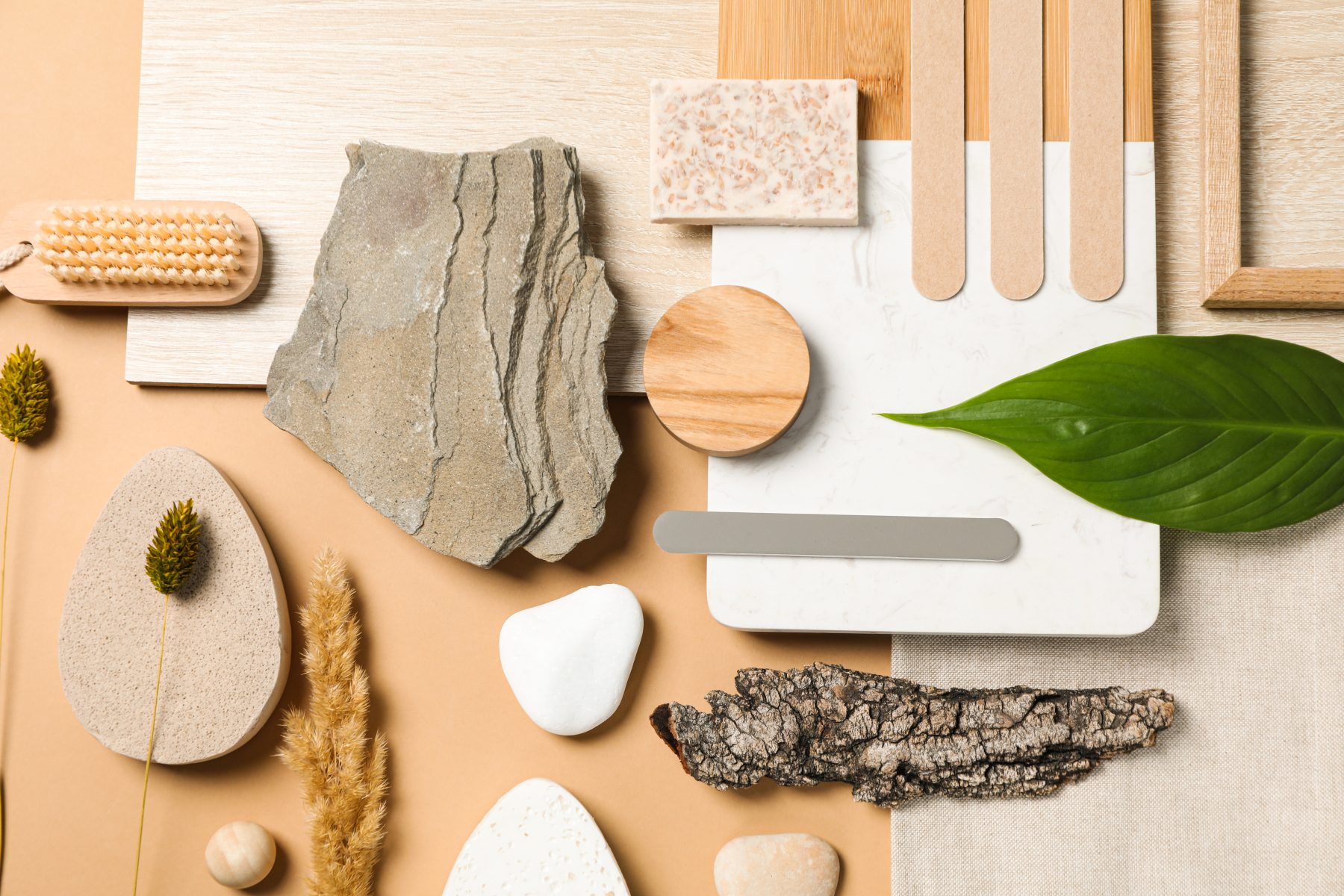
Not all applications have equal impact. High-touch surfaces should receive highest-priority investment. Examples of high-touch surfaces include flooring (that users walk on repeatedly), countertops (users touch multiple times a day), and furniture edges and rails (users lean against). Secondary surfaces (wall surfaces above eye level, ceiling treatments) have lower impact priority due to the frequency of contact and low-tactile involvement.
This prioritisation strategy enables strategic investments. Authentic stone flooring in main living areas. Engineered stone or high-quality SPC in secondary spaces. Real wood cabinetry in kitchens and bathrooms. Printed or composite materials in utility spaces.
Consistency of Material Language
The material language should be consistent across a space. If a bathroom utilises an authentic stone vanity and flooring, the inclusion of synthetic stone walls would undermine the biophilic effect. Similarly, if budget constraints dictate the use of SPC flooring, pairing it with real wood cabinetry and or stone accessories maintains the material authenticity where it matters most.
Sustainability Considerations in Material Selection
The biophilic material shift is also influenced by sustainability considerations. The built environment is responsible for 39% of global energy-related carbon emissions, which makes material selection a climate consideration, not simply an aesthetic one.
When sourced responsibly, natural stone and wood typically have lower embodied carbon than many synthetics. Stone is mined once and lasts for decades or centuries. Wood, if harvested sustainably, is renewable. Synthetics require repeated replacement due to wear and degradation.
This does not mean that every project should utilise authentic materials exclusively. It means that material selection should be thoughtful and informed by both wellness and environmental considerations. A combination of authentic and engineered materials, applied thoughtfully and intentionally, often results in better overall outcomes than an all-authentic or all-synthetic approach.
Market Direction
The direction of the market is clear. Natural materials (stone and wood) are becoming standard expectations in wellness-focused design, not optional luxury. The biophilic design market is growing at a compound annual growth rate of 10.2%, primarily due to the use of stone and wood in 84% of wellness projects.
For designers and project managers, this means understanding the hierarchical order of materials, the sensory impacts of each material, and strategic deployment of each material. It also means recognising that authenticity creates measurable physiological responses and that the material choices made in design directly affect how people feel in spaces, and ultimately, how they behave and recover.
The commercial case for natural materials is compelling. The wellness case is clear. The environmental case is imperative. In 2026 and beyond, natural materials are not optional; they are the foundation of design that actually works.

Tom is a landscape architect and sustainability consultant who specializes in integrating biophilic design with environmental responsibility. He’s spent 10 years designing projects that don’t just bring nature indoors but do so in ways that support broader ecological goals.
He’s frustrated by “greenwashing” biophilic design—adding plants sourced unsustainably, using materials with massive carbon footprints, creating maintenance systems that drain water resources. His work focuses on creating beautiful, functional biophilic spaces that actually reduce environmental impact rather than increase it.
Tom writes about sustainable material selection, native planting strategies, water management in biophilic systems, and how to build green features that support local ecology. He’s interested in the intersection of human wellbeing and environmental health—the idea that spaces designed to connect us to nature should also genuinely support nature. His guides are for people who want biophilic design to align with their environmental values, not contradict them.