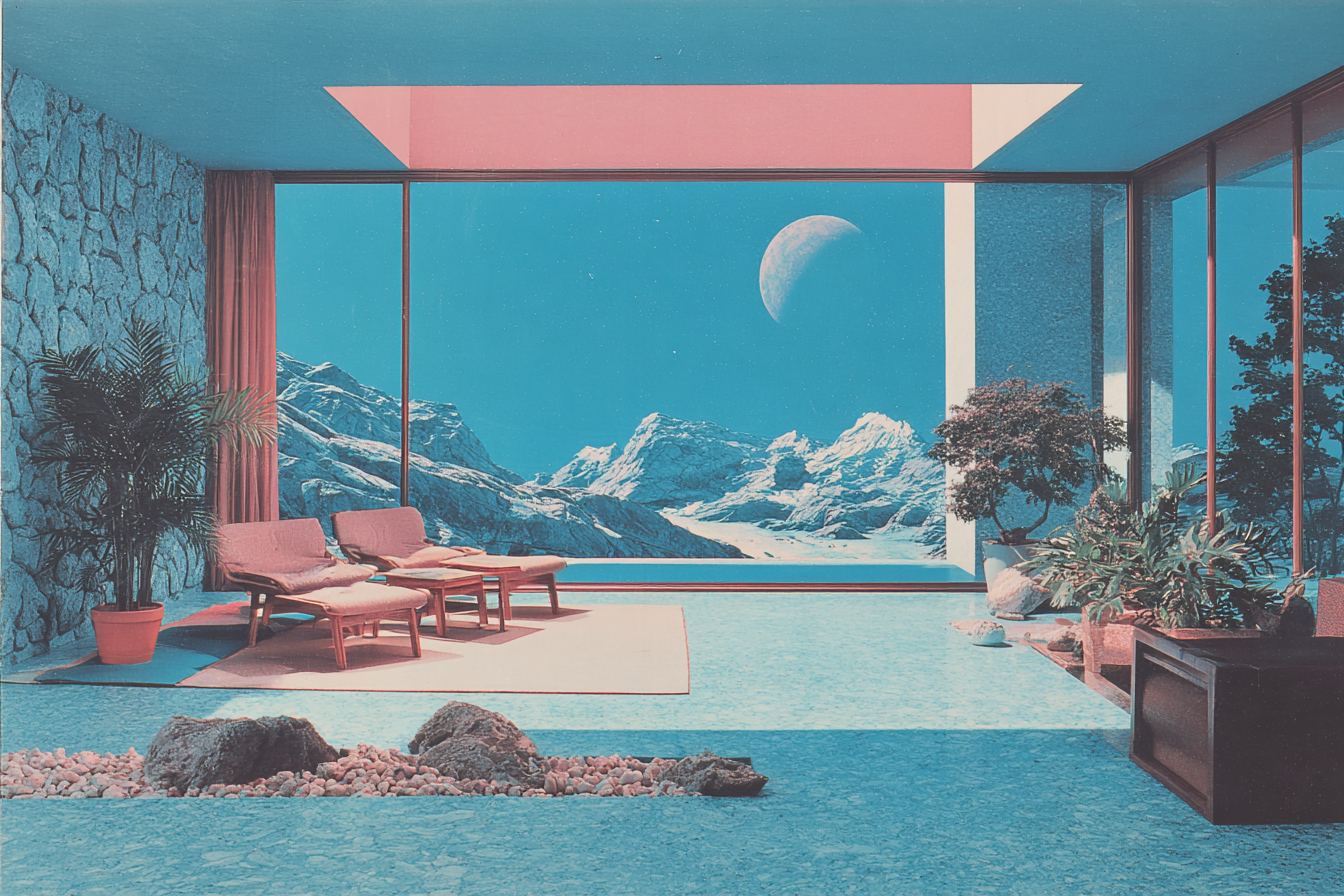
Biophilic design has been defined primarily in terms of light, plants and ventilation. Yet, the materials we contact in a room; wood flooring, stone shelves, natural fibres in our furniture — they all have a different effect on our brains than synthetic products. Biophilic design has to be working in order to create positive outcomes in terms of physical and emotional health and sustainability.
The literature surrounding this issue clearly demonstrates that the body reacts to natural materials differently than it does to synthetic ones at a neuro-physiological level. Additionally, this literature supports the notion of sustainability – how much am I paying for this product? Where is this product coming from? How much of a negative impact is it having on the environment?
This guide provides information regarding what works, what is worthwhile spending money on, and what should be avoided for those who are concerned with both their well-being and the welfare of the planet.
What Natural Materials Actually Do (The Science)
One of the areas where the neurological science really comes into play is in regards to the effects of touch and stress reduction. For example, when you touch a piece of wood (white oak), your pre-frontal cortex is able to relax. Your blood pressure decreases. Your sympathetic nervous system which deals with stress, will decrease in response to touching wood. These changes are scientifically measurable in relation to your brain activity and are not just perceived. In comparison to plastic or laminate, wood will cause a greater relaxation of your nervous system.
The compound effect of multiple natural materials within a space can also contribute to creating a sense of calm. Wood interior finishes are not only aesthetically pleasing, but they will reduce physiological stress responses as the amount of surface area increases. As such, the more wood present in a space, the more likely occupants will experience a greater sense of calm as a result of being in that space.
Your air quality will improve due to the presence of natural materials. Untreated wood, cork and bamboo do not emit VOCs like many synthetic materials do, resulting in healthier lung function for occupants exposed to them. Many synthetic materials release formaldehyde and other VOCs for years after installation. Natural materials do not have these characteristics, allowing your lungs to function more efficiently when in close proximity to them.
Additionally, cognitive function can benefit from exposure to natural materials. Studies have demonstrated that exposure to wood and stone increases creativity, focus and problem-solving ability. Offices designed using nature-inspired elements and incorporating natural materials have shown increased problem-solving abilities among employees. Moreover, studies have also demonstrated that hospital patients exposed to views of wood and stone, experienced accelerated recovery time, used fewer pain medications by as much as 22% and experienced less anxiety than patients not exposed to similar environments.
Productivity gains are measurable. Studies have shown that biophilic materials can increase mental restoration, and lead to as much as a 15% increase in productivity and decreased mental fatigue. As mentioned previously — measurable. Not subtle. Spaces with natural materials and inspired by nature, report occupants experiencing 25% greater levels of comfort and improved overall wellbeing as a direct result of consistent biophilic stimulation.
Natural Materials: What Actually Works
Not all natural materials are created equally. Some are durable and sustainable while others are harvested in a destructive manner. While some materials may cost £50 per square metre, others may cost upwards of £500. You need to understand what you are purchasing when selecting natural materials.
Wood
For most individuals, wood is the most readily available natural material. However, the term “wood” encompasses an extensive array of options — cheap pine, durable oak, sustainable bamboo, etc. Furthermore, some of these options have the potential to destroy entire rainforests.
| Wood Type | Durability | Cost | Sustainability | Best For | Avoid If |
|---|---|---|---|---|---|
| FSC Oak | Excellent (50+ years) | £40-80/sqm | Good (certified sustainable) | Flooring, furniture, visible surfaces | Moisture-prone areas without treatment |
| Bamboo (FSC) | Very good (25-40 years) | £30-60/sqm | Excellent (fast-growing, regenerating) | Flooring, paneling, kitchen worktops | Not ideal for bathrooms unless sealed properly |
| Reclaimed/Salvaged Wood | Excellent (100+ year history) | £80-200+/sqm | Excellent (zero new harvesting) | Feature walls, furniture, accent pieces | Budget-constrained projects (premium pricing) |
| Softwoods (Pine, Fir) | Fair (10-20 years) | £15-35/sqm | Variable (depends on source) | Budget flooring, interior paneling, temporary installations | High-traffic areas, moisture |
| Tropical Hardwoods | Excellent (50+ years) | £60-150+/sqm | Poor (often illegal/destructive logging) | Avoid unless certified FSC | Almost always—environmental cost too high |
| Engineered Wood | Good (15-25 years) | £20-50/sqm | Poor (plywood/veneer, glues emit VOCs) | Budget flooring when FSC solid wood unavailable | If air quality is priority; off-gassing issues |
FSC-verified oak or bamboo represent a great combination of long term durability, sustainable use of resources, and health benefits to your family. If your budget permits, reclaimed wood is an excellent option as well. However, because many tropical hardwood species are under pressure due to over harvesting for furniture manufacturing, we recommend avoiding them whenever possible, especially if they are not verified with the Forest Stewardship Council (FSC) certification (even then, question whether the need exists). Engineered wood products release chemicals during the construction process, so we recommend using solid wood products when your financial situation will allow for this option.
Stone
A stone floor that has been in service for 100 years is still functioning today; however, the extraction of stone from the earth requires considerable amounts of energy and not all types of stone are equal.
| Stone Type | Durability | Cost | Sustainability | Best For | Drawbacks |
|---|---|---|---|---|---|
| Locally-sourced Slate/Granite | 100+ years | £40-100/sqm | Better (reduced transport) | Flooring, worktops, fireplaces | Heavy, cold underfoot, slippery when wet |
| Limestone | 50-75 years | £30-80/sqm | Moderate (softer, more porous) | Interior walls, less-trafficked floors | Stains easily, requires sealing |
| Marble | 50-100 years (varies by use) | £50-150+/sqm | Poor (extraction-intensive, luxury market) | Statement walls, worktops, bathrooms | Stains, etches with acids, expensive |
| Reclaimed/Salvaged Stone | 100+ years | £60-200+/sqm | Excellent (zero new extraction) | Feature walls, flooring with history | Premium pricing, limited availability |
| Engineered/Reconstituted Stone | 20-30 years | £20-60/sqm | Poor (resin binders, toxicity concerns) | Budget worktops | Off-gassing, shorter lifespan |
Locally-sourced stone will always have an advantage because of its connection to the place in which it was found. Avoid using luxury stone (such as marble or rare granite) unless you want to make a statement. Consider reclaimed stone if budget allows. Engineered stone may provide both better durability and cost advantages; however, natural stone will always be healthier than engineered stone.
Natural Fibres & Textiles
These matter for soft furnishings—rugs, upholstery, curtains. They’re tactile and directly affect air quality.
| Material | Durability | Cost | Sustainability | Best For | Issues |
|---|---|---|---|---|---|
| Wool (natural dyed) | Excellent (20+ years) | £25-80/sqm (rug) | Good (renewable, biodegradable, durable) | Rugs, upholstery, curtains | Moth risk, requires occasional treatment |
| Linen | Excellent (30+ years) | £20-60/sqm | Excellent (fast-growing, low-impact) | Curtains, upholstery, wall coverings | Wrinkles easily, can be expensive |
| Cotton (organic) | Good (10-20 years) | £15-40/sqm | Good (renewable, but water-intensive) | Curtains, upholstery, throw blankets | Less durable than wool/linen, pilling |
| Cork | Very good (15-25 years) | £30-80/sqm (flooring) | Excellent (sustainable, regenerating) | Flooring, wall tiles, accents | Can be scratched, requires sealing |
| Jute/Sisal | Good (10-15 years) | £15-50/sqm | Excellent (fast-growing, biodegradable) | Rugs, wall coverings, natural texture | Rough texture, not ideal for upholstery |
| Synthetic Blends | Fair-Good (5-15 years) | £10-40/sqm | Poor (microplastics, off-gassing) | Budget applications | Air quality concerns, microfiber shedding |
Durable materials such as wool and linen will be the best choice for a long-term solution. These materials can withstand wear and tear, feel comfortable and do not produce toxic emissions. Natural fibres like cotton provide an acceptable alternative however with lower durability. The use of cork is underappreciated – it provides a low-cost sustainable option that is both unique and practical for many applications. If one considers indoor air quality in terms of the emission of volatile organic compounds (VOCs) from synthetic blends then these should be avoided where possible.
The Relationship Between Durability and Cost: An Examination of the Actual Cost of Investing in Durable Materials
Natural fibre costs, at £100 per square metre, when used to create a surface that lasts for 50 years equates to £2 per square metre per year; whereas synthetic fibre costs, at £20 per square metre, when used to create a surface that lasts for 15 years equates to £1.33 per square metre per year. However, synthetic surfaces have been continuously emitting VOCs since their installation and require replacement three times as frequently as the equivalent natural fibre surface.
Cost calculations need to take into account all relevant factors including material cost, installation cost, maintenance requirements, lifespan, replacement frequency and any additional health and productivity benefits associated with the use of a particular material.
| Project | Natural Option | Synthetic Option | 10-Year Cost (Material Only) | Lifespan Winner |
|---|---|---|---|---|
| Flooring (100 sqm) | FSC oak £50/sqm = £5,000 | Laminate £15/sqm = £1,500 | Natural: £5,000 (lasts 50 yrs); Synthetic: £3,500 (replaces 2x) | Natural (healthier, more durable) |
| Worktop (10 sqm) | Solid wood £60/sqm = £600 | Engineered £30/sqm = £300 | Natural: £600 (lasts 30 yrs); Synthetic: £900 (replaces 3x + off-gassing) | Natural |
| Feature wall (30 sqm) | Reclaimed wood £100/sqm = £3,000 | Wallpaper £10/sqm = £300 | Natural: £3,000 (permanent); Synthetic: £1,200 (replaces 4x) | Natural (but higher upfront) |
Sustainable Natural Materials Are Worth It — Health & Sustainability Matter
We’ve all heard marketing calls products “sustainable” — but real sustainability requires a few key elements.
Certification Matters — Where Did Your Material Come From?
If your product doesn’t have certification such as FSC (Forest Stewardship Council) for wood and cork to ensure that wood was harvested responsibly or PEFC, then question where it actually did come from?
A lifecycle assessment is the way to look at it. This includes extraction, processing, transportation, use, and end-of-life. A lifecycle assessment confirms that natural materials like bamboo will provide a healthy building environment with minimal environmental impact due to their very low toxicity.
Transportation Emissions Matter Too
When using local materials instead of imported ones, you cut down on emissions from transportation. For example, a slate floor from a quarry 50 miles away has lower transport emissions than a marble floor from Italy.
Renewable vs Non-Renewable
Bamboo can regenerate within three to five years; forest timber takes decades to grow, but can be harvested sustainably. Stone is mined, so it’s not renewable, although it does last for centuries. This is an important distinction when making decisions.
End-of-Life Options Matter
Natural materials are either biodegradable or can be reclaimed. Synthetic materials typically go straight into landfills. At the end-of-life for your project, wood, stone and other natural fibres have some options available.
Thermal & Humidity Regulation
Sustainable natural woods and stones help regulate both humidity and temperature in buildings, which in turn reduces the amount of energy used by a building.
While regulating temperature and humidity isn’t merely about being comfortable — it also relates to efficiency.
Wood will absorb and release moisture naturally to help maintain stable humidity levels inside of a building. Natural stone has a high thermal mass, which helps moderate extreme temperature swings. Both types of materials reduce reliance on mechanical systems (heating/cooling).
For poorly insulated homes in the U.K., this matter. Installing a stone fireplace or wooden feature wall will help stabilize the temperature of the room without adding additional energy costs.
Common Mistakes
One common mistake made by homeowners who assume all natural materials are sustainable is the fact that many tropical hardwoods, marble, and rare stones come from unsustainable methods of extraction. Cheque the origin of the natural materials you purchase.
Another common mistake is failing to seal properly. To keep moisture and stains off of wood and natural stone, they need to be sealed. However, cheap sealants do not perform well and fail much quicker than a good sealant.
Finally, ignoring maintenance is a common mistake. Natural materials require regular maintenance. Wood needs to be oiled occasionally. Stone needs to be cleaned appropriately. Budget for these expenses.
Also, mixing materials that are not compatible can be a technical error. There are certain woods and stones that don’t mix well in humid environments. Educate yourself about the compatibility of different materials before installing them together.
Buying reclaimed materials without inspecting them is a gamble. While reclaimed materials are visually appealing, they may contain structural issues, previous treatments, and even hidden damage. Inspect each piece of reclaimed material carefully.
Where to Start
Choose one element. Install a wooden feature wall. Add a stone shelf. Use a cork rug. Hang a linen curtain. Get a feel for how natural materials will fit into your home.
Take note of how you react to touching the surface of wood compared to plastic. Take note of the air quality differences. Take note of how natural materials interact with light.
Once you have experienced how natural materials affect your home, begin to replace synthetic items with natural materials one at a time. The cumulative effects of replacing synthetic items with natural materials over time will be evident.
Natural materials encourage users to physically connect with the natural world, thereby reducing stress and positively affecting indoor environments measurably. Natural materials are not just aesthetic choices. They are health choices. Also, the sustainability benefits of using natural materials are measurable if the materials are sourced responsibly.
The initial cost is greater. However, natural materials provide long-term durability and health benefits while providing significantly positive impacts to the environment when purchased responsibly.

Tom is a landscape architect and sustainability consultant who specializes in integrating biophilic design with environmental responsibility. He’s spent 10 years designing projects that don’t just bring nature indoors but do so in ways that support broader ecological goals.
He’s frustrated by “greenwashing” biophilic design—adding plants sourced unsustainably, using materials with massive carbon footprints, creating maintenance systems that drain water resources. His work focuses on creating beautiful, functional biophilic spaces that actually reduce environmental impact rather than increase it.
Tom writes about sustainable material selection, native planting strategies, water management in biophilic systems, and how to build green features that support local ecology. He’s interested in the intersection of human wellbeing and environmental health—the idea that spaces designed to connect us to nature should also genuinely support nature. His guides are for people who want biophilic design to align with their environmental values, not contradict them.