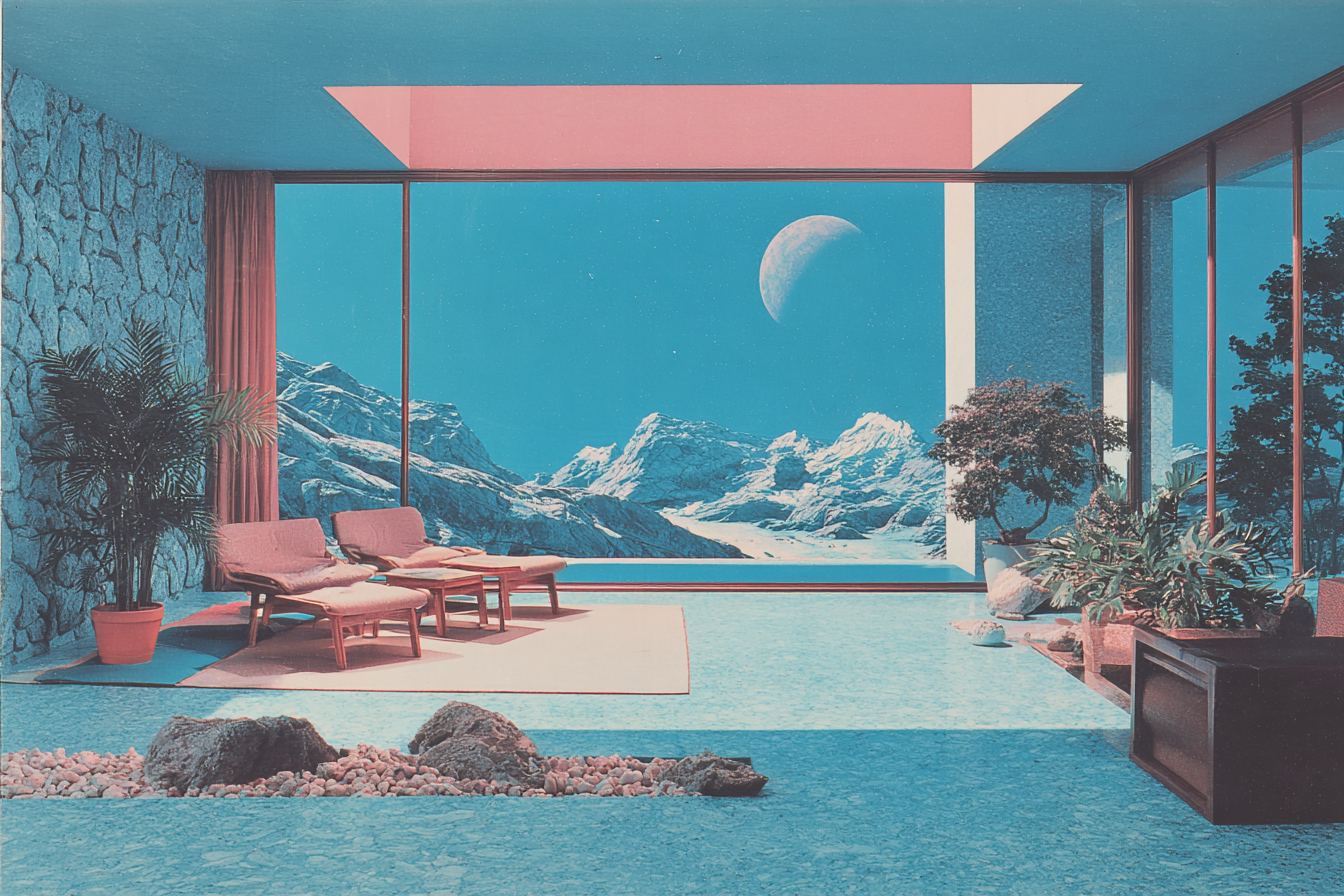
The largest misconception about biophilic design is that it has to be expensive. People see pictures of biophilic spaces that include living walls at prices in the thousands, water features built to order, plants that were shipped in from another country and think that biophilic design is something that only large corporations and wealthy individuals can access. This is simply false.
I have spent over a decade developing design solutions for people that have real budgets – people who rent, people who live in small apartments, people who have very tight budgets and yet the data clearly shows that it is possible to develop biophilic design solutions that are genuinely effective for well under £500, and many times for less than £200.

Biophilic design isn’t about luxury. It is about nature. And nature is free. Plants can cost £3 to £7. Light costs nothing. Driftwood costs nothing. Rocks cost nothing. The things that are typically the most expensive part of biophilic design for commercial applications are the cost of having a professional install the systems, the cost of purchasing high end plant varieties, and the cost of building custom structures. Remove all of those things, and do the work yourself, and the cost of biophilic design drops dramatically, whilst the benefits remain virtually the same.
Budget biophilia for 90% indoor time as opposed to premium hardwood at £100+. This is the key takeaway. 90% of our lives take place inside buildings. If we are going to introduce nature into those spaces, then the solution has to be able to reach everyone, regardless of income level. Inexpensive solutions that reach everyone will always have a greater impact than premium solutions that only wealthy people can afford.
Low-Cost Plant Strategy: Maximising Green Impact on Minimal Budget
Indoor plants cut stress 40% and increase productivity by 15%, which can be achieved with £20 herb gardens placed on windowsills. This is usually where DIY biophilic design begins. Plants are the foundation. You don’t need rare specimens, you don’t need difficult varieties, you just need hardy, forgiving plants that will grow in typical home conditions and cost next to nothing.
Hardy plants cost £3 to 7 pounds from garden centres or supermarkets. They are resilient to neglect, adaptable to varying light conditions, and easy to propagate. Buy one £5 pothos plant, grow it in water (which is free), and within several months you will have dozens of plants at no additional cost. This is how you build green density on a budget.
Herb gardens provide a double benefit – biophilic impact and practical use. Herb gardens yield fresh scents cooking. A £20 initial investment in an herb garden will return five times that amount in the form of usability. A windowsill herb garden costs £15 to £20 for small pots, potting soil, and seeds. You receive the visual of greenery, you receive fresh herbs to cook with (which saves you money on groceries), and you receive pleasant scents. The ROI (return on investment) is quite simple – you will recoup your initial £20 investment within weeks through reduced grocery spending and stress-reduction benefits.
Propagation stations allow you to turn one plant into dozens. Simply take a cutting from a pothos, put it in a water-filled glass on your windowsill, and it will begin to grow roots within days. Once the roots are established, plant it and repeat. Within three months of buying one £5 plant, you could have 15 plants spread out throughout your space. Glass jars from recycling become free propagation vessels. This is how someone with almost no budget builds a genuinely green space.
The aesthetic challenge is finding ways to display plants without breaking the bank. Macramé hanging planters save 80% retail; vertical gardens multiply the amount of greenery in a space by threefold in small spaces. Cotton rope for macramé plant hangers costs £1 to £3 depending upon what you buy; vertical gardens can be created by hanging multiple plants on tension rods (£5-£10) in front of a window. Both strategies multiply the amount of greenery in a small space and visually enhance the area.
Most DIY spaces are small and therefore require creative and efficient ways to maximise greenery. Tension rod planters expand greenery fourfold without taking up floor space. This is especially important for renters who cannot hang anything that requires drilling holes or making permanent alterations but still want a green space. Reclaimed shelves from salvage stores cost £5-£15 and do not require any type of permanent installation.
Materials and Textures on Zero Budget: Upcycling and Found Materials
One of the most underused biophilic resources is the vast array of free materials that exist everywhere around us. Free foraged items provide authentic tactility. On a walk in a park, you can find interesting sticks, branches, leaves, and stones. A beach walk finds shells, sea glass, and driftwood. All of these materials add texture and visual interest to a space whilst costing absolutely nothing to incorporate.
Upcycling transforms waste into design elements. Old glass jars become planters or propagation vessels. Glass bottles become vases. Tin cans become planters (you can also paint them to add visual appeal). Salvaged wood shelves and DIY projects add texture and prevent material from being sent to landfills.

Reclaimed wood from demolition sites, pallets, or old furniture headed for the dumpster can become shelving, accent walls, or plant stands. Concrete pots ground greenery affordably; combine with tins for an industrial-organic look. With recycled containers and concrete mix (£3-£5), you can create custom planters that cost a fraction of commercial planters whilst saving materials from waste.
Fabric elements add organic texture affordably. Jute rugs and curtains add weave at £20; linen flows create a breezy sensation and promote calmness. Natural fibre textiles – linen curtains, jute rugs, cotton throws – abound in thrift stores and cost £3-£10. These materials create sensory richness and organic texture at a fraction of the price of new materials.
Peel-and-stick wallpapers cost £15/sqm versus £50+ for paint. Removable wallpapers come in nature-inspired designs that cost much less than painting and allow renters to quickly transform a space without damaging deposits.
Secondhand markets cut costs 70%. Facebook Marketplace, charity shops, and estate sales offer wooden furniture, baskets, shelving, plant stands, and decorative objects at a fraction of their retail cost. An example would be a £100 wooden cabinet selling for £15-£20 secondhand; a £50 woven basket sells for £5. Creating biophilic spaces from secondhand materials is both cheaper and more in line with biophilic design principles of sustainability.
Free and Nearly-Free Methods: Maximising Light and Visual Interest
Whilst natural light is the most powerful biophilic element and is completely free, the problem is maximising it in spaces with limited natural light. Mirrors amplify natural light 2-3x at no charge; decluttering windowsills increases available biophilic light by 25%. By placing a £5-£10 mirror opposite a window and reflecting natural light further into the space, you create visual interest and maximise the use of available natural light. Additional mirrors will compound the effect. Cleaning windowsills of clutter will remove obstacles to light entering the space and increase the amount of available natural light.
Many people underestimate the importance of window treatments in relation to the amount of biophilic light available in a space. Blackout curtains will eliminate natural light. Sheer curtains will filter the natural light whilst maintaining privacy. Eliminating curtains entirely and installing sheer panels or no coverings will maximise the amount of biophilic light available whilst maintaining functionality. If you require complete darkness for sleep, install blackout curtains only in bedrooms, whilst leaving all other areas of the space maximised for biophilic light.
When real plants are not feasible due to lack of space, maintenance requirements, etc., nature imagery can still provide significant psychological biophilic benefits. Nature art prints cost £2-5 pounds and can improve perceived ambiance by 67% compared to blank walls. Use free resources such as Unsplash and Pexels for high-quality images of nature; print them; frame them inexpensively in thrift store frames (£1-£3); and distribute them throughout your space. The visual and emotional effects of incorporating nature imagery are measurable – people perceive these spaces as more natural and restorative.

Colour psychology can significantly enhance the biophilic effects of a space without adding any cost. Paint the walls a soothing green, brown, or blue colour (each tin of paint costs approximately £10-£15 and can cover an entire room); these colours evoke feelings of nature and promote relaxation. If painting is not feasible, use removable wallpaper or fabric to achieve a similar effect.
Pallet living walls increase dwell time by 36% in spaces with vertical greenery. When you attach small planters and plants to a pallet, you create a living wall. The total cost is £20-£30 for materials and plants. The results are dramatic – living walls create a strong visual statement and a genuine biophilic effect whilst effectively utilising vertical space.
Conclusion: Biophilic Design Can Be Afforded by Anyone
The best argument for affordable biophilic design is that the benefits of biophilic design are the same regardless of budget. Plants reduce stress levels whether they cost £5 or £50. Natural light promotes better moods whether obtained via free mirror placement or expensive skylights. Driftwood provides tactile biophilic experiences whether collected for free or bought. The mechanisms do not change regardless of budget.
Biophilic design should not be limited to luxury for organisations and high-income individuals. The research demonstrates that the benefits of biophilic design are universal – everyone needs nature connection, everyone reduces stress, and everyone benefits from increased productivity. DIY biophilic design offers a way for everyone to access the benefits of biophilic design.
For renters, people with limited space, and individuals with serious budgetary restrictions, DIY biophilic design represents a path to creating truly better spaces. Begin with a single £5 plant. Hang a single mirror. Collect some driftwood. As the months go by, continue to compound these relatively inexpensive investments into spaces that are both physically and psychologically alive, restorative, and connected to nature. You can expect to spend a total of £200-£300 and realise demonstrable reductions in stress, mood, productivity, and overall wellness. That is the power of accessible biophilic design.

Jeff has spent the last 20 years trying to figure out how interior environments can positively impact wellbeing and productivity. A personal mission to make his home (and eventually office) feel less dreary turned into a serious study and practice of biophilic design.
Over two decades, Jeff has tried literally dozens of ways to incorporate elements of nature into living and working areas—many were successful, but most were not. He has killed high-maintenance plants, created mold issues by planting too many plants, and installed water features that were much more stressful than they were supposed to be relaxing. Through both hands-on testing and research, he has determined what is truly effective, what is worth your time and money, and what you should skip altogether.
Jeff is no designer or scientist, just a regular person with sincere, down-to-earth knowledge of biophilic principles that can create healthy indoor environments. His focus is on providing actionable, viable solutions that fit within the realities of budgets, space limitations, and what people will honestly maintain.
Jeff’s resources are intended for individuals seeking to enhance their indoor environments using biophilic principles without over complicating things or claiming expertise. Someone who simply figured out through trial and error what actually creates a better feeling in a space.