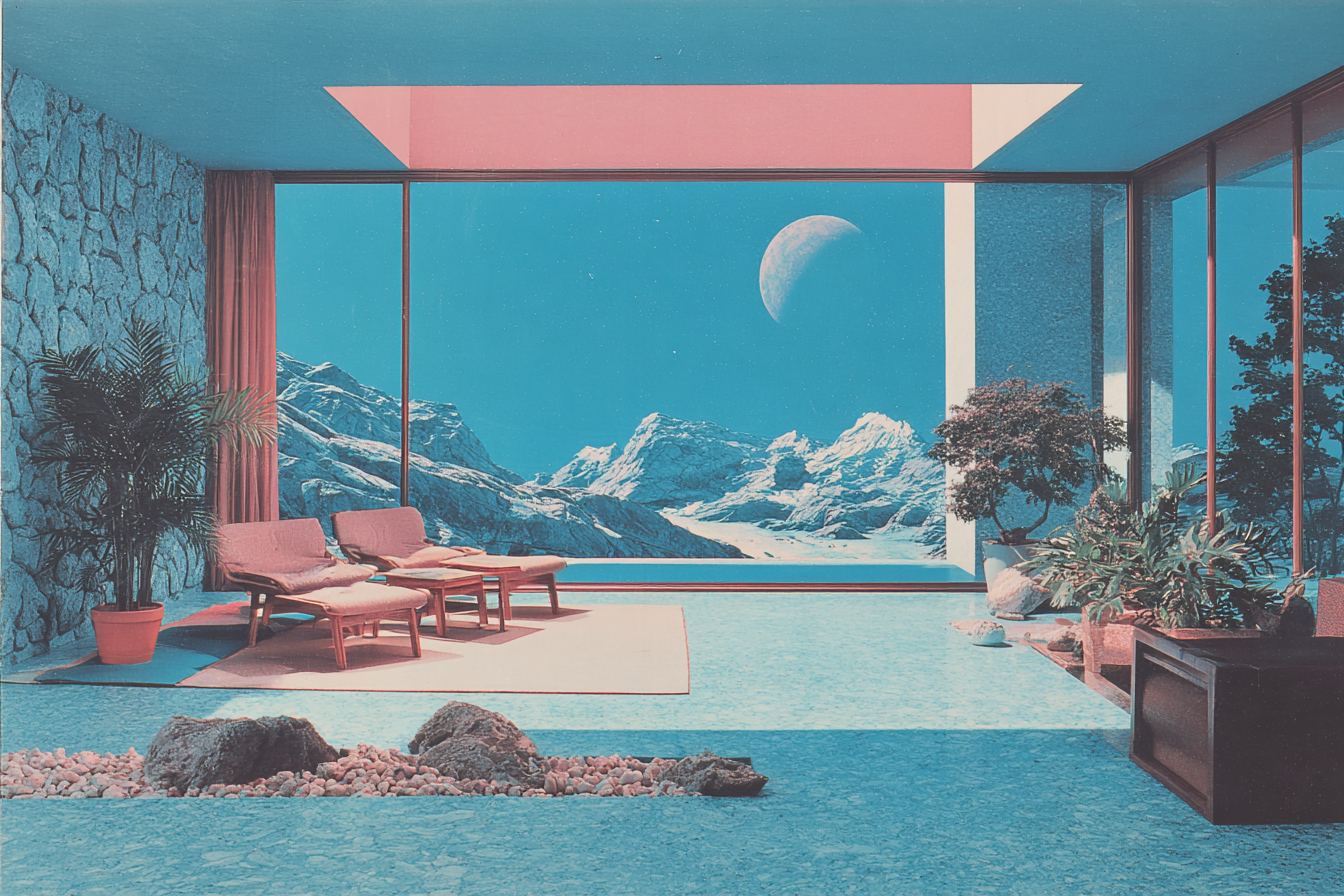
I have been working with individuals for the past 15 years to help them create the perfect living room that will support their well-being, and provide them with a place to relax and truly be themselves. What I’ve come to learn is that most individuals realise they need nature in their lives. However, people spend 90% of their time indoors on average, which has created a huge biophilic market for those seeking restorative and natural living environments.
While many individuals may understand that they need nature in their lives, the challenge lies in integrating that element into their living room in a way that feels organic, rather than forcing or creating a living space that resembles an explosion of plants and flowers.
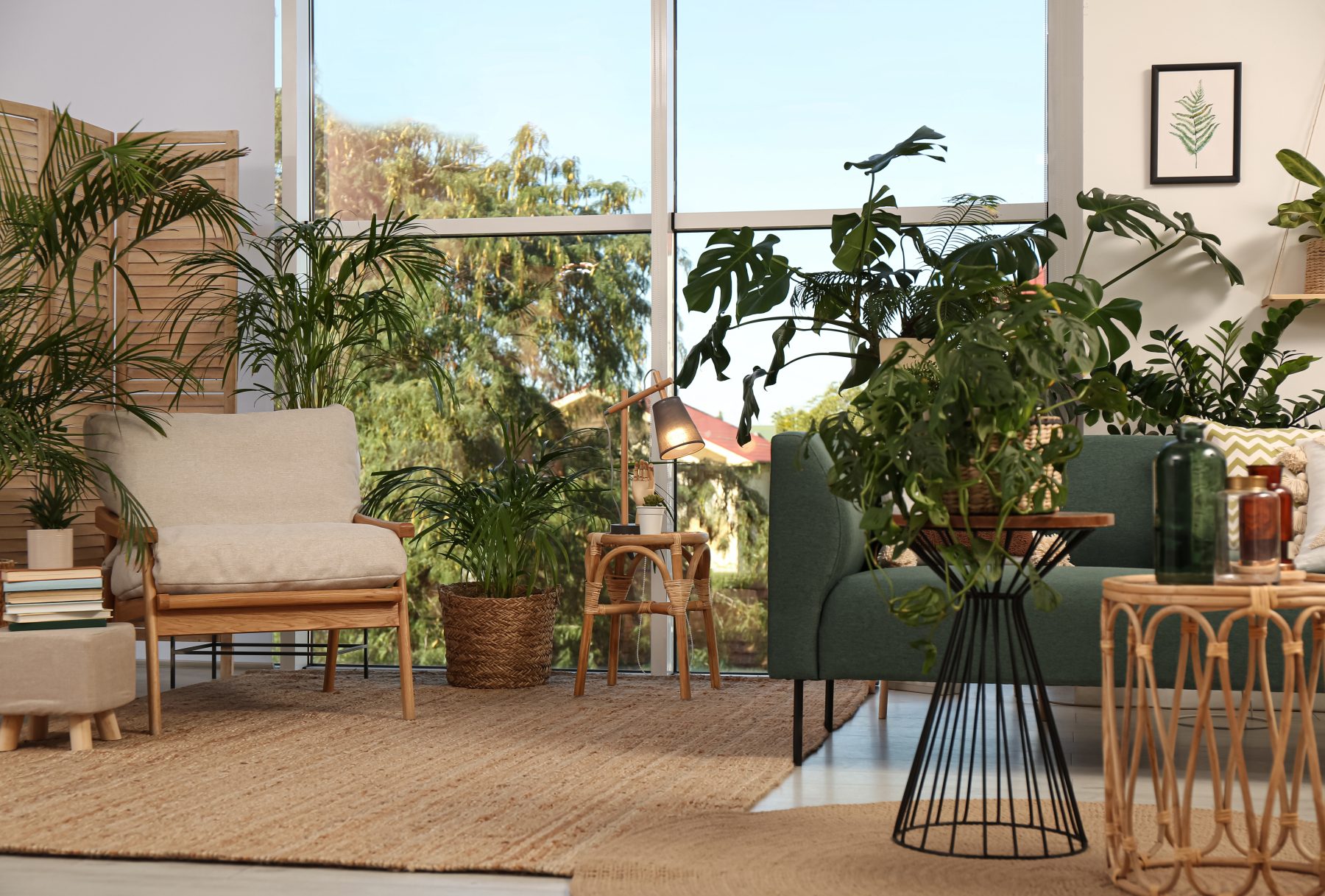
Many forms of biophilic design treat nature components as stand-alone additions (e.g., a plant here, some wood there, a feature wall with a nature-inspired design). However, these types of design strategies are not how biophilic design functions. Biophilic approaches evolve from individual components to holistic systems, with clients favouring immersive design strategies over individual elements. There is a significant difference between a room that simply looks nice, versus one that truly impacts an individual’s emotional state.
In this article, I’ll explain how to create a living room as a cohesive, functioning space — not just a collection of individual components. This is a result of my experience working with actual client projects over the course of the last 15 years; what I’ve witnessed as successes and failures; and the specific strategies used to create the type of space where you’d really like to spend your time.
Why Your Living Room May Be Much More Important Than You Think
Your living room is typically the hub of activity in your home. It’s the first place you go when you’re coming home from work. It’s the place where you spend quality time with family and friends. It’s where you spend time watching TV, reading books, working remotely, having difficult conversations and so much more. More than any other area in your home, the living room is where you choose to spend the majority of your free time.
Yet, most living rooms were likely an afterthought in terms of the design process. Many homeowners focus primarily on designing their kitchen and bedroom spaces. They leave their living room as-is — whatever condition it came in when they purchased the property. In many cases, that means neutral paint colours, generic furniture, and possibly some artwork that has no special significance. While the space is functional, it is rarely inspiring.
There are very real physiological implications of spending extended periods of time in uninspiring, unengaging environments. When you spend long stretches of time in an environment that does not stimulate your senses or connect you to something meaningful, your nervous system responds. You do not consciously think “the room is dull” but you are experiencing elevated levels of cortisol. Your body takes longer to recover from stressful situations. You also experience increased fatigue at the end of each day.
A biophilic living room is not a luxury item. It is a basic necessity for wellness. Research has repeatedly shown that spaces that incorporate natural elements decrease stress-related biomarkers, increase focus and contribute to improved overall well-being. To achieve these results, however, the design must integrate the biophilic elements throughout the entire room, not layer them on top of existing structural elements as decorative items.
The Common Mistake People Make About Designing With Nature
Most people are confused and tend to think that biophilic design is simply about incorporating specific elements into their interior. Add a plant. Paint a wall green. Get a wooden coffee table. Cheque off the boxes.
This is not how your nervous system operates, nor how your brain processes the information it receives.
Your brain cannot isolate individual elements of your environment; it perceives your entire environment as a single entity. In order to assess wellness impacts, researchers have used a variety of methods including EEG, Heart Rate Variability (HRV), Cortisol Levels, Air Quality Assessments and Occupant Surveys. All of these measurements demonstrate that a comprehensive, integrated approach to designing elements results in measurable physiological effects.
For example, placing one plant in a room with harsh lighting and synthetic materials does not produce the same physiological responses as a complete, well-designed biophilic system.
Let me illustrate this by analogy: imagine you were standing in a room and could see natural materials, feel the gentle softness of the light on your skin, hear the subtle rustling of the wind through the leaves of plants, smell a faintly green scent, and observe the curvilinear shapes of natural materials rather than sharp angles and corners. All of those sensations would occur simultaneously and your body would register them collectively.
When that occurs, the magic happens. Stress hormones decrease. Your nervous system becomes relaxed.
Creating that experience requires intentionality. The integration of all of these factors depends upon thoughtful consideration of light movement through the space, texture layers, colour interaction, sound absorption and geometric orientation of the space. Only when all of these aspects function together will the space perform as intended. However, when these elements do not work together, the result will be a space filled with plants that feels no better than an office decorated with plants.
Light as the Operating System
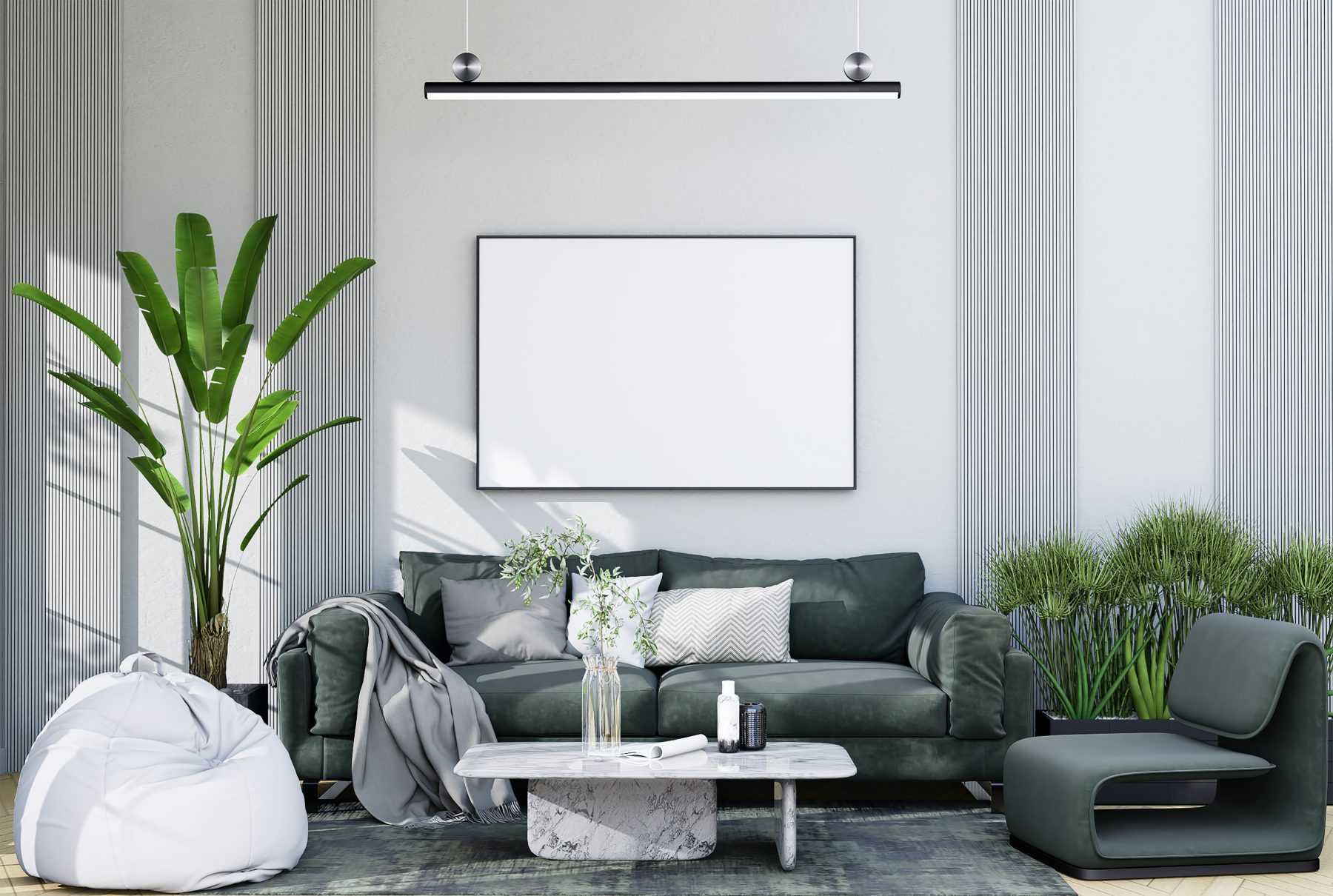
Natural light via skylights and ventilation, organic materials like wood cladding and stone flooring, subtle landscape patterns create foundational biophilic design. Natural light is far more than simply one element of a living room designed with biophilia. It is the operating system that allows all of the other elements to function.
Natural light regulates your circadian rhythms. Circadian rhythms affect your ability to sleep, regulate your mood, dictate your energy level and enable your body to recover from stressful events. Additionally, natural light influences the colours you perceive within your space. It also dictates which natural materials appear warm and which appear cool. It also determines how plants grow in your space. Furthermore, natural light can change the very functioning of your living room throughout the course of a day.
As such, the first decision you need to make about the light in your living room is whether you wish to maximise it or control it. Most people get this decision incorrect. They place heavy drapery in front of windows to block out the light. By doing so, they are defeating the primary reason for installing windows in your home. Alternatively, consider using light filtering solutions that allow natural light into your living room while minimising glare and maintaining privacy. Linen curtains, roller blinds made from natural fibres and adjustable plantation shutters are examples of products that offer light filtering capabilities.
During the daytime hours, you will rely on natural light. During the evening and nighttime hours, you will need to use artificial light that is less likely to disrupt your circadian rhythms. To accomplish this, utilise full spectrum light bulbs in warm tones (approximately 3000K in the evening and gradually transitioning to cooler tones during the morning hours). Do not rely on overhead lighting. Instead, create multiple light sources at various heights (i.e., table lamps, floor lamps, wall sconces) to create visual interest and a sense of spatial depth in your living room, similar to a natural environment.
If your living room lacks adequate natural light, you will need to invest more in artificial light. Using full spectrum light bulbs that mimic the wavelength of natural daylight (5000-6500K) during the daytime will aid in maintaining circadian alignment. Artificial light in warmer tones in the evening will assist your body in transitioning to a state of relaxation, thereby aiding in preparing for sleep. While the costs associated with quality bulbs (approximately £15-£30 each) are substantial, the impact on how you feel in the space is undeniable.
Materials Creating Layers Of Tactile Experience
Your skin interacts with the surfaces in your living room constantly. Whether it is the armrest of your sofa, the surface of your coffee table, the floor or a wall to lean against, all of these tactile experiences send signals to your nervous system. There is a world of difference between how natural and synthetic materials feel.
You may not consciously recognise the differences, however your brain is aware of them.
Wood is a non-negotiable component of a biophilic living room. I am not referring to wood-effect laminates. I am referring to real wood. Flooring, furniture, wall cladding, exposed beams (if possible) are all great ways to incorporate wood into your space. Wood has a slightly warm feel. It has visible grain patterns that are visually stimulating to your eyes. Over time, wood develops patina, which your brain interprets as “this is real,” “this has history,” and “I trust this.”
Stone behaves in a similar manner. A stone fireplace surround, stone flooring, stone accents, etc., create a sense of grounding and stability in a space. Both stone and wood are acceptable. They complement each other. Wood adds warmth to a space. Stone adds a sense of grounding stability.
Natural textiles are also incredibly important. Linen, wool, cotton, jute. When you sit on a linen sofa compared to a synthetic one, your skin can feel the difference. Your nervous system reacts to this difference. Even if you can’t replace your furniture, add natural textiles to it. Linen throws. Wool cushions. Adding either of these items to your existing furniture will alter the sensation of the space. Each item costs approximately £30-£150.
Flooring is where the largest investment typically occurs. If you are replacing your flooring, opt for natural wood or stone. If you are unable to replace it, large area rugs made from natural fibres (jute, sisal, wool) will both ground the space and add warmth underfoot. The material quality of what you stand on matters much more than most people realise.
Earth tones and wood-effect flooring can create living sanctuaries without requiring excessive upkeep. If you are limited financially and are unable to afford real solid wood, consider investing in high-quality wood-effect flooring that accurately replicates the pattern of real wood. (Engineered wood does not have to resemble plastic.) Authenticity in appearance is the primary concern, regardless of the material being utilised.
Colour And Sensory Calibration
Colours have a profound effect on your nervous system. Blues and greens promote feelings of calm. Earthy tones promote a sense of grounding. Warm white and cream colours evoke a welcoming atmosphere. Cool white colours evoke a clinical atmosphere.
A biophilic living room should utilise a colour palette based upon nature. This does not require painting every wall green. Rather, you should select a base colour palette of warm neutrals (warm whites, soft greys, warm beige) and layer in earthy accents. Use sage green as an accent colour on a wall. Utilise terracotta in soft shades. Paint the upper portion of your walls a dusty blue colour and leave the lower portion of the walls a lighter shade. Incorporate warm browns and taupes into your natural textiles.
Restrictiveness is the principle to apply here. A living room painted entirely in dark green creates an oppressive atmosphere. On the other hand, a living room with warm neutral walls, natural wood furniture, lush greenery, and subtle green accents in textiles and artwork creates a calming and nature-connected sanctuary.
Greenery (whether living, preserved, or faux) layered with sensory indicators of calmness (texture, acoustic properties, colours that reduce overstimulation) create complete biophilic systems. This layering is intentional. The objective is to create a space where your sensory inputs contribute to relaxation rather than stimulate stress.
Plants as the Active Component
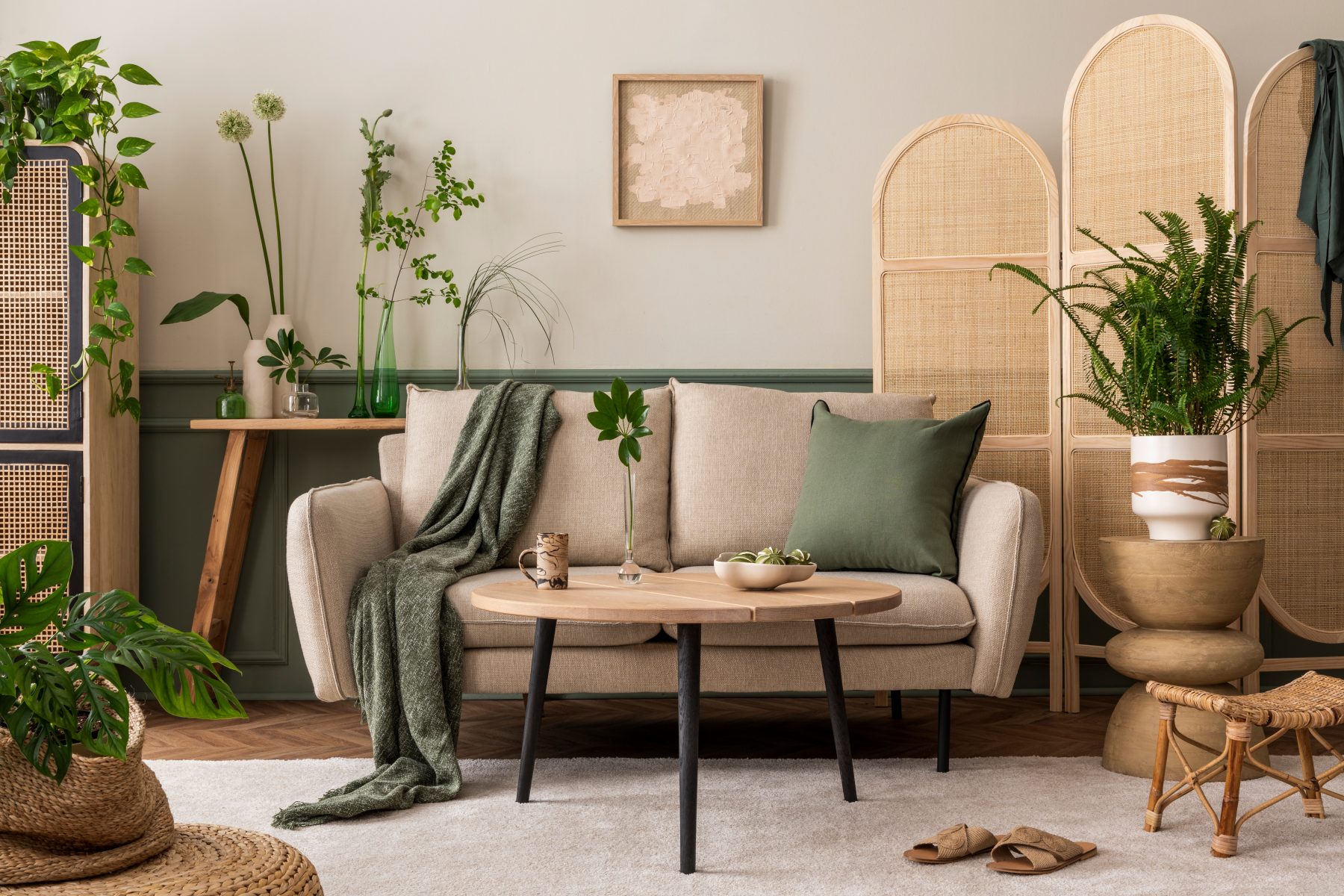
There are things that static components cannot do. Plants grow. They change. They respond to your care. This active component makes the difference between a “decoration” and a “living space.”
Most people will commit to too many plants, and they will need more care than you are willing to provide, then half of the plants will die, and the space will begin to look abandoned. Instead, start with the plants that you will actually care for. There are many types of plants that make a large impression but do not require constant care such as a large floor plant. In addition to being large and visually impressive, floor plants tend to require minimal care such as watering every week or two. Some examples include pothos, philodendrons, snake plants, and monstera.
Instead of placing individual plants throughout the space, group your plants. Grouping plants creates a focal point in the space, adds visual interest, and creates a microclimate. The area near the plants will be slightly more humid which helps the plants to survive longer. This grouping also creates an opportunity to incorporate a few plants that would normally be too small to add significant interest to the space.
Consider incorporating living plants into your space along with preserved and faux plants. A preserved moss wall or preserved plant arrangement is a beautiful option that does not require any type of maintenance other than occasional dusting. A preserved moss wall or preserved plant arrangement can add visual texture to the space, creates the illusion of having “nature” in the space, and helps to promote a calming atmosphere. Additionally, you may choose to use faux plants in areas of your home where it is difficult to keep plants alive. For example, using faux plants in a bathroom or kitchen is a great alternative. Using a combination of living, preserved, and faux plants can help to create visual interest in your space without requiring you to have a green thumb.
Sound and Visual Interest Working Together
In order for a space to qualify as a true biophilic space, sound must also be addressed. Hard surfaces such as stone, tile, and polished concrete bounce sound and create acoustic stress. Soft, absorbent materials such as plants, textiles, and wood absorb sound and create acoustic comfort. Therefore, a living room with hard surfaces such as stone, tile, and polished concrete will sound echoey and noisy whereas a living room with a lot of soft, absorbent materials will feel quiet and calm.
Plants absorb sound. Natural textiles absorb sound. Wood absorbs sound better than most synthetic materials. This is why a living room with a lot of plants, natural textiles, and wood feels quieter and calmer than a living room with a lot of hard surfaces and synthetic materials. This feeling of quietness is not just a subjective experience—it is due to physics.
Visual interest in a space is also important. Curved lines and organic shapes tend to evoke feelings of calmness whereas straight lines and geometric shapes tend to evoke feelings of stress and anxiety. Therefore, curved sofas, round coffee tables, archways, and flowing layouts all contribute to creating a visual sense of calmness and ease. When your eyes can flow smoothly through a space without encountering any abrupt edges, your nervous system perceives the space as safe.
Implementation Across Different Budgets and Constraints
Building From Scratch With Full Budget
You have the ability to consider the space as a whole. Begin with flooring. Choose natural wood or a high-quality wood-effect. Flooring is the base of the space and sets the tone for the remainder of the space.
Next, add large wooden or stone pieces of furniture. A large wooden bookcase or a stone fireplace surround is a great way to set the tone for the remainder of the space.
Following the installation of the flooring and large pieces of furniture, add layers of textiles. Linen or cotton sofa slip covers or a new sofa made of linen or cotton. Throw blankets made of wool. Natural fibre rugs. All of these elements will add a tactile layer to the space and act as an additional means of absorbing sound.
Choose a warm colour for the walls and paint one accent wall. Install multiple light sources with different intensities and switch to full-spectrum or warm bulbs. Place large plants in strategic locations to create focal points.
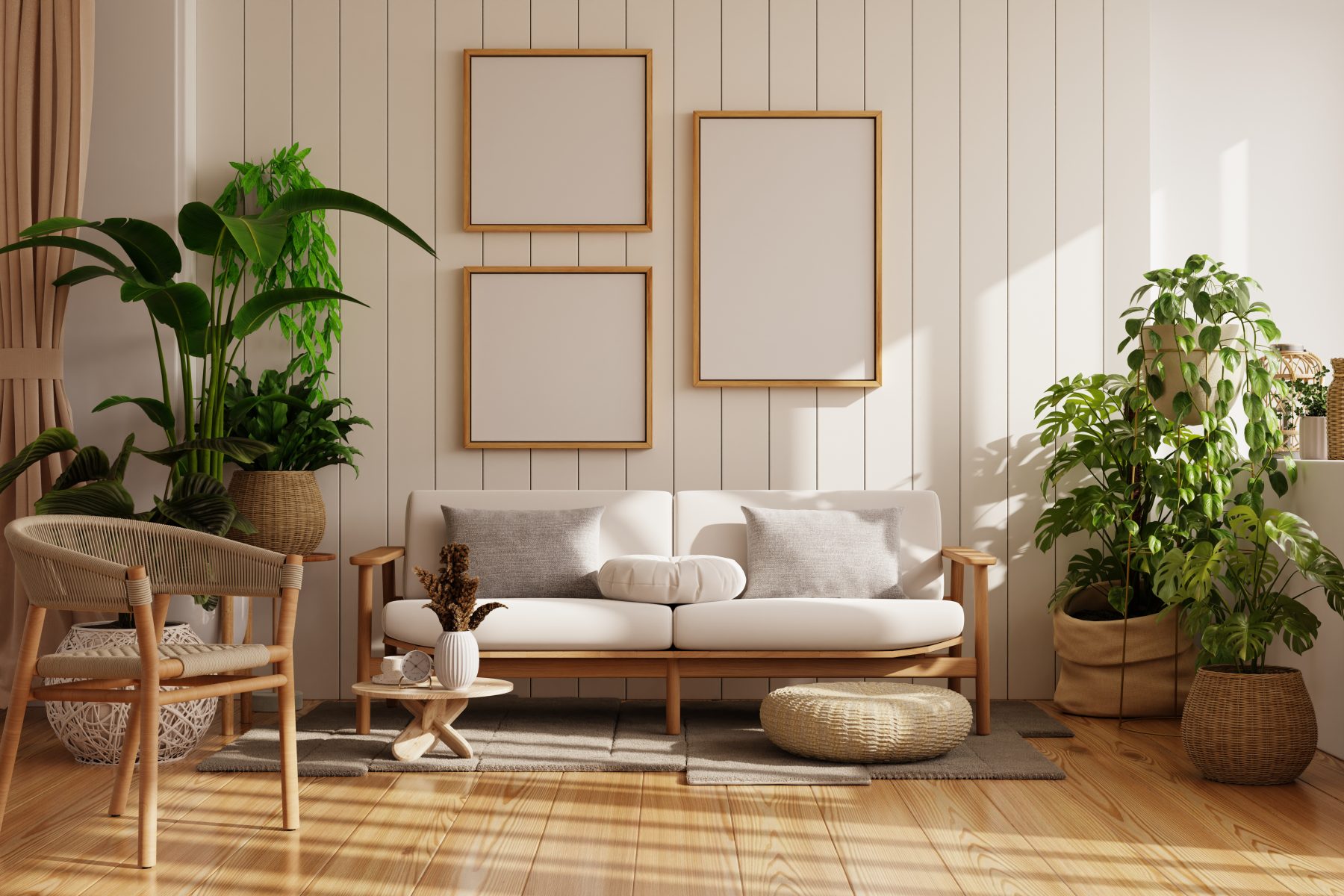
All of the above elements work together to create a cohesive biophilic space. Good lighting will highlight the grain of the wood. Natural textiles will add a tactile layer to the space and provide warmth. Plants will soften the space, purify the air, and create a calming atmosphere. Warm colours will invite people to enter the space and neutral backgrounds will allow each element to stand alone rather than competing.
Working With Limited Budget (£500-£1,500)
Identify the elements that will have the greatest impact on the space and prioritise those elements. First and foremost, install new lighting. Replace the bulbs in the ceiling fixtures and add table lamps if needed. Cost: £100-£300. This will change the way you perceive the entire space.
Install a few large plants in corners. The cost of the plants will be £50-£150. The space will instantly feel more alive and welcoming.
Layer in natural textiles. Throws, pillows, and blankets. Cost: £150-£400. These elements will add warmth and comfort to the space.
If the walls in your space are painted a dull, stark white, choose one accent wall to paint a warm colour or paint all of the walls a warm colour. Cost: £100-£200 for materials and labour. Change the flooring by adding a large natural fibre rug. Cost: £200-£500. Both of these elements can be added to your space without renovating.
Total investment: £600-£1,550. Timeframe: 2-4 weeks implementing changes incrementally. Effect: Dramatic change in the way the space feels without major renovations.
Renting With Restrictions on Permanent Alterations
You are unable to paint the walls or remove them, however, you can still create a biophilic living space. Use removable wallpaper in warm, muted tones or with nature-inspired patterns (£50-£150). Choose a large natural fibre rug (£150-£400). Upgrade the lighting in the space with plug-in lamps and replace the light bulbs (£80-£200).
As previously mentioned, plants are very portable. Choose one or two large, statement-making plants (£50-£200). Add natural textures such as throw blankets, pillows, and blankets (£100-£300). Hang pictures with nature themes or abstract designs inspired by nature (£50-£200). Finally, hang mirrors strategically in the space to reflect light and create a sense of visual depth (£30-£100).
Total investment: £460-£1,550. Each of the above elements can be removed and relocated without damaging anything in the space.
Advanced Elements Pushing Biophilic Design Further
Biogenic materials (such as mycelium composites and algae panels) have carbon negative, regenerative properties in interior spaces. These are some of the new technologies available to individuals who wish to take their biophilic design to the next level. Mycelium composites create a unique visual interest and can absorb sound waves. Algae panels improve the indoor air quality and create a living wall appearance without requiring the maintenance associated with actual live plants.
While these elements are not required to create a functional biophilic space, they are an indication of the future of biophilic design. As more individuals invest in and develop these materials, they will eventually become commonplace rather than an expensive luxury.
Measuring Success and Progress
It typically takes 2-3 weeks before you notice a change in how you feel in the space. Your sleep quality may improve due to better circadian rhythm alignment. Your perceived stress may decrease when you are spending time in the living room. You may find that you are spending more time in the space and not less. The space should feel inviting and comfortable rather than merely a transition space.
By the end of 6-8 weeks, the improvements should be evident to the extent that you would notice a difference in the space if the elements were removed. Your nervous system has adapted to the biophilic space and now recognises the absence of the elements as a stressful trigger.
Common Mistakes to Avoid
Treat biophilic design as a decoration rather than a system. Installing plants and colour in a poorly lit space with synthetic materials will not produce a desirable outcome. All elements of the system must be incorporated.
Over commit to caring for plants. Start with plants that are easy to care for and require little to no maintenance.
Underestimate the importance of lighting. Lighting is the most critical element of the biophilic system. Address this first.
Purchase cheap natural materials that do not resemble natural materials. Engineered wood and wood-effect products that are of high quality will perform better than cheap laminate attempting to mimic natural materials.
Use faux plants exclusively and do not incorporate any living plants. While faux plants are aesthetically pleasing and low maintenance, the active growth component of live plants plays an important role in the biophilic design system.
Why This Matters
Wherever you live, you spend a significant amount of time in your living room. The environment you create in your living room impacts your mood, sleep quality, stress levels, and overall well-being. A biophilic living room is not simply about aesthetics; it is about creating a space that supports your nervous system rather than stressing it out.
The biophilic design system works because it engages multiple senses at once. Light, touch, sight, sound, and even the faint scent of plants all work together to communicate to your brain that you are in a safe and natural space. This is when you truly relax and when your body recovers from the stressors of daily life. This is when you want to stay in the space.
Begin with one element. Add one element to your space and observe how it changes the space. Continue to build upon the space in a thoughtful manner. The cumulative impact of thoughtful biophilic design choices is dramatic.

Tom is a landscape architect and sustainability consultant who specializes in integrating biophilic design with environmental responsibility. He’s spent 10 years designing projects that don’t just bring nature indoors but do so in ways that support broader ecological goals.
He’s frustrated by “greenwashing” biophilic design—adding plants sourced unsustainably, using materials with massive carbon footprints, creating maintenance systems that drain water resources. His work focuses on creating beautiful, functional biophilic spaces that actually reduce environmental impact rather than increase it.
Tom writes about sustainable material selection, native planting strategies, water management in biophilic systems, and how to build green features that support local ecology. He’s interested in the intersection of human wellbeing and environmental health—the idea that spaces designed to connect us to nature should also genuinely support nature. His guides are for people who want biophilic design to align with their environmental values, not contradict them.