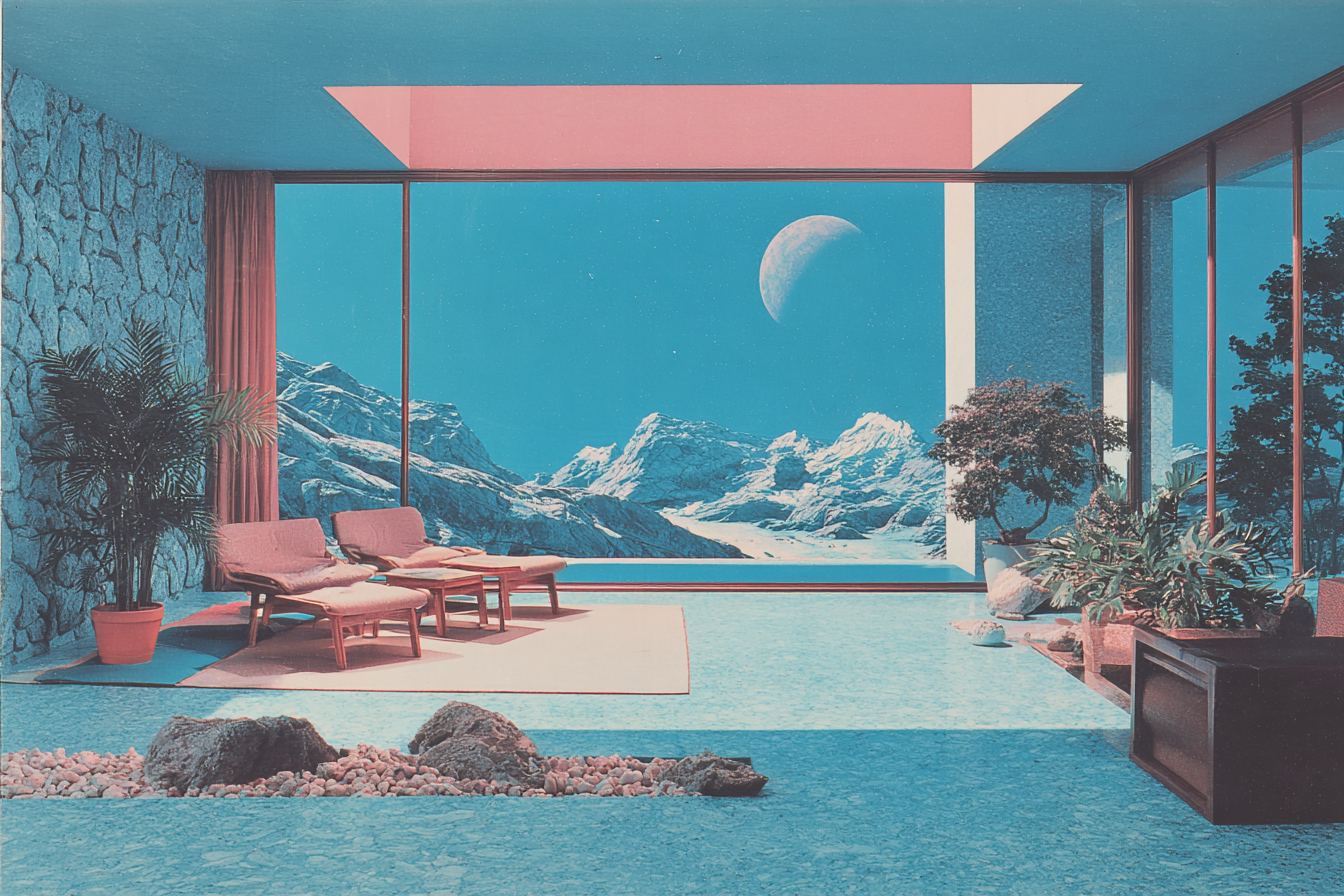
An empty hospital room without windows. The hum of fluorescent lighting overhead. Beige-coloured walls. The disinfectant odour masking everything else. This is where individuals are in their most vulnerable state — recovering from surgery, managing ongoing illness, or attempting to heal. Yet the vast majority of hospital environments are created to be sterile, and separate from nature.
Research clearly indicates the gap between the two worlds is significant. Individuals with nature views recover faster and require 22% fewer pain doses. Natural light reduces stays 23%. Stress decreases 20-30% with elements.
These are not minor improvements; they represent substantial clinical outcomes that are determined solely by design decisions.
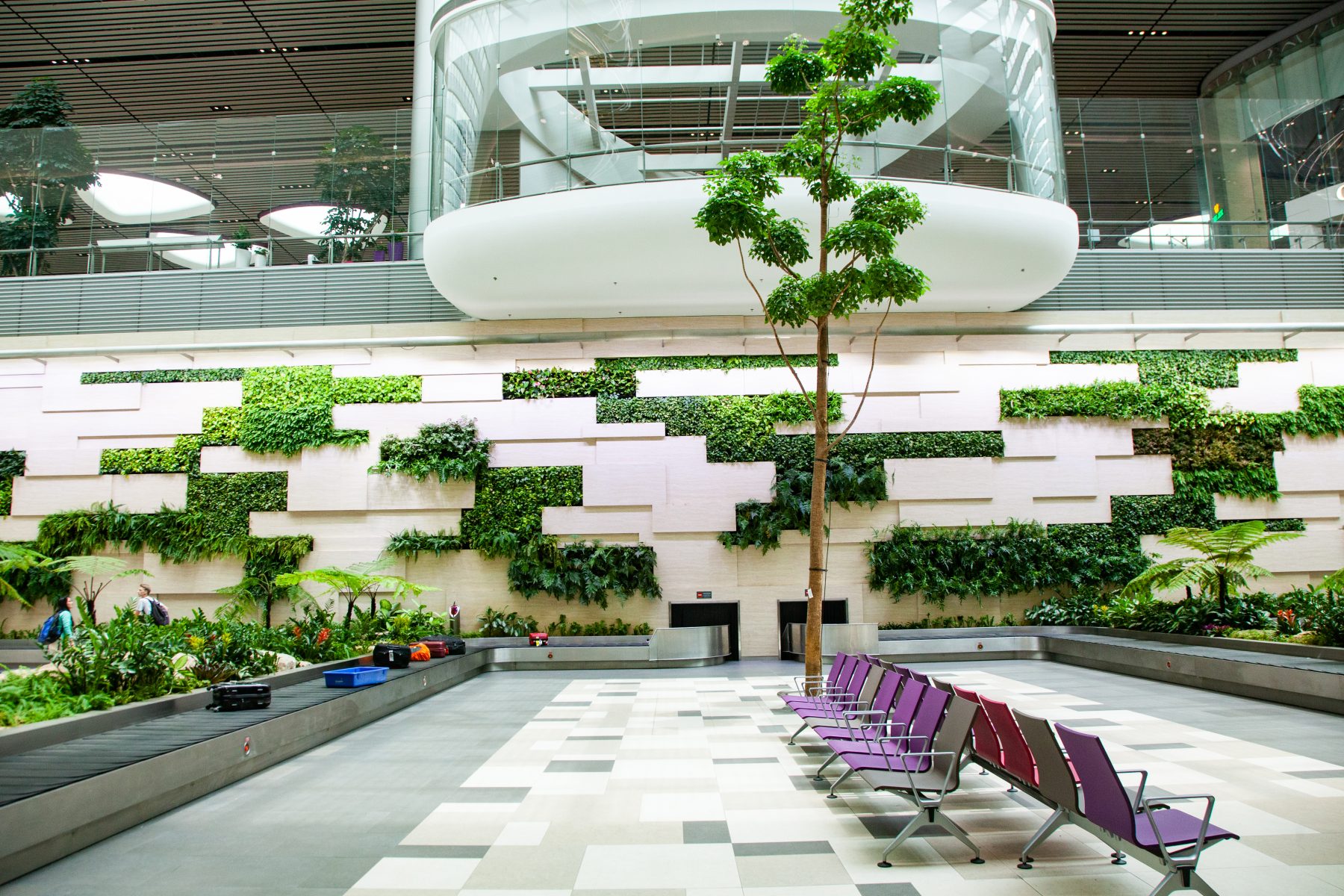
For the last 15 years, I have been involved in designing healthcare facility design, and I am confident that hospitals which place greater emphasis on biophilic design are performing better than others — in terms of both patient satisfaction ratings and clinically measurable outcomes (shorter lengths of stay, fewer complications, fewer medications).
However, despite the evidence, biophilic design in healthcare remains marginalised in most facilities. Instead, it is viewed as a “nice-to-have” luxury item rather than an essential part of the clinical infrastructure. This is a misinterpretation of what the existing evidence demonstrates.
The Clinical Case for Biophilic Design in Healthcare Facilities
Roger Ulrich’s 1984 study nature views demonstrated that patients who had views of nature were discharged from the hospital in fewer days and with fewer post-operative complications than those whose view consisted of brick walls. That was 40 years ago. Since then, the evidence has continued to accumulate.
Compared to those without views of nature, patients experience 8.5% shorter stays and require 22% less medication. This is not a trivial difference. An 8.5% reduction in length of hospitalisation for a 500 bed hospital equates to approximately 4000 fewer patient days per year. The fiscal implications of such reductions are considerable in addition to the clinical implications.
Length of hospitalisation decreases 23%. Additionally, natural light exposure reduces symptoms of depression and reduces medication usage. These benefits are especially relevant to intensive care unit and long term care patients who may spend several days or even weeks in closed environments. The difference between a hospital room with natural light and one without represents measurable differences in the trajectory of a patient’s recovery process.
Stress reduced 20-30% through elements including plants and organic materials. Such a decrease in stress hormone production has cascading effects on the body including enhanced immune response, better pain management, faster wound healing, and fewer infections. It is not simply a matter of the psychological benefits of biophilic elements; it is a physiological change produced by environmental design.
Biophilic rooms accelerate recovery 41% relative to rooms with decreased amounts of biophilic elements. This represents a statistically significant improvement that would warrant redesign expenditures in virtually any healthcare facility. Access to gardens in general medical wards increase social interactions between patients recovering from similar conditions. Such social connections decrease feelings of isolation and depression that frequently occur during hospitalisation.
Psychiatric units and mental health units experience significant gains related to treatment outcomes as a result of access to natural light and biophilic elements. Symptoms of depression and anxiety are especially responsive to natural light exposure and environments. Therefore, designing psychiatric units to maximise natural light and green space should be considered a standard practice rather than an exception.
Rehabilitation centres benefit from the inclusion of nature views and access to gardens to enhance motivation for recovery. Both the physical and emotional aspects of physical therapy are taxing. Providing an environment that enhances psychological resilience through biophilic design facilitates rehabilitation outcomes and adherence to rehabilitation protocols by patients.
Cancer units rank highest nature benefits. This is especially relevant in cancer treatment facilities where patients undergo difficult therapies for months. Providing environmental support for psychological well-being represents therapeutic infrastructure rather than a luxury.
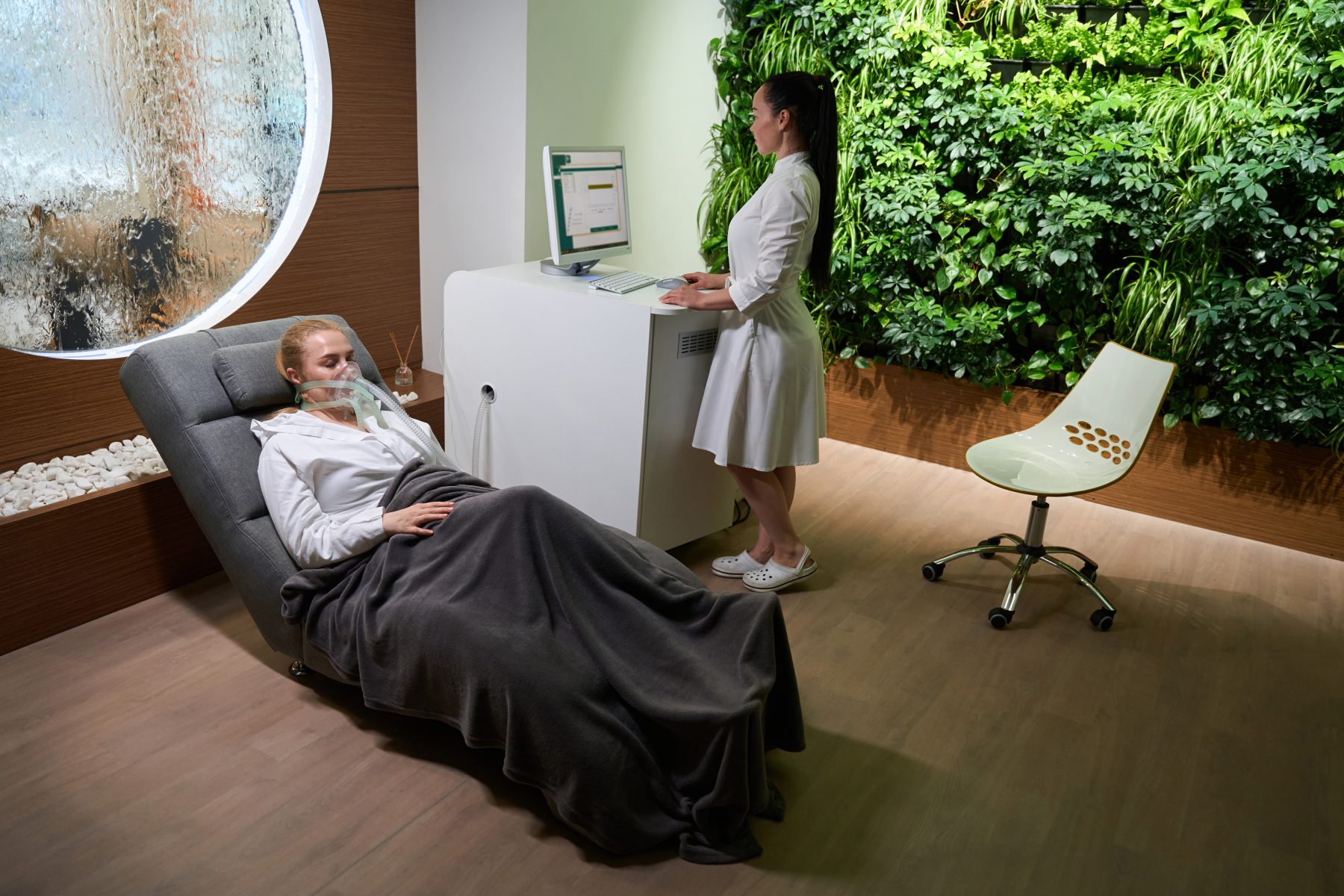
Mechanisms for Reducing Stress
Understanding why biophilic design functions in healthcare environments involves understanding the way that hospital environments typically function. Hospitals inherently induce stress. Illness, uncertainty, pain, and the loss of the ability to engage in normal activities all stimulate the sympathetic nervous system. Consequently, patients and staff are generally in heightened states of stress for extended periods.
Biophilic elements disrupt this activation pattern. Exposure to natural light regulates disruptions to circadian rhythms that commonly occur in hospital environments. Viewing nature or plants distracts attention from pain and illness to something interesting but non-threatening. Additionally, biophilic elements absorb sound and minimise the constant low-level auditory stress of hospital environments.
Staff Benefit Significantly
Caregiver burnout is epidemic in many countries. The prolonged hours, emotional demands, exposure to suffering and death, and inadequate staffing create extreme stress and high burnout rates in many caregiving professions. Staff turnover in the healthcare field is estimated to be 15-20% annually in many institutions. The costs of replacing staff members include the cost of additional training as well as the negative impact on continuity of patient care.
Biophilic design offers one solution to this problem — the physical environment in which caregivers work. Caregiver break rooms that receive natural light and contain plants serve as recovery spaces during breaks. Clinical areas that incorporate biophilic design elements create less stressful work environments for staff. Break areas that offer views of nature or access to the outdoors become true respite for caregivers, as opposed to simply being time off of the floor. Some hospitals report that merely placing plants in the break rooms of staff increases usage and perceived well-being during their shifts.
This has a major impact on the quality of care that caregivers deliver. Caregivers working in less stressful environments are less likely to commit medication errors, communicate more effectively with patients, and provide higher quality care. Biophilic hospitals improve cognition and reduce errors. Medication errors increase as caregiver stress increases. By reducing caregiver stress through biophilic design, caregivers are able to provide better quality care to patients.
Market Acceptance and Growth
The healthcare industry is beginning to acknowledge that biophilic design is no longer discretionary, but necessary. Biophilic market reaches £2.4 billion 2028 at 10.2% compound annual growth rate, largely driven by wellness mandates.
Urban populations spend 90% indoors, coupled with the fact that people entering hospitals have already experienced significant deprivation of nature, necessitates the need for restoration of nature in the hospital environment. The increasing acceptance of biophilic design in the hospital setting is a reflection of the acknowledgment that hospital design influences measurable clinical outcomes.
Designing Biophilic Elements in Various Types of Hospital Units
Biophilic design in hospitals is not one size fits all. Various clinical settings require unique approaches using evidence-based design principles.
In ICUs where patients are confined to their beds, views of nature from windows are crucial. If windows are not feasible, high-quality nature photography or live plant installations provide measurable benefit. As long as there is genuine nature representation, the type of representation (i.e., photographic versus living) is less important than the psychological impact of the representation.
General medical wards benefit from common area indoor gardens and plants to promote social interaction between patients recovering from similar conditions. Common areas become therapeutic spaces that provide both biophilic elements and opportunities for social interaction.
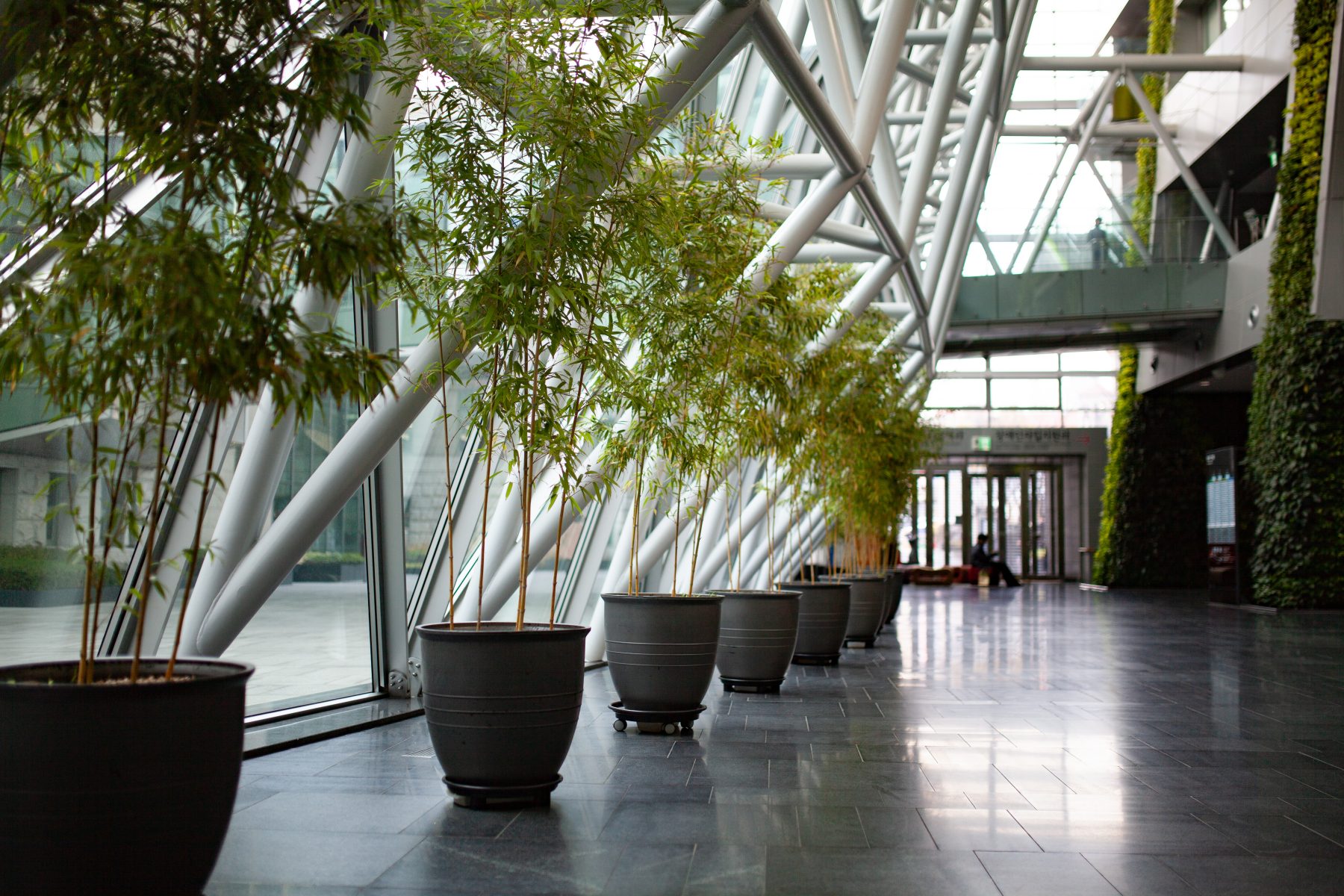
Mental health units and psychiatric facilities are benefited by maximising natural light and green space, as the symptoms of depression and anxiety are highly responsive to nature exposure. Therefore, designers should consider providing the greatest amount of natural light and access to green spaces in designing psychiatric units.
Nature views and garden access also motivate patients in rehabilitation centres to participate in their recovery process. Physical therapy is emotionally and physically taxing. Environments that support psychological resilience through biophilic design improve rehabilitation outcomes and patient compliance with recovery protocols.
Direct contact with nature has shown the highest efficacy in promoting well-being in cancer treatment units. This is particularly relevant in cancer treatment facilities where patients are undergoing arduous therapies for months. Nature experiences become therapeutic experiences and support psychological well-being, and therefore should be standard practice in cancer treatment units.
Challenges and Solutions to Implementing Biophilic Design in Healthcare Facilities
There are operational challenges to implementing biophilic design in healthcare facilities, which require practical solutions. One challenge is the potential for introducing biological contaminants into healthcare environments through indoor plants. Horticulture has addressed this concern through the use of sealed planters, the selection of species that are least likely to produce allergenic particles, and through the development of cleaning protocols that do not compromise infection control.
Whilst there is some complexity in maintaining biophilic elements in healthcare environments, it is a complexity that is comparable to the maintenance complexities inherent in the operation of healthcare facilities. Once incorporated into the operations of a healthcare facility, the maintenance of biophilic elements is relatively straightforward.
Cost Considerations
Cost is always a consideration in the healthcare industry where budgetary pressures are continually increasing. However, the economic benefits of biophilic design, specifically shorter lengths of stay and reduced medication usage, can justify the costs of biophilic design investments. For example, a 5% reduction in length of stay in a mid-sized hospital could generate hundreds of thousands of pounds in annual savings, which is sufficient to pay for design and maintenance costs in approximately 2-3 years.
Specific Design Elements and Implementation Strategies
Natural light should be maximised in hospital rooms through the placement of windows and the use of transparent materials in internal design elements. Artificial lighting that simulates natural light spectra can approximate the benefits of natural light when it is not feasible to utilise natural light. Windows should be placed in locations that maximise patient access — corner rooms with multiple exposures to natural light provide the best outcomes. Skylights in corridors and common areas of a hospital can provide natural light to spaces that would otherwise remain artificially lit throughout the day.
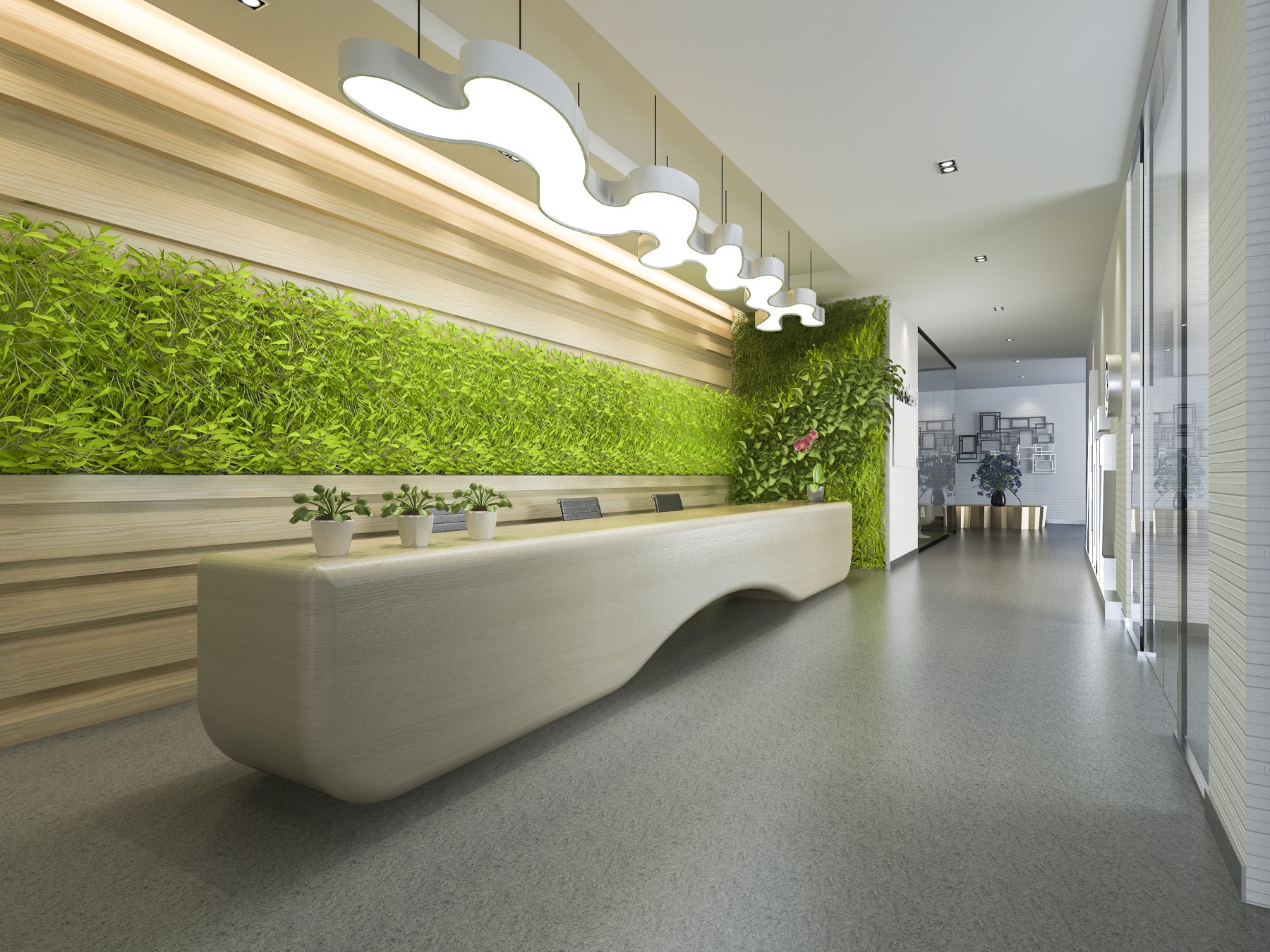
Living plants in patient rooms and common areas provide both psychological benefit to patients and enhance the air quality of the spaces. When selecting plants for hospital environments, species that are low maintenance and produce few allergenic particles should be selected. Pothos, Spider Plants, Peace Lilies, and Boston Ferns are examples of plants that meet these criteria and thrive in indoor hospital environments. Research demonstrates that active plant care—even simple watering—engages patients therapeutically and provides sense of agency valuable in hospital settings.
Water Features and Nature Views
Water features (e.g., fountains, water walls, or views of water) can provide acoustic benefits and reduce psychological stress in hospital environments. The soothing sounds of water can mask the background noises of the hospital environment, which can distract from restful sleep and provide soft sensory input that does not require cognitive processing. Patients have indicated that water features are particularly beneficial for sleep, as they help to mask the constant beeping of medical devices and alarms.
Views of nature (either through windows or high-quality imagery) should be prioritised in space planning. Whilst artistic representations of nature may have some benefit, evidence supports the use of genuine representations of nature, such as high-quality photography of natural scenes with accompanying natural sounds. Video displays of moving images of nature with accompanying natural sounds can provide an intermediate level of benefit between static imagery and actual views of nature.
Materials and Finishes
Using natural materials in the finishes and furnishings of hospital spaces can reduce the institutional feel of the space whilst providing acoustic benefits. Wood, stone, and natural fibres provide a softer aesthetic than plastic and metal, creating warmer spaces that support psychological recovery. Flooring materials that mimic natural materials can reduce the clinical feel of typical hospital flooring and provide an environment that is more conducive to psychological recovery.
Staff Perspectives on Biophilic Design
Burnout is a crisis issue in many countries with respect to healthcare workers. Long hours, emotional demands, exposure to suffering and death, and lack of adequate staffing contribute to extremely high levels of stress and burnout in many healthcare professions. Turnover in the healthcare workforce is estimated to exceed 15-20% annually in many organisations, resulting in the costs associated with replacement of staff, as well as the detrimental effects on continuity of patient care.
Biophilic design is one solution to this problem. Biophilic design addresses the physical environment in which healthcare workers work on a daily basis. Staff break rooms with natural light and plants provide recovery spaces during breaks. Clinical spaces that incorporate biophilic design elements are less stressful places for staff to work. Break rooms with views of nature or access to outdoor space become actual respite for staff, as opposed to simply time off of the floor. Some hospitals indicate that merely adding plants to staff break rooms increases usage and improves self-reported well-being of staff during their shifts.
This has a significant impact on the quality of care provided by staff. Staff working in less stressful environments are less likely to commit medication errors, communicate more effectively with patients, and provide higher quality care. There is a well-documented relationship between staff well-being and patient outcomes through decades of research. Medication errors increase as staff stress increases. Through the incorporation of biophilic design, staff are able to provide higher quality care to patients.
Measurement and Evaluation of Biophilic Design Outcomes
Healthcare facilities implementing biophilic design should measure the outcomes of such implementation. Measurable outcomes include the reduction in length of stay, reduction in medication usage, patient satisfaction, staff retention, infection rates, and readmission rates. Many hospitals track these data points regularly, thus enabling pre-post comparisons of the outcomes of biophilic design implementation.
The research base supporting biophilic design in healthcare is extensive and continuing to grow. Increasingly, clinical journals are publishing studies documenting specific design elements and their corresponding outcomes. Administrators of healthcare facilities should require evidence of the effectiveness of design changes, and measure the success of those changes in achieving predicted outcomes. When administrators observe measurable improvements in length of stay, medication usage, and staff retention after a hospital has undergone biophilic design renovations, it is reasonable to expect that additional investment in biophilic design will follow.
Piloting Biophilic Design in Specific Hospital Units Prior to Widespread Adoption
Healthcare facilities can pilot biophilic design in specific units prior to applying the concept more broadly. The outcomes of biophilic design can be evaluated within 6-12 months in a 30 bed ward, thereby providing a foundation for system wide adoption. By piloting biophilic design in a smaller unit, healthcare facilities can begin to establish a baseline of evidence supporting broader implementation across the organisation.

Dr. Priya is an Environmental Psychologist who received her PhD from the University of Washington after conducting eight years of research that investigated how biophilic designs affect the human body at the biological (neurological) level. Her research has been published in peer-reviewed journals that discuss how biophilic designs reduce cortisol levels, improve sleep quality, and increase cognitive functioning in biophilic environments. In addition, she is currently consulting with architects and designers to assist them in using evidence-based practices when they implement biophilic design principles.
Dr. Priya bridges the gap between academic researchers and practicing architects/designers. As an academic researcher, she possesses a high degree of knowledge regarding the science behind biophilic design. However, as a writer, she is able to translate the complex neurobiological data into clear and concise language that explains why biophilic design is effective.
Dr. Priya believes that biophilic design should be established as a foundational element to all “healthy” buildings and is working to move past the trend of “wellness” and toward creating a fundamental understanding of the importance of biophilic design.
Dr. Priya writes the “research heavy” articles that provide a detailed look into the actual results of research studies that examine the effectiveness of biophilic design. These articles focus on what research studies indicate; what claims made by others are unsubstantiated; what types of interventions have the most substantial evidence supporting their use; and what is still unknown regarding the impact of biophilic design. She is diligent in ensuring that each article is referenced appropriately and methodologically correct; however, she also provides clarity for those without scientific backgrounds.