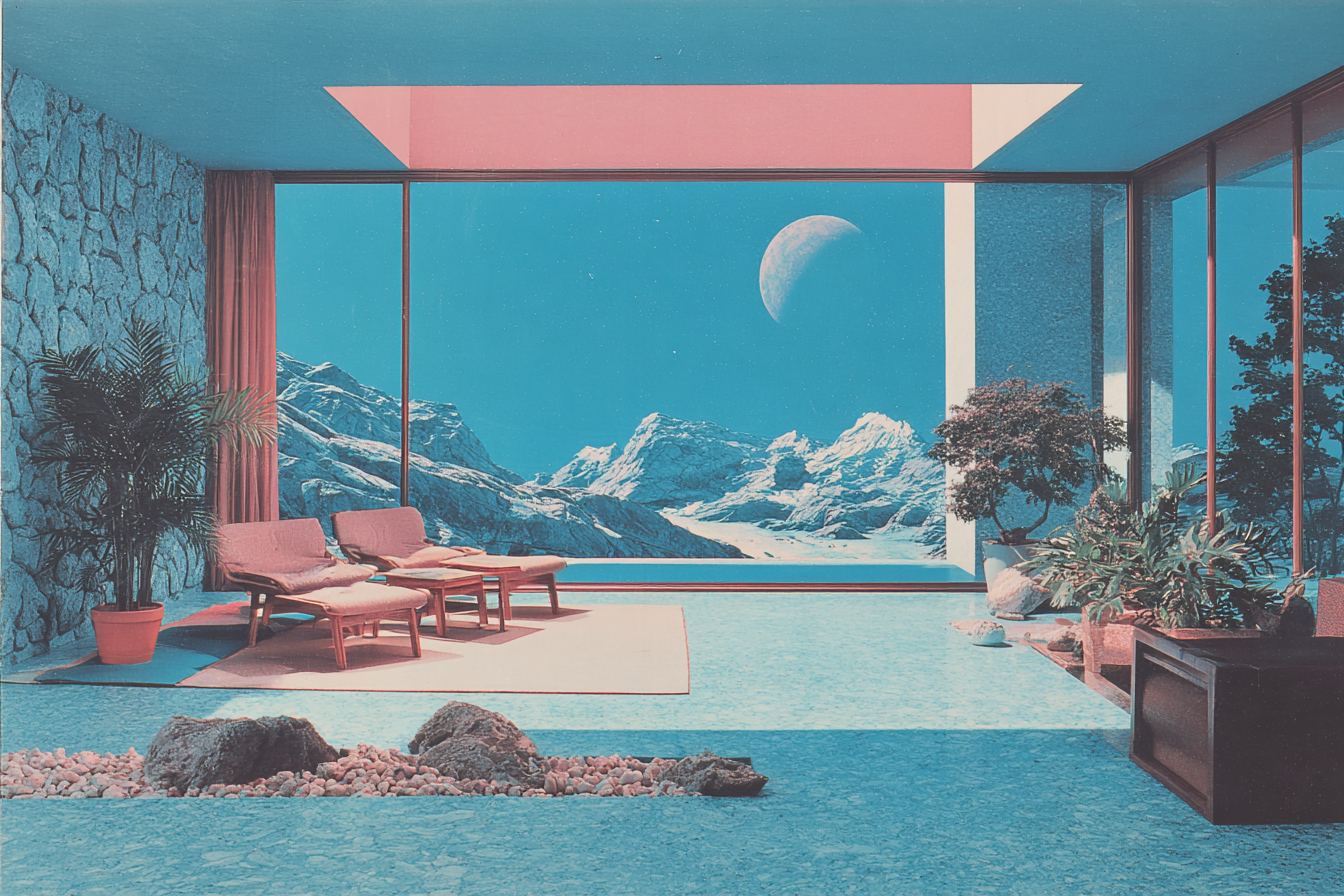
I have been developing my understanding of biophilic design within the workplace for many years now and I have come across a lot of examples of designers doing a great job of designing biophilic spaces, however, I would say the biggest mistake I see is that biophilic design does not equate to biophilically inclusive design. A very nice office with lots of plants and big windows looking out onto the outdoors has little value to a person in a wheelchair who cannot reach the plants or get a look outside.
Similarly, a space that has lots of visual connections to the outdoors has little value to someone who has a visual impairment and cannot perceive what is going on outside. A quiet space with plants will provide little comfort to someone with sensory issues that can only use auditory stimuli.
The good news is that we do not have to make biophilic design more difficult or more complicated to make it inclusive; we only have to think about the different senses, different physical abilities, and different neurological needs from the start and then apply those principles. Once we start to implement these principles, we begin to see that inclusive design has better outcomes for everyone, not just people with disabilities.

There is a well-established issue regarding nature deprivation in our society. As much as 90% of people spend time indoors, which is likely contributing to some degree of nature deprivation. For disabled people, the nature deprivation is compounded by the fact that most buildings are not designed with accessibility in mind and assume that everyone can see, walk, hear, or process sensory information in the same way. We do not need to make accessibility a special case; we simply need to design biophilic environments that include as wide of a variety of human experience as possible from the outset.
Understanding the Scale of the Problem
As mentioned earlier, the vast majority of the workplace lacks any natural light. In addition, 58% of offices lack plants altogether. Therefore, most people are working in completely sterile environments. To take it a step further, for people who experience nature connection through tactile interaction with plants or through the natural sounds and smells of plants, a completely sterile environment offers no opportunity for nature connection.
The benefits of biophilic design for wellbeing are the same for everyone, regardless of ability, but the way that biophilic design is implemented is often far from universal. Biophilic offices that incorporate natural light and plants improve wellbeing 15% for all workers, including workers with disabilities, however, that 15% increase in wellbeing only occurs if the design of the biophilic space is accessible. A biophilic space with a plant wall in a room that no one with mobility challenges can enter is of no benefit to those individuals.
Therefore, we turn to inclusive design. When we design biophilic spaces to be accessible to people with disabilities, we are not limiting functionality for non-disabled people; we are increasing it. Ramps do not just help people with mobility aids; they help pram-pushing parents, delivery personnel with trolleys, and anyone with temporary mobility limitations. Adjustable height planter boxes benefit people who need to sit whilst gardening, older workers, and workers of various heights. Similarly, auditory biophilic elements such as water features and nature soundscapes do not just help people with visual impairments; they help everyone focus and manage stress.
Light and Visual Accessibility
As previously stated, natural light is considered the most powerful biophilic element. Workers who have nature contact exhibit 15% higher wellbeing than workers with no nature contact and that this is largely due to light.
However, natural light will only benefit people who are able to perceive it. People who have low vision or visual impairments will need additional sensory inputs layered on top of visual biophilia. This includes the incorporation of both tactile and auditory elements to enhance the experience. For example, a window view of greenery is aesthetically pleasing, but when combined with a nearby pot of plants that can be touched and smelled, the experience is made accessible to a wider audience. Additionally, plants placed near windows will have the added benefit of highlighting them in relation to the light source, thereby enhancing their visibility to people with low vision who rely on contrast and brightness cues to perceive their surroundings.
Colour is another aspect of accessibility that is often overlooked in biophilic design. 67% of people reported feeling happier upon entering green and blue spaces and colour psychology is very real. However, approximately 8% of males and 0.5% of females report having some level of colour blindness, most commonly red-green colour blindness. Therefore, if you are designing a biophilic space using only green plants and red flowers, you are creating a visually flat experience for people with colour vision deficiency.

To address this issue, designers can employ a layered approach to colour and texture. Instead of solely relying on plants that differ in colour, designers can also incorporate plants with unique shapes and sizes. In addition, designers can incorporate plants with different textures—such as fuzzy plants, smooth succulents, and plants with prominent venation. Finally, designers can also use flowers in colours such as blue, yellow, and white that are easily distinguishable even to people with red-green colour blindness. Not only does this approach enhance the visual experience for people with colour vision deficiency, it enhances the experience for everyone.
Tactile and Sensory Accessibility
People who have visual impairments or those who predominantly process the world through touch and texture will find that tactile biophilic design is essential. Therefore, designers need to select plants that are safe to touch and provide a variety of tactile sensations. Examples of soft, fuzzy plants include lamb’s ear or velvet plants and examples of smooth plants include jade or echeveria. Plants with rough textures, such as certain types of succulents or cacti, provide additional texture.
Additionally, water features are both auditory and tactile elements that can provide a variety of sensory benefits. 28% of workers report difficulty finding quiet places to work and nature sounds and water features can provide a sense of refuge from the sensory overload of everyday life. Furthermore, the sound of running water is known to be calming and for people with visual impairments, it can provide orientational cues and help define space in a room. Small table-top fountains are not just decorative elements; they are multi-sensory biophilic elements that can provide a variety of sensory benefits to people who experience the world primarily through hearing and touch.
Finally, scent is a tactile-adjacent sensory element that can provide a variety of sensory benefits, however, it must be carefully managed in inclusive biophilic design. Stress decreases by 20-30% when people are surrounded by greenery, however, fragrance can exacerbate allergies and sensory sensitivities. Therefore, designers should choose plants that do not require the use of artificial fragrances and avoid using strong scented plants. In addition, aromatic plants such as mint or lavender should be available, but not overpowering.
Physical Accessibility and Mobility
Physical accessibility begins with movement. Do ramps exist? Are the pathways wide enough for wheelchairs? Can someone using a mobility aid move around the space without bumping into plants? Whilst these may seem like basic questions, the vast majority of biophilic design projects view plants as obstacles rather than as elements that can be incorporated into accessible pathways.
Aesthetic improvements of 84% can be achieved with biophilic design elements and modular plants can be used to meet the physical needs of a variety of individuals. Therefore, designers can incorporate planters at multiple heights. Floor-level plants can be placed in areas where workers can sit and interact with plants. Waist-high plants can be placed in areas where workers can interact with plants at eye level. Elevated plants can be placed above waist height and do not require workers to bend or stretch to interact with plants. Adjustable height planters are ideal as they allow workers to place plants at a height where they can comfortably interact with them.
Approximately 39% of workers report most productive when working in private green desks and quiet biophilic zones can provide a sense of calmness and reduce anxiety for neurodivergent workers who experience sensory overload from too much sensory stimulation. However, these spaces must be accessible. An accessible biophilic space that is located in a break room that is only accessible by climbing stairs or walking through a narrow hallway is not truly accessible to workers with mobility challenges. Therefore, designers should locate accessible biophilic spaces along main pathways, near elevators and in other locations that are easily accessible to all workers.

Neurological Accessibility and Sensory Processing
Neurodivergent people (people with autism, ADHD, etc.) experience biophilic design differently than neurotypical people. Some neurodivergent individuals find a space filled with plants and water features to be overwhelming. The visual complexity, auditory input, and possibility of strong scents can result in sensory overload and not a sense of calmness.
Inclusive biophilic design provides a choice. A space that incorporates a variety of sensory elements (e.g., texture, sound, etc.) may be beneficial to some people. A quiet space with plants but without water features may be beneficial to others. A sensory rich space with a variety of textures, sounds, and visual elements may be beneficial to yet others. Regardless, people should be able to access biophilic benefits in a manner that fits their individual sensory processing style and not be forced into a one-size-fits-all approach.
Additionally, designers can reduce cognitive load in biophilic spaces. A space with 200 plants arranged in disarray can appear chaotic. A similarly arranged space with the same 200 plants, but arranged in a clear and logical manner, can evoke a sense of restoration. Therefore, designers should consider the organisational structure of the space when designing biophilic spaces. This type of organisation in biophilic design can provide accessible experiences for individuals with a variety of processing styles.
Economic Accessibility: Affordable Biophilic Inclusion
Whilst inclusive biophilic design may initially seem costly, the reality is that it does not require expensive design elements. Low-cost biophilic design elements can provide up to 6% productivity gain. Therefore, organisations with limited budgets can develop biophilic spaces at an affordable cost. Similarly, remote workers can also develop biophilic spaces in their own home at an affordable cost.
Designers can start with low-cost or no-cost design elements. Natural light optimisation costs nothing and only requires rearranging workstations to be closer to a window or removing light blocking objects. Scent from plants costs nothing if you are already growing plants. Texture is inherent to plants. Water features can start with a desktop fountain costing less than £20. Collectively, these design elements can provide significant biophilic benefits without breaking the bank.
The premium for hotels providing a nature view is 23%. This indicates that people value nature and therefore, affordable alternatives can also provide significant value. Examples of these alternatives include high quality images of nature, nature-based artwork, and nature-inspired colour schemes. Each of these elements can provide biophilic benefits when a direct connection to nature is not feasible. Therefore, these elements can provide value to individuals who cannot access outdoor spaces or grow plants due to disability, space constraints, or financial constraints. These alternatives are not second-class citizens; they are simply alternative routes to the same biophilic destination.
Healthcare Accessibility: Implementing Inclusion in Hospital Environments
Studies have found that hospital biophilic design reduces the length of stay by 8.5% and that this benefit is universal for people with mobility and vision impairments. Unfortunately, hospital rooms are often inaccessible. Patients in hospital beds cannot physically go to a garden. Patients with mobility limitations cannot physically position themselves at a window to view the outdoors.
Therefore, designers must bring nature to the patient. Plants can be placed at bedside height. Windows can be placed so that patients lying in bed can view the outdoors. Nature sounds can be provided through speakers. Images of nature can be displayed on walls. Recovery from post-operative procedures is 8.5% faster with exposure to biophilic elements and similar benefits occur from the use of nature-based soundscapes. This is important since hospitalised patients are often the individuals who are most in need of a connection to nature and are also typically the most inaccessible to experiencing nature through design.

Implementation Framework: Designing for Inclusion
When designers and architects are creating or modifying a biophilic space to be inclusive, the first question to ask is, “Who will be excluded by this design?” Will a person with a mobility device be able to access this space? Will a person with low vision be able to perceive the biophilic elements? Will a person with sensory processing differences be able to tolerate the sensory input? Will a person with limited resources be able to benefit from this space?
Once this question has been answered, designers can begin to layer solutions. Designers can provide adjustable lighting to accommodate the needs of people with differing visual sensitivities. Designers can place plants at multiple heights to accommodate people with differing physical abilities. Designers can create spaces with both high levels of sensory stimulation and low levels of sensory stimulation. Designers can create accessible pathways and provide affordable options in conjunction with premium options. Finally, designers can provide auditory, tactile, visual, and olfactory biophilic elements, rather than solely relying on a single sense.
If possible, designers should test the design with actual disabled individuals and solicit feedback from disabled individuals prior to the implementation of the design. Designers can also iterate on the design based on the feedback from disabled individuals. Inclusive biophilic design is not a one-time accommodation; it is an iterative process to determine how best to integrate nature into a variety of human experiences.
The Larger Picture: Why Inclusion Matters
Biophilic offices with natural light and plants improve wellbeing 15% for all workers, including workers with disabilities. Therefore, the benefits of biophilic design are available to everyone. The barriers are not whether biophilic design works for individuals with disabilities; the barriers are whether biophilic design is accessible to individuals with disabilities.
Inclusive biophilic design expands the definition of who benefits from biophilic design. It eliminates the concept of accessibility as a special accommodation and replaces it with the concept of accessibility as a fundamental part of biophilic design. When designers and architects design biophilic spaces that are accessible to people with the largest range of abilities and sensory styles, they create spaces that are better for everyone. A space that is accessible to workers in wheelchairs is more accessible to workers with temporary injuries. A space that is accessible to people with visual impairments is clearer and more legible for everyone. A space that accommodates sensory sensitivities is actually calmer and more restorative for people without sensory differences.
That is the real value of inclusive biophilic design. It is not about charity or accommodation. It is about recognising that human diversity is the norm, not the exception, and designing nature into workspaces in ways that actually reach people, regardless of how their minds or bodies work.

Jeff has spent the last 20 years trying to figure out how interior environments can positively impact wellbeing and productivity. A personal mission to make his home (and eventually office) feel less dreary turned into a serious study and practice of biophilic design.
Over two decades, Jeff has tried literally dozens of ways to incorporate elements of nature into living and working areas—many were successful, but most were not. He has killed high-maintenance plants, created mold issues by planting too many plants, and installed water features that were much more stressful than they were supposed to be relaxing. Through both hands-on testing and research, he has determined what is truly effective, what is worth your time and money, and what you should skip altogether.
Jeff is no designer or scientist, just a regular person with sincere, down-to-earth knowledge of biophilic principles that can create healthy indoor environments. His focus is on providing actionable, viable solutions that fit within the realities of budgets, space limitations, and what people will honestly maintain.
Jeff’s resources are intended for individuals seeking to enhance their indoor environments using biophilic principles without over complicating things or claiming expertise. Someone who simply figured out through trial and error what actually creates a better feeling in a space.