
I’ll admit it – when I first stumbled across KTH Royal Institute of Technology’s sustainable urban planning program, my initial reaction was pretty much “yeah, right.” Not because I have anything against Swedish expertise (I mean, anyone who’s wandered around Stockholm knows they’ve figured out something the rest of us haven’t), but because I’ve been burned too many times by programs that throw around “sustainable design” like confetti without actually teaching students how to measure whether their ideas work.
This whole thing started during what I can only describe as the week from hell, dealing with a Phoenix developer who was absolutely convinced we needed to install rain gardens throughout their mixed-use project. Rain gardens. In Phoenix. Where we’re lucky to see eight inches of precipitation in a good year, and half of that comes in violent thunderstorms that would probably wash away any carefully planned bioswale anyway. I was sitting there at my desk, staring at these plans and thinking, “There has to be someone, somewhere, who’s teaching designers to actually think about climate before they start drawing pretty green features.”
That’s when I started digging into how other countries approach climate-responsive urban design.

And honestly? KTH’s program stopped me in my tracks.
What got my attention wasn’t their marketing materials or their glossy website photos. It was the fact that they don’t treat sustainability like some sort of optional upgrade package you can add to conventional planning. Their Master’s program bakes environmental performance into every single aspect of urban design thinking from day one. It reminded me of my own journey learning building science – you can’t just slap some solar panels on a poorly insulated building and call it sustainable. Everything has to work together as a system.
But here’s what really impressed me: they actually measure stuff. I cannot tell you how many architects I’ve worked with over the years who design these gorgeous sustainable features that look amazing in their portfolio photos and then fail spectacularly when they encounter real weather, real budgets, and real maintenance crews. KTH students don’t just dream up solutions – they’re required to analyze existing urban systems, quantify what’s actually happening, and base their proposals on actual data rather than good vibes and wishful thinking.
They call their approach “environmental urbanism,” which sounds like the kind of academic jargon that makes my eyes glaze over. But when you dig into what they’re actually teaching, it’s incredibly practical stuff. Students learn to measure urban heat island effects (something I wish more American planners understood), analyze stormwater management systems, track energy flows through cities, and understand material cycles in urban environments. And this isn’t happening in some theoretical bubble – they’re partnering with real Swedish municipalities on actual planning challenges that need solving.
The fieldwork component really caught my attention. These students spend serious time out in cities, taking measurements, talking to residents, testing whether their assumptions match reality. It’s exactly the kind of reality cheque that I think American planning education desperately needs. Too many of our graduates can write beautiful reports about sustainable communities but have never actually measured whether a green roof performs as expected or interviewed residents about how they use public spaces.
I was particularly curious about their approach to retrofit and densification challenges. Sweden is dealing with massive housing shortages while simultaneously trying to slash carbon emissions from existing buildings. Sound familiar? It’s basically the same challenge we’re wrestling with across the American Southwest, just with different climate constraints. KTH students are developing strategies for increasing urban density while actually improving environmental performance, often through shared infrastructure and district-scale systems that make sense economically.
Their faculty setup is something I really admire. These aren’t just career academics – they’re practicing planners, architects, and engineers who are actively working on major Swedish urban projects while they teach. One professor I looked up has been involved in planning Stockholm’s new carbon-neutral districts. Another specializes in retrofitting existing neighborhoods for climate resilience. Students aren’t just learning theory – they’re getting direct access to professionals who are implementing large-scale sustainable urban interventions right now.
The international mix of students adds another layer that I find appealing. About half come from outside Sweden, bringing experience with different climate challenges and planning approaches. I keep imagining how valuable it would be to have a student from Phoenix contributing insights about extreme heat planning while learning from classmates dealing with flooding in Bangladesh or permafrost issues in northern Canada. That kind of cross-pollination produces more robust solutions than programs focused purely on local conditions.
You Might Also Like

What really impressed me was how their research centres support the educational program. Their Centre for Sustainable Communications works on urban systems thinking, while their Division of Urban and Regional Studies focuses on spatial planning and governance. Students aren’t just taking classes in isolation – they’re participating in ongoing research projects addressing real urban sustainability challenges. It’s the kind of integration between education and practice that produces graduates who can immediately contribute to meaningful projects instead of needing years to figure out how the real world works.
I spent some time looking at recent thesis projects, and they demonstrate exactly the kind of practical orientation I think we need more of. Students have analyzed energy performance of different urban densification strategies, developed frameworks for climate-adaptive infrastructure planning, and created tools for measuring social sustainability in urban environments. These aren’t abstract academic exercises but actionable research that municipalities and planning firms can actually implement.
The Swedish context provides some unique advantages for this kind of education. Sweden has committed to carbon neutrality by 2045, which creates enormous demand for professionals who can plan and design low-carbon urban systems. Students are learning in an environment where sustainable urbanism isn’t a nice-to-have feature but an economic and regulatory necessity. That creates educational urgency you just don’t find in places where environmental performance is still considered optional.
I was also struck by their approach to social dimensions of sustainable planning. Too many sustainability programs get so focused on technical systems that they forget actual people have to live in these places. KTH integrates social science research, community engagement methods, and equity considerations into their planning education. Students learn to design systems that work technically and socially, which is absolutely crucial for long-term success.
Their collaboration network with other European institutions expands educational opportunities significantly. Students can participate in exchange programs with partner universities across Europe, gaining exposure to different climate conditions, planning traditions, and regulatory approaches. A semester studying urban planning in Mediterranean cities would provide excellent contrast to Stockholm’s cold-climate strategies.
The two-year program structure allows for real depth. First year establishes foundations in sustainable systems thinking, planning theory, and analytical methods. Second year focuses on specialization and thesis research, with students choosing concentrations like transport planning, housing policy, or environmental systems. This produces graduates with both broad systems thinking and deep expertise in specific areas – exactly the combination we need for tackling complex urban challenges.
Career outcomes seem strong, though that’s partly because Sweden’s ambitious climate goals create significant demand for this expertise. Graduates work in municipal planning departments, consulting firms, research institutes, and international organizations. Some start their own practices, others pursue doctoral studies. The diversity of career paths suggests the program prepares students for various professional contexts rather than training them for narrow specializations.
What fascinates me most is how their approach might translate to American contexts. We face remarkably similar challenges – aging infrastructure, climate change impacts, housing shortages, social equity concerns – just within different regulatory and cultural frameworks.
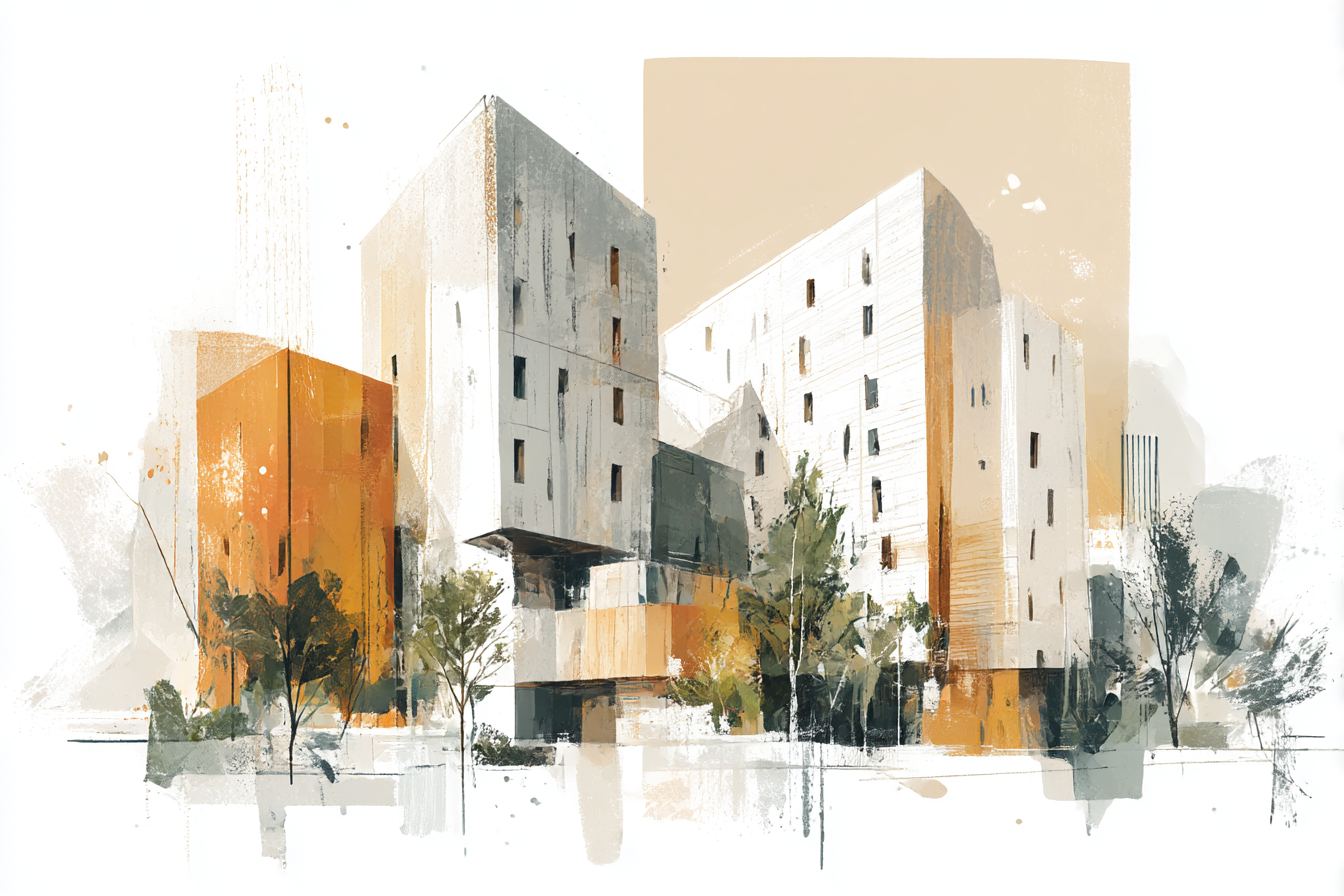
KTH’s emphasis on quantified performance, systems thinking, and community engagement could significantly improve American urban planning education, which often remains frustratingly disconnected from environmental performance realities.
The program isn’t perfect, obviously. Swedish planning operates within much stronger regulatory frameworks than most American contexts, which potentially limits direct applicability of some approaches. The climate focus naturally emphasizes cold-weather challenges, though international student participation helps broaden perspectives. And like any academic program, there’s probably some gap between classroom learning and professional practice.
But KTH’s sustainable urban planning program represents exactly the kind of rigorous, performance-focused education that could transform how we approach urban development. Their integration of technical knowledge, social awareness, and practical application produces graduates equipped to tackle genuinely complex urban sustainability challenges. For anyone serious about creating cities that actually work well for both people and environment, this Swedish program deserves serious attention.