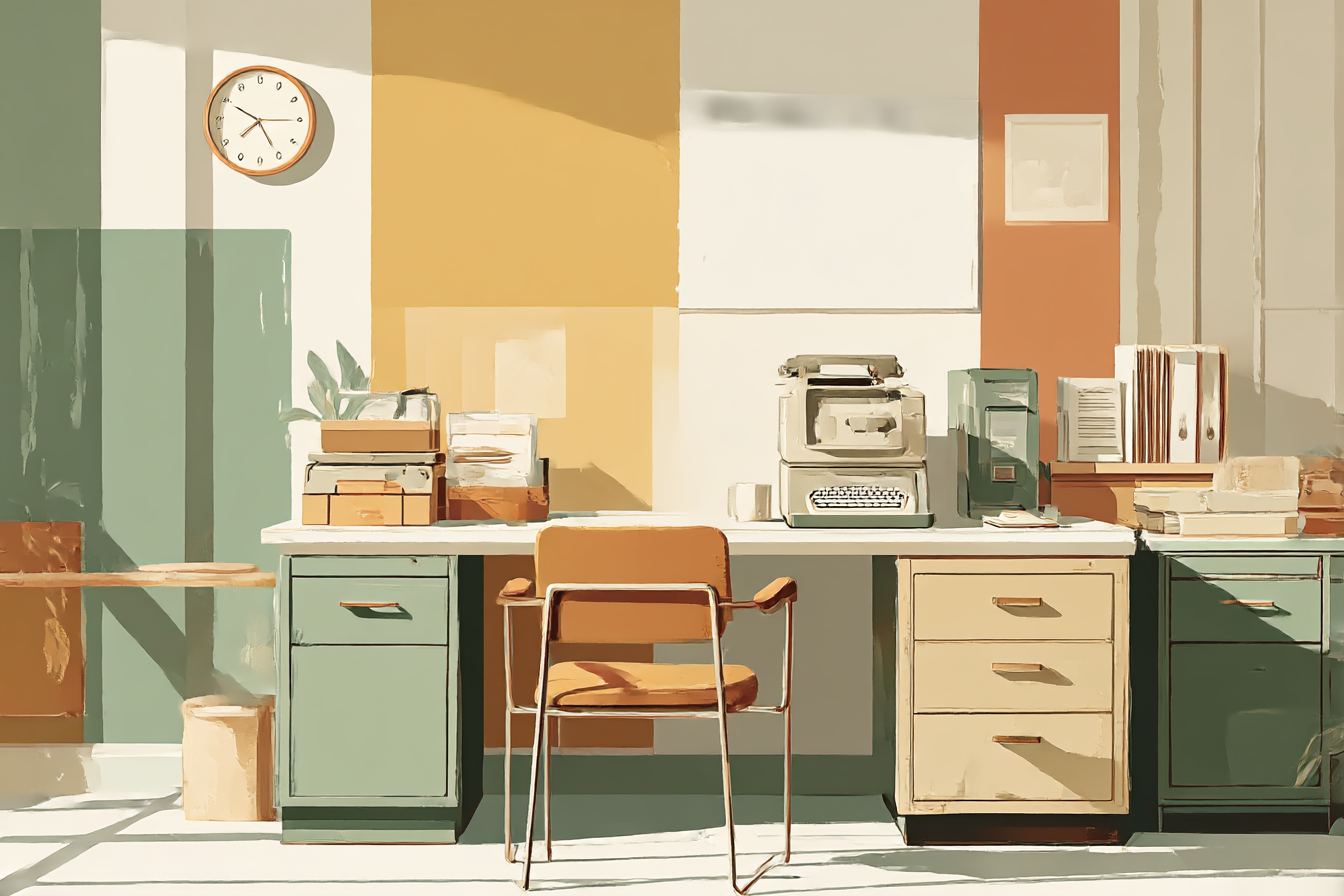
Last month I walked into a potential client’s headquarters and nearly laughed out loud at the contradiction. Here’s this tech company with a LEED Platinum plaque in their lobby, bragging about their solar array and energy-efficient HVAC system. But the workspace? Dear god. Rows of particle board desks practically radiating formaldehyde into the air, vinyl chairs that’ll probably survive the heat death of the universe, and carpet so synthetic I could feel the static through my shoes. It’s like serving organic salad on plates made of asbestos, you know?

This happens constantly in my line of work. Companies spend hundreds of thousands on building systems and renewable energy, then furnish their spaces with materials that are slowly poisoning their employees. I get it – when you’re thinking about sustainability, furniture feels secondary to solar panels and LED lighting. But here’s the thing nobody talks about: office furniture can have a bigger impact on indoor air quality than your entire HVAC system.
Three years ago I turned my home office into what my wife calls “Michael’s furniture torture chamber.” Been testing everything from bamboo desks to mushroom-based foam cushions, tracking air quality, durability, cost… the whole nine yards. Some experiments worked brilliantly. Others? Well, let’s just say I learned why certain bio-based materials aren’t ready for commercial applications, and my lower back paid the price for that education.
The breakthrough moment came when I installed an air quality monitor in my office. Started getting headaches working from home that I couldn’t explain – figured it might be related to some new products I was testing at the lab, but the timing didn’t match up. On a hunch, I decided to monitor VOCs before and after replacing my old desk.
That desk was typical office furniture – particle board with a laminate surface, purchased from a big-box store about five years earlier. Nothing obviously wrong with it, performed its function fine. But within two weeks of swapping it for a reclaimed oak desktop I’d found at an architectural salvage yard, my air quality readings dropped by 40%. The headaches disappeared completely.
That’s when it clicked that office furniture isn’t just about environmental impact during manufacturing or disposal. It’s about creating healthier work environments every single day, for years at a time.
Testing different materials became something of an obsession after that. Started with bamboo because everyone talks about how sustainable it is – grows fast, doesn’t require replanting, all that good stuff. The surface looked great and pricing was reasonable, but here’s what the marketing doesn’t tell you: most bamboo furniture uses formaldehyde-based adhesives to bind the fibres together. The stuff that doesn’t costs twice as much, and you really need to dig into manufacturing specs rather than trusting labels.
Reclaimed wood turned out to be my favorite option, though sourcing requires patience. Found my current desktop through a local salvage company – came from a 1940s library renovation, these beautiful thick oak slabs that had been desktop surfaces for decades. Any chemicals from the original finishing had long since off-gassed, zero embodied carbon from harvesting new trees, and the character those boards had developed over 80 years of use… you can’t buy that kind of patina.
Cost was about 60% of what a comparable new solid wood desk would run, which helped sell the idea to my budget-conscious better half.
But here’s something I didn’t expect about using reclaimed materials in office settings. People react to them differently than conventional furniture. Clients comment on my desk constantly, want to know its story. There’s something about knowing your workspace incorporates materials with history that changes how you relate to your environment. Sounds a bit touchy-feely for a materials engineer, I know, but the psychological impact is measurable.
Seating proved way more challenging to navigate sustainably. My first attempt was an absolute disaster – bought what marketed itself as an “eco-friendly ergonomic chair” made from recycled materials. Recycled what, exactly? Turned out to be recycled plastic bottles formed into a seat that trapped heat like nobody’s business. Didn’t breathe at all, left me feeling like I’d spent eight hours sitting in a sauna. That lasted about two weeks before I admitted defeat and started over.
You Might Also Like
The chair I’m using now took four months to find, but it illustrates what to actually look for in sustainable seating. Frame made from FSC-certified maple, cushioning from natural latex instead of petroleum-based foam, upholstery from organic cotton canvas. No chrome plating, no vinyl, no questionable adhesives holding everything together. More expensive upfront? You bet. But I’ve had it for eighteen months now, it’s more comfortable than any office chair I’ve owned, and when it eventually wears out in another decade or two, every single component can either be composted, recycled, or reused.
Storage furniture presents its own set of problems. Most filing cabinets use particle board construction with formaldehyde-based adhesives, plus powder coating processes that often incorporate heavy metals. I ended up building my own from reclaimed materials, which isn’t practical for most people, but alternatives definitely exist if you know where to look.
Steel filing cabinets from the 1950s through 1980s are actually excellent sustainable choices. Solid steel construction, no synthetic materials whatsoever, built to last indefinitely. I source them through used office furniture dealers and estate sales – they need refinishing sometimes, but that’s straightforward work using low-VOC paints and a weekend afternoon.
For companies furnishing entire offices, the economics shift considerably. Individual sustainable pieces cost more upfront, but bulk purchasing from manufacturers actually focused on environmental responsibility can reduce costs while improving quality. I’ve consulted on three mid-sized office refurbishments where sustainable furniture packages cost less than conventional alternatives when you calculated factors like durability and health impacts over five-year periods.
The trick is avoiding greenwashing, which runs rampant in commercial furniture markets. Terms like “eco-friendly” and “sustainable” get slapped on everything without meaningful backing. I always request materials disclosure sheets, third-party certifications, manufacturing location info. Companies making genuinely sustainable furniture provide this information gladly. The greenwashers make it nearly impossible to obtain.
Modular furniture systems deserve special mention because they address office furniture’s biggest environmental problem: complete inflexibility. Traditional setups get discarded wholesale when companies reorganize, relocate, or change space needs. Modular systems can be reconfigured, expanded, downsized without creating waste streams. Several manufacturers now offer modular options using sustainable materials, though you’ll pay premium pricing for the privilege.
Regional sourcing makes an enormous difference in environmental impact too. Furniture manufactured within a few hundred miles eliminates transportation emissions while supporting regional economies. I’ve found excellent sustainable furniture makers within 200 miles of most major cities, but they require research to locate since they don’t have national marketing budgets competing with Herman Miller and Steelcase.
One approach I always recommend is starting small with high-impact pieces. Replace your primary work surface first, then seating, then storage. This spreads costs over time while letting you evaluate what actually works in your specific environment before committing to larger purchases. No point buying a thousand-dollar sustainable desk if you discover you’re allergic to the finish they used.
Don’t overlook lighting fixtures as part of sustainable office design either. LED task lighting reduces energy consumption while eliminating heat generation that makes HVAC systems work harder. Natural wood or metal fixtures avoid plastic components that degrade and need replacement every few years.
The maintenance aspect of sustainable office furniture often gets overlooked but matters enormously for long-term environmental impact. Solid wood surfaces can be refinished indefinitely. Metal components can be repaired rather than replaced. Natural fibre upholstery can be cleaned effectively without harsh chemical solvents. Conventional office furniture typically becomes unrepairable after five or six years, creating replacement cycles that multiply environmental impact.

My current office setup represents about three years of gradual replacement, testing, and refinement. Every piece performs its intended function while supporting environmental and health goals. More importantly, the workspace feels fundamentally different. Better air quality, fewer headaches, somehow more conducive to focused work.
Creating sustainable office environments isn’t about sacrifice or accepting inferior performance. It’s about understanding that our daily material choices have consequences and making informed decisions that benefit both immediate productivity and long-term environmental health. Start with one piece, research thoroughly, build from there. Your lungs will thank you.