
Yesterday I found myself standing on a client's roof at 6 AM, thermometer in hand, measuring surface temperatures that would make you question everything you thought you knew about roofing materials. The black asphalt shingles were already hitting 140°F while the white membrane section of the same roof stayed a comfortable 85°F. That 55-degree difference? It's the reason I've become obsessed with what we put on top of our buildings.
You know, most people never think about their roof until water starts dripping into their living room. But after fifteen years of testing sustainable building materials, I can tell you that roof selection might be the single most impactful decision you make about your building's environmental footprint. And I'm not just talking about energy bills, though those matter too.
Last month I helped a school district in Arizona replace their aging roof system.
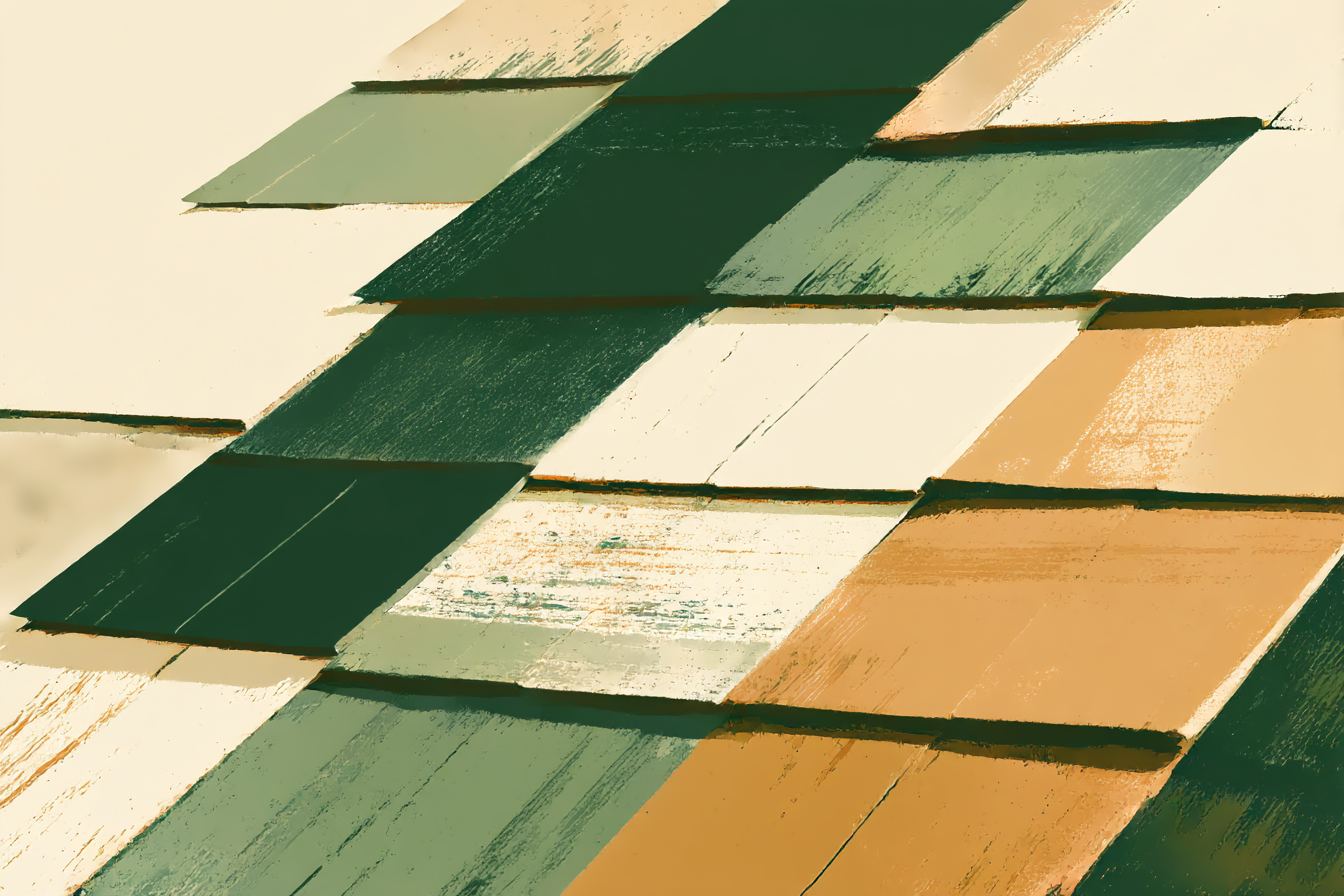
The original black membrane was cooking their classrooms and driving air conditioning costs through the ceiling. We installed a cool roof system with recycled content shingles that reflect 85% of solar radiation instead of absorbing it. Three months later, their energy bills dropped by 30%. The kids can actually focus during afternoon classes now.
But here's what really gets me excited about sustainable roofing: the materials themselves. I've tested everything from recycled rubber shingles made from old tyres to metal roofing with 90% post-consumer content. Some work brilliantly. Others… well, let's just say I learned expensive lessons so you don't have to.
Take those recycled rubber shingles I mentioned. On paper, they look fantastic. Diverting waste from landfills, excellent weather resistance, decent insulation properties. I installed them on my own workshop three years ago to test long-term performance. The good news? They've held up beautifully through Pacific Northwest winters. The bad? They retain heat like crazy during summer months, making the space uncomfortably warm even with adequate ventilation.
Metal roofing, on the other hand, has surprised me repeatedly. I used to think of it as that cheap corrugated stuff on barns, but modern residential metal systems are genuinely impressive. I worked with a family in Colorado who chose standing seam metal with a high solar reflectance coating. Not only does it reflect heat beautifully, but the material itself contains 25% recycled content and is 100% recyclable at end of life. Plus, and this matters in hail country, it's practically indestructible.
The installation taught me something important about sustainable materials: sometimes the "greenest" choice isn't obvious. That metal roof cost 40% more upfront than conventional asphalt shingles would have. But it'll last 50+ years versus 15-20 for asphalt, requires virtually no maintenance, and dramatically reduces cooling loads. When you calculate total cost of ownership, it's actually cheaper than conventional options.
I've become particularly fascinated with clay and concrete tiles lately. These materials have been protecting buildings for centuries, and there's wisdom in that longevity. A project I consulted on in California used concrete tiles with 15% fly ash content (a waste product from coal plants). The thermal mass helps moderate interior temperatures, they're made from abundant local materials, and they'll outlast several generations of residents.
But you can't talk about sustainable roofing without addressing the elephant in the room: cool roof coatings. I've tested dozens of these products, and quality varies wildly. Some deliver exactly the reflectivity they promise and maintain it over years of weather exposure. Others fade within months or, worse, trap moisture and cause premature failure of the underlying roof system.
You Might Also Like
One coating I tested last year claimed 90% solar reflectance. Initially, it performed beautifully. But after six months of UV exposure, reflectance dropped to 65%. Still good, but not what we paid for. The manufacturer blamed "atmospheric contamination," which is basically saying their product doesn't work in real-world conditions. That's the kind of greenwashing that drives me crazy.
What works better, in my experience, are inherently reflective materials rather than applied coatings. White thermoplastic membranes maintain their reflectivity much longer than coated surfaces. Modified bitumen with mineral surfacing performs consistently over decades. These solutions cost more initially but deliver reliable performance throughout their lifespan.
I'm also seeing interesting innovations in living roof systems. I helped design an extensive green roof for a community centre in Portland that's been performing beautifully for two years now. The vegetation provides excellent insulation, manages stormwater runoff, and creates habitat in an urban environment. The installation required careful attention to structural capacity and waterproofing details, but the results justify the complexity.
The key insight from that project: match the system to the building and climate. That extensive green roof works in Portland's mild, wet climate with moderate structural loads. The same approach would be disastrous in Phoenix or inadequate for Minnesota winters. Sustainable doesn't mean one-size-fits-all.
Recently I've been testing recycled plastic lumber for roof decking applications. The material is made from post-consumer plastic waste and performs well structurally. Installation is similar to conventional lumber, which contractors appreciate. The concern? Long-term thermal movement. Plastic expands and contracts more than wood, potentially affecting fastener retention over decades of temperature cycling.
What really excites me about sustainable roofing is how rapidly the market is evolving. Five years ago, finding high-performance sustainable options required extensive research and often custom procurement. Today, major manufacturers offer recycled content shingles, cool roof membranes, and sustainable metal systems through standard distribution channels. The premiums are shrinking while performance improves.
I always tell clients: think beyond the initial installation. A sustainable roof system should perform well for its entire lifespan with minimal maintenance.

It should be repairable rather than requiring complete replacement when problems occur. And ideally, components should be recyclable or compostable at end of life rather than heading to landfills.
That's why I'm particularly interested in modular roofing systems that allow individual component replacement. If a few tiles crack or a membrane section fails, you replace just that area rather than the entire roof. This approach reduces material waste and spreads replacement costs over time.
The bottom line: sustainable roofing isn't just about using recycled materials or achieving Energy Star ratings. It's about selecting appropriate systems that deliver long-term performance while minimizing environmental impact throughout their lifecycle. Sometimes that means high-tech cool roof coatings. Other times, it's time-tested clay tiles or metal systems that'll outlast the building structure itself.
Your roof protects everything beneath it. Shouldn't it also protect the environment we all share?