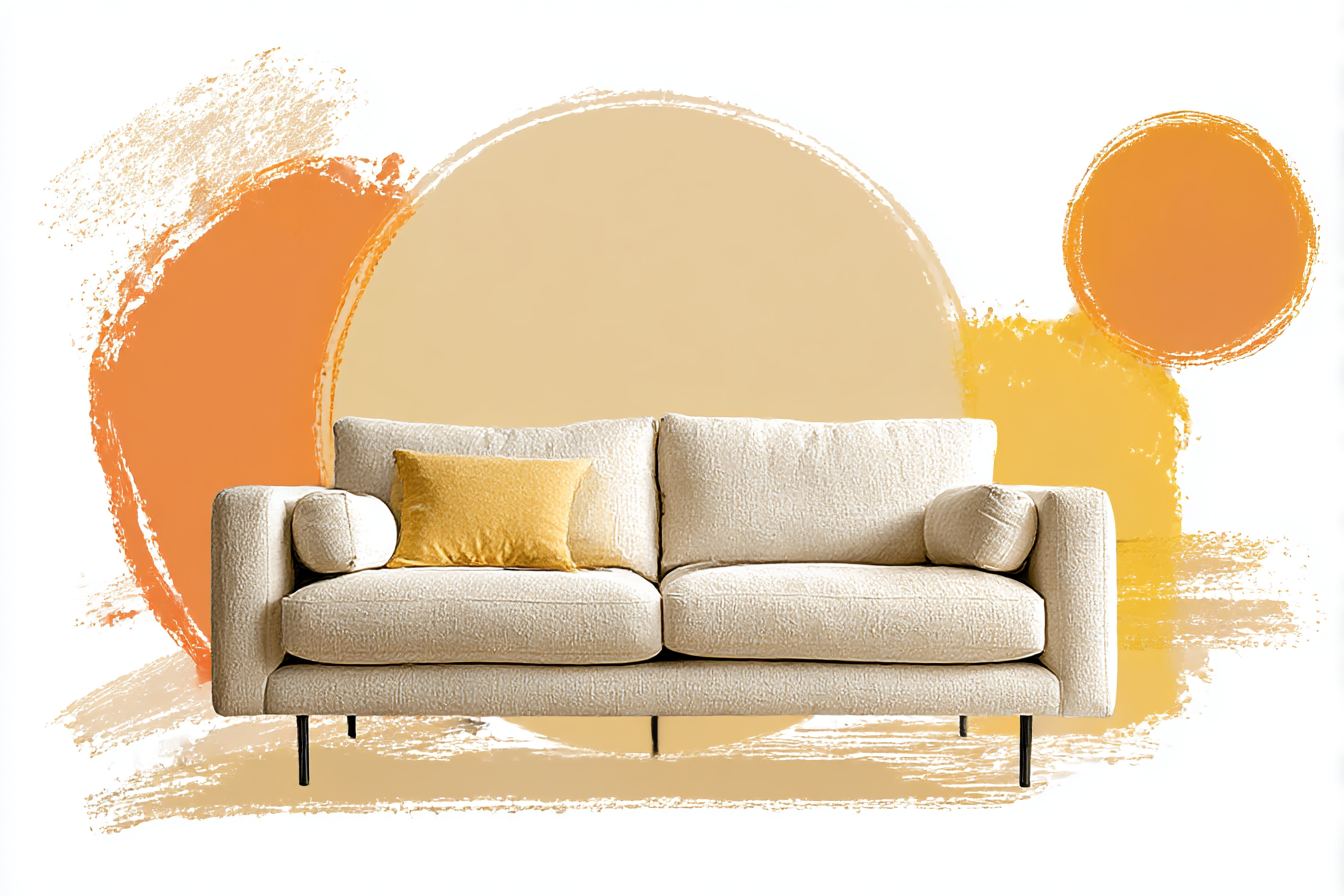
You know what's funny? I used to think furniture was just furniture. Growing up around my parents' salvage yard, I saw plenty of beat-up couches and chairs come through, but they were just things people were getting rid of. It wasn't until I started really diving into sustainable materials that I realised how much our seating choices actually matter for indoor air quality, environmental impact, and our health.
Last month, I helped my neighbour Sarah replace her old sectional sofa. She'd been complaining about headaches and that weird chemical smell that just wouldn't go away, even after having the thing for two years. When we started looking at what was actually in her couch, well… let's just say it was an eye-opener.

Flame retardants, formaldehyde-based adhesives, petroleum-based foam cushions that were basically slabs of petrochemicals. No wonder she was feeling crappy every time she settled in to watch Netflix.
This got me thinking about all the sustainable sofa options I've been researching and testing over the years. The furniture industry has some serious catching up to do when it comes to environmental responsibility, but there are companies out there doing genuinely good work. Not the greenwashing kind where they slap a "natural" label on something that's still full of toxic materials, but actual sustainable seating that you can feel good about bringing into your home.
Let me start with frames, because that's where a lot of the magic happens. I've become obsessed with reclaimed wood frames lately. There's something deeply satisfying about a sofa built on bones that used to be a barn beam or warehouse flooring. The character in that wood tells stories you can't get from fresh-cut lumber, and the environmental benefits are huge. No new trees harvested, no energy-intensive kiln drying, no chemical treatments to speed up the curing process.
But here's the thing about reclaimed wood frames, they're not automatically better just because they're old. I learned this the hard way when I recommended a beautiful reclaimed oak frame to a client, only to discover later that it had been treated with some pretty nasty preservatives back in the 1960s. Now I always ask suppliers about the wood's history and get documentation when possible. You want reclaimed material that's been properly assessed and cleaned, not just pulled from a demolition site and slapped together.
For new wood frames, I'm really impressed with what some manufacturers are doing with sustainably harvested hardwoods. FSC-certified maple and oak frames that are built to last decades, not years. The key is finding companies that actually understand joinery and use proper mortise and tenon construction instead of just screwing everything together with metal brackets. A well-built hardwood frame should outlive you, honestly.
Then there are the innovative frame materials that have me really excited. I recently tested a sofa with a frame made from compressed agricultural waste, basically rice hulls and wheat straw formed into incredibly strong structural components. The engineering behind it is fascinating, and the environmental impact is minimal compared to conventional options. The rice hulls were waste products anyway, so you're essentially turning agricultural byproducts into furniture.
Moving on to upholstery fabrics, this is where things get both exciting and frustrating. The textile industry loves to throw around terms like "natural" and "organic," but you really need to dig deeper. I've seen cotton fabrics marketed as eco-friendly that were grown with massive pesticide inputs and processed with toxic dyes. That's not sustainable, that's just marketing.
Real organic cotton upholstery exists, though, and it's gorgeous stuff. I'm talking about fabric that's GOTS certified (Global Organic Textile Standard), which means the cotton was grown without synthetic pesticides and processed without harmful chemicals. The colours tend to be more muted than conventional fabrics, but there's something elegant about those natural tones that works in almost any space.
Hemp fabric has become one of my favorite upholstery materials. It's incredibly durable, naturally antimicrobial, and gets softer with age. Plus, hemp grows like crazy without needing much water or any pesticides. I've got a hemp-upholstered chair in my living room that's five years old and still looks brand new, despite my dog's best efforts to destroy it.
You Might Also Like

Linen is another winner, especially when it's made from flax grown in regions like Belgium or northern France where the climate is perfect for it. European linen tends to have lower transportation impacts than alternatives shipped from halfway around the world, and the quality is consistently excellent. It wrinkles easily, which some people hate, but I think it adds character.
Now, let's talk about cushions, because this is where conventional furniture really goes off the rails environmentally. Standard sofa cushions are typically made from polyurethane foam derived from petroleum, treated with chemical flame retardants, and wrapped in synthetic batting. It's basically a cocktail of petrochemicals that slowly off-gas into your living space.
Natural latex foam has become my go-to recommendation for sustainable cushioning. Made from rubber tree sap, it's naturally antimicrobial, incredibly durable, and biodegradable at the end of its life. The feel is different from conventional foam, firmer and more responsive, which takes some getting used to. But once you adjust, most people prefer it. I've been sleeping on a natural latex mattress for three years now, and it still feels like new.
For clients who want something softer, I often recommend cushions filled with organic cotton batting or wool. Wool is particularly interesting because it's naturally flame resistant without any chemical treatments, which means manufacturers can skip the toxic flame retardants entirely. Plus, wool regulates temperature beautifully, keeping you cool in summer and warm in winter.
There's also recycled down alternative made from plastic bottles, which sounds weird but actually works really well. It's not as sustainable as natural materials, obviously, but it's a way to divert waste from landfills while creating comfortable cushioning. I tested some last year and was surprised by how closely it mimicked the feel of traditional down.
What really gets me excited, though, are the companies putting all these elements together thoughtfully. There's this manufacturer in North Carolina that builds sofas with reclaimed wood frames, organic cotton upholstery, natural latex cushions, and water-based finishes. Everything is made within a 200-mile radius of their factory, which keeps transportation impacts minimal. The quality is outstanding, and while they're not cheap, they're priced competitively with high-end conventional furniture that doesn't offer any of the environmental benefits.
I visited their facility last fall and was blown away by their attention to detail. The craftspeople building these pieces really understand their materials and take pride in the work. It's the kind of manufacturing that used to be standard in American furniture making before everything moved overseas and became about cutting costs rather than creating quality.
The challenge with sustainable seating is that it requires patience and often custom ordering. You can't walk into a big box store and leave with an eco-friendly sofa the same day. Most sustainable manufacturers work on made-to-order basis, which means waiting weeks or even months for delivery. But honestly? That slower pace is part of what makes the process more sustainable.

You're not impulse buying something that might end up in a landfill in five years.
Price is obviously a consideration too. Sustainable sofas typically cost more upfront than conventional options, sometimes significantly more. But when you factor in durability, health benefits, and environmental impact, the math often works out favorably over time. A well-made sustainable sofa should last 15-20 years or more with proper care, while mass-produced furniture might need replacement every 5-7 years.
If budget is tight, I always suggest looking for vintage or used sustainable furniture first. There are some incredible mid-century pieces out there built with solid wood frames and natural materials that just need reupholstering. You get quality construction at a fraction of the new price, plus you're keeping existing furniture out of landfills.
The sustainable seating market is definitely growing, and I'm seeing more options every year. It's still nowhere near mainstream, but consumer demand is pushing manufacturers to take environmental impact seriously. Every sustainable sofa purchase sends a signal that people care about more than just price and convenience.



