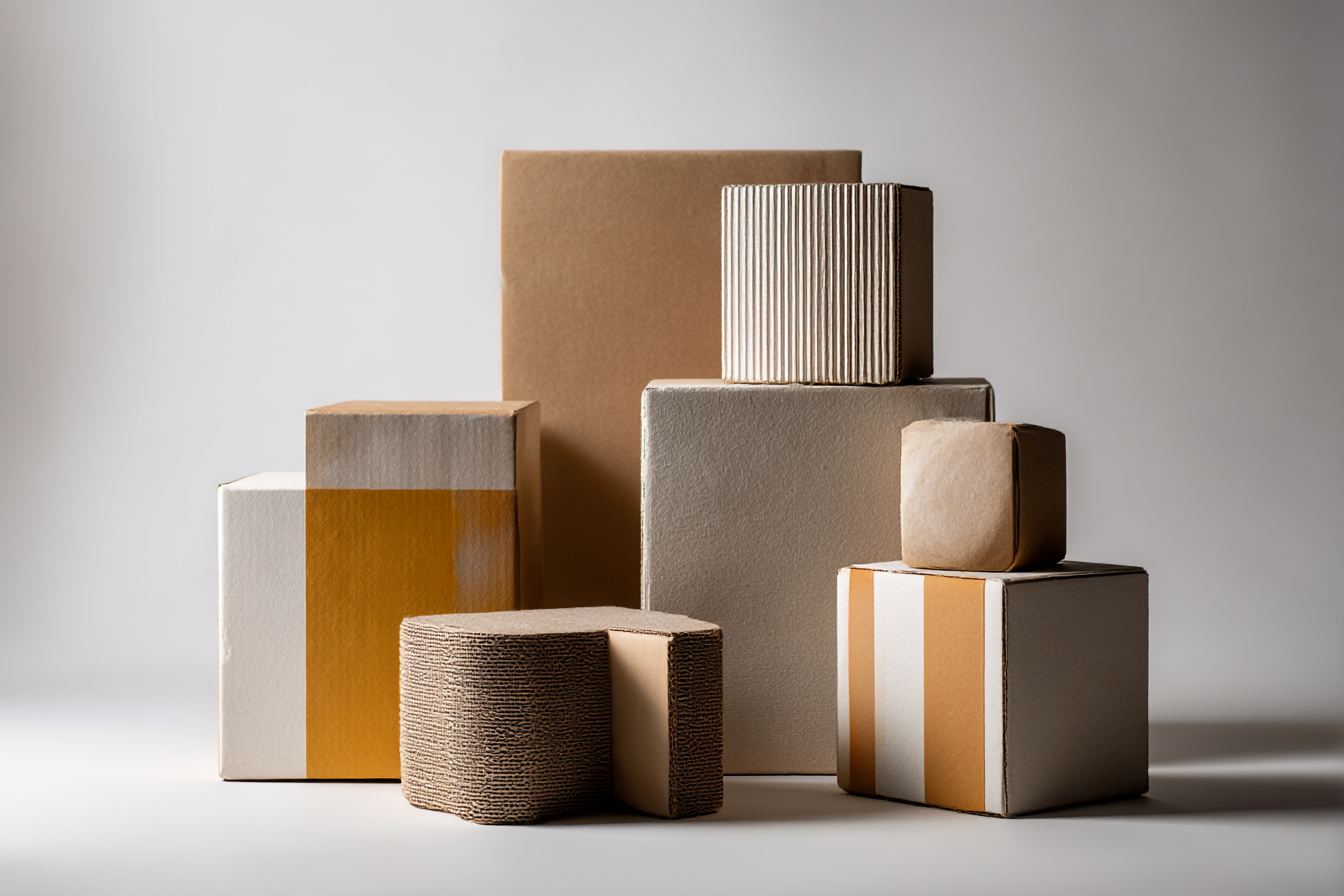
Walking through a client's temporary office space last Tuesday, I couldn't help but smile at what I was seeing. Sleek desks, comfortable chairs, even filing cabinets – all made entirely from cardboard. The CEO noticed my expression and laughed, "I know, I know, it looks crazy. But we needed furniture for six months while our permanent space gets built out, and this stuff actually works better than I expected."
She wasn't wrong. I've been tracking the cardboard furniture movement for about three years now, ever since a contractor friend called me in a panic because his client wanted "that paper desk thing" for their startup office. He thought it was a joke.
I thought it might be brilliant.
Here's what most people don't realise about cardboard: when it's engineered properly, it's ridiculously strong. I'm talking about supporting 200+ pounds without breaking a sweat. The secret isn't just the corrugated structure – though that honeycomb pattern does create impressive load distribution – it's how modern manufacturers have figured out to layer, fold, and reinforce the material.
Last year, I got my hands on a cardboard bookshelf from a company called Karton Group. Thing weighed maybe eight pounds but held my entire collection of building code manuals without sagging. I kept waiting for it to fail. Six months later, it's still rock solid, and honestly? It looks better than the particleboard furniture I had before, which was already warping at the corners.
The environmental math on cardboard furniture is pretty compelling, especially for temporary situations. Manufacturing a cardboard desk generates roughly 75% fewer carbon emissions than producing a comparable wood veneer desk with MDF core. Transportation costs plummet because you can ship these flat-packed in incredibly compact bundles. I watched a delivery truck unload furniture for an entire 40-person office – the whole shipment fit in what would normally hold maybe six traditional desks.
But here's where it gets really interesting from a sustainability perspective. Most furniture ends up in landfills when offices move or redesign. Always has. I've seen perfectly functional Herman Miller chairs heading to dumpsters because it was cheaper than coordinating pickup for donation. With cardboard furniture, you just toss it in the recycling bin. Well, theoretically. The reality is more complicated because some manufacturers use adhesives that contaminate the recycling stream.
I learned this the hard way when I tried to recycle that bookshelf after testing. Called three recycling centres. Two said flat-out no because of the coating, one said maybe if I could prove the adhesive was water-based. Ended up composting it in sections in my backyard, which actually worked fine, but that's not exactly a scalable solution.
The coating issue matters because most cardboard furniture isn't just raw cardboard. Companies add protective finishes to resist moisture and wear. Some use wax-based coatings that are relatively benign. Others use plastic laminates or chemical treatments that make recycling impossible. When I'm evaluating cardboard furniture now, I always ask manufacturers about their surface treatments and end-of-life options.
Strength-wise, I've been genuinely impressed. A cardboard chair from Greycork held me – all 190 pounds – without creaking. My nephew jumped on it. Still fine. The failure mode, when it comes, tends to be gradual rather than catastrophic. Edges might start to soften after months of heavy use, joints might loosen slightly. But you usually see problems coming, which is more than I can say for some cheap conventional furniture I've encountered.
You Might Also Like

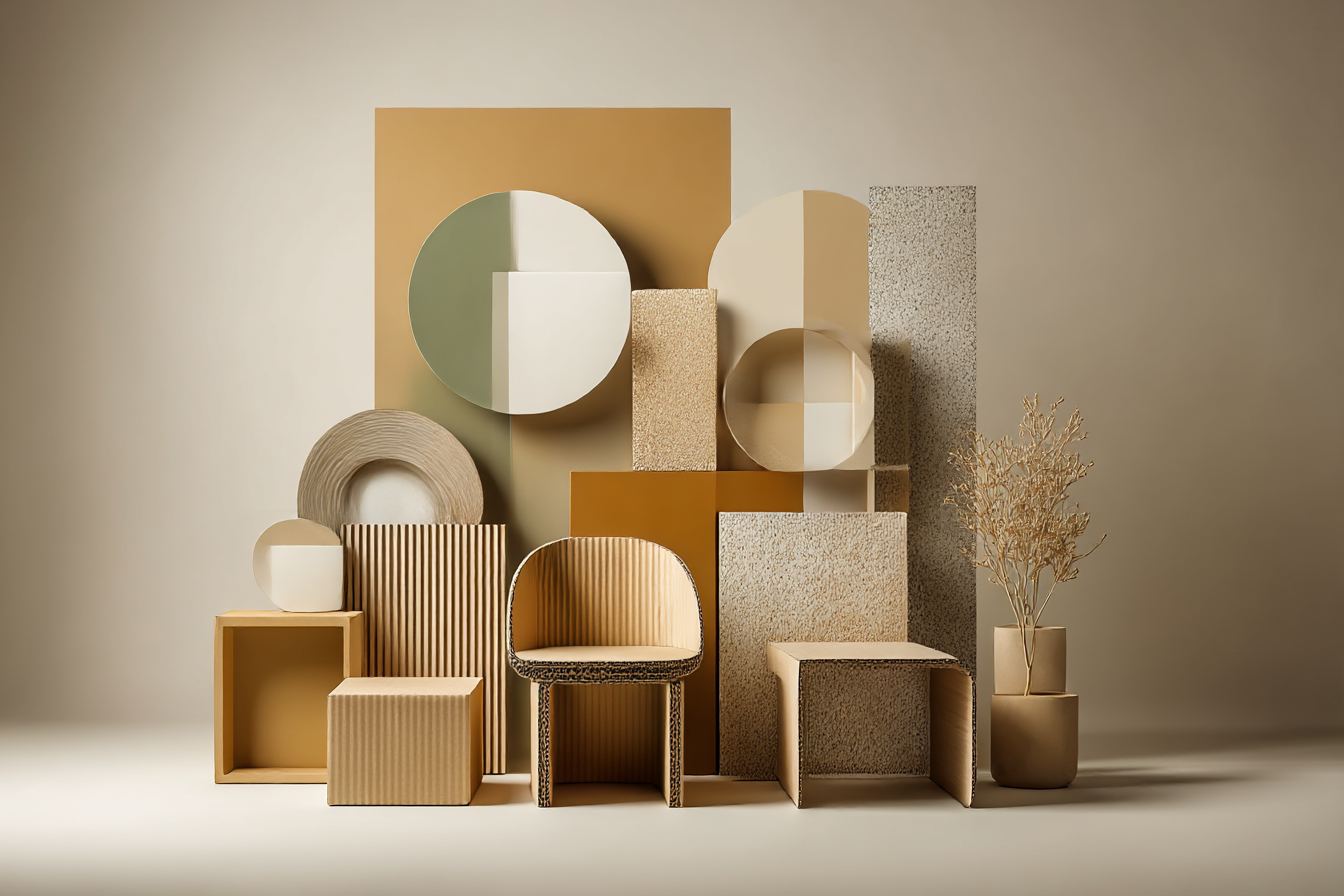
The aesthetics have evolved dramatically. Early cardboard furniture looked like, well, cardboard boxes pretending to be desks. Current designs are legitimately attractive. Clean lines, sophisticated proportions, finishes that actually enhance rather than hide the material's natural texture. Some pieces play up the cardboard identity with visible corrugation patterns. Others are so refined you might not immediately realise what you're looking at.
Assembly is where cardboard furniture really shines, assuming the manufacturer got their engineering right. Most pieces snap together without tools – just folding and interlocking tabs. Takes maybe ten minutes to build a desk that would require an hour with traditional furniture. I helped a friend set up her home office last month using all cardboard pieces. We went from empty room to fully functional workspace in under thirty minutes.
The durability question comes up constantly. How long does this stuff actually last? Based on my testing and user reports, figure 6-18 months for heavy commercial use, possibly several years for lighter residential applications. That might sound limiting until you consider how often offices reorganize, how frequently people move, how many "temporary" situations end up lasting longer than expected.
I've started recommending cardboard furniture for specific applications where its characteristics make sense. Pop-up retail spaces. Temporary offices during renovations. Trade show displays. Student housing where moves happen annually. Event spaces that need flexible seating arrangements. Kids' furniture that can be replaced as they grow without major investment.
Pricing varies wildly. Some cardboard pieces cost almost as much as conventional furniture, which seems absurd until you factor in the design work, specialized manufacturing, and shipping efficiency. Others are genuinely budget-friendly. A decent cardboard desk runs $50-150 versus $200+ for comparable conventional options.
The biggest limitation isn't structural – it's cultural. People associate cardboard with disposability, cheapness, temporary solutions. Convincing a CEO to furnish their executive conference room with cardboard chairs is still a tough sell, even when those chairs perform beautifully and align with their sustainability goals. We're fighting decades of material prejudice.
Water resistance remains a real concern. Spill coffee on most cardboard furniture and you've got problems.
Some manufacturers are addressing this with better coatings, but it's still not something you'd want in a high-moisture environment. I tested one "water-resistant" cardboard table by leaving a wet glass on it overnight. Ring mark that never came out.
What excites me most about cardboard furniture is where the technology might lead. Manufacturers are experimenting with reinforcing cardboard with natural fibres, creating hybrid materials that maintain recyclability while improving durability. Some are developing snap-together systems that let you reconfigure furniture as needs change. Others are working on take-back programs where they collect used pieces for reprocessing.
For the right applications, cardboard furniture represents genuinely smart material selection. It's not trying to replace all furniture – it's creating a new category for situations where temporary, lightweight, recyclable, and affordable matter more than permanence and status signaling. In a world where we're finally questioning whether everything needs to last forever, sometimes the best solution might just be the one that doesn't.



