
Walking into my neighbour Jake's living room last Tuesday, I couldn't help but smile. Here was a guy who'd spent the better part of two years telling me that sustainable furniture was either ugly or expensive (usually both), and his space looked absolutely stunning. Clean lines, rich materials, contemporary style that would make any design magazine jealous. The kicker? Every single piece was eco-friendly.
"Okay, you win," he said, gesturing toward his new coffee table. "This walnut came from a local mill using deadfall trees, the finish is some plant-based thing that doesn't make my wife's allergies act up, and it cost less than that particle board monstrosity I was going to buy from the big box store."
That conversation crystallized something I've been seeing more and more in my work. The old assumption that choosing sustainable furniture means sacrificing style or breaking the bank?
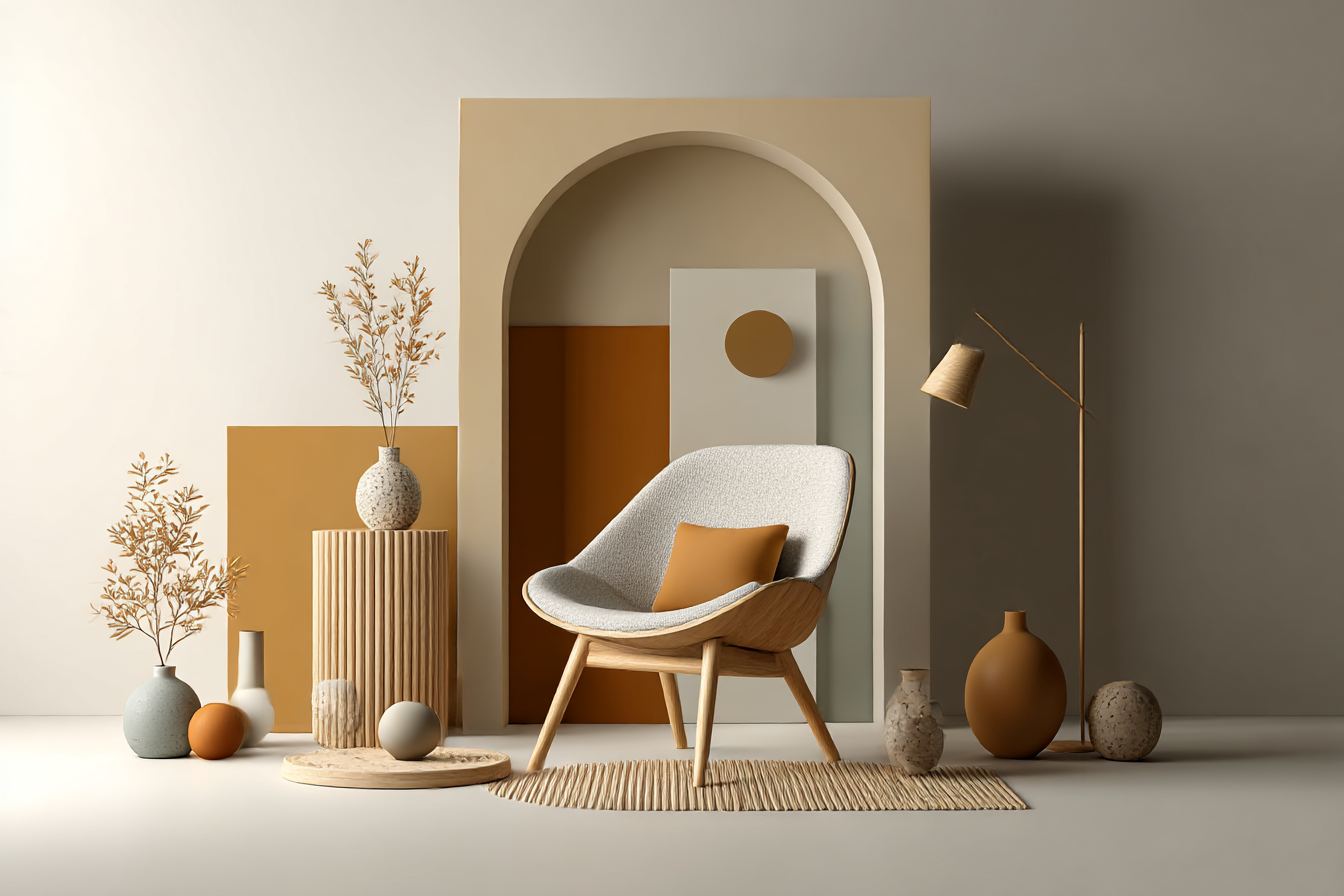
It's just not true anymore. Modern manufacturers have figured out how to create gorgeous contemporary pieces that happen to be environmentally responsible. The key word there is "happen to be," because honestly, the sustainability should feel like a bonus, not a compromise.
I've been testing furniture pieces in my own home for the past three years, much like I do with building materials. My living room has become an informal showroom where friends and clients can see how these pieces perform in real life. That coffee table Jake admired? I've had it for eighteen months now, and despite hosting countless dinner parties (and my nephew's Lego building sessions), it still looks phenomenal. The natural oil finish has actually improved with age, developing a subtle patina that makes the wood grain even more striking.
What excites me most about contemporary sustainable furniture is how manufacturers are solving old problems with new thinking. Take seating, for instance. Traditional upholstered furniture often relies on petroleum-based foams, synthetic fabrics treated with questionable chemicals, and adhesives that off-gas for months. But last month I visited a workshop in North Carolina where they're creating stunning mid-century modern inspired chairs using natural latex foam, organic hemp fabrics, and water-based finishes that cure completely within days.
The aesthetic isn't what you might expect from "eco-friendly" furniture either. Gone are the days when sustainable meant rough-hewn, obviously reclaimed, or painted in earth tones. These contemporary pieces embrace clean geometry, sophisticated material combinations, and the kind of minimalist elegance that feels at home in urban lofts or suburban ranch houses alike.
I recently helped a client furnish their new condo in Seattle, and we managed to source every piece from manufacturers committed to environmental responsibility without once having to explain or apologize for our choices on aesthetic grounds. The dining table was crafted from urban-harvested maple (trees removed during city development projects rather than cut from forests). The chairs featured powder-coated steel frames and seats made from recycled ocean plastic. The sideboard used bamboo plywood with a warm honey finish that looked exactly like expensive hardwood veneer.
The total cost? About fifteen percent more than conventional furniture of similar quality, but when you factor in durability, it's actually cheaper long-term. Plus, my client's indoor air quality tested significantly better than their previous apartment, where they'd furnished with typical mass-market pieces.
Here's what I find fascinating about the current market: many of the most innovative sustainable furniture makers started as small operations focused on environmental responsibility, but they've grown into sophisticated design houses. They understand that beautiful design sells furniture, not environmental credentials. The sustainability is built into their process, but it's not their primary marketing message.
You Might Also Like
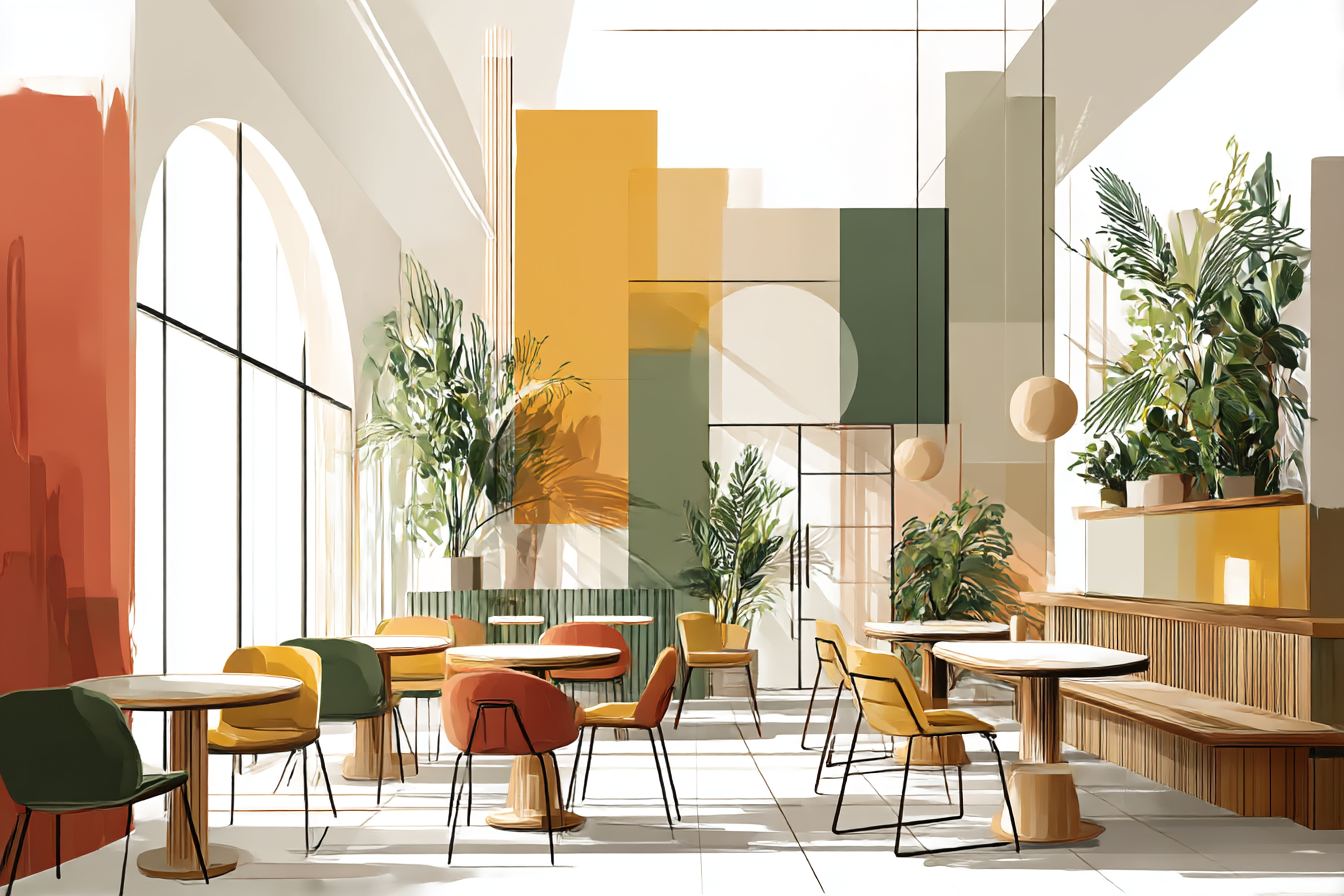
Case in point: there's a company in Vermont creating modular seating systems that can be reconfigured, reupholstered, or even completely disassembled for moving. The design is pure contemporary minimalism, all clean angles and premium materials. They happen to use FSC-certified hardwoods, low-emission finishes, and cushions made from organic materials, but their showroom looks like something out of a high-end furniture magazine, not an environmental trade show.
The modularity aspect really appeals to me because it addresses one of the biggest furniture sustainability issues: longevity and adaptability. How many times have you seen perfectly functional sofas discarded because they no longer fit someone's space or style preferences? These modular systems can evolve with changing needs, dramatically extending their useful life.
I've also been impressed by how contemporary sustainable furniture makers are handling the sourcing challenge. Rather than shipping exotic woods halfway around the world, they're celebrating regional materials. A maker in Oregon creates stunning tables from local madrone and Oregon white oak. A New York workshop specializes in furniture from urban-harvested trees removed during construction projects. A company in Colorado works exclusively with beetle-killed pine, creating pieces that are both environmentally beneficial and strikingly beautiful.
The metal components are equally thoughtful. Many manufacturers now use recycled aluminium and steel, which require dramatically less energy to produce than virgin materials. The finishes avoid chrome plating (which involves toxic chemicals) in favour of powder coating or natural patinas that actually improve with age.
Upholstery has seen perhaps the most dramatic improvements. Natural latex foam provides better support and durability than petroleum-based alternatives while being completely biodegradable. Organic cotton, hemp, and even wool fabrics offer texture and durability that synthetic materials can't match. Some manufacturers are experimenting with leather alternatives made from mushroom mycelium or pineapple leaves that look and feel remarkably similar to traditional leather.
What really sold me on the current state of sustainable contemporary furniture was seeing how it performs over time. I have pieces that are three years old and still look like they could be in a showroom. The materials age gracefully rather than degrading. Wooden surfaces develop character. Metal components maintain their finish. Fabric upholstery wears evenly without pilling or fading.
This isn't accidental. Sustainable furniture makers understand that durability is fundamental to environmental responsibility. There's no point creating an eco-friendly piece that needs replacement in five years.
The best contemporary sustainable furniture is designed to last decades while maintaining its aesthetic appeal.
My advice for anyone considering sustainable furniture? Focus on design first. Find pieces that you genuinely love, that fit your space and lifestyle perfectly. Then investigate the environmental credentials. You'll be surprised how many beautiful contemporary options also happen to be environmentally responsible. The furniture industry has finally figured out that sustainability and style aren't opposing forces, they're complementary values that appeal to the same discerning customers.
The future looks even brighter. Manufacturers are developing new materials, improving manufacturing processes, and creating designs that push aesthetic boundaries while reducing environmental impact. Contemporary style and environmental responsibility aren't just compatible anymore, they're becoming inseparable.