Walking through Jefferson Elementary last Tuesday morning, I couldn't help but notice the smell. You know that particular cocktail of industrial adhesives, particle board off-gassing, and whatever they use to make those bright plastic chairs? It hit me like a wall the moment I stepped inside. The facilities manager, Sarah, was showing me around as part of their green renovation project, and she kept apologizing for the "new building smell." Thing is, this building was constructed in 2003. Twenty years later, it's still off-gassing.
I've been working with schools on sustainable furniture for the past three years now, and honestly? It's some of the most rewarding work I do.

Kids spend roughly 1,100 hours annually in these spaces. That's more time than many adults spend in their offices. Yet somehow we've accepted that educational environments should be filled with the cheapest, most toxic materials available. It's backwards.
Sarah led me to a third-grade classroom where they'd just installed new desks. Standard fare: particle board tops with melamine surfaces, steel legs with powder coating that was already chipping near the feet. "These were the best we could afford," she explained, running her hand along a desktop edge that was already showing wear after two months. The price tag? Forty-two dollars per desk. Seemed like a bargain until you factor in replacement cycles.
I pulled out my VOC metre (yeah, I carry one everywhere now). The formaldehyde readings near those desks were three times higher than what I'd measure in my own home office. These kids were essentially doing their math homework over a slow-release chemical diffuser. When I showed Sarah the numbers, her face went pale. "We had no idea," she said. "The supplier told us these met all safety standards."
Here's the thing about safety standards in furniture: they're laughably inadequate. Meeting CPSC requirements doesn't mean a product won't harm long-term health, just that it won't cause immediate poisoning. It's like saying a cigarette is "safe" because it won't kill you today. The bar is set so low you'd need a shovel to find it.
After documenting conditions in six more classrooms (all with similar issues), Sarah and I sat down to discuss alternatives. Her budget was tight, obviously. Most school budgets are. But I've learned that "we can't afford sustainable furniture" usually translates to "we can't afford the upfront cost." The total cost of ownership tells a different story.
Take those forty-two dollar desks. They'll need replacement in four to six years, max. The surfaces scratch easily, the edges chip, and the hardware loosens under constant use. Over a twenty-year period, Jefferson would spend roughly $168 per desk position just on replacement costs, not counting labor for disposal and installation. Meanwhile, a solid wood desk with proper joinery might cost $180 upfront but last forty years. The math isn't complicated.
I showed Sarah photos from Lincoln Middle School in Portland, where we'd installed reclaimed Douglas fir desks three years ago. Still look fantastic. The maintenance staff actually told me they're easier to clean than laminate surfaces because you can sand out deep scratches rather than replacing entire units. Plus, zero formaldehyde emissions because we used water-based finishes throughout.
The reclaimed material came from a demolished warehouse in Southeast Portland, by the way. Same neighborhood where I grew up poking around my parents' salvage operation. Full circle moment, really. We processed those old-growth beams into desktop blanks, paired them with locally fabricated steel bases using recycled content, and delivered the complete units for $165 each. Not cheap, but competitive when you factor in longevity.
Sarah was intrigued but worried about approval from the school board. "They'll want to know why we're spending more on desks when we need new textbooks," she said. Fair point. I suggested we frame it differently: durability and health benefits rather than environmental virtue signaling. School boards respond to practical benefits they can explain to parents.
You Might Also Like
We developed a presentation focusing on three key points: reduced replacement costs, improved indoor air quality, and local economic impact. That last one matters more than people realise. Every dollar spent on locally manufactured furniture stays in the regional economy rather than disappearing to distant factories. For rural districts especially, this resonates.
The indoor air quality angle proved most compelling, though. I brought in Dr. Martinez, a pediatric pulmonologist who's been studying links between classroom environments and respiratory health in children. Her data was sobering. Kids in classrooms with high VOC levels showed increased rates of headaches, fatigue, and concentration difficulties. Standardized test scores were measurably lower in poorly ventilated spaces with significant off-gassing.
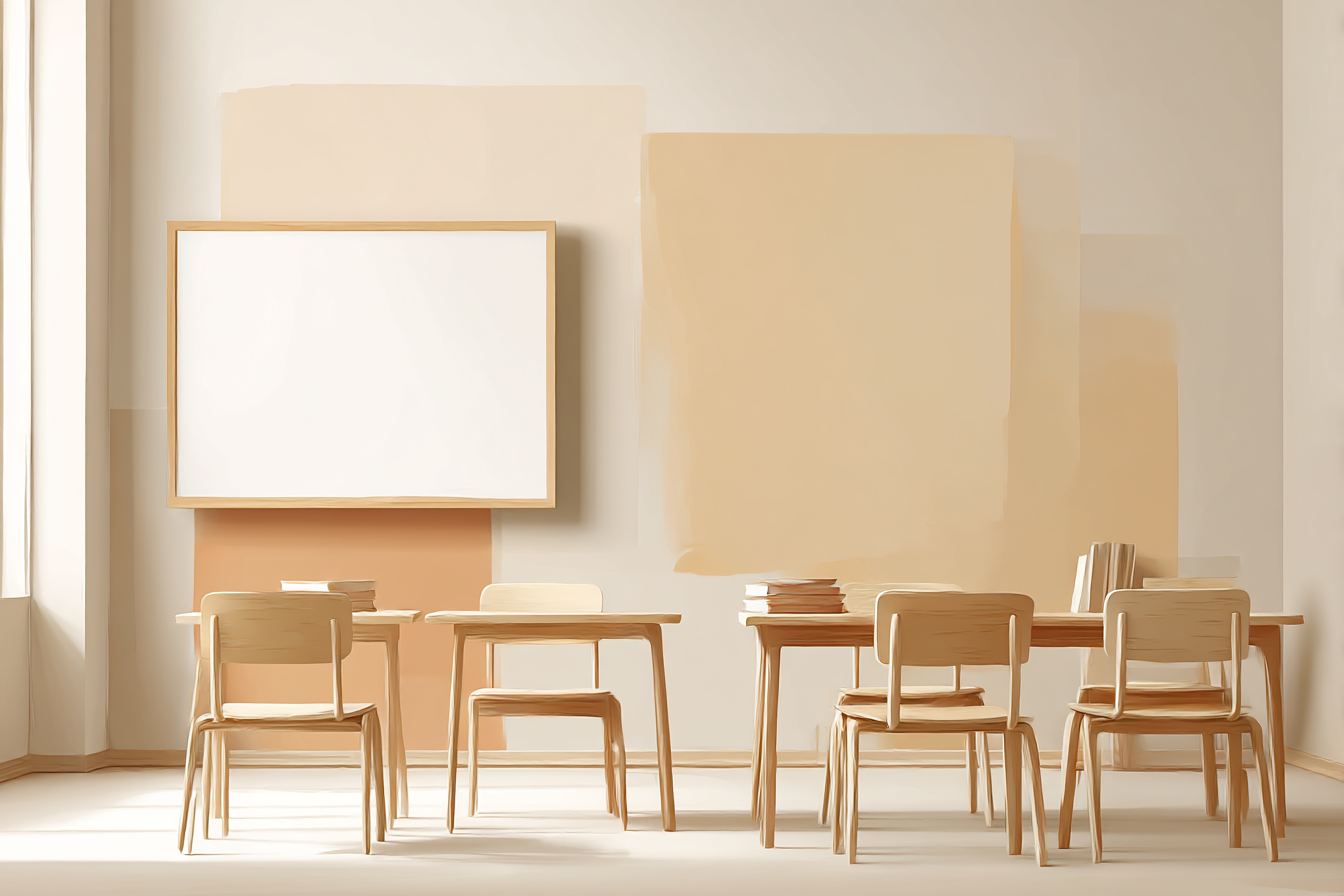
Three months later, Jefferson approved a pilot program replacing furniture in two classrooms with sustainable alternatives. We sourced desks from that same reclaimed Douglas fir, chairs made from certified hardwood with water-based finishes, and storage units constructed using formaldehyde-free plywood. Total cost premium: about 18% over conventional options.
The results were immediate. Teachers reported fewer student complaints about headaches and drowsiness. The classroom smells I'd noticed during my initial visit were completely gone. Kids started commenting on how much they liked the "real wood" surfaces – apparently plastic desktops had been their normal experience.
But here's what really sold the school board: durability exceeded expectations. After a full school year of elementary student use (which is basically accelerated torture testing), the sustainable furniture looked better than conventional units after just one semester. Maintenance requests dropped to nearly zero.
Word spread to other districts. I've now worked with twelve schools across Oregon and Washington, each with unique constraints and requirements. Rural districts often have access to local timber resources but lack fabrication capacity. Urban schools might have higher budgets but face strict procurement rules favoring lowest-bid suppliers. Each situation requires different approaches.
The key insight I've gained is that sustainable classroom furniture isn't just about materials – it's about rethinking the entire supply chain. Instead of buying from educational furniture catalogues filled with particle board products manufactured overseas, schools can work with local craftspeople, reclaimed material suppliers, and regional manufacturers to create better solutions at competitive prices.
My latest project involves developing a cooperative purchasing program where multiple districts pool orders to achieve economy of scale with sustainable suppliers. When five schools order matching desks simultaneously, per-unit costs drop significantly while maintaining quality and environmental benefits.
The work isn't always smooth sailing, obviously.
Some suppliers inflate prices when they hear "sustainable," assuming schools have unlimited green budgets. Others deliver products that look environmental but perform poorly. I've learned to verify everything: material sources, manufacturing processes, finish compositions, and durability testing results.
But watching kids learn in healthier environments makes every challenge worthwhile. These spaces shape young minds during crucial developmental years. Shouldn't they be filled with materials that support rather than undermine human health? When we choose furniture that will last decades instead of years, we're teaching environmental responsibility through example. Kids notice these things more than adults realise.
That's the real power of sustainable classroom furniture: it transforms abstract environmental concepts into tangible daily experiences. Students can touch real wood, smell natural finishes, and see how thoughtful material choices create spaces that support learning rather than hindering it.