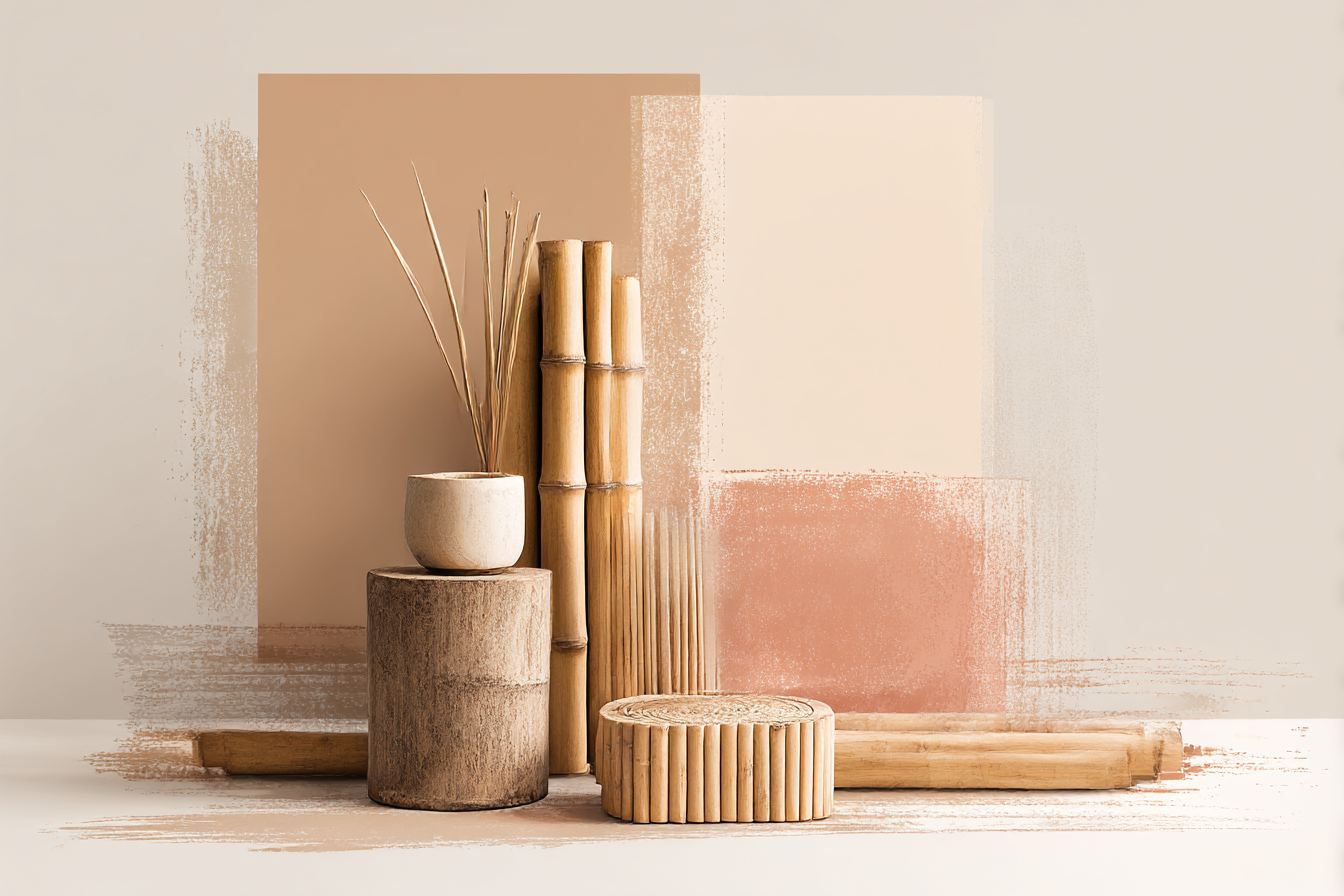
My contractor buddy Jake called me last Thursday with what he thought was a simple question: "Hey, what's the deal with bamboo furniture? This client's asking about it, and I honestly don't know if it's just trendy nonsense or actually worth recommending." I laughed because I'd just spent the previous weekend helping my neighbour Lisa move her bamboo dining set from her old apartment to her new place, and we'd both been impressed by how incredibly light yet sturdy it was.
You know, bamboo gets a lot of hype in the green building world, but after testing various bamboo products in my own home for the past three years, I can tell you it's earned its reputation. Not all bamboo furniture is created equal, though, and there's definitely some greenwashing happening in the market.
Let me start with what makes bamboo genuinely special as a material. It's technically a grass, not a tree, which means it can be harvested without killing the plant. The root system stays intact and continues growing new shoots. Some species grow so fast you can literally watch them grow – certain varieties add up to four feet in a single day.
I've got a small bamboo grove behind my house (planted it as a privacy screen), and I swear I can hear it growing on warm summer nights.
The speed thing isn't just impressive for party tricks. It means bamboo reaches harvestable size in three to five years compared to hardwood trees that take decades or centuries. My favorite local bamboo supplier, Green Valley Bamboo about an hour outside Seattle, harvests their moso bamboo on a four-year cycle. Walking through their groves feels like being in an alien forest – these massive grass stalks reaching 40 feet tall, swaying in the wind with this distinctive hollow sound.
But here's where I get picky about bamboo furniture claims. Just because the raw material grows fast doesn't automatically make every bamboo product sustainable. Processing matters enormously. Traditional bamboo processing involves splitting, drying, and joining pieces with mechanical fasteners or plant-based adhesives. Modern industrial bamboo processing often involves shredding the bamboo, mixing it with formaldehyde-based resins, and pressing it into sheets or boards under high heat and pressure.
That second method? Not so eco-friendly. You're essentially creating particleboard using bamboo instead of wood chips. The formaldehyde off-gassing can be significant, and the energy-intensive manufacturing process negates many of bamboo's environmental advantages. I learned this the hard way when I bought what I thought was a "green" bamboo bookshelf from a big box store. Within a week, my office smelled like a chemistry lab. Turns out it was made from bamboo composite with urea-formaldehyde binders.
The furniture I actually recommend uses solid bamboo construction or bamboo plywood made with formaldehyde-free adhesives. Brands like Greenington, Haiku Designs, and smaller artisan makers are doing beautiful work with minimal processing. The pieces feel completely different – you can see the natural bamboo grain, they don't have that chemical smell, and they're incredibly durable.
I've got a bamboo coffee table from a local craftsman named David Chen who works out of a shop in Ballard. He sources his bamboo from Oregon (yes, Oregon grows excellent bamboo), air-dries it for six months, then joins pieces using traditional Japanese woodworking techniques with zero chemical adhesives. The table's been through two moves, countless dinner parties, and my nephew's Lego building sessions. Still looks perfect.
You Might Also Like
Strength-wise, bamboo consistently surprises people. It has a higher tensile strength than many steel alloys – seriously. The hollow structure creates incredible strength-to-weight ratios. That dining set we moved for Lisa? The table seats six people but I could lift it myself with one hand. Try that with a solid oak table.
For different rooms, bamboo works beautifully almost everywhere. In bedrooms, bamboo bed frames offer excellent support without the bulk of hardwood. The natural antimicrobial properties (bamboo contains a compound called "bamboo kun" that resists bacteria and odors) make it particularly nice for furniture that contacts skin regularly. My bamboo nightstands have survived Seattle's humidity without any finish maintenance for over two years.
Living room bamboo furniture tends toward clean, modern lines that work well with various décor styles. I'm not personally into the ultra-minimalist aesthetic, but bamboo's natural grain patterns and warm honey tones complement both contemporary and traditional settings better than you'd expect. My friend Sarah mixed a bamboo entertainment centre with her grandmother's antique Persian rugs and Victorian side chairs – sounds weird, works beautifully.
Kitchen and dining applications are where bamboo really shines, pun intended. The material's natural resistance to moisture and bacteria made it a traditional choice for cutting boards and utensils long before anyone cared about sustainability. Modern bamboo dining furniture continues this tradition. Spilled wine wipes right off, the surface doesn't harbor odors like some porous woods can, and it's naturally resistant to scratches and dings.
Bathroom bamboo furniture requires more careful selection. The high humidity environment can cause problems with poorly made pieces, but quality bamboo bathroom furniture actually performs better than many alternatives. I installed bamboo shelving in my bathroom three years ago, and despite daily steam from hot showers, it shows no signs of warping or degradation.
Cost comparison gets interesting with bamboo. Entry-level bamboo furniture is often cheaper than comparable hardwood pieces, partly because of faster growing cycles and partly because much bamboo furniture comes from countries with lower labor costs. But quality bamboo furniture from domestic makers or high-end imports can cost as much as premium hardwood. The difference is usually obvious in construction quality, finish durability, and overall design sophistication.
From a purely environmental standpoint, bamboo furniture wins on several fronts beyond just rapid renewability.
The carbon sequestration during growth is impressive – bamboo absorbs more CO2 per acre than most tree species. Transportation costs vary wildly depending on sourcing, but domestic bamboo is becoming more available. The end-of-life story is excellent – solid bamboo furniture can be composted, burned cleanly, or even replanted in some cases.
What I tell people considering bamboo furniture: buy quality pieces from reputable makers, ask about adhesives and finishes, and expect it to last. Cheap bamboo furniture often disappoints and feeds the perception that bamboo is flimsy or temporary. Good bamboo furniture should feel solid, smell neutral, and age gracefully. If you're shopping online, read reviews carefully and pay attention to shipping damage reports – that often indicates structural weakness.
My house has slowly accumulated about 40% bamboo furniture over the past few years, and honestly, most visitors don't even realise it unless I point it out. It just looks like well-made, attractive furniture. Which is exactly what sustainable materials should be – functional first, environmental benefits as a bonus, not the other way around.