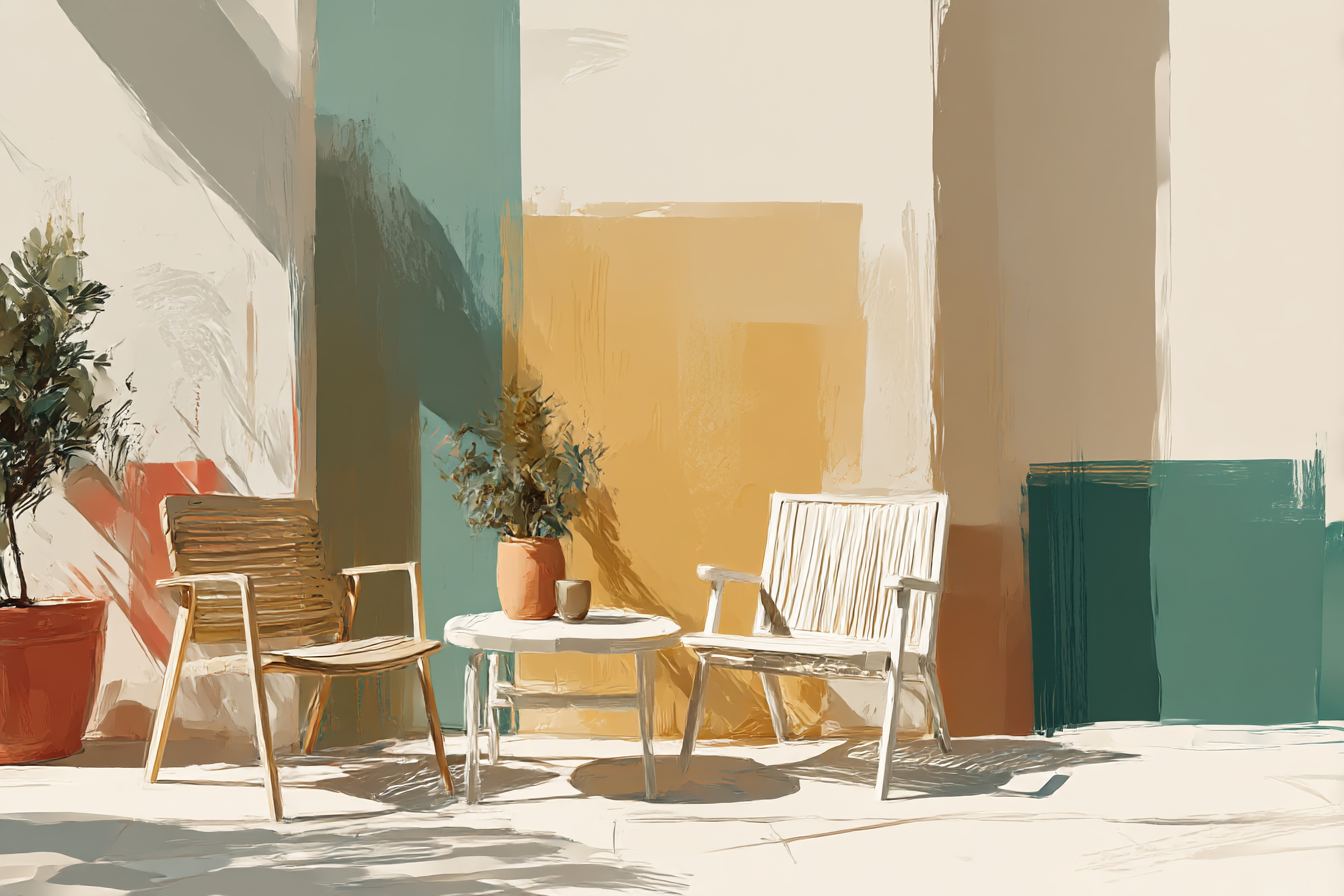
You know what's funny about outdoor entertaining? Everyone obsesses over the perfect grill or the most Instagram-worthy fire pit, but then they plop down furniture that looks like it crawled out of a landfill. I mean, seriously. I was at a barbecue last month where the host had this gorgeous reclaimed cedar deck, solar string lights, and a composting system that would make any environmentalist weep with joy. But the patio set? Cheap plastic chairs that were already cracking after one season, paired with a table that screamed "I was made in a factory that probably poisoned three rivers."
It got me thinking about my own outdoor space and the journey I've been on to find furniture that doesn't make me cringe every time I sit down for morning coffee.

Because here's the thing – outdoor furniture takes a beating. Sun, rain, snow, that weird sticky pollen that coats everything in spring. Most conventional pieces are designed to look decent for about six months before they start their inevitable journey toward becoming microplastics in our water supply.
I learned this lesson the hard way about five years ago. Bought what I thought was a decent teak dining set from a big box store. "Sustainable teak!" the label proclaimed. Yeah, right. Three months later, I discovered it was actually a teak veneer over particleboard held together with formaldehyde-based adhesives. The first real rainstorm turned my "sustainable" table into a soggy mess that off-gassed chemicals for weeks. My neighbour's cat wouldn't even walk across my deck anymore.
That disaster sent me down the rabbit hole of researching what actually makes outdoor furniture sustainable. Spoiler alert: it's complicated. The materials industry loves throwing around terms like "eco-friendly" and "green" without much substance behind them. I've tested dozens of pieces over the years, and let me tell you, the marketing rarely matches reality.
Real recycled plastic furniture, though? That stuff is fascinating. I'm talking about pieces made from genuinely post-consumer waste – old milk jugs, detergent bottles, the works. There's a company in Pennsylvania that's been perfecting this process for over two decades. Their Adirondack chairs are made from approximately 400 recycled milk jugs each. I bought a pair three years ago, and they still look brand new despite living through some brutal Pacific Northwest winters.
The manufacturing process is pretty clever too. They clean and sort the plastic waste, then melt it down into lumber-like boards that can be cut, shaped, and assembled just like wood. No toxic adhesives, no chemical treatments. Just recycled plastic transformed into something that'll outlast most conventional furniture by decades. My chairs are rated for coastal environments – we're talking salt spray, constant moisture, temperature swings. They don't fade, crack, or absorb moisture. And when they finally reach end of life? They can be recycled again.
But here's what really sold me: no maintenance. Zero. I don't stain, seal, or treat anything. Just hose them down when they get dirty. Compare that to conventional outdoor furniture that requires annual treatments with chemical sealers and stains. I calculated that over ten years, I'll save about $800 in maintenance costs alone, not to mention the time and chemical exposure.
Now, recycled plastic isn't perfect for everything. The aesthetic is… well, it's plastic. Some pieces look fantastic – clean lines, solid colours that don't fade. Others look exactly like what they are: reformed milk jugs. You need to be choosy. I've seen recycled plastic furniture that's beautifully designed and pieces that look like playground equipment. Quality varies wildly between manufacturers.
For a more natural look, I've become obsessed with furniture made from reclaimed and responsibly sourced wood. But man, you have to do your homework here. The outdoor furniture market is flooded with pieces claiming to use "sustainable" wood that's anything but. I've traced supply chains that led to illegally harvested old-growth forests being passed off as "plantation teak."
Real FSC-certified wood furniture is out there, though it takes some hunting. I found this incredible dining set made from reclaimed barn wood – white oak that had been seasoned for over a century before being turned into furniture. The grain patterns tell stories. You can see old mortise holes, nail stains, weathering patterns. It's like having a piece of agricultural history on your deck.
You Might Also Like

The company that made it specializes in urban salvage. They rescue wood from demolished buildings, old barns, decommissioned docks. Each piece comes with documentation about its origin – which building, what era, sometimes even photos of the original structure. My table came from a grain elevator in Montana built in 1923. How cool is that?
Working with reclaimed wood for outdoor use requires some specific considerations. The material needs proper preparation – cleaning, testing for contaminants, treatment for insects or rot. But when done right, old-growth reclaimed wood often outperforms new lumber. Those tight grain patterns from slow growth make for incredibly durable furniture.
Natural fibre options have really surprised me lately. Wicker made from sustainably harvested rattan, hemp fabric cushions, organic cotton covers that actually hold up to weather. I was skeptical at first – natural fibres and outdoor exposure usually don't mix well. But advances in processing and weaving techniques have created pieces that genuinely work outside.
My current favorite is a lounge chair with a frame made from powder-coated aluminium (recycled content) and woven seats from sustainably harvested rattan. The rattan is treated with natural oils rather than chemical preservatives, and it's holding up beautifully after two seasons. The weaving pattern actually gets more beautiful as it ages and patinas.
The cushion situation took more experimentation. Conventional outdoor cushions are typically stuffed with petroleum-based foam and covered in synthetic fabrics treated with chemical water repellents. I found cushions filled with recycled PET bottles and covered in hemp-organic cotton blends. They're not as stain-resistant as synthetic options, but they're comfortable, breathable, and I can throw the covers in my washing machine without worrying about off-gassing chemicals on my deck.
Maintenance is different with natural materials. You can't just ignore them like recycled plastic. But it's not complicated – periodic cleaning with mild soap, seasonal oiling for wood pieces, bringing cushions inside during severe weather. I actually enjoy the ritual. It connects me to the materials in a way that's completely absent with synthetic furniture.
Here's something nobody talks about: end-of-life planning. Most outdoor furniture eventually breaks or wears out, then goes straight to landfills. But sustainable pieces can often be repaired, refurbished, or actually recycled. My reclaimed wood table could be reclaimed again someday. The recycled plastic chairs can become new products. Even natural fibre pieces can often be composted (after removing metal hardware).
Cost-wise, quality sustainable outdoor furniture requires higher upfront investment. But I've learned to calculate total cost of ownership. That cheap plastic set might cost $200 initially, but if you replace it every two years and factor in maintenance for alternatives, the math shifts quickly. My recycled plastic chairs cost $400 each, but they'll likely outlast five cheap alternatives.

The reclaimed wood table was pricey upfront but should last decades with basic care.
The market is definitely improving. Five years ago, finding truly sustainable outdoor furniture meant special ordering everything. Now I see decent options at mainstream retailers, though you still need to read past the marketing copy and verify actual materials and manufacturing processes.
My advice? Start with one quality piece and build from there. Test how different materials work in your specific climate and usage patterns. Don't trust marketing claims – research manufacturers, ask for material specifications, and read reviews from people who've owned pieces for multiple seasons.
Because ultimately, sustainable outdoor furniture isn't just about environmental impact. It's about creating spaces where you actually want to spend time, with materials that age gracefully rather than degrading into eyesores. My deck has become my favorite room in the house, partly because everything on it tells a story and will keep telling stories for years to come.



